Close
Login Register
Search
  • About
    • What We Do
    • Who We Are
    • FAQs
  • Our Writing
    • Explainers
    • Essays
    • Letterbox
    • Reports & More
  • Podcasts
  • Our Events
  • Projects
    • Power In The Food Systems
    • Local-Global Scale Project
    • MEAT: The Four Futures Podcast
    • Fuel To Fork
    • Nature
    • Reckoning with Regeneration
    • SHIFT
    • Games at TABLE
    • Rethinking the Global Soy Dilemma
  • Resources
  • Opportunities
    • Jobs
    • Funding
    • Courses
    • Collaborations
    • Events
  • Newsletter
  • TABLE (EN)
Search
Back

TABLE

Image
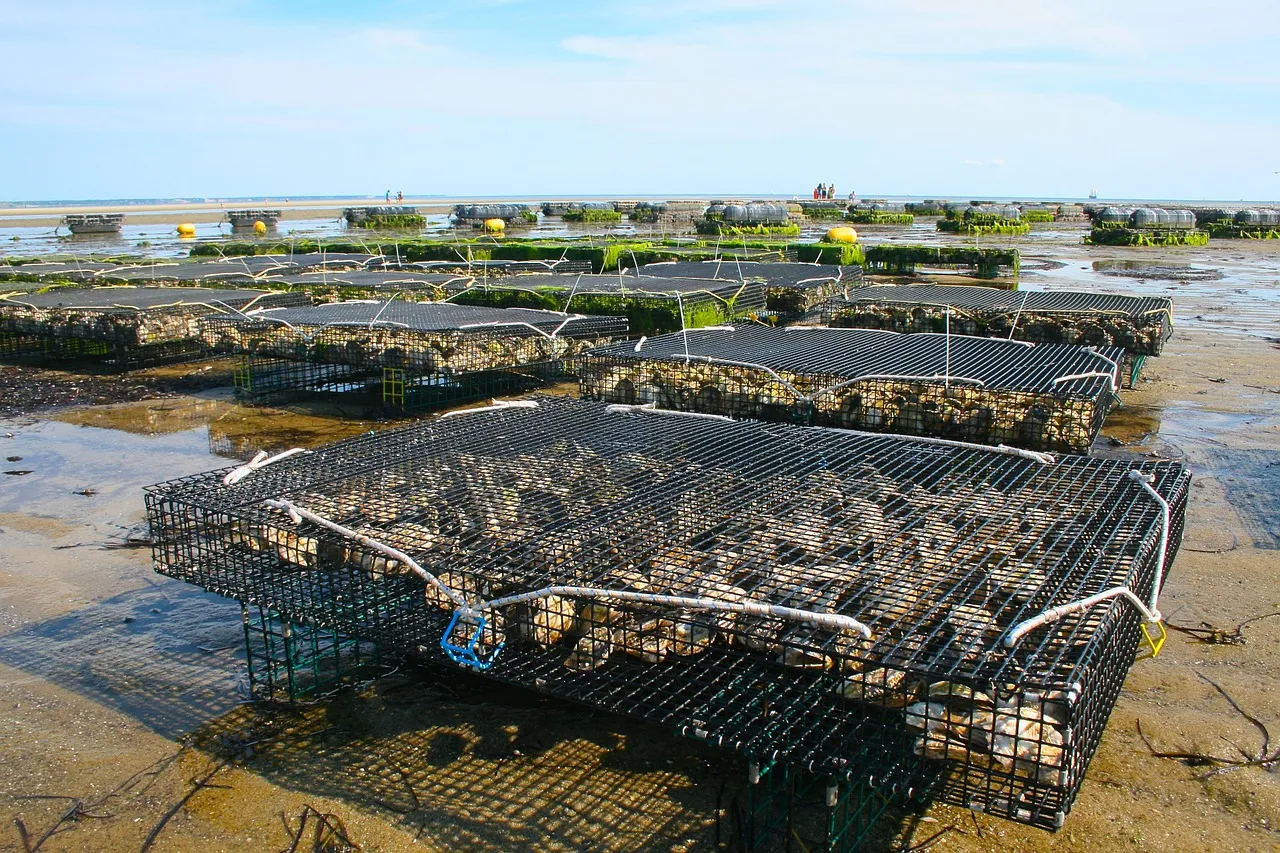
Image: 1957725, Oyster farm, Pixabay, Pixabay Licence
Journal articles
Greenhouse gas emissions from global aquaculture
In this paper, FCRN member Michael MacLeod reports that global aquaculture produced around 0.49% of global greenhouse gas emissions in 2017 - a similar quantity to the emissions from sheep meat production. When emissions are measured per kg of edible product, the paper finds aquaculture to have low emissions intensity relative to meat from goats, cattle, buffalo and sheep and similar emissions intensity to meat from pigs and chickens.
Read
Image
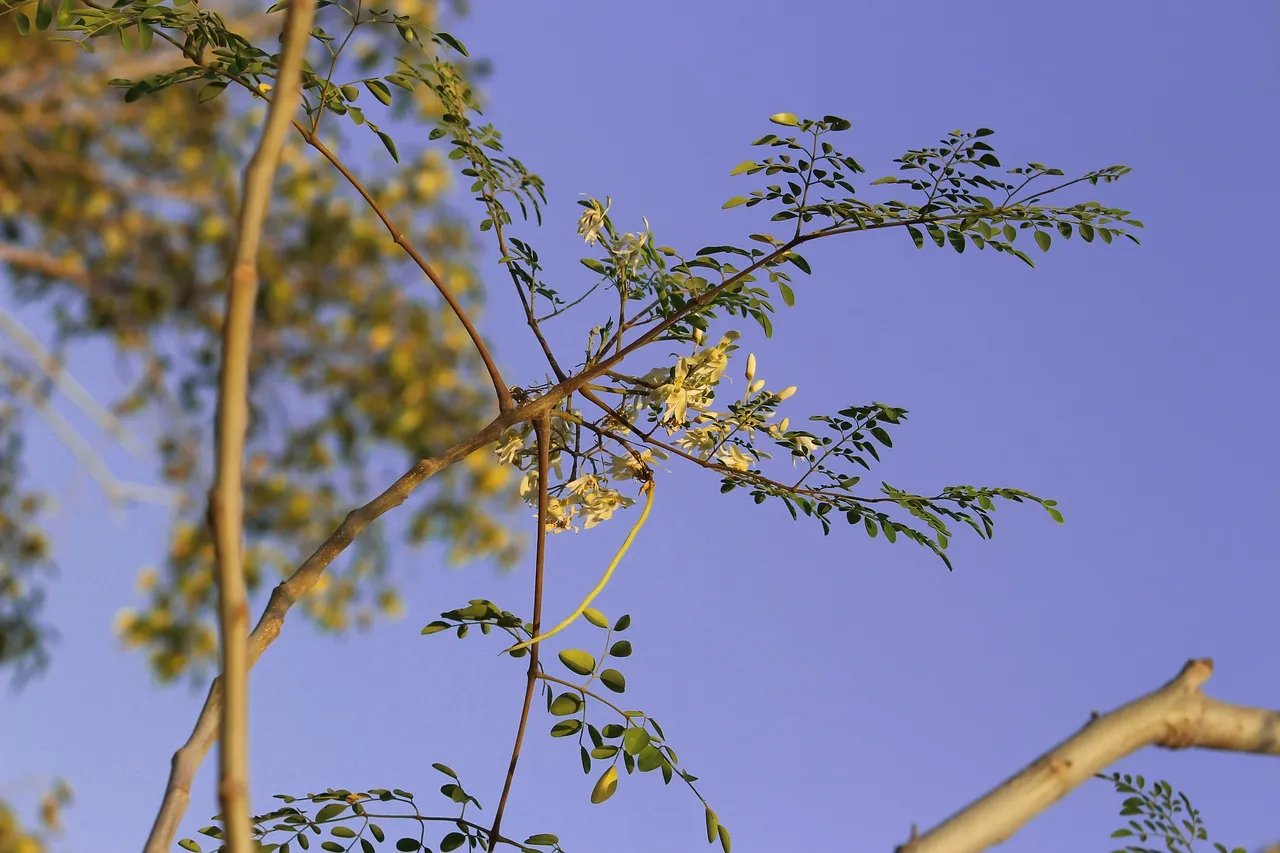
Image: arjunreddy223344, Drum Stick Drumstick Tree, Pixabay, Pixabay Licence
Journal articles
Perennial vegetables for biodiversity, climate and nutrition
This paper by FCRN member Eric Toensmeier argues that perennial vegetables (those grown on plants that live for more than two years) are underappreciated as a source of nutrients, as a means of sequestering carbon and as beneficial to biodiversity.
Read
Image
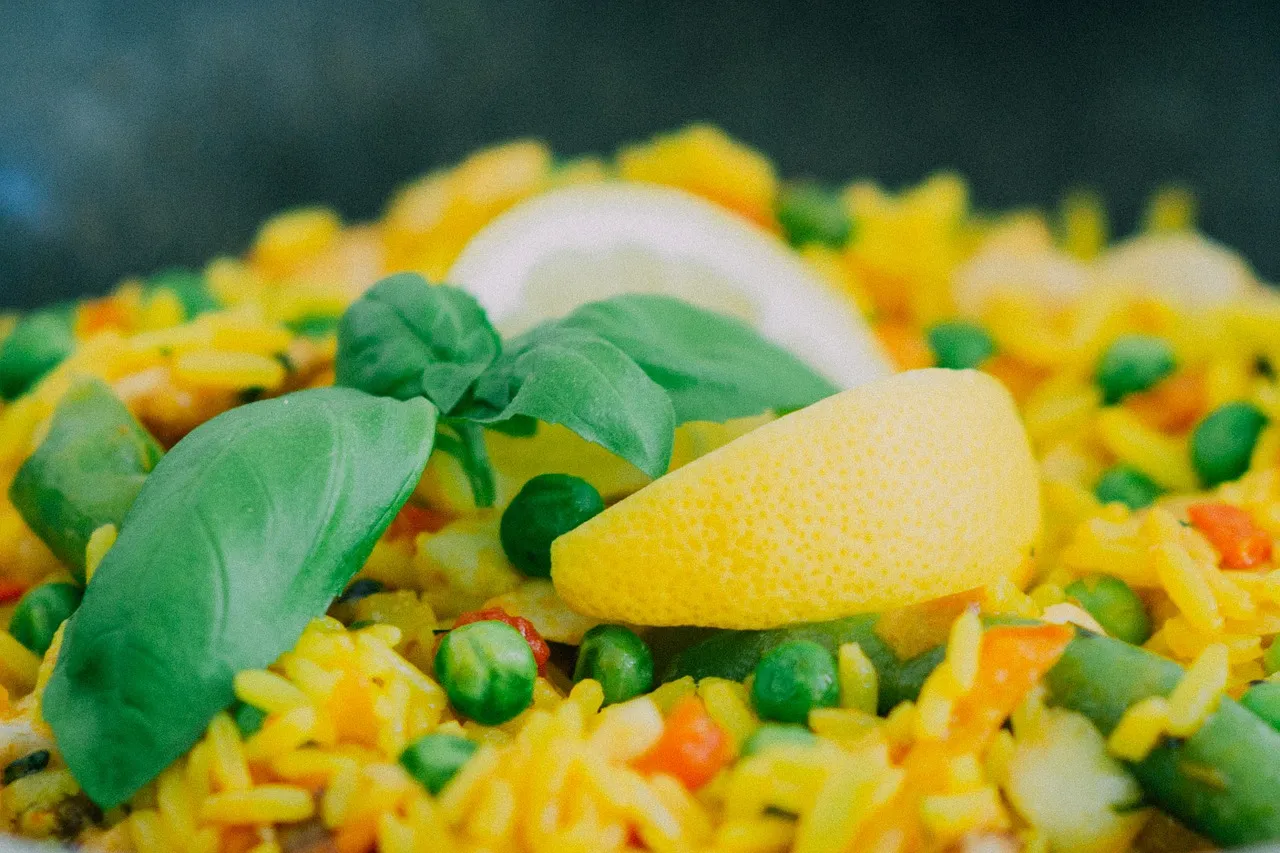
Image: StockSnap, Paella Rice Peas, Pixabay, Pixabay Licence
Featured articles
The healthiness and sustainability of dietary guidelines
This modelling study, co-authored by FCRN member Luke Spajic, analyses both the health and environmental outcomes of national dietary guidelines from 85 countries, then compares these outcomes to global health and environmental targets, as well as the outcomes of the diets recommended by the World Health Organisation and the EAT-Lancet Commission. The vast majority of guidelines - 83 in total, or 98% - were found to be incompatible with at least one health or environmental target.
Read
Image
Image: AlanDavidRobb, Kelp Wave Atlantic, Pixabay, Pixabay Licence
News and resources
The possibilities and challenges of kelp
This article by FoodPrint discusses the tension between the purported environmental benefits of kelp farming and consumers’ lack of familiarity with kelp as a food, and describes “regenerative” kelp farming systems that also produce oysters, clams and mussels. It sets out several ways in which kelp can be used, including in foods such as pesto or lasagne, as well as other uses such as bioplastics, fertiliser, biofuel and animal feed.
Read
Image
News and resources
Podcast: Ugly vegetables need love too
This episode of the Nordic Talks podcast series (produced by the Nordic Council of Ministers) discusses how imperfect vegetables are handled in the food industry and asks why the market for "ugly" vegetables is suddenly taking off in Norway and China.
Read
Image
News and resources
Collaborative Research Directory on alternative proteins
The Good Food Institute, a US alternative protein nonprofit, has released a collaborative research directory listing researchers who are active in the alternative protein space and those who want to work in the field. The directory lists location, research interests and whether institutions are hiring staff.
Read
Image
Books
Home gardens for improved food security and livelihood
This book uses case studies from Africa, Asia and Latin America to argue that, in the right circumstances, home gardens can help to supply people with food and income. It explores how home gardening relates to gender, food security, resilience and poverty alleviation.
Read
Image
Reports
Food policy on trial: Universal Basic Income
This paper sets out the results of an event held by UK NGO the Food Ethics Council on 10 June 2020, which discussed the advantages and drawbacks of Universal Basic Income as a way of contributing to fairer food systems.
Read
Image
Reports
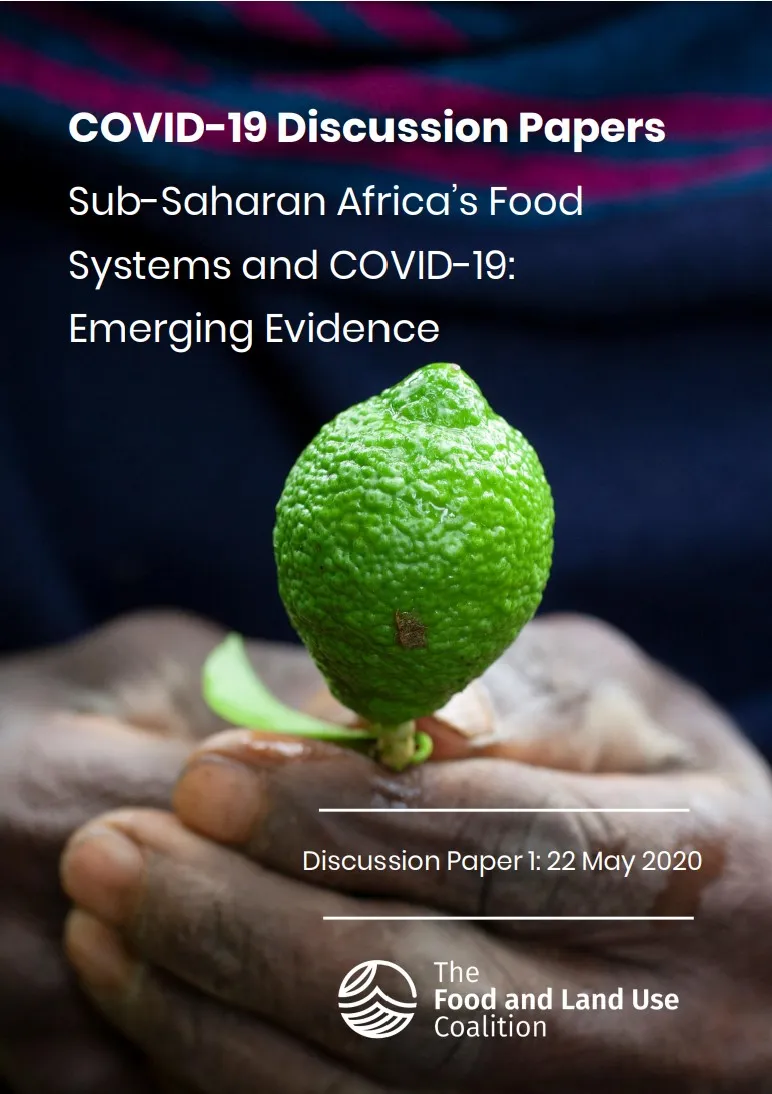
Sub-Saharan Africa’s food systems and COVID-19
This discussion paper by the international Food and Land Use Coalition sets out a framework for understanding the impacts of COVID-19 on food systems in Sub-Saharan Africa (SSA). It finds that the cost of a basic food basket has increased during the first quarter of 2020 by over 10% in nine SSA countries and by 5-10% in eight other SSA countries.
Read
  • VIEW MORE

Sign up for Fodder, our monthly newsletter unpacking the future of food.

Tick below to opt-in to email communications.

You can change your mind at any time by clicking the unsubscribe link in the footer of any email you receive from us, or by contacting us at info@tabledebates.org.

We use Mailchimp as our marketing platform. By clicking below to subscribe, you acknowledge that your information will be transferred to Mailchimp for processing. Learn more about Mailchimp's privacy practices.
  • Glossary
  • About
  • Our Writing
  • Podcasts
  • Resources

Social

YouTube Facebook Instagram

© Copyright 2025

A collaboration between: