Close
Login Register
Search
  • About
    • What We Do
    • Who We Are
    • FAQs
  • Our Writing
    • Explainers
    • Essays
    • Letterbox
    • Reports & More
  • Podcasts
  • Our Events
  • Projects
    • Power In The Food Systems
    • Local-Global Scale Project
    • MEAT: The Four Futures Podcast
    • Fuel To Fork
    • Nature
    • Reckoning with Regeneration
    • SHIFT
    • Games at TABLE
    • Rethinking the Global Soy Dilemma
  • Resources
  • Opportunities
    • Jobs
    • Funding
    • Courses
    • Collaborations
    • Events
  • Newsletter
  • TABLE (EN)
Search
Back

TABLE

Image
Reports
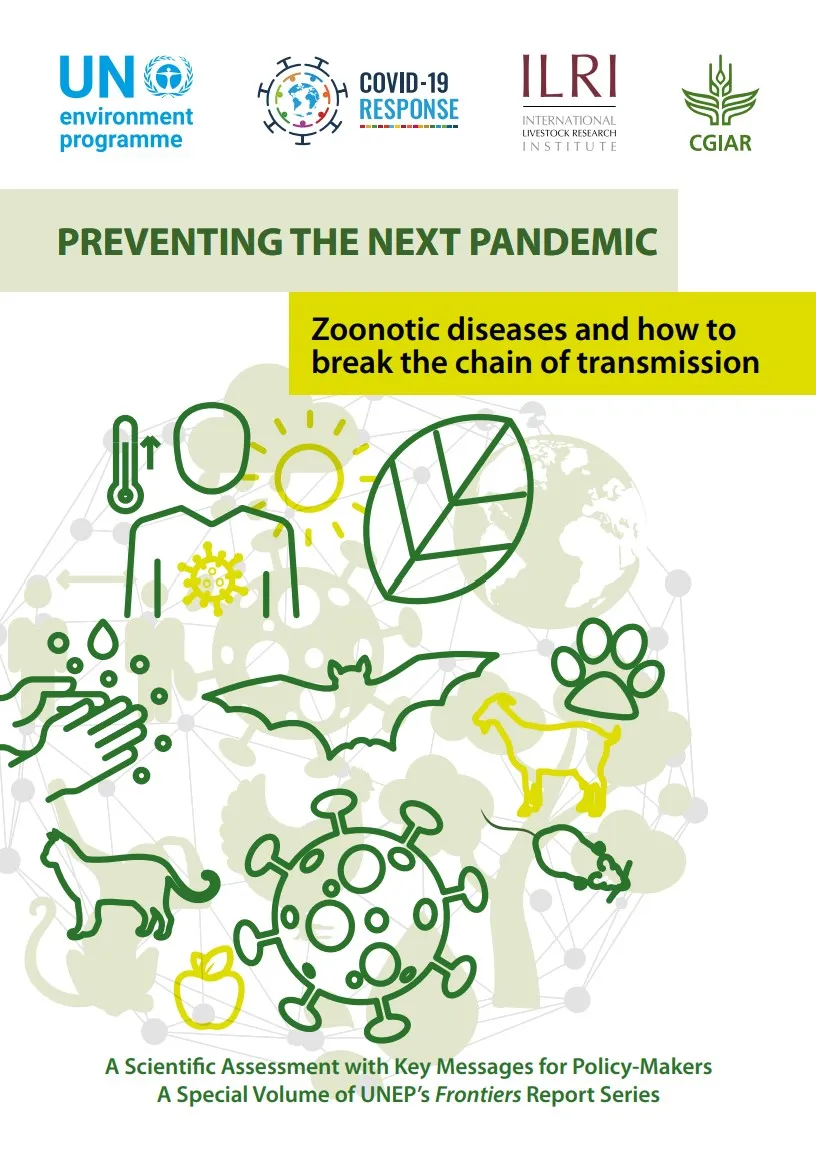
Breaking the chain of transmission of zoonotic diseases
This report by the United Nations Environment Programme considers the root causes behind the emergence and spread of COVID-19 and other zoonotic diseases and sets out key messages for policymakers.
Read
Image
Reports
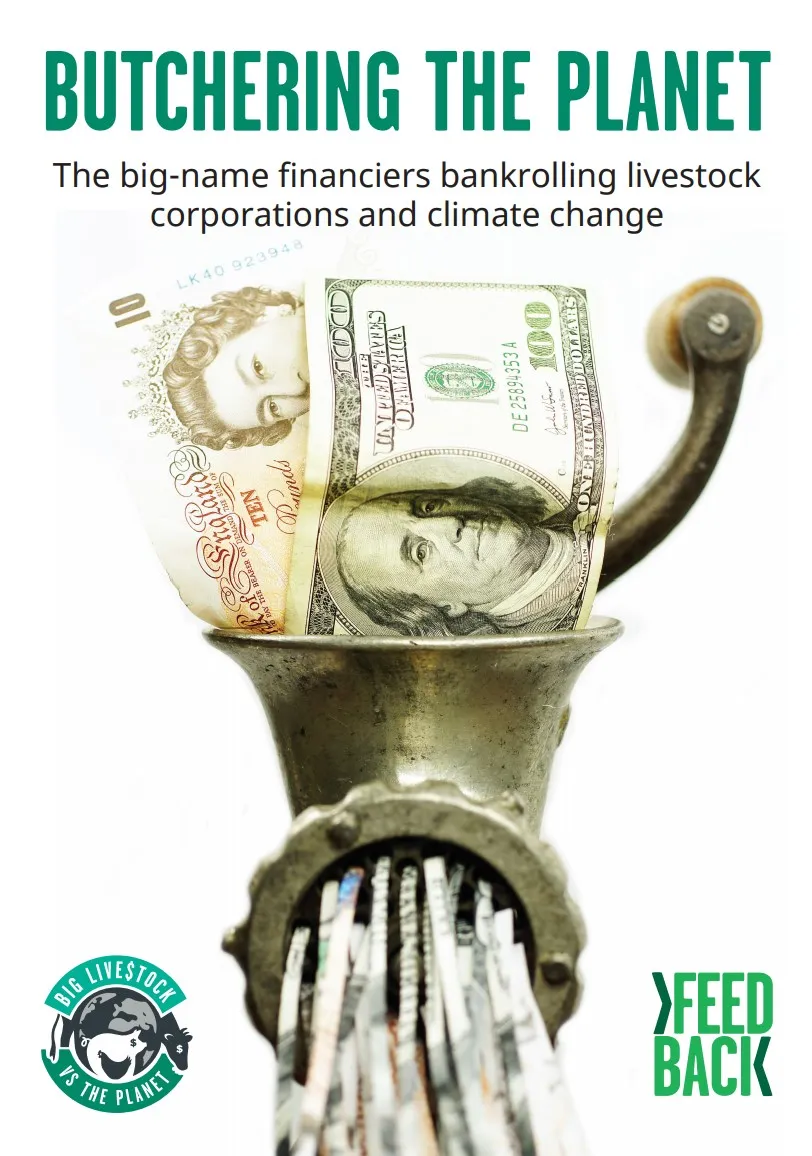
The investors funding livestock corporations
This report from UK food waste NGO Feedback shows that, between 2015 and 2020, industrial meat and dairy corporations around the world have received $478 billion in funding, including loans, from over 2,500 investors including pension funds, university endowments and high street banks, in some cases appearing to go against the ethical policies of the funders.
Read
Image
Image: athree23, Board chalk training, Pixabay, Pixabay licence
Journal articles
Integrating climate and food policies in higher education
FCRN member David Cleveland uses the University of California as a case study and finds that integrating climate and food policies could contribute substantially to reducing institutional greenhouse gas emissions by accounting for Scope 3 emissions (which would include emissions from food purchased by the institution).
Read
Image
Image: Magda Ehlers, Fresh Mussels on Rock, Pexels, Pexels Licence
Journal articles
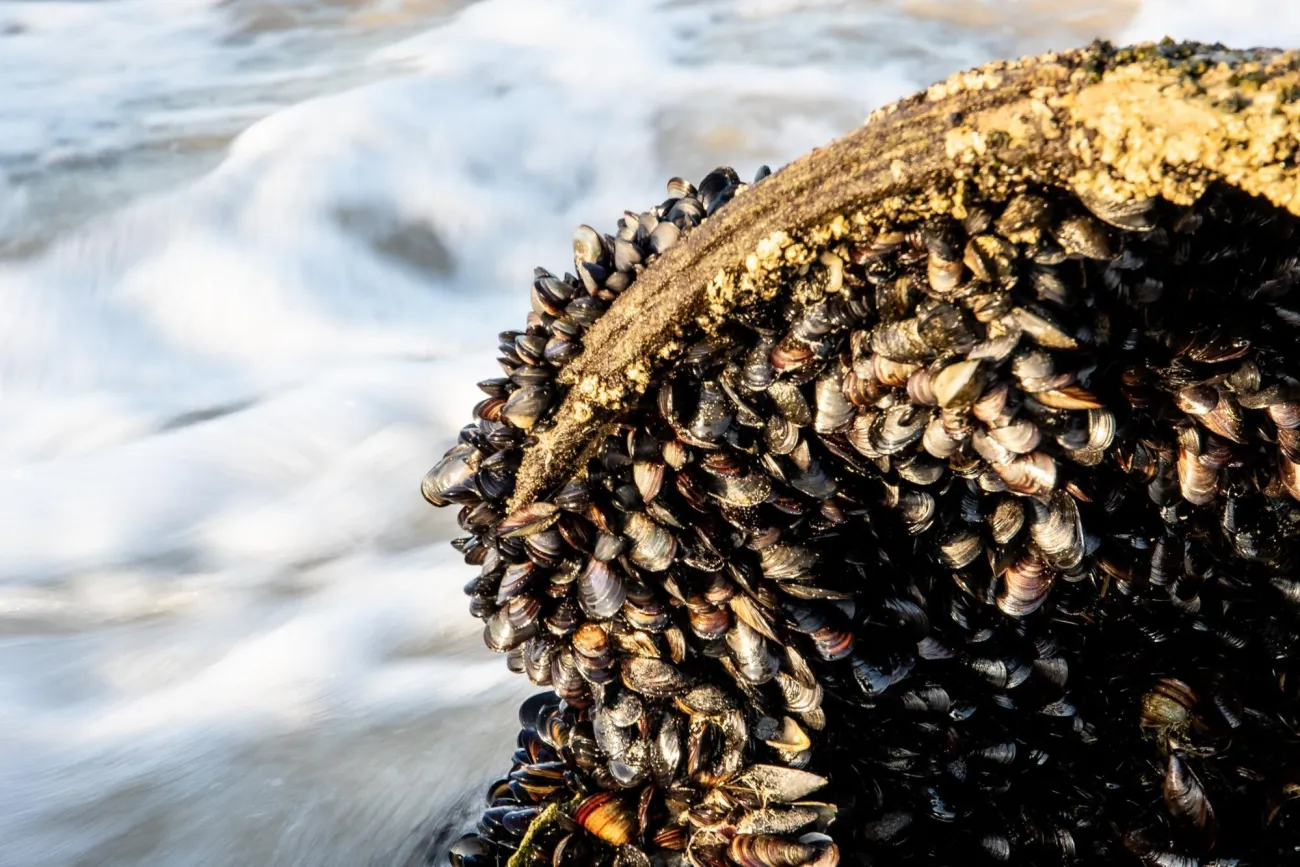
Sustainable bivalve farming for food security in the tropics
In this paper, FCRN member David Willer argues that bivalve shellfish aquaculture could provide a nutritious and low-impact source of protein to nearly one billion people, particularly in the tropics.  
Read
Image
Image: Jonas Dücker, person holding coconut husks, Unsplash, Unsplash licence
Featured articles
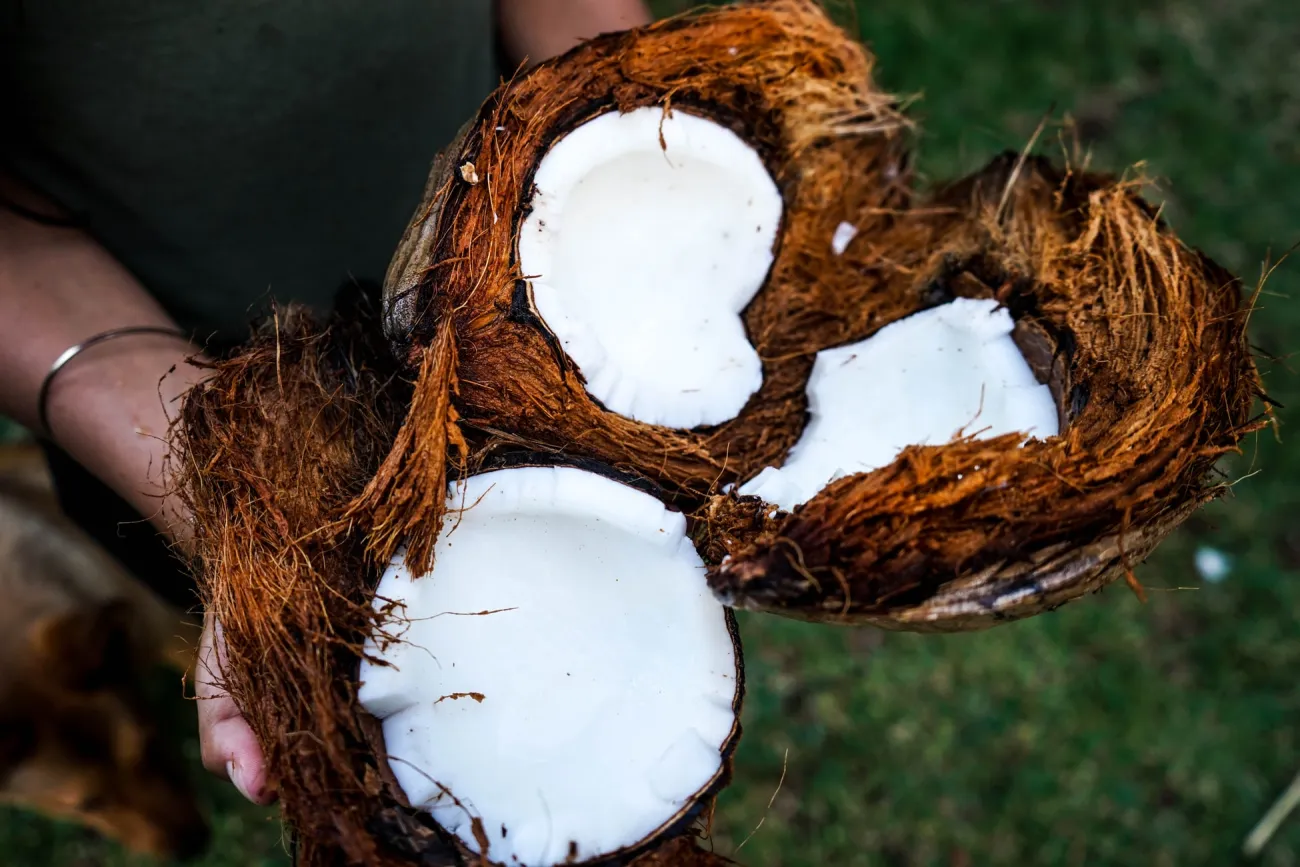
Coconut oil, conservation and the conscientious consumer
According to this paper, coconut oil cultivation puts a much greater number of species at risk per million tonnes of oil than other oils, including palm oil, despite narratives about the environmental impacts of oils usually focusing on deforestation caused by palm oil cultivation.
Read
Image
Image: davehan2016, Tomato, Pixabay, Pixabay Licence
News and resources
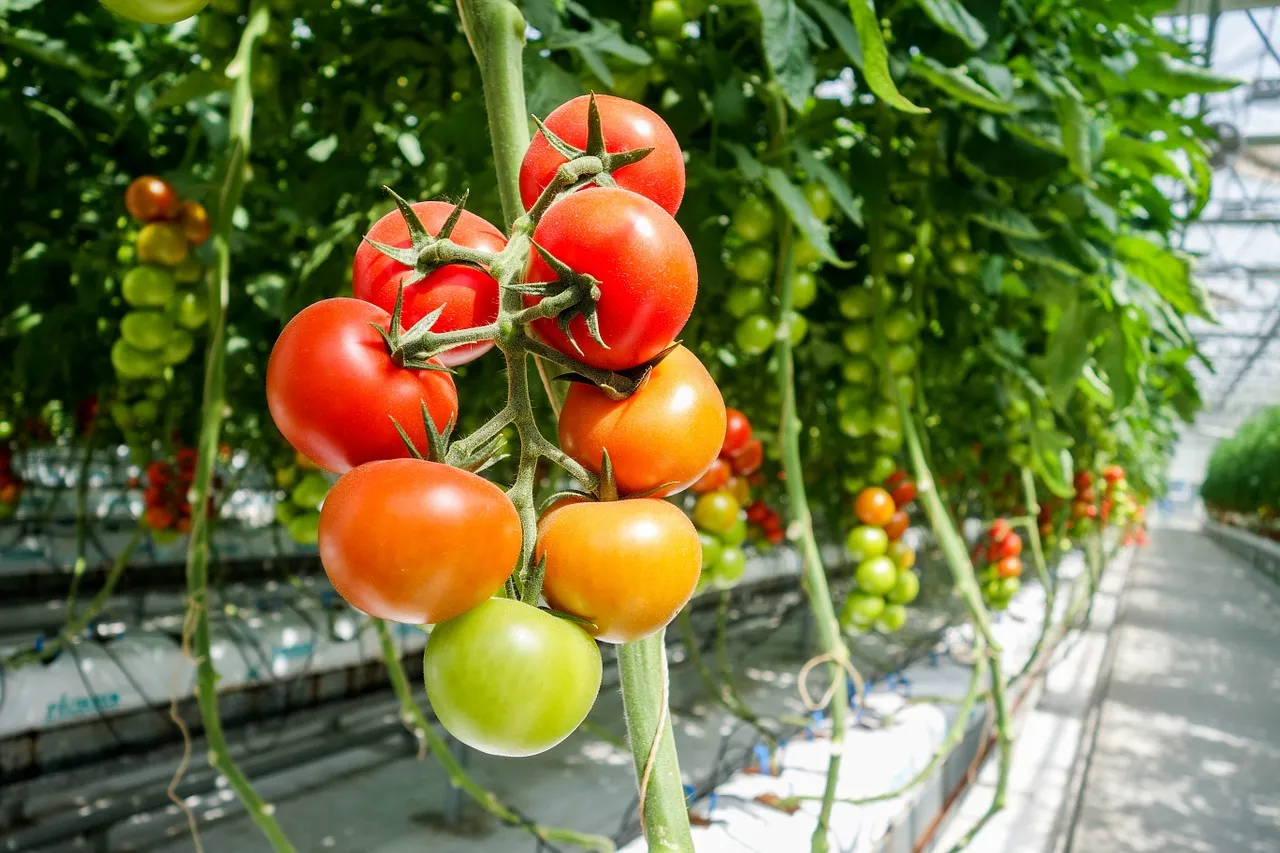
East Anglia greenhouses to be heated by waste heat
This BBC story looks at a new initiative to heat greenhouses in East Anglia using waste heat from nearby water treatment plants. According to the story, the technology could reduce greenhouse gas emissions from heating greenhouses as well as reduce reliance on imported produce.
Read
Image
News and resources
The environmental impacts of intensive and extensive systems
This piece, part of the Oxford Livestock, Environment and People (LEAP) programme’s Controversies series, explores the arguments and evidence around the environmental impacts of intensive feedlot systems versus extensive grazing systems.
Read
Image
Books
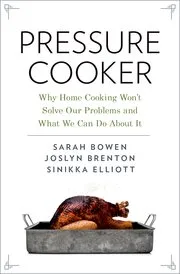
Why home cooking won't solve our problems
This book uses nine case studies to argue that promoting home-cooked meals as a solution to social and environmental food system problems risks placing a disproportionate burden on individual families, in particular mothers.
Read
Image
Reports
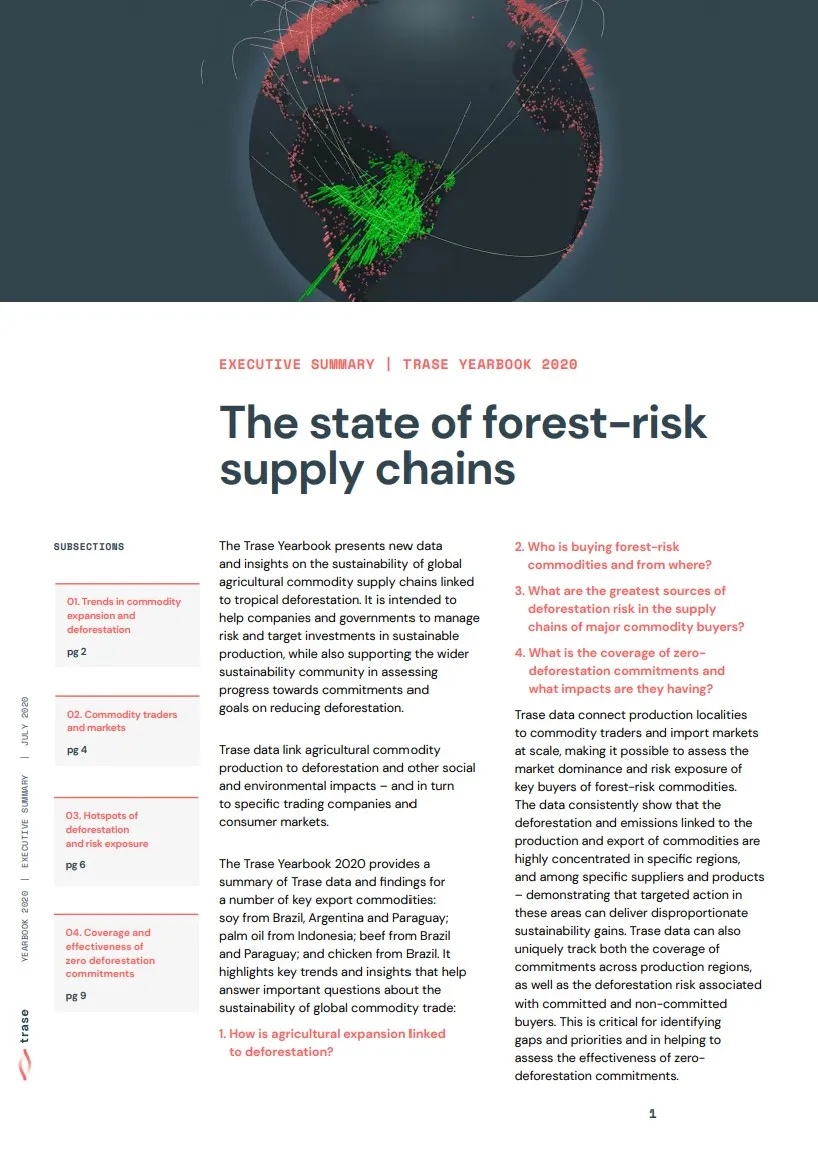
Trase Yearbook 2020: The state of forest-risk supply chains
Trase - a partnership between the Stockholm Environment Institute and Global Canopy - has published its 2020 yearbook, which reviews deforestation in supply chains for commodities such as soy, beef, chicken and palm oil and examines the effectiveness of zero-deforestation commitments.
Read
  • VIEW MORE

Sign up for Fodder, our monthly newsletter unpacking the future of food.

Tick below to opt-in to email communications.

You can change your mind at any time by clicking the unsubscribe link in the footer of any email you receive from us, or by contacting us at info@tabledebates.org.

We use Mailchimp as our marketing platform. By clicking below to subscribe, you acknowledge that your information will be transferred to Mailchimp for processing. Learn more about Mailchimp's privacy practices.
  • Glossary
  • About
  • Our Writing
  • Podcasts
  • Resources

Social

YouTube Facebook Instagram

© Copyright 2025

A collaboration between: