Close
Login Register
Search
  • About
    • What We Do
    • Who We Are
    • FAQs
  • Our Writing
    • Explainers
    • Essays
    • Letterbox
    • Reports & More
  • Podcasts
  • Our Events
  • Projects
    • Power In The Food Systems
    • Local-Global Scale Project
    • MEAT: The Four Futures Podcast
    • Fuel To Fork
    • Nature
    • Reckoning with Regeneration
    • SHIFT
    • Games at TABLE
    • Rethinking the Global Soy Dilemma
  • Resources
  • Opportunities
    • Jobs
    • Funding
    • Courses
    • Collaborations
    • Events
  • Newsletter
  • TABLE (EN)
Search
Back

TABLE

Image
Plating up Progress
Reports
More supermarkets setting healthy food sales targets
Plating Up Progress, a project run by the UK charity The Food Foundation, has published its 2021 report, which analyses how various UK food sectors are performing on health, environmental and social inclusion issues. 
Read
Image
Image: Lernestorod, Soft drink soda, Pixabay, Pixabay Licence
Journal articles
Sugar taxes work - but only when mentioned on the label
This article studies the effects of a tax on sales of sugar-sweetened beverages (SSBs) and finds that it matters whether or not the tax is mentioned on the label. While a sugar tax alone had little effect on SSB sales on a university campus in San Francisco, adding the phrase “Includes SF Sugary Drink Tax” resulted in lower sales than when the tax was not mentioned. 
Read
Image
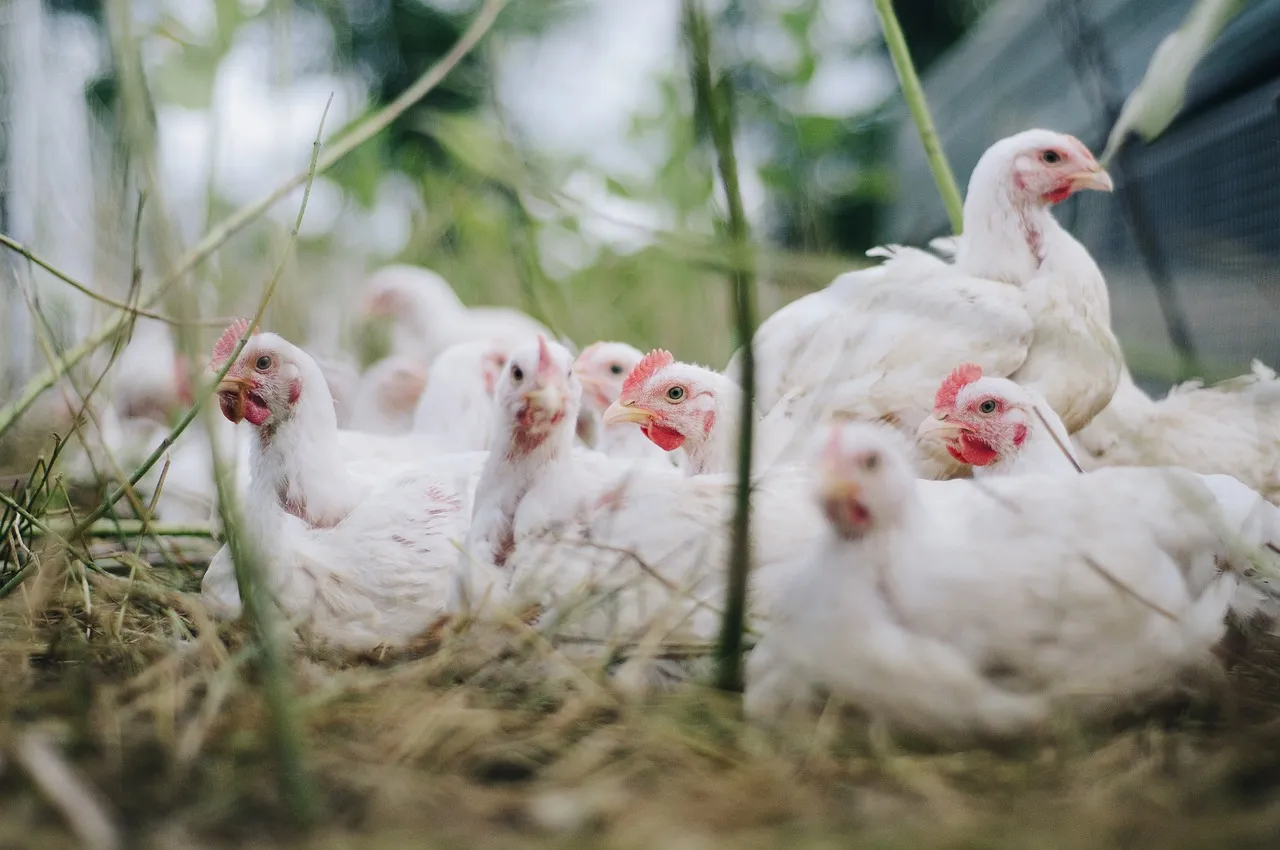
Image: bohdanchreptak, Chicken bird hen, Pixabay, Pixabay Licence
Journal articles
Trends in UK meat consumption
This study, published by the Wellcome Trust-funded Livestock, Environment and People (LEAP) programme at Oxford, finds that average meat consumption per person in the UK has fallen from 103.7 g per day in 2008 to 86.3 g per day in 2019 (a 17% decrease). This encompasses a decrease in red meat consumption (13.7 g/day), a decrease in processed meat consumption (7.0 g/day) and an increase in white meat consumption (3.2 g/day).
Read
Image
Image: TranDuyet, Farmers rice fields, Pixabay, Pixabay Licence
Journal articles
The UNFSS and the battle over authority and legitimacy
This article examines different visions about how global food systems should be governed, focusing on two main areas of contestation: authority and legitimacy. The authors use the United Nations Food Systems Summit (and its historical context) as a starting point for discussion; the 2021 UNFSS was heavily criticised by the food sovereignty movement for its perceived links to large corporations, philanthropic organisations and powerful states.
Read
Image
Agriculture, Nutrition and Health (ANH) Academy
News and resources
Database: Teaching resources on agriculture, nutrition & health
The Agriculture, Nutrition and Health (ANH) Academy curates a database of teaching resources on interdisciplinary agriculture, nutrition and health topics, including journals, online courses, lecture slides, games, infographics and other recommended reading.
Read
Image
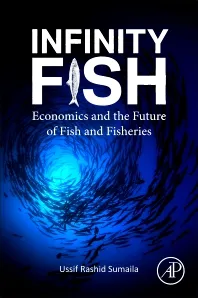
Infinity Fish: Economics and the Future of Fish and Fisheries
Books
Infinity Fish: Economics and the Future of Fish and Fisheries
This book explores the economic aspects of conserving marine resources such as fisheries. It includes case studies as well as examples of applying cost-benefit analyses.
Read
Image
The Politics of Food Provisioning in Colombia
Books
The Politics of Food Provisioning in Colombia
This book uncovers the conflicts and politics of food provisioning in Colombia: who produces what and where, and with what socio-economic effects. The book explains the re-emergence of national agrarian movements, their contestation of the dominant development narratives and their engagement in discussions about food sovereignty with the state.
Read
Image
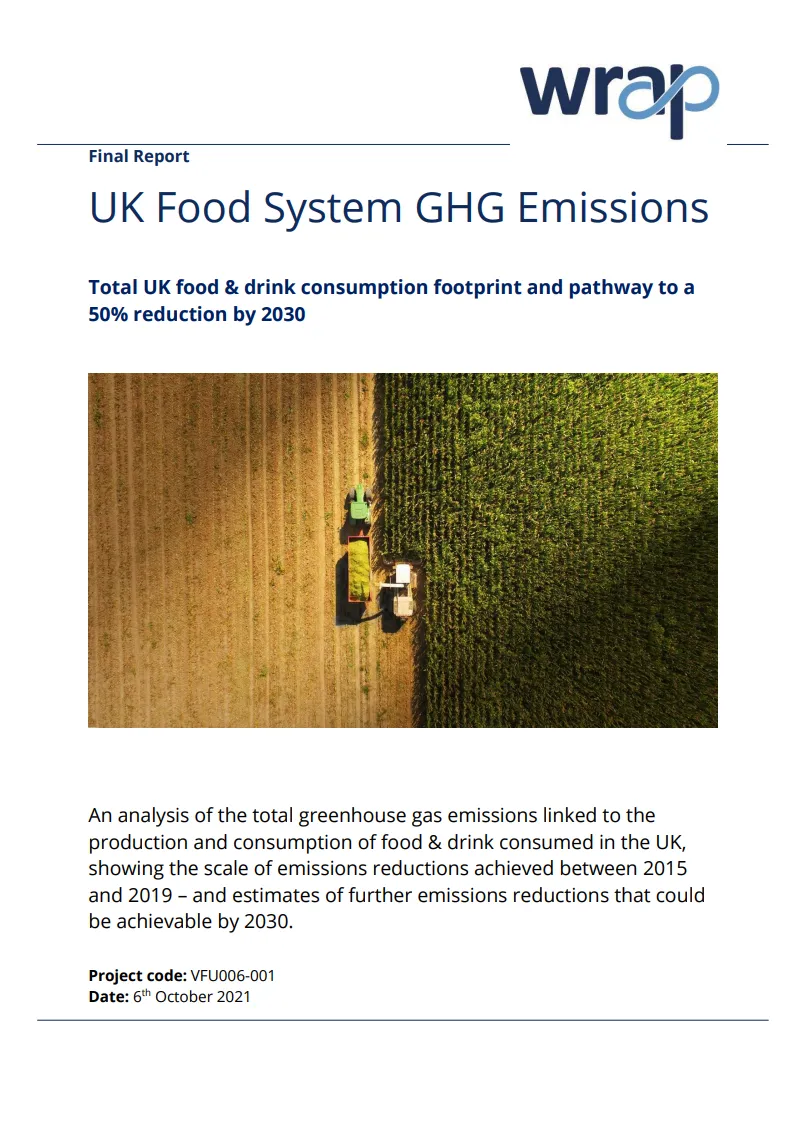
Mapping the UK food system’s GHG emissions
Reports
Mapping the UK food system’s GHG emissions
This report from UK charity WRAP, co-authored by TABLE member Hamish Forbes, provides a comprehensive mapping of the carbon footprint of UK food and drink consumption, building up a detailed sector-by-sector analysis of where emissions arise and how that has changed from 2015 to 2019. Showing the importance of the food sector in achieving net zero targets, it finds that a 50% reduction in the UK’s food-related emissions by 2030 (compared to 2015) is possible, but only if urgent action is taken.
Read
Image
Serving Better: A guide for local authorities
Reports
Serving Better: A guide for local authorities
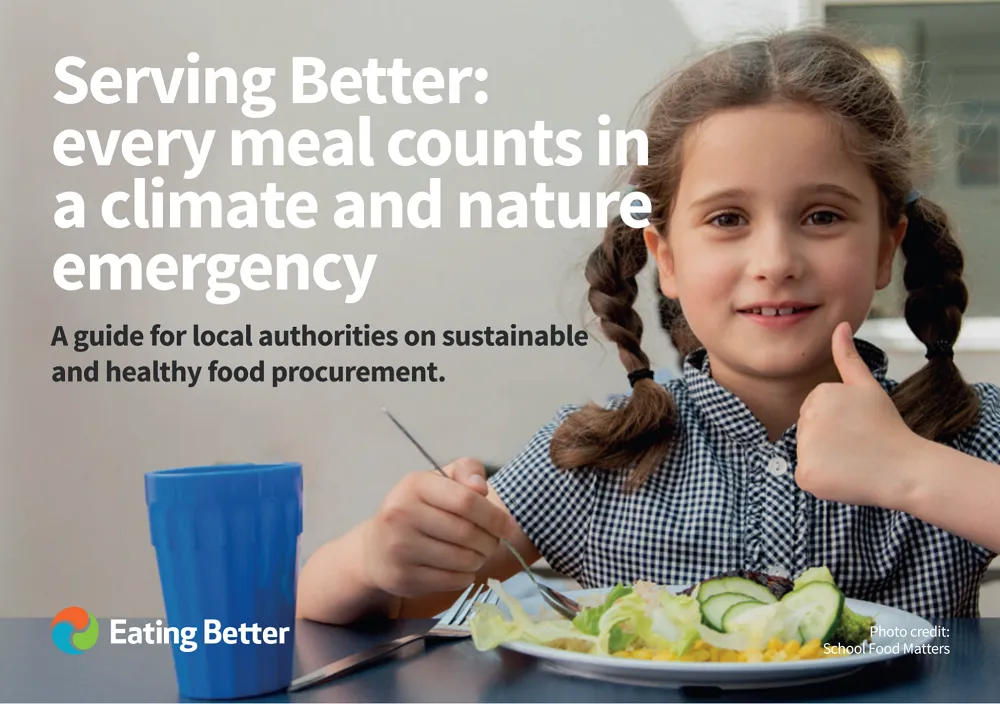
This report from UK NGO Eating Better offers guidance for local authorities on how to source and serve healthier, more sustainable meals, for example in schools. It focuses on meat and dairy and proposes a 25% reduction in the amount of meat (of all types) and dairy served by local authorities, as well as sourcing 25% of meat and dairy served from “better” production systems. “Better” in this case means farming that uses lower levels of antibiotics, emphasises local feed sources and promotes animal welfare. The higher costs of “better” meat and dairy can be offset by increased use of vegetables and plant protein.
Read
  • VIEW MORE

Sign up for Fodder, our monthly newsletter unpacking the future of food.

Tick below to opt-in to email communications.

You can change your mind at any time by clicking the unsubscribe link in the footer of any email you receive from us, or by contacting us at info@tabledebates.org.

We use Mailchimp as our marketing platform. By clicking below to subscribe, you acknowledge that your information will be transferred to Mailchimp for processing. Learn more about Mailchimp's privacy practices.
  • Glossary
  • About
  • Our Writing
  • Podcasts
  • Resources

Social

YouTube Facebook Instagram

© Copyright 2025

A collaboration between: