Close
Login Register
Search
  • About
    • What We Do
    • Who We Are
    • FAQs
  • Our Writing
    • Explainers
    • Essays
    • Letterbox
    • Reports & More
  • Podcasts
  • Our Events
  • Projects
    • Power In The Food Systems
    • Local-Global Scale Project
    • MEAT: The Four Futures Podcast
    • Fuel To Fork
    • Nature
    • Reckoning with Regeneration
    • SHIFT
    • Games at TABLE
    • Rethinking the Global Soy Dilemma
  • Resources
  • Opportunities
    • Jobs
    • Funding
    • Courses
    • Collaborations
    • Events
  • Newsletter
  • TABLE (EN)
Search
Back

TABLE

Image
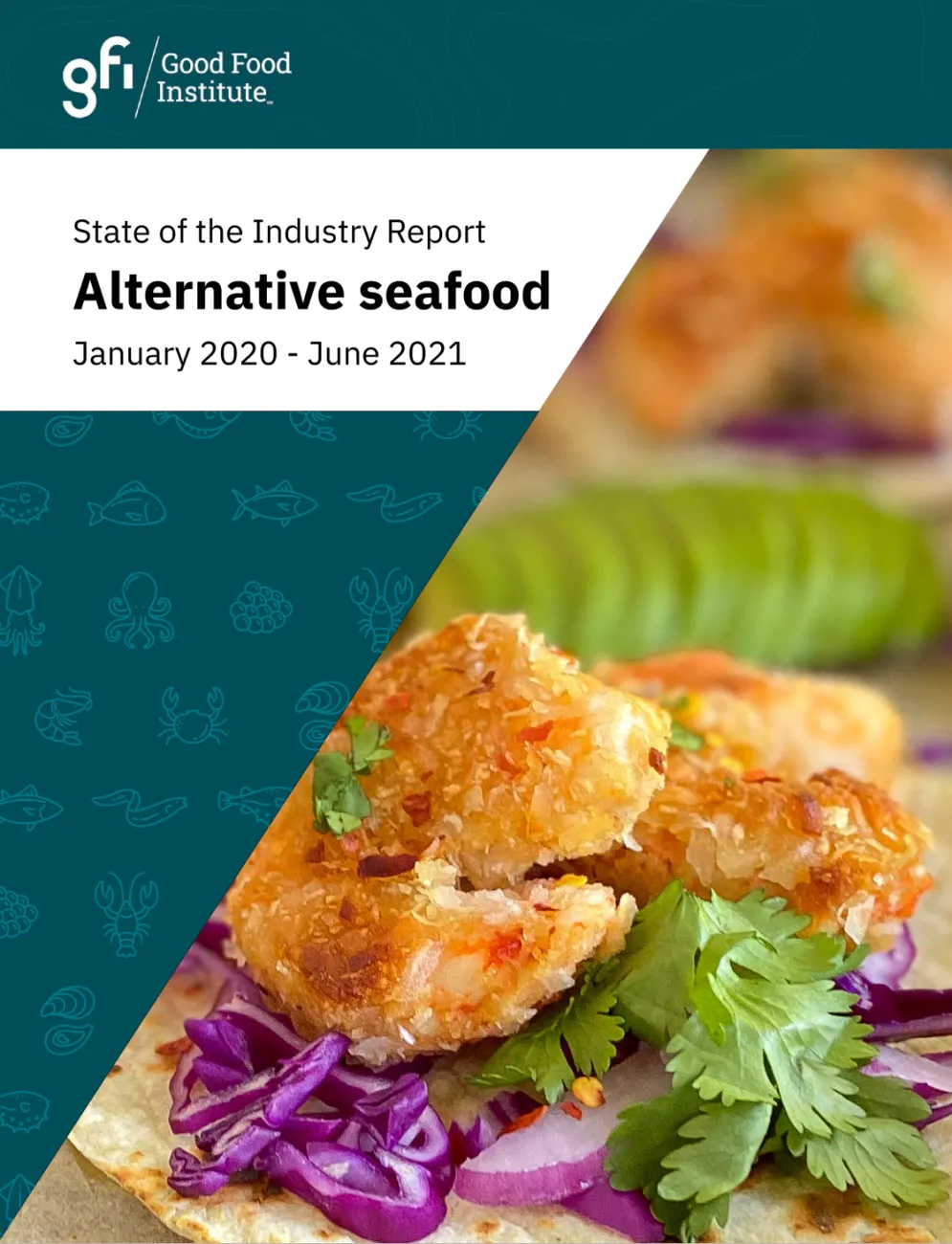
State of the Industry Report: Alternative seafood
Reports
State of the Industry Report: Alternative seafood
This report from the Good Food Institute sets out the current state of the growing seafood alternatives industry, covering the industry’s commercial landscape, investment, sales data, and consumer insights from January 2020 to June 2021. It includes plant-based, cellular agriculture and fermentation-based forms of seafood alternatives.
Read
Image
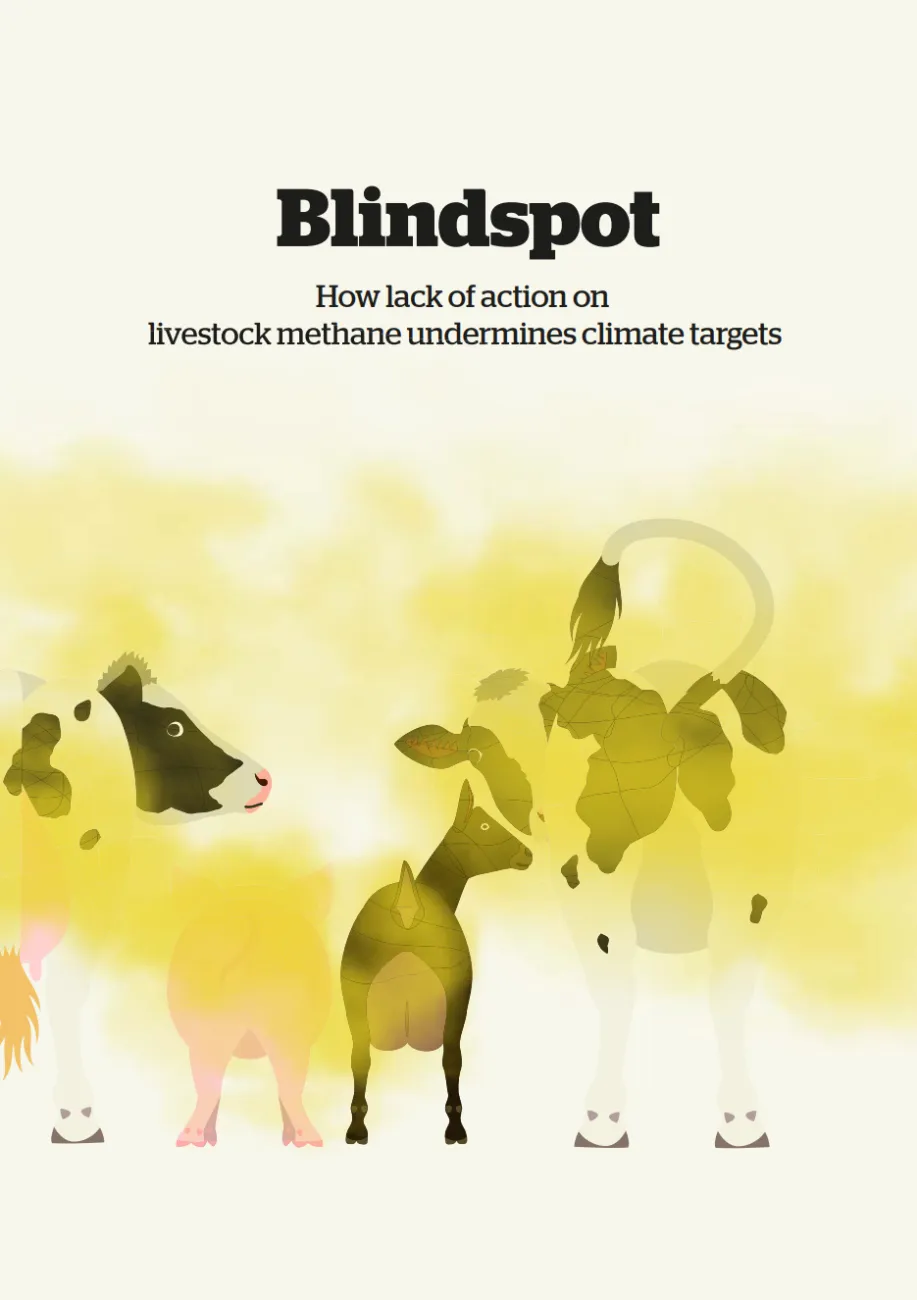
How lack of action on livestock methane undermines climate target
Reports
Cutting livestock methane key to achieving climate targets
This report from Dutch NGO the Changing Markets Foundation argues that a lack of attention to reducing methane emissions puts the world at greater risk of reaching climate tipping points. It analyses the climate commitments of the 18 countries with the biggest meat and dairy industries, as well as the largest meat and dairy companies worldwide, and finds that neither governments nor corporations are taking sufficient action on cutting methane emissions.
Read
Image
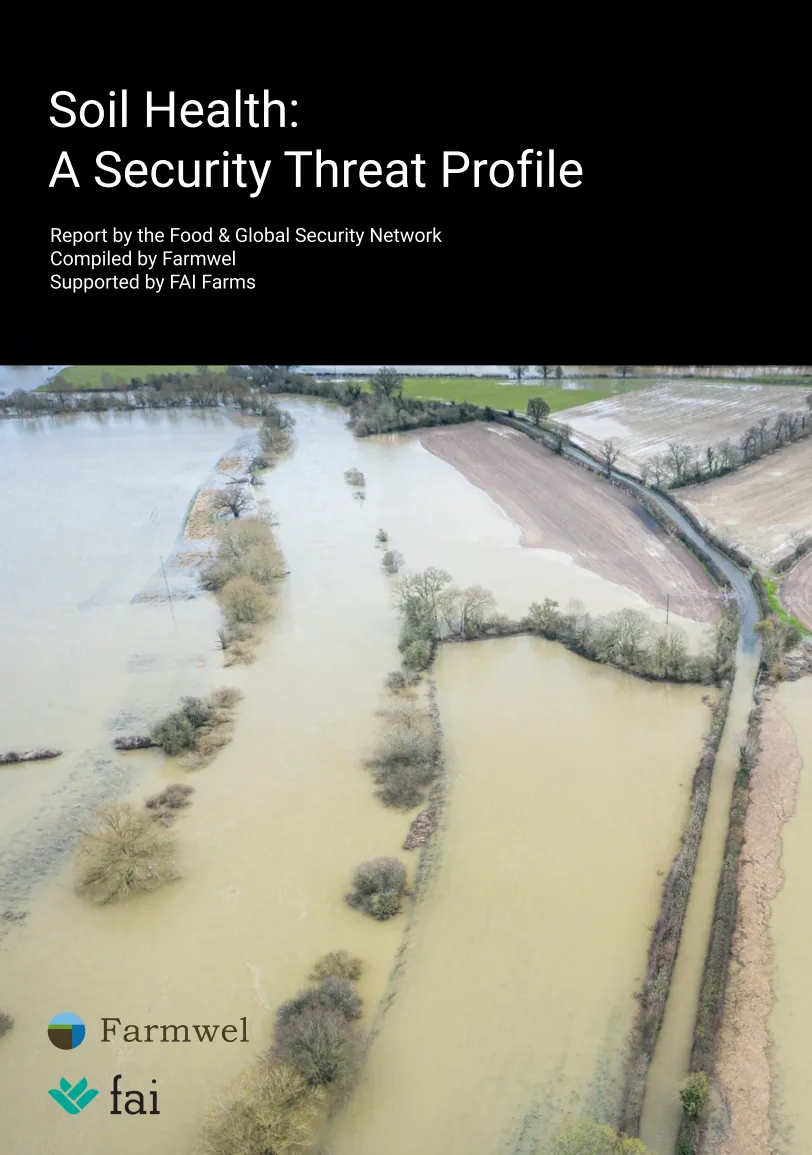
Soil health: a security threat profile
Reports
Soil health: a security threat profile
This report by the Food & Global Security Network, a project of Farmwel and FAI Farms, argues that soil health should be recognised as a security issue and therefore also addressed by defence departments within governments. It argues that agroecology and regenerative farming are viable options for producing food while mitigating the security threats of poor soil health.
Read
Image
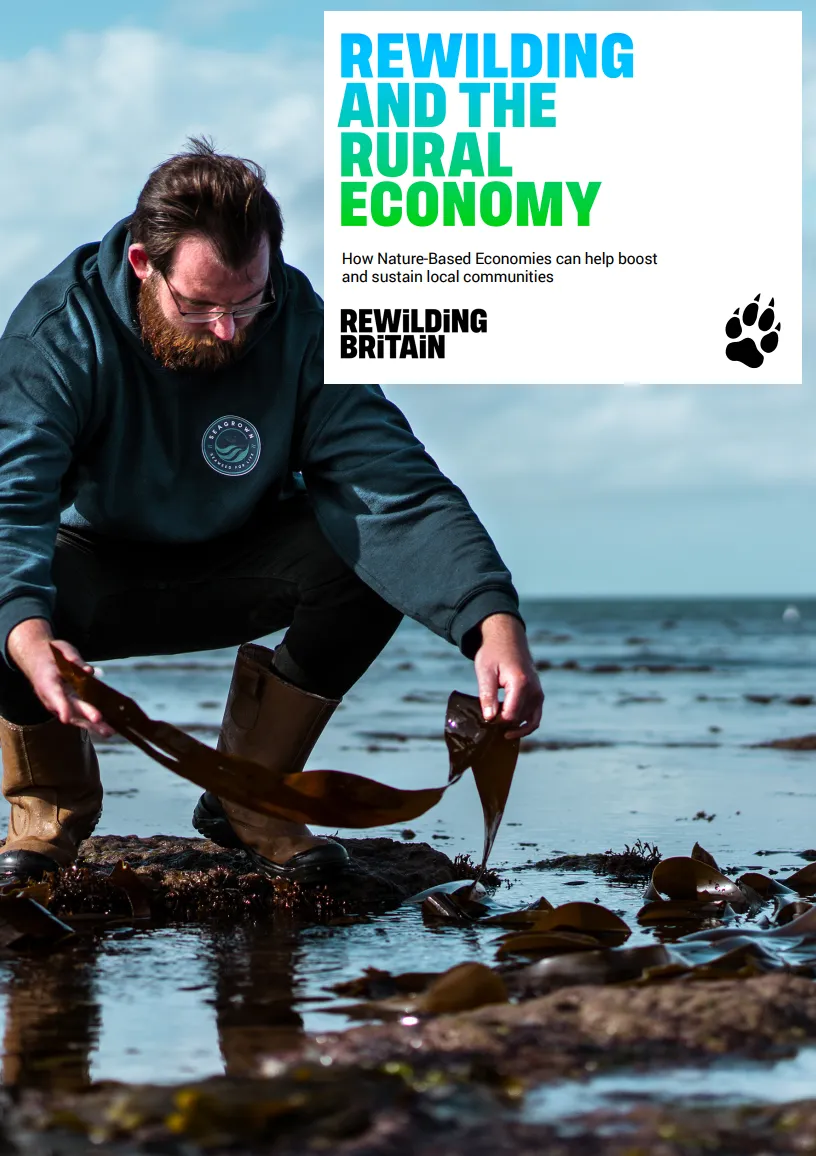
Rewilding and the rural economy
Reports
Rewilding and the rural economy
This report by charity Rewilding Britain argues that large-scale rewilding in the UK can support employment in the form of localised Nature-Based Economies, which it proposes should cover 30% of the UK by 2030. These Nature-Based Economies would consist of core rewilding areas covering 5% of the land, and regenerative areas covering 25% of the land.
Read
Image
Image: Shirley810, Candies gummies sweets, Pixabay, Pixabay Licence
Journal articles
Ultra-processed food consumption rising among US adults
This paper finds that consumption of ultra-processed foods - as defined by the NOVA food classification system - has risen from 53.5% to 57.0% of calorie intake among adults in the United States, over the time period 2001 to 2018. Consumption of minimally processed foods has fallen from 32.7% to 27.4% of caloric intake over the same period. It also assesses these trends by social factors including age, sex, ethnicity, education and income.
Read
Image
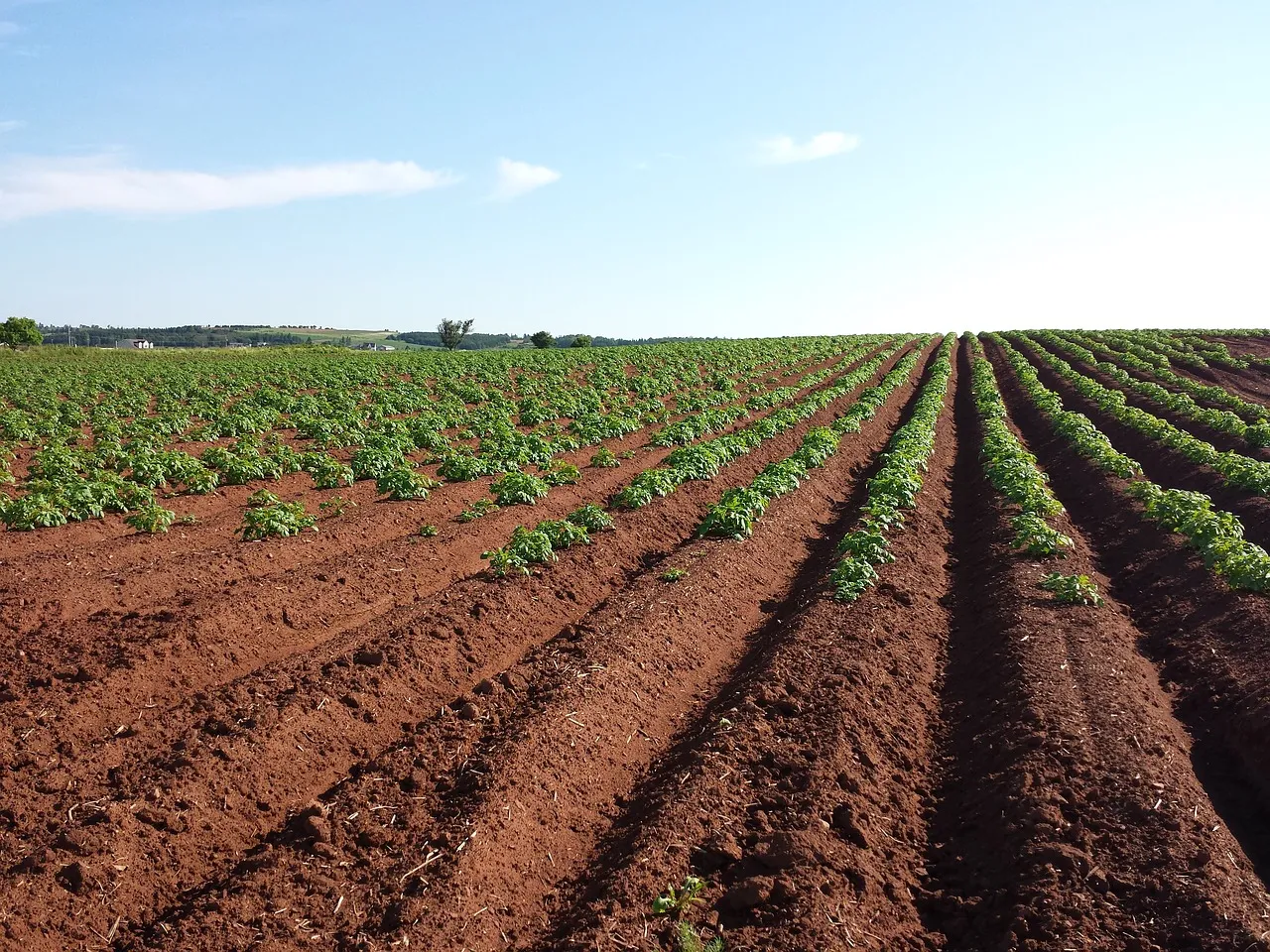
Image: meganelford0, Potato field crops, Pixabay, Pixabay Licence
Journal articles
Net effects of conservation agriculture principles
This paper reviews the evidence around the performance of various strategies used within conservation agriculture with respect to crop production, soil and water conservation, and carbon sequestration. It finds that no-till farming leads to an average decrease of 1.9% in crop yield, while residue retention leads to an average increase of 8.2% in crop yield. 
Read
Image
Image: jggrz, Forest moss sapling, Pixabay, Pixabay Licence
Journal articles
Land‐based measures to mitigate climate change
This paper quantifies the greenhouse gas mitigation potential, cost and feasibility of land-based climate measures such as forest protection, carbon sequestration through agriculture, bioenergy, reducing food waste and shifting to healthy sustainable diets. Across 250 countries and regions, the paper finds that cost-effective measures (defined as those costing up to $100/tCO2eq.) could mitigate 8–13.8 GtCO2eq yr−1 between 2020 and 2050. For context, emissions from Agriculture, Forestry and other Land Uses (AFOLU) were ~12 GtCO2eq yr−1 between 2007 and 2016.
Read
Image
Forum for the Future
News and resources
Redefining farming as land stewardship
This blog post by Caroline Ashley of Forum for the Future argues that we need to reframe our ideas about what farming is: away from the idea of farmers as producers of a specific crop, and towards a concept for farming as land stewardship with farms receiving multiple income streams including payments for ecosystem services.
Read
Image
Food Research Collaboration
News and resources
Where now after the UN Food Systems Summit?
Tim Lang of the Centre for Food Policy reflects on the UN Food Systems Summit, which took place on 23 September 2021, in this blog post published by the Food Research Collaboration. Lang suggests that the most significant outcome of the Summit might be an “omni-framework” approach, i.e. assessing and measuring food systems on multiple fronts including diets, environment and climate, livelihoods, resilience, governance and so on. 
Read
  • VIEW MORE

Sign up for Fodder, our monthly newsletter unpacking the future of food.

Tick below to opt-in to email communications.

You can change your mind at any time by clicking the unsubscribe link in the footer of any email you receive from us, or by contacting us at info@tabledebates.org.

We use Mailchimp as our marketing platform. By clicking below to subscribe, you acknowledge that your information will be transferred to Mailchimp for processing. Learn more about Mailchimp's privacy practices.
  • Glossary
  • About
  • Our Writing
  • Podcasts
  • Resources

Social

YouTube Facebook Instagram

© Copyright 2025

A collaboration between: