Close
Login Register
Search
  • About
    • What We Do
    • Who We Are
    • FAQs
  • Our Writing
    • Explainers
    • Essays
    • Letterbox
    • Reports & More
  • Podcasts
  • Our Events
  • Projects
    • Power In The Food Systems
    • Local-Global Scale Project
    • MEAT: The Four Futures Podcast
    • Fuel To Fork
    • Nature
    • Reckoning with Regeneration
    • SHIFT
    • Games at TABLE
    • Rethinking the Global Soy Dilemma
  • Resources
  • Opportunities
    • Jobs
    • Funding
    • Courses
    • Collaborations
    • Events
  • Newsletter
  • TABLE (EN)
Search
Back

TABLE

Image
Image: klimkin, Chickens birds poultry, Pixabay, Pixabay Licence
Journal articles
Do European think tanks link meat with climate change?
This paper analyses how over 100 European think tanks talk about the links between animal-sourced foods and climate change, seeking to understand how they have influenced policymakers’ attitudes to the issue. It argues that the failure of many think tank documents to link the two issues contributes to a wider lack of attention to the environmental impacts of diets.
Read
Image
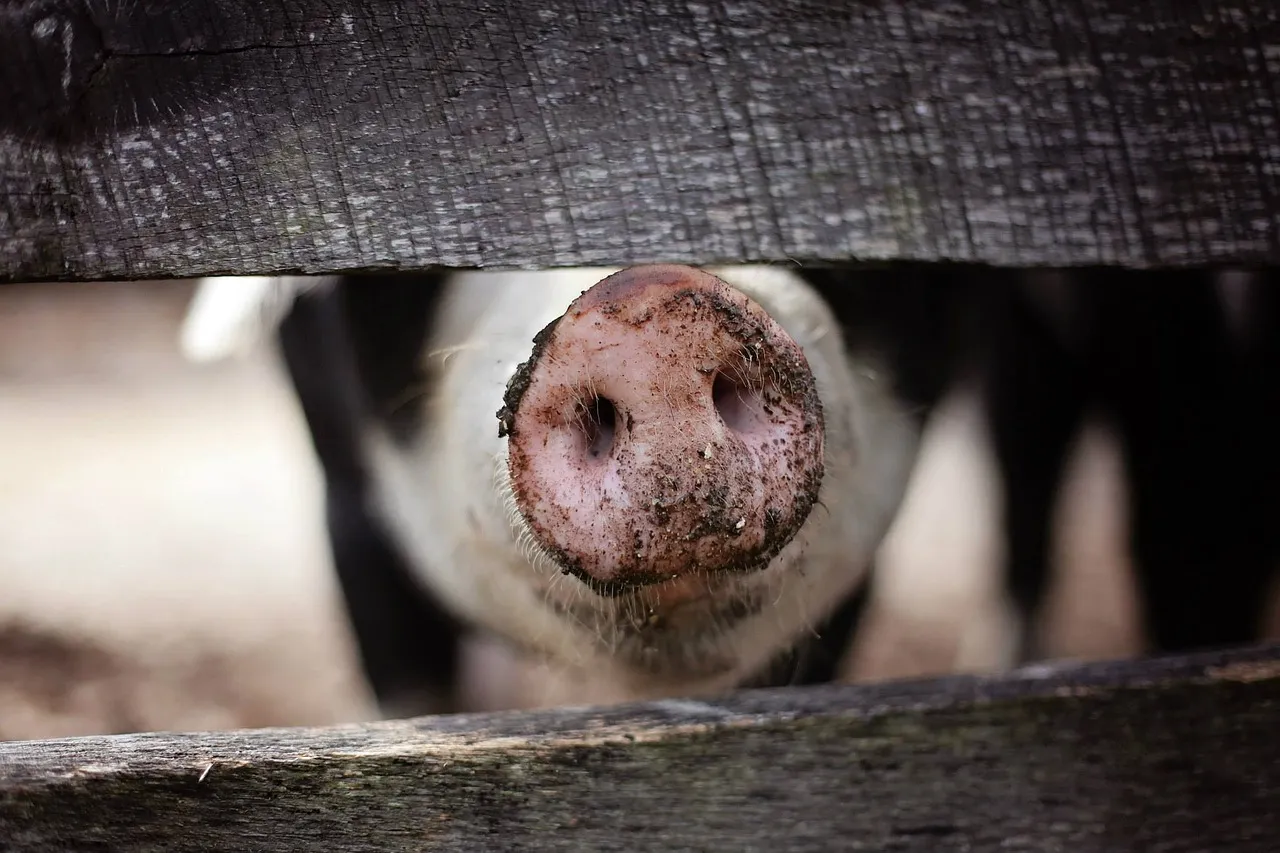
Image: Pexels, Pig snout nose, Pixabay, Pixabay Licence
Journal articles
From rituals to laws: animal slaughter in Norway
This paper explores the changing relationship between people and animal slaughter in Norway since the early 20th century. It argues that a broad shift has occurred away from rituals that make animal slaughter meaningful and socially acceptable, and towards a “judicialisation” of animal slaughter - meaning that laws, rather than rituals, now regulate animal deaths. The authors argue that while the increased importance of regulation has contributed to stricter animal welfare practices, it also alienates consumers from the animals they eat.
Read
Image
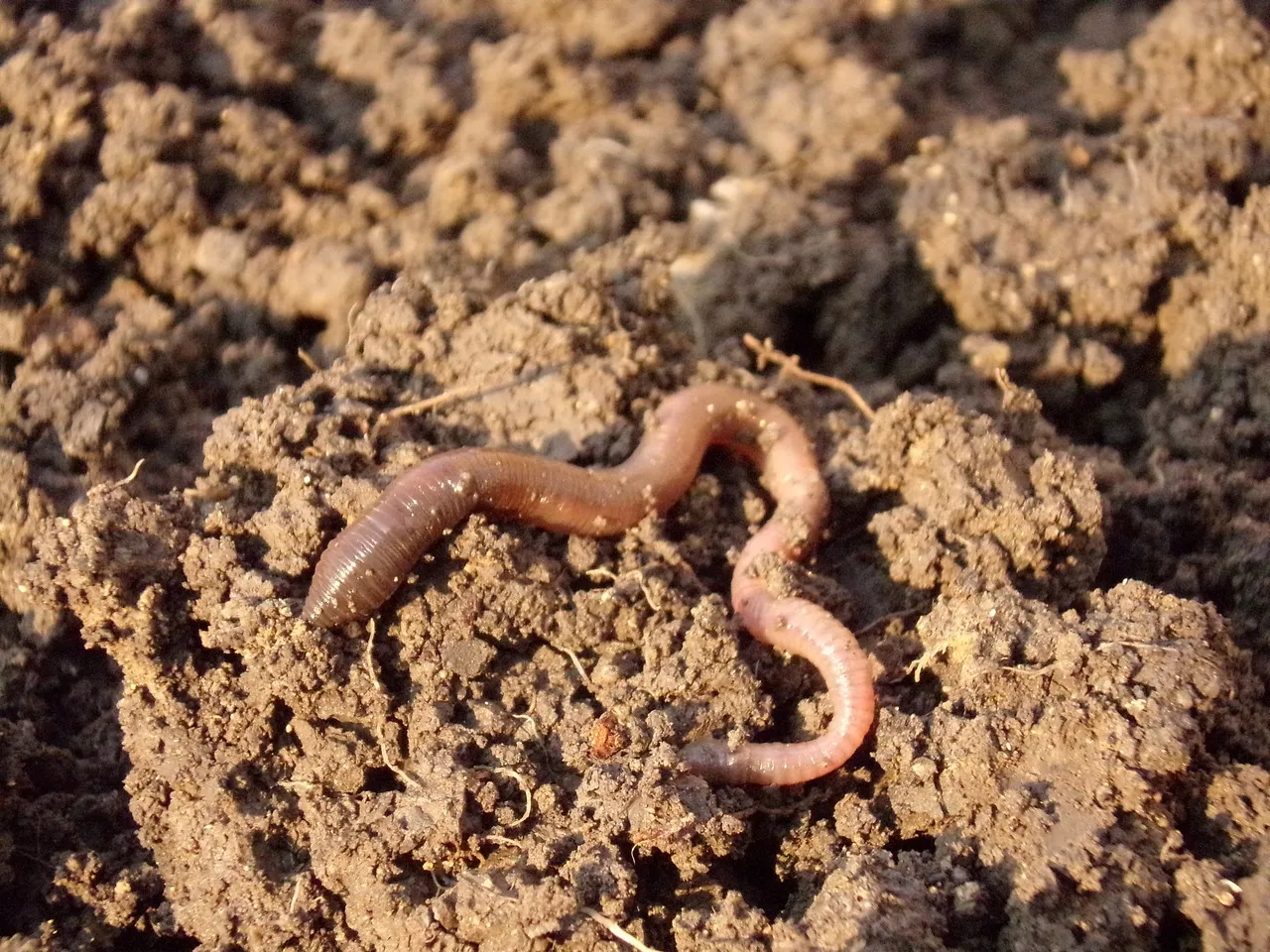
Image: Natfot, Earthworm soil, Pixabay, Pixabay Licence
Journal articles
Climate warming could reduce diversity of soil microbes
The importance of soil health for producing food and the complexity of life found within soil are increasingly visible in food systems debates. This paper investigates how the diversity of microbes within soils may be affected by warming climates.
Read
Image
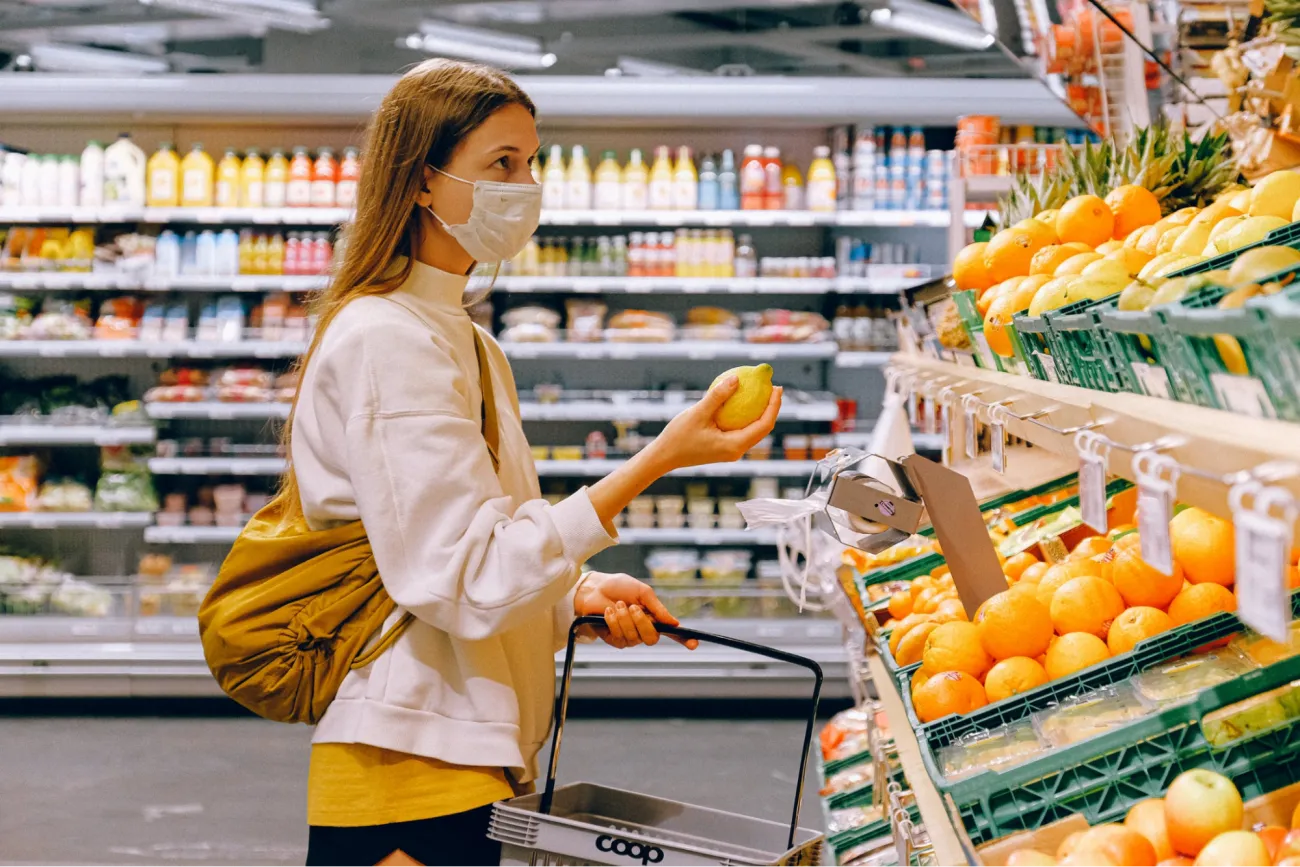
Image: Anna Shvets ,Woman in yellow Tshirt, Pexels, Pexels Licence
Journal articles
Implementing environmental labelling of food products in France
This paper, co-authored by TABLE community member Hayo van der Werf, discusses which environmental issues, data, methods, formats and so on should be used in the environmental labelling of food in France. The motivation for the paper was to consider how the French government’s recent requirements to introduce environmental food labelling can provide relevant information that is feasible to gather.
Read
Image
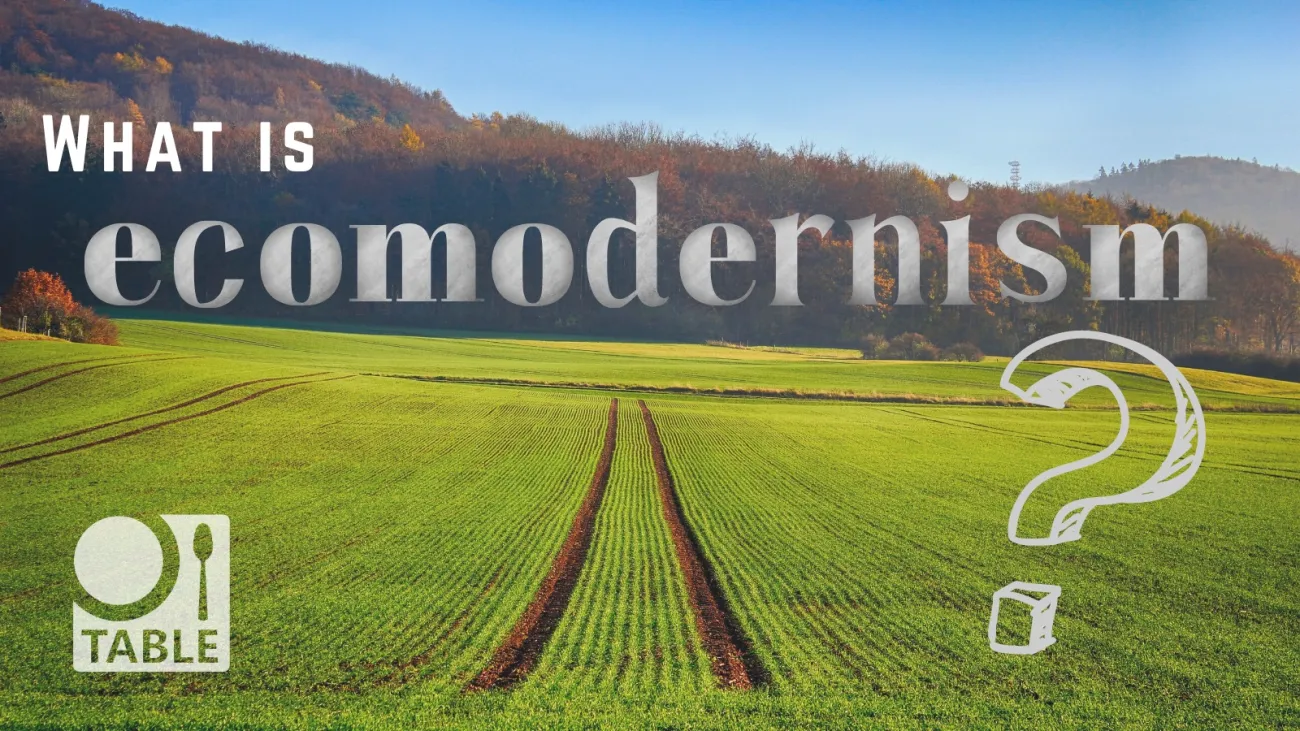
A field with tractor tracks through the middle extends into the distance, with a forest in the distance. The text asks "What is ecomodernism?"
Event recording
Event recording: What is ecomodernism?
This event was hosted by TABLE on 15 June 2022 and took the format of a panel discussion with: Dr Tara Garnett (director of TABLE and fellow of the Oxford Martin School); Helen Breewood, research & communications officer at TABLE & author of the explainer on ecomodernism; Linus Blomqvist, co-author of the Ecomodernist Manifesto, former director of the Conservation and Food & Agriculture programmes at the Breakthrough Institute & PhD candidate in Environmental Economics and Science at University of California, Santa Barbara; Sam Bliss, PhD candidate in natural resources at the University of Vermont's Gund Institute for Environment & president of DegrowUS.
Read
Image
GreenBiz
News and resources
Three alternative protein critiques, explained
This article in Greenbiz explains and discusses three common concerns about plant-based meat alternatives: that many alternative protein startups do not disclose their product’s environmental impacts; that alternative proteins are unhealthy because they are highly processed; and that alternative protein startups fail to disrupt the power structures of the economic status quo.
Read
Image
Our World in Data
News and resources
Total agricultural land use has peaked, while croplands expand
The global extent of farmland has peaked and is declining, according to this data visualisation from Our World in Data. The visualisation compares three different sets of data, which disagree on the total extent of agricultural land but which all agree that the peak occurred somewhere between 1990 and 2000. The decline in land use comes from pasture; croplands, on the other hand, are still expanding. In part, the decline in pasture extent is caused by a shift towards intensive grain-fed livestock rearing methods.
Read
Image
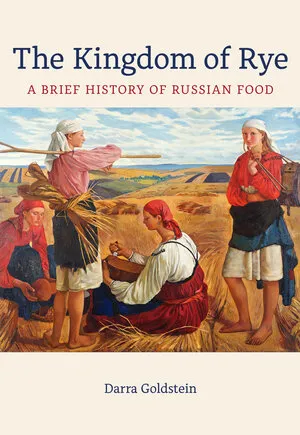
The Kingdom of Rye
Books
The Kingdom of Rye
This history of Russia’s cuisine looks at the links between food and hunger, climate, politics, and social structures.
Read
Image
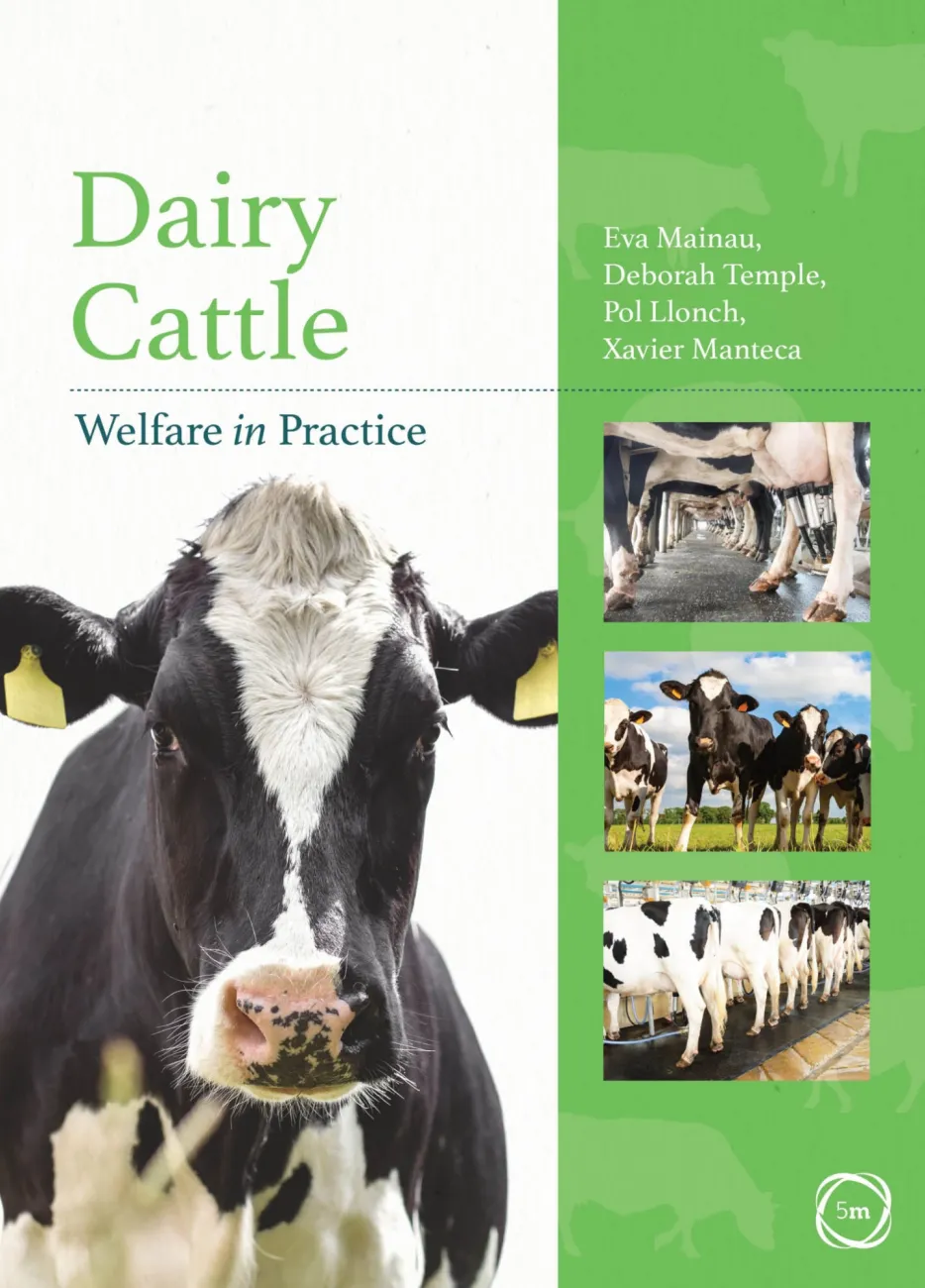
Dairy Cattle Welfare in Practice
Books
Dairy Cattle Welfare in Practice
Focusing on dairy cattle, this book explains the factors contributing to animal welfare, makes the business case for improving welfare, and sets out case studies linking welfare to increased productivity.
Read
  • VIEW MORE

Sign up for Fodder, our monthly newsletter unpacking the future of food.

Tick below to opt-in to email communications.

You can change your mind at any time by clicking the unsubscribe link in the footer of any email you receive from us, or by contacting us at info@tabledebates.org.

We use Mailchimp as our marketing platform. By clicking below to subscribe, you acknowledge that your information will be transferred to Mailchimp for processing. Learn more about Mailchimp's privacy practices.
  • Glossary
  • About
  • Our Writing
  • Podcasts
  • Resources

Social

YouTube Facebook Instagram

© Copyright 2025

A collaboration between: