Close
Login Register
Search
  • About
    • What We Do
    • Who We Are
    • FAQs
  • Our Writing
    • Explainers
    • Essays
    • Letterbox
    • Reports & More
  • Podcasts
  • Our Events
  • Projects
    • Power In The Food Systems
    • Local-Global Scale Project
    • MEAT: The Four Futures Podcast
    • Fuel To Fork
    • Nature
    • Reckoning with Regeneration
    • SHIFT
    • Games at TABLE
    • Rethinking the Global Soy Dilemma
  • Resources
  • Opportunities
    • Jobs
    • Funding
    • Courses
    • Collaborations
    • Events
  • Newsletter
  • TABLE (EN)
Search
Back

TABLE

Image
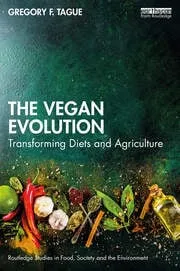
The Vegan Evolution: Transforming Diets and Agriculture
Books
The Vegan Evolution: Transforming Diets and Agriculture
This book argues in favour of using cultural change to shift human diets away from farmed meat and dairy products, on the grounds of health, environmental impact and animal welfare.
Read
Image
Tools to assess the sustainability of Food Hubs
Reports
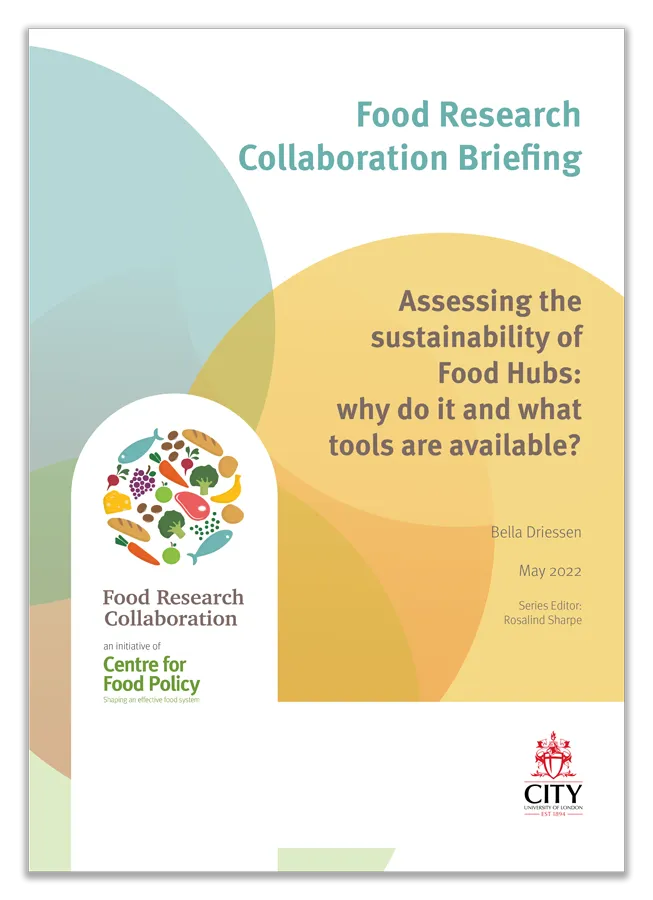
Tools to assess the sustainability of Food Hubs
The Food Research Collaboration sets out the tools available to measure the sustainability of “sustainable food hubs” - initiatives that source food from producers and sell it to customers while upholding certain sustainability principles. The tools include Better Food Traders membership and accreditation, an evaluation framework developed by the New Economics Foundation, a framework by Shared Assets for assessing local economic resilience, a social impact toolkit developed by several organisations, and the Sustainable Food Trust’s Global Farm Metric.
Read
Image
Creative finance for food systems transformation
Reports
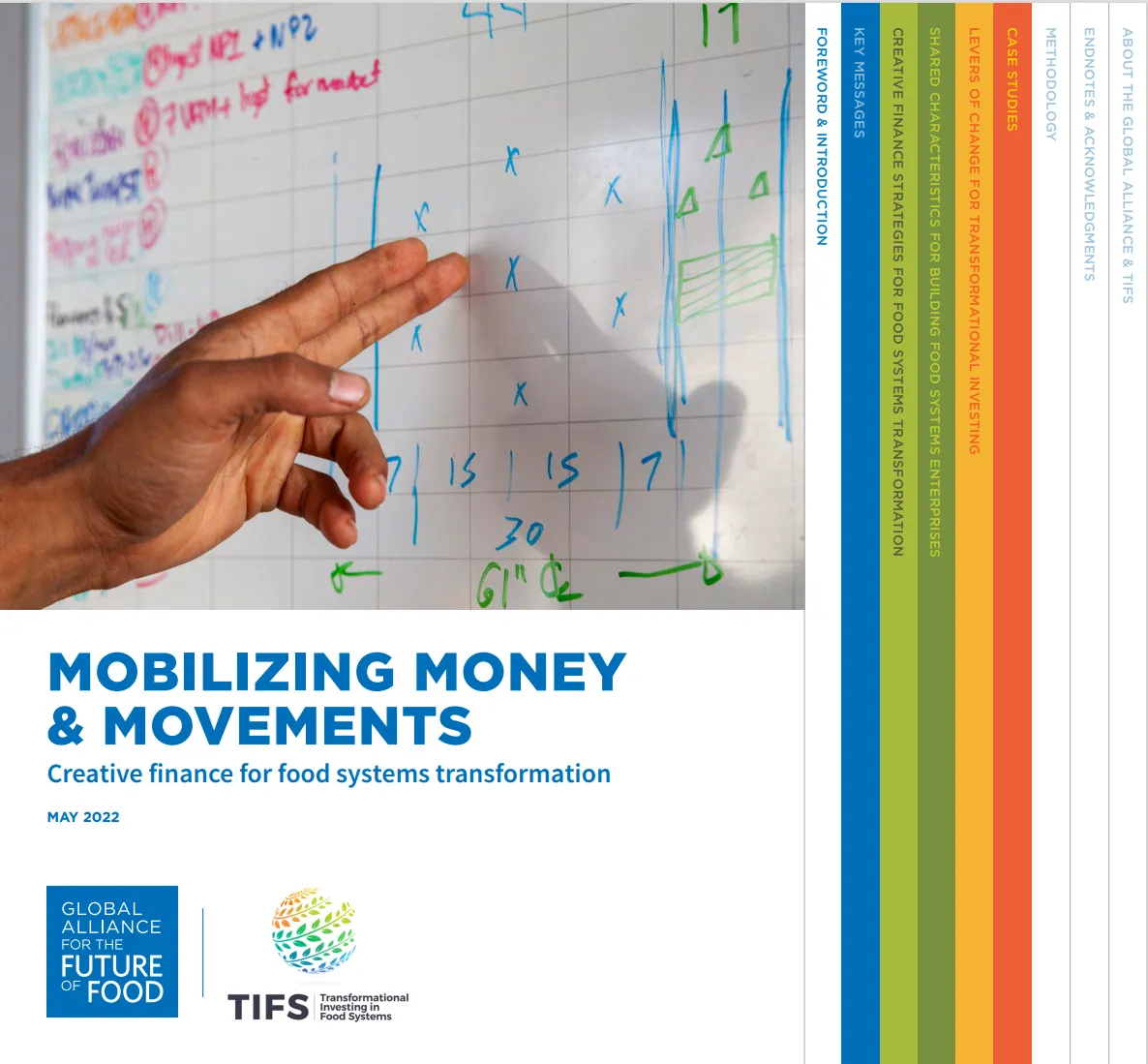
Creative finance for food systems transformation
This report by the Global Alliance for the Future of Food and Transformational Investing in Food Systems Initiative describes six case studies of food initiatives that have used unique investment strategies, such as a Mexican beekeeping cooperative that used loans from specialist agricultural and ethical banks that have lower interest rates than commercial banks. It also sets out five recommendations for how the investment community can support the transition to healthy, equitable food systems.
Read
Image
Image: AlainAudet, Autumn landscape, Pixabay, Pixabay Licence
Journal articles
How much land is needed to safeguard biodiversity?
To safeguard biodiversity, 44% of the global land area needs to be covered by conservation measures such as protected areas or land use policies, finds this paper. The proportion of land that must be conserved varies by country, with high values in countries such as Canada (84%, because of its extensive intact ecosystems), and Costa Rica (86%, because it hosts many species). On average, the calculated values show that more land should be conserved in developed economies (55%) than in developing economies (30%), partly due to large ecologically intact areas of Canada and Australia. The authors stress that any conservation policies must respect the rights of people living in the affected areas.
Read
Image
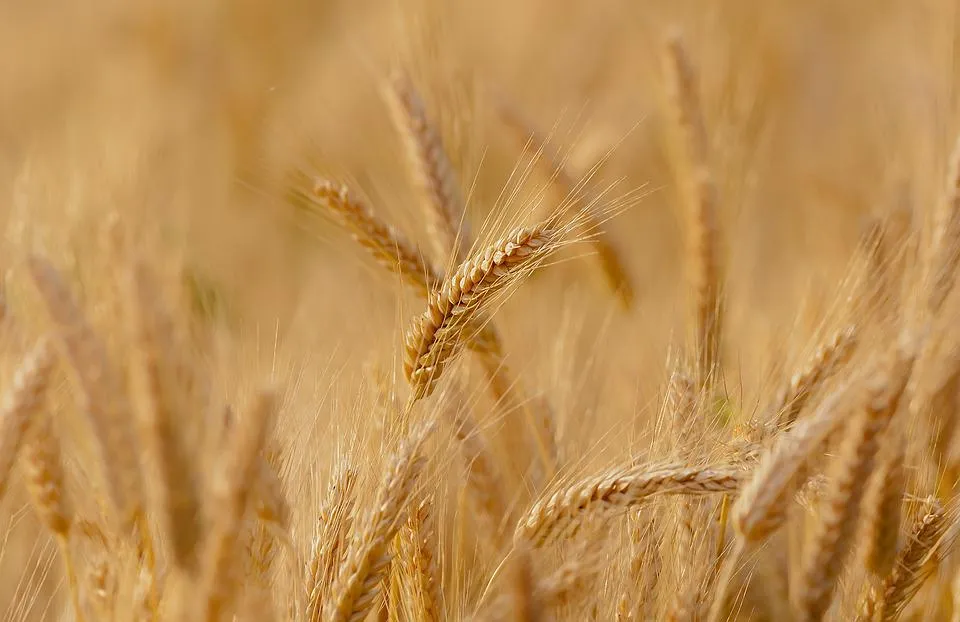
Image: Candiix, Wheat field, Pixabay, Pixabay Licence
Journal articles
Cutting NOx pollution could significantly raise crop yields
Using satellite imagery, this paper characterises the impacts of nitrogen oxide pollution on crop growth - a relationship which has remained poorly understood until now. Consistently negative impacts of nitrogen dioxide (NO2) on crop greenness (which is correlated with growth and yield) were found across five major agricultural regions. The authors estimate that crop yields could be increased by reducing nitrogen dioxide pollution.
Read
Image
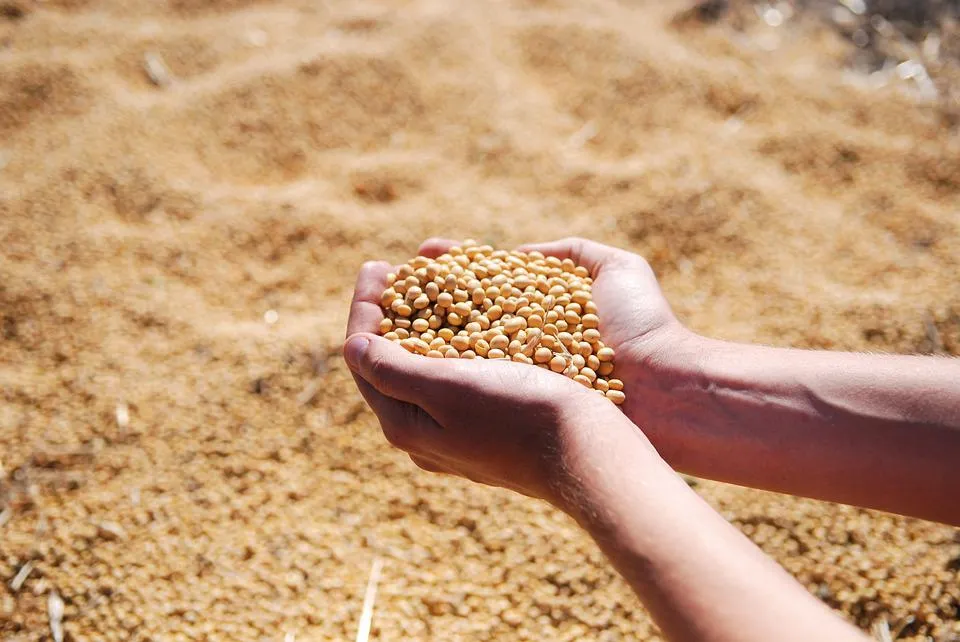
Image: 1737576, Soybean, Pixabay, Pixabay Licence
Journal articles
Land-use emissions embodied in international trade
Agricultural and forestry products that are traded internationally use around 22% of global agricultural land and account for 27% of global land-use emissions, according to this paper. Land-use emissions include those from both land use change, such as deforestation, and agricultural processes, such as from livestock’s digestive systems. Animal products account for the majority of land use but only 14 to 19% of net embodied emissions. One of the major trends observed between 2004 and 2017 was a decrease in Brazilian export to Europe and the US coinciding with an increase in Brazilian exports to China.
Read
Image
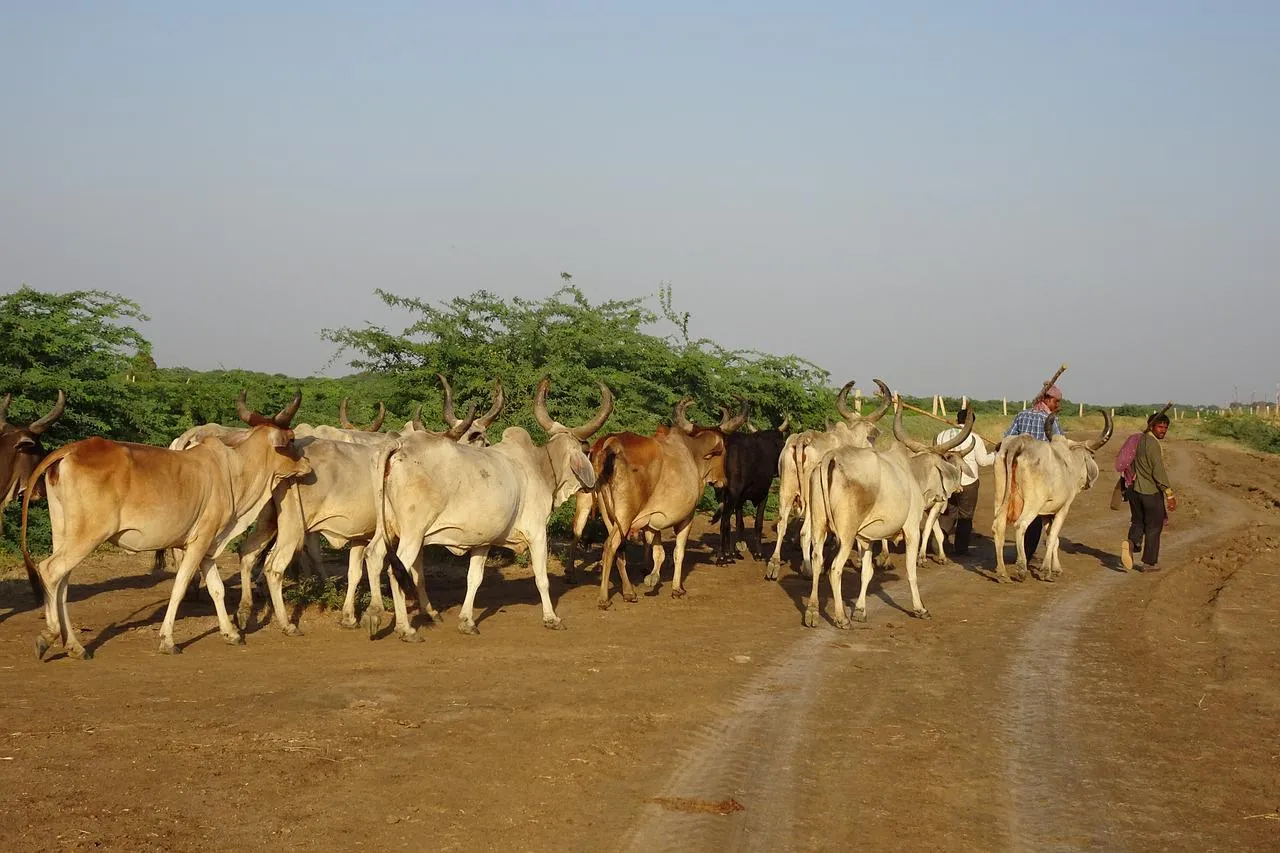
Image: sarangib, Cattle cows herd, Pixabay, Pixabay Licence
Journal articles
Questioning the numbers behind livestock methane
This paper examines how uncertainties and assumptions behind assessments of global livestock methane emissions play out as research is translated into policy. The authors argue that the simplification of emissions data (during the aggregation of life cycle analyses into global sectoral estimates) results in a misleading and narrow picture of ruminant livestock.
Read
Image
Food Research Collaboration
News and resources
Tim Lang's Field Notes: Finding hope in a food crisis
Professor Tim Lang reflects on the crises facing food systems locally, nationally and globally, including obesity and overweight, the Ukraine war, diet-related inequalities, declines in biodiversity, and volatile food prices. In this blog for the Food Research Collaboration, he points to reasons to be hopeful: that pressure is building on governments to produce coherent food policy; that the UK has an active movement of food researchers and NGOs; and that the belief that markets alone can resolve the food system’s challenges is growing weaker.
Read
Image
The Food Foundation
News and resources
Over 7 million adults miss meals in UK cost of living crisis
In April 2022, 7.3 million adults in the UK either had smaller meals or skipped meals, did not eat despite being hungry, or did not eat for a whole day because they could not afford or access food, according to new data from The Food Foundation. The number of people affected is higher than in January 2022, with The Food Foundation attributing the rise in food insecurity to rising food prices as well as higher energy bills, petrol prices and inflation (7% as of March 2022).
Read
  • VIEW MORE

Sign up for Fodder, our monthly newsletter unpacking the future of food.

Tick below to opt-in to email communications.

You can change your mind at any time by clicking the unsubscribe link in the footer of any email you receive from us, or by contacting us at info@tabledebates.org.

We use Mailchimp as our marketing platform. By clicking below to subscribe, you acknowledge that your information will be transferred to Mailchimp for processing. Learn more about Mailchimp's privacy practices.
  • Glossary
  • About
  • Our Writing
  • Podcasts
  • Resources

Social

YouTube Facebook Instagram

© Copyright 2025

A collaboration between: