Close
Login Register
Search
  • About
    • What We Do
    • Who We Are
    • FAQs
  • Our Writing
    • Explainers
    • Essays
    • Letterbox
    • Reports & More
  • Podcasts
  • Our Events
  • Projects
    • Power In The Food Systems
    • Local-Global Scale Project
    • MEAT: The Four Futures Podcast
    • Fuel To Fork
    • Nature
    • Reckoning with Regeneration
    • SHIFT
    • Games at TABLE
    • Rethinking the Global Soy Dilemma
  • Resources
  • Opportunities
    • Jobs
    • Funding
    • Courses
    • Collaborations
    • Events
  • Newsletter
  • TABLE (EN)
Search
Back

TABLE

Image
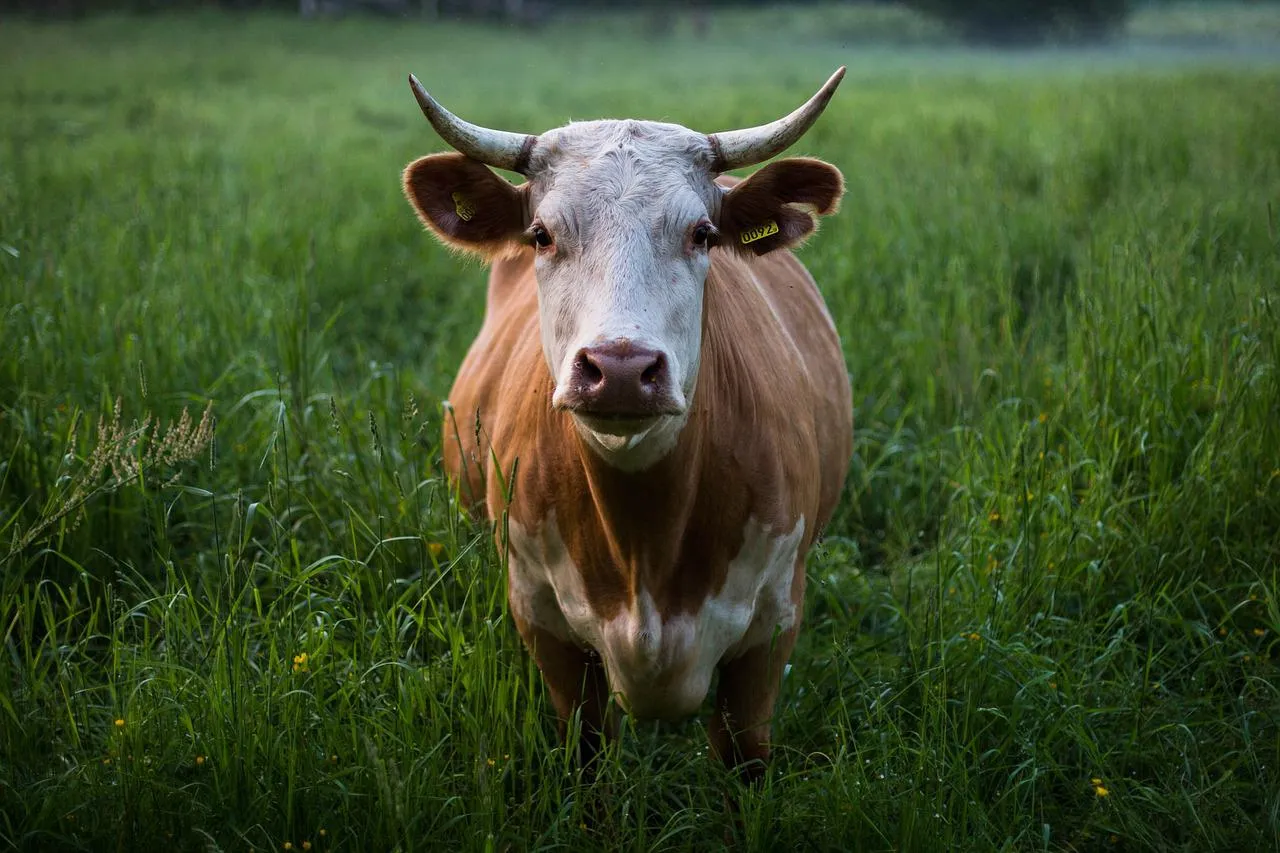
Image: Pexels, Cow Horns Cattle, Pixabay, Pixabay Licence
Journal articles
What is “less but better” meat?
The concept of “less but better” meat (sometimes preferentially called less and better) has become influential in discussions about health, sustainable diets, particularly in higher-income countries. Definitions of both “less” and “better”, however, are still diverse. This paper reviews the definitions and interpretations of “less but better” meat used in 35 peer-reviewed journal articles.
Read
Image
FAIRR
News and resources
Investors ask FAO for clear roadmap to sustainable food
A group of 33 institutional investors, holding over US$14 trillion assets, have written to the Food and Agriculture Organization of the United Nations to ask for a clear global roadmap for the transition to a sustainable food system by 2050. They raise concern about the financial risks to which the food system is exposed as a result of environmental damage, and ask for clear targets on emissions reduction (including methane) within each food subsector. The letter is coordinated by the FAIRR Initiative.
Read
Image
Image: 16124683, Agriculture bale countryside, Pixabay, Pixabay Licence
News and resources
Reactions to England’s food strategy
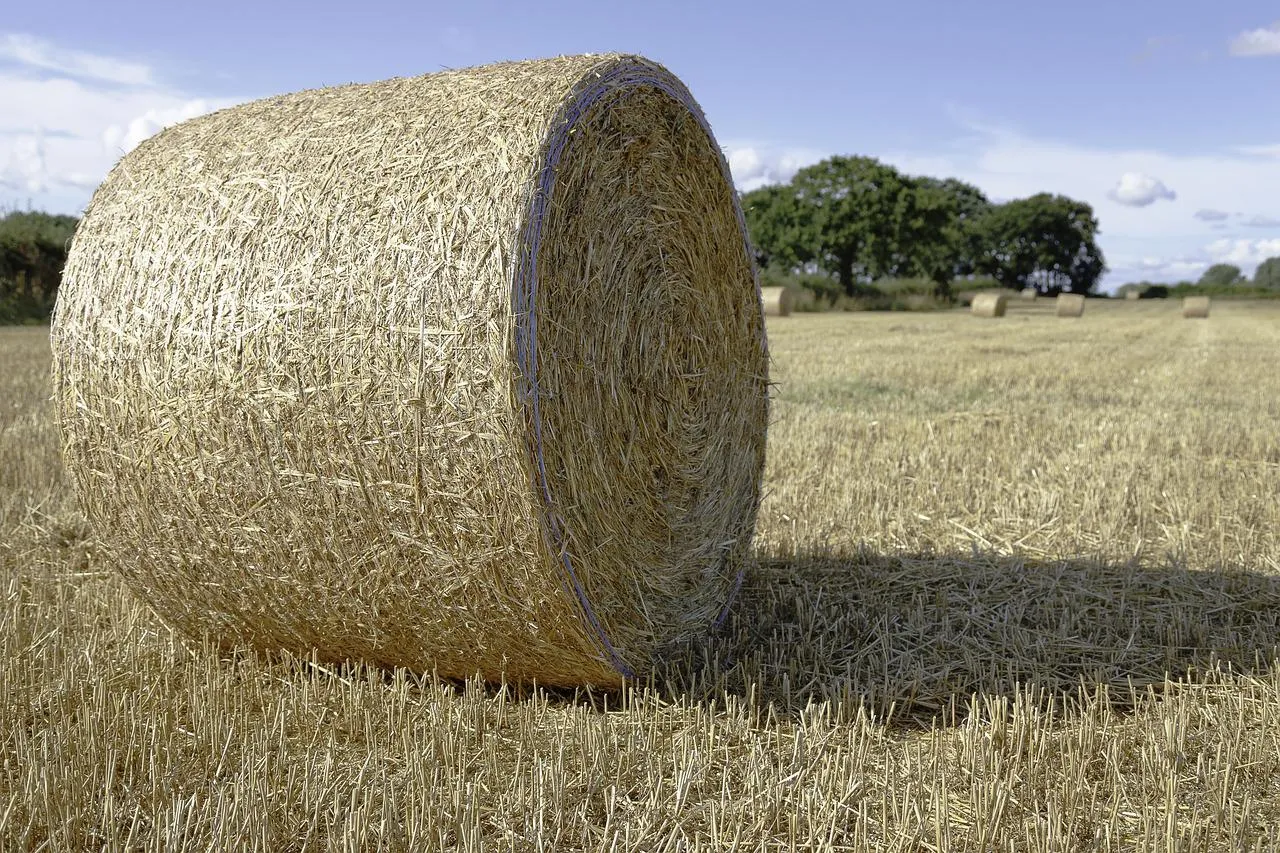
The UK government has published its food strategy for England (note that other regions of the UK are not within the scope, since food policy is devolved). Reactions have generally been critical, with many noting that many of the recommendations in the National Food Strategy review led by Henry Dimbleby have not been included. We have rounded up some relevant reactions and resources.
Read
Image
Making a Stand for Animals
Books
Making a Stand for Animals
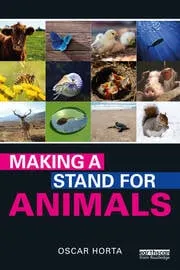
This book makes the case against “speciesism” - i.e. discrimination against nonhuman animals. It considers both wild and domesticated animals, and discusses how we can live without exploiting animals.
Read
Image
Anthropocene Ecologies of Food: Notes from the Global South
Books
Anthropocene Ecologies of Food: Notes from the Global South
This book examines the concept of the Anthropocene by discussing food production, culinary practices and representation of food in film, literature and other media. It focuses on the Indian geographical and cultural context, seeking to correct the absence of analyses of “Anthropocene ecologies of food” focused on the Global South.
Read
Image
Alternative Proteins Roadmap: identifying UK priorities
Reports
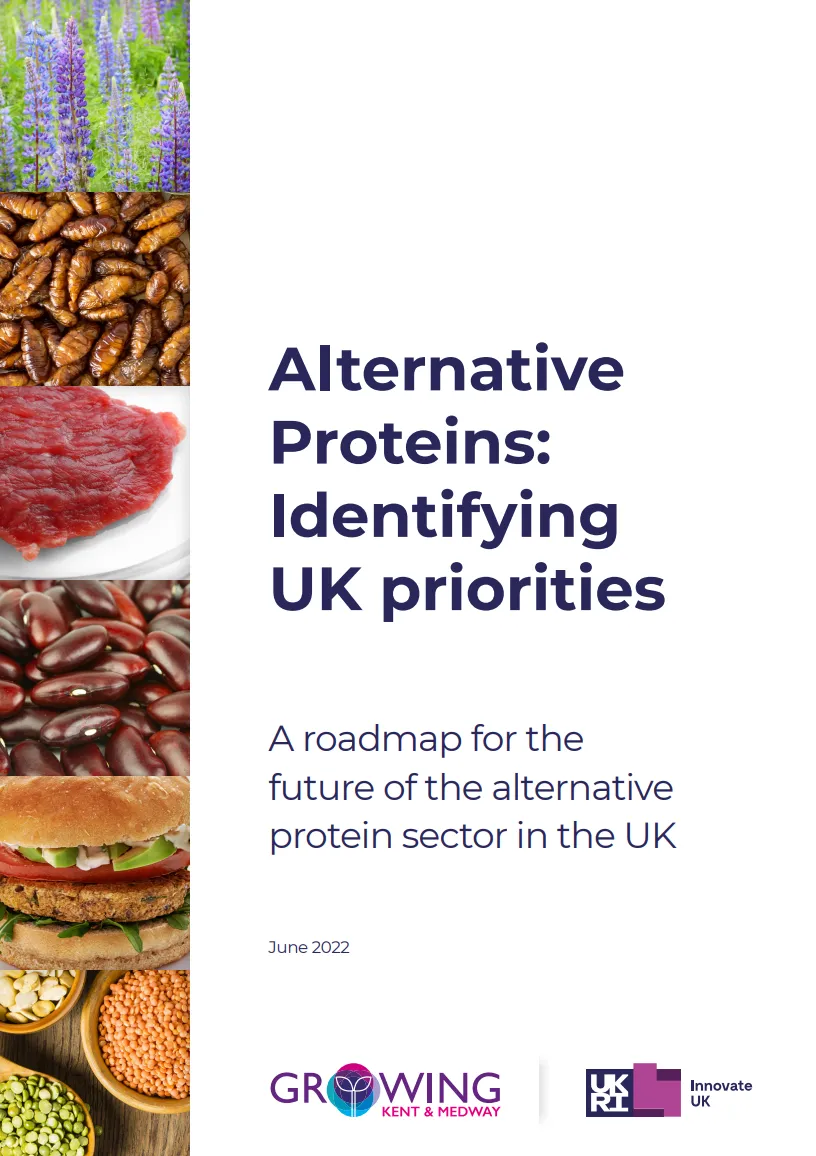
Alternative Proteins Roadmap: identifying UK priorities
This report from UK Research and Innovation discusses the future of the alternative protein sector in the UK, drawing on a workshop held with representatives of industry, research and policymaking. It discusses plant proteins (e.g. pulses, lupins), fermentation processes (algae, bacteria, fungi, mammalian cells) and novel systems such as insect proteins and new types of aquaculture.
Read
Image
American national competitiveness and the future of meat
Reports
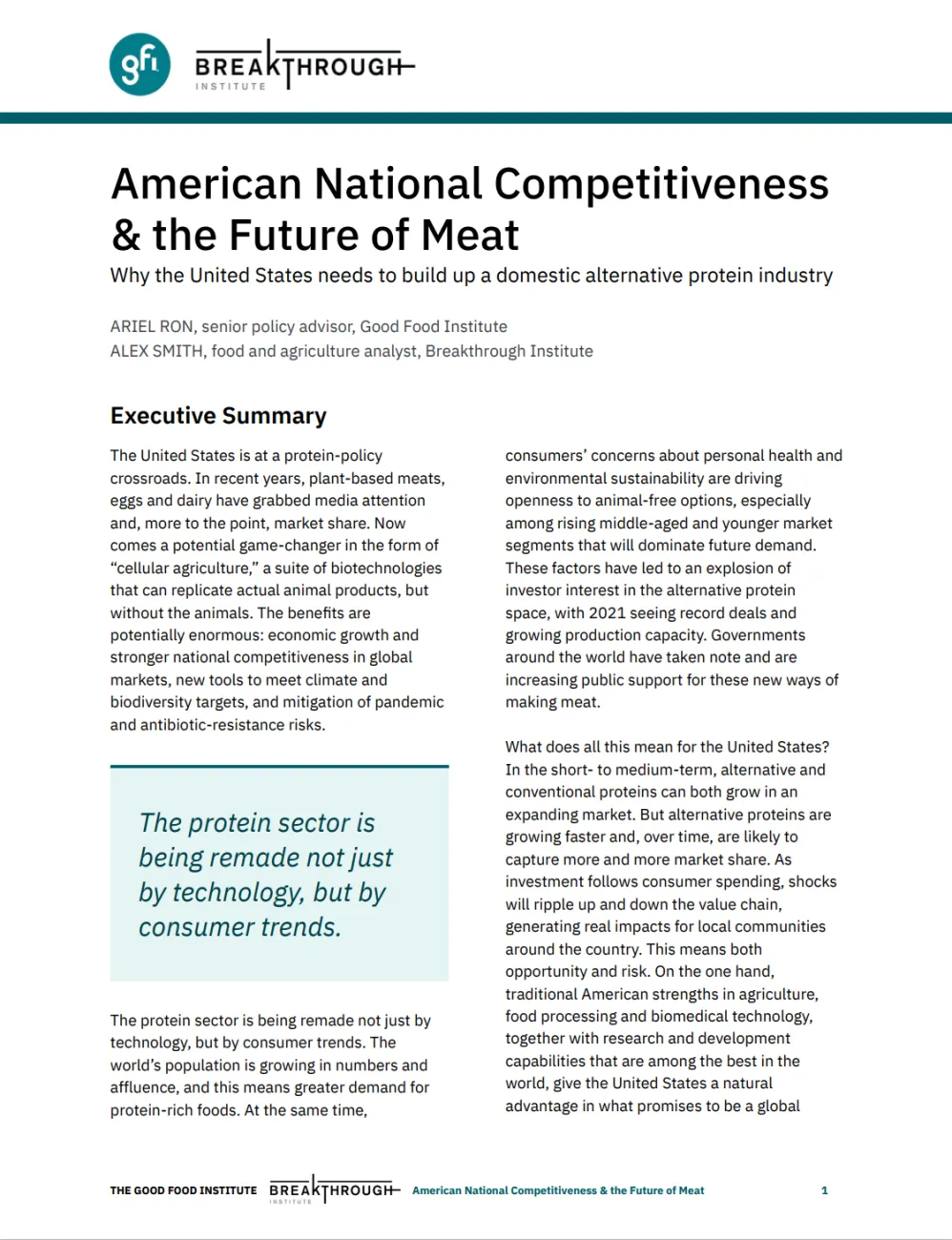
American national competitiveness and the future of meat
This report, produced jointly by the Good Food Institute and the Breakthrough Institute, argues that the United States should attempt to take the lead in the rapidly developing alternative proteins sector, including cellular agriculture. It frames the move towards alternative proteins as being driven not just by technological developments and investment, but also by increased consumer demand for protein coupled with public concerns about health and sustainability. As we note in the TABLE explainer What is ecomodernism?, the ecomodernism movement (of which the Breakthrough Institute is part) tends not to seek to actively influence consumption patterns but rather seeks to meet demand sustainably.
Read
Image
High Steaks: Reducing agricultural methane in the EU
Reports
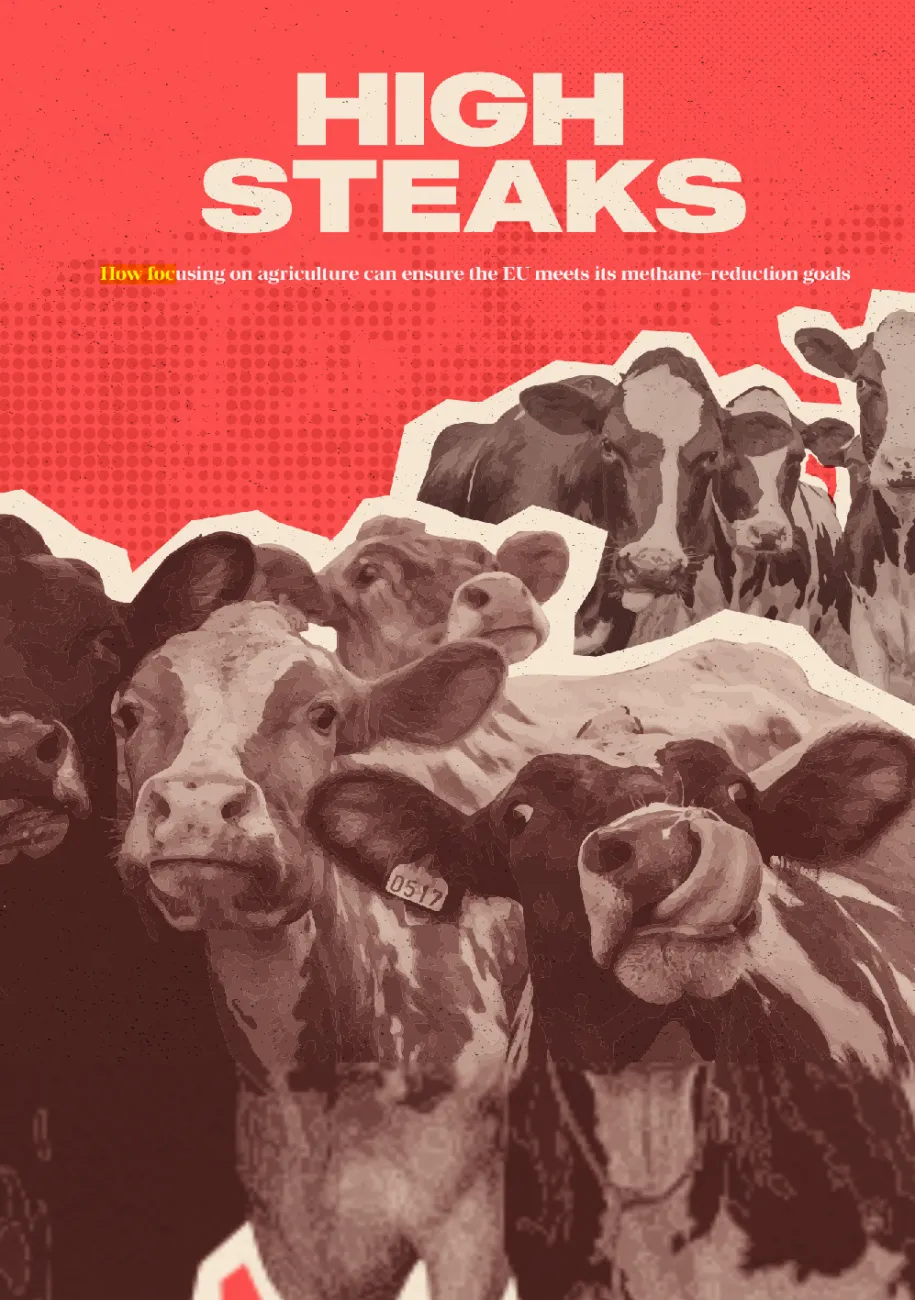
High Steaks: Reducing agricultural methane in the EU
This policy briefing from the Changing Markets Foundation argues that it will be very difficult for the European Union to meet its 2030 methane reduction targets without bringing in extra measures in the meat and dairy industries. 36% of the EU’s methane reductions could come from the agricultural sector, it estimates.
Read
Image
Feeding Britain from the ground up
Reports
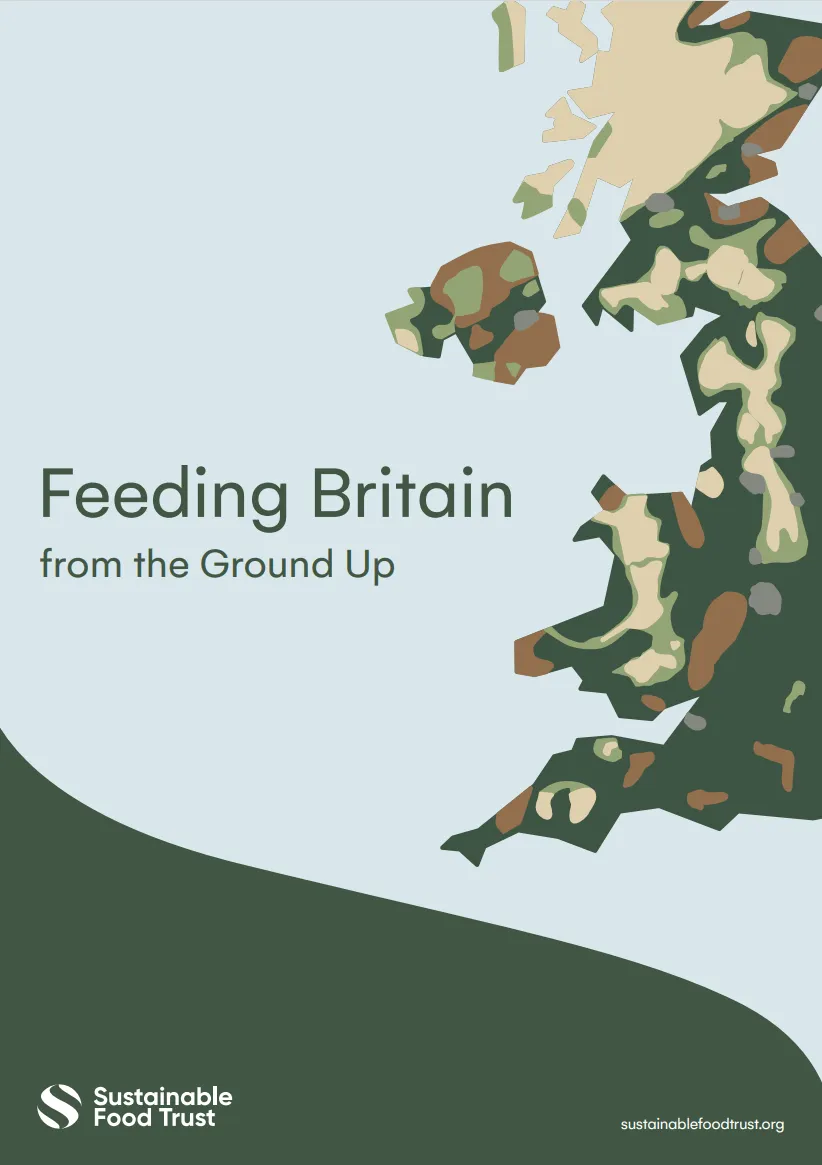
Feeding Britain from the ground up
This report from the UK’s Sustainable Food Trust models the impacts on food production, land use, diets and self-sufficiency of a country-wide switch to sustainable farming methods, based on mixed farming rotations and grazing livestock.
Read
  • VIEW MORE

Sign up for Fodder, our monthly newsletter unpacking the future of food.

Tick below to opt-in to email communications.

You can change your mind at any time by clicking the unsubscribe link in the footer of any email you receive from us, or by contacting us at info@tabledebates.org.

We use Mailchimp as our marketing platform. By clicking below to subscribe, you acknowledge that your information will be transferred to Mailchimp for processing. Learn more about Mailchimp's privacy practices.
  • Glossary
  • About
  • Our Writing
  • Podcasts
  • Resources

Social

YouTube Facebook Instagram

© Copyright 2025

A collaboration between: