Close
Login Register
Search
  • About
    • What We Do
    • Who We Are
    • FAQs
  • Our Writing
    • Explainers
    • Essays
    • Letterbox
    • Reports & More
  • Podcasts
  • Our Events
  • Projects
    • Power In The Food Systems
    • Local-Global Scale Project
    • MEAT: The Four Futures Podcast
    • Fuel To Fork
    • Nature
    • Reckoning with Regeneration
    • SHIFT
    • Games at TABLE
    • Rethinking the Global Soy Dilemma
  • Resources
  • Opportunities
    • Jobs
    • Funding
    • Courses
    • Collaborations
    • Events
  • Newsletter
  • TABLE (EN)
Search
Back

TABLE

Image
Resource
Young Germans increasingly prone to be vegetarians
Germany has traditionally been a country with high meat consumption per capita, but a new study shows that young Germans are increasingly turning to vegetarian diets. The study market analyst company Mintel followed 1,000 people aged over 16 and their results show that nearly one in five (18%) Germans aged between 16 and 24 purchase meat-alternative products. This is comparable to the one in ten (11%) doing the same across all age groups.  A major challenge for this trend to consolidate however, is that only 14% of Germans say that they enjoy the taste of these products.
Read
Image
Resource
The Impacts of Climate Change Mitigation Strategies on Animal Welfare
This paper provides a useful overview of the effects that measures to reduce GHGs from the livestock sector can have upon the welfare of farmed animals.  It argues that most approaches geared at seek to increasing the intensity of production via changes in breeding, feeding and housing may increase productivity per unit of GHG s emitted but they come at the expense of animal health and wellbeing.
Read
Image
Resource
Swedish food retailers promoting climate smarter food choices – Trapped between visions and reality?
This paper explores how food retailers assist consumers to make more climate smart food choices. 17 Swedish food retail representatives were interviewed and retailer websites studied and it was found that food retailers focus on their direct environmental impact as well as on organic food to drive more sustainable consumption.
Read
Image
Resource
Cutting carbon emissions could have indirect effects on hunger
A new paper published in Environmental Science and Technology finds that measures to mitigate agricultural GHG emissions potentially risk increasing global hunger more than the impacts of climate change on crop yields itself.  The study draws upon global models to quantify:  a. the impact of climate change on yields in the absence of mitigation, b. the impact of bionergy production (as one mitigation measure) on competition for land and associated food prices and c. finally, the costs associated with mitigating the impacts of climate change by introducing a carbon tax.  Introduction of this tax is assumed to lead to increase in use of renewable fuels (wind, power, geothermal, bionenergy) and ‘abatement from non energy sources’ – which presumably includes agriculture although they do not specify what sort of abatement this would be.
Read
Image
Resource
Fossil fuel emissions threatens protein in crops –diets of the world’s poorest most hardly hit
A new paper published in Global Change Biology looks into the effects of increasing CO2 levels on protein in crops. The study finds that not only can increased CO2 be a problem for food security through climate change, but it can also directly impact the nutritional value of crops.
Read
Image
Resource
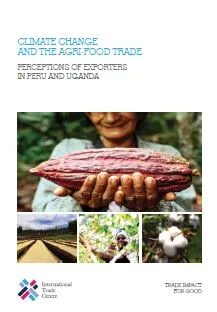
Climate change seen as major threat to agricultural exports from Uganda and Peru
In a survey carried out by the International Trade Centre, ITC exporters reveal widespread concerns about reduced competitiveness due to climate change. Based on surveys of exporting firms in both Peru and Uganda, the new publication, Climate Change and the Agri-Food Trade: Perceptions of Exporters in Peru and Uganda, identifies threats arising from climate change and seeks to develop solutions to help the agriculture sector adapt.  The publication concludes that climate change makes existing challenges in the agri-food sector even more difficult to overcome, and argues that it is already having a highly negative impact on competitiveness.
Read
Image
Resource
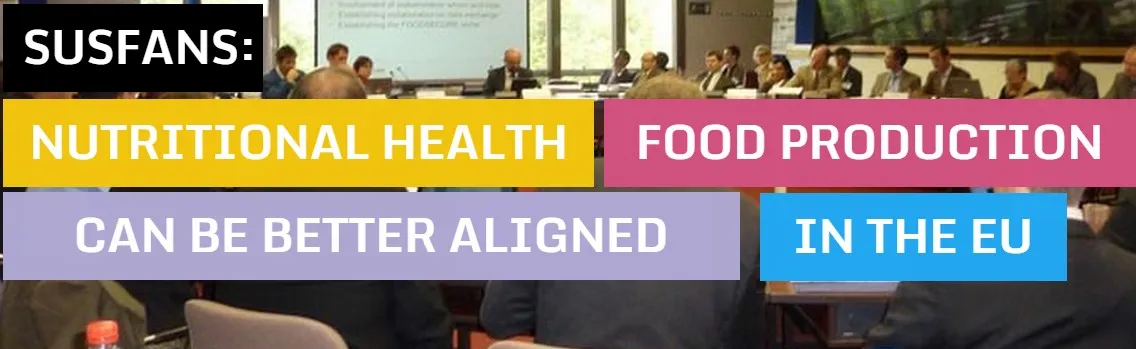
New SUSFANS consortium builds framework to underpin EU-wide food policies
A new consortium has been created with the aim of mapping out the influence of consumer behaviour and producer choices on the nutritional adequacy and sustainability of dietary patterns.
Read
Image
Resource
Rise in consumption of non-dairy milk substitutes in Europe and US
This Bloomberg article describes how as a percentage of all new milk products on the market in 2014, non-dairy milk products made up 24% and 31% in European and North American respectively. In addition to oat, soy and almond milk, scientists have also developed alternatives based on from hemp and quinoa. The article focuses on the case of a Swedish Oat-milk producing company Oatly – a company that has seen sales grow significantly with revenue increasing with 37 percent this year. It describes how “(t)he expanding range of options has helped broaden the appeal of products such as Oatly beyond vegetarians, vegans, and the lactose intolerant”.
Read
Image
Resource
Methane: the future of fish feed?
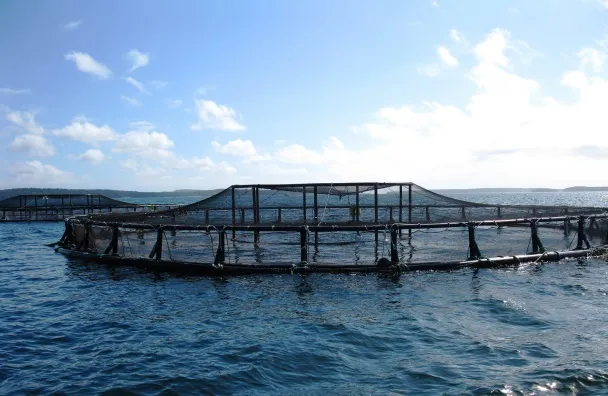
This article reports that a new fish and animal feedstock product which uses methane gas may be released into the European feedstock markets from the beginning of 2018. The product, FeedKind, is currently in pre-production phase and it is described that the manufacturing process is very similar to the way in which Marmite and other yeast-extract sandwich spreads are produced.
Read
  • VIEW MORE

Sign up for Fodder, our monthly newsletter unpacking the future of food.

Tick below to opt-in to email communications.

You can change your mind at any time by clicking the unsubscribe link in the footer of any email you receive from us, or by contacting us at info@tabledebates.org.

We use Mailchimp as our marketing platform. By clicking below to subscribe, you acknowledge that your information will be transferred to Mailchimp for processing. Learn more about Mailchimp's privacy practices.
  • Glossary
  • About
  • Our Writing
  • Podcasts
  • Resources

Social

YouTube Facebook Instagram

© Copyright 2025

A collaboration between: