Close
Login Register
Search
  • About
    • What We Do
    • Who We Are
    • FAQs
  • Our Writing
    • Explainers
    • Essays
    • Letterbox
    • Reports & More
  • Podcasts
  • Our Events
  • Projects
    • Power In The Food Systems
    • Local-Global Scale Project
    • MEAT: The Four Futures Podcast
    • Fuel To Fork
    • Nature
    • Reckoning with Regeneration
    • SHIFT
    • Games at TABLE
    • Rethinking the Global Soy Dilemma
  • Resources
  • Opportunities
    • Jobs
    • Funding
    • Courses
    • Collaborations
    • Events
  • Newsletter
  • TABLE (EN)
Search
Back

TABLE

Image
Resource
U.S. government rejects inclusion of sustainability in dietary guidelines despite expert advice
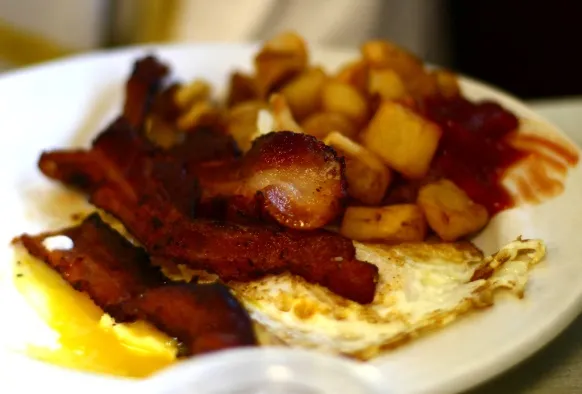
It has been announced that the U.S. will not be incorporating sustainability into the new Dietary Guidelines for Americans (which are updated every five years). According to a blog-post written by Sylvia Mathews Burwell, Secretary of Health and Human Services  (HHS Secretary) and Tom Vilsack, Department of Agriculture USDA Secretary, the US government does “not believe that the 2015 DGAs are the appropriate vehicle for this important policy conversation about sustainability.” The two argue that although the final recommendations are still being drafted, the final guidelines should remain within the mandate in the 1990 National Nutrition Monitoring and Related Research Act (NNMRRA);  to provide “nutritional and dietary information and guidelines”… “based on the preponderance of the scientific and medical knowledge.”
Read
Image
Resource
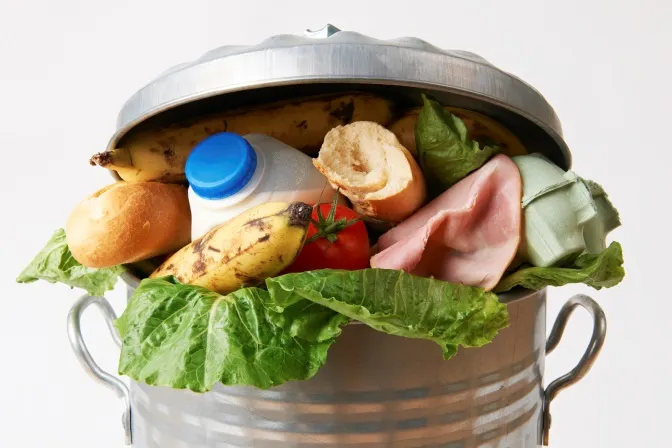
Denmark reduced food waste by 25% in 5 years – consumer information campaigns crucial for success
Denmark, has according to a new government report (only available in Danish) managed to reduce food waste by 25% in 5 years, measured in amount (kg) per consumer.  Consumer information campaigns are considered to be one of the major factors for the success.
Read
Image
Resource
Larger-sized portions, packages and tableware lead to higher consumption of food and drink, Cochrane review finds
A systematic evidence review by researchers at the University of Cambridge’s Behaviour and Health Research Unit, investigates the influence of portion, package and tableware size on food consumption.
Read
Image
Resource
Volkswagen scandal– 500.000 “clean diesel” cars deliberately set to cheat emission tests
Photo credit: Getty images The German car giant Volkswagen has admitted that they have cheated in emissions tests in the US. Since 2009, Volkswagen has been installing elaborate software in 482,000 "clean diesel" vehicles sold in the US and according to the Environmental Protection Agency (EPA), these cars had devices in their diesel engines that could detect when they were being tested, changing the performance accordingly to improve results. The cars' pollution controls would then only work when being tested for emissions.
Read
Image
Resource
Shell exits Prince’s climate group in row over Arctic oil
A row over its Arctic drilling programme has culminated in oil giant Shell leaving the Prince of Wales's Corporate Leaders Group.  This is a network of European business leaders advocating for climate action including GlaxoSmithKline, Tesco and Unilever.
Read
Image
Resource
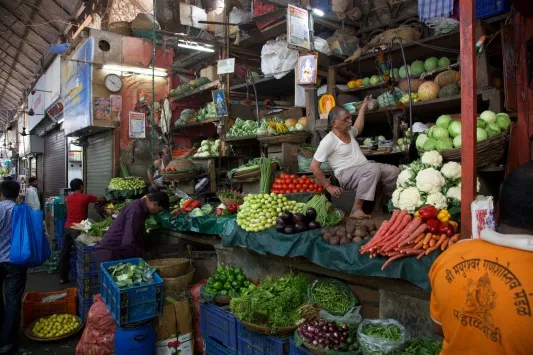
Mumbai, India bans meat four days
Officials in Mumbai have imposed a four day ban on the slaughter and sale of meat. The ban was introduced after increasing pressure from the vegetarian Jain community - a financially very powerful community in the Indian state of Maharashtra.
Read
Image
Resource
Strong global outlook for poultry industry - Poultry quarterly Q3 from Rabobank
Globally, despite the global Avian Flu (AI) challenge, the margin outlook for the global poultry industry is still strong according to this Rabobank Poultry Quarterly Q3 report.
Read
Image
Resource
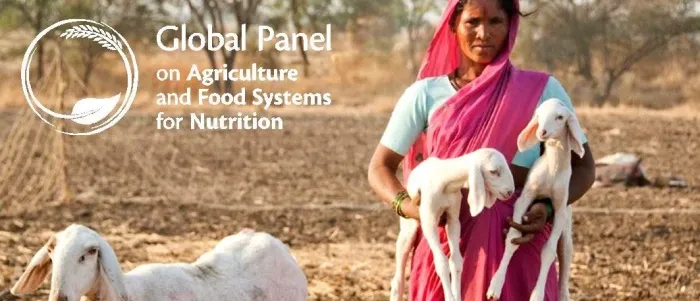
Global Panel’s Policy Brief: Climate-smart food systems for enhanced nutrition
Policy makers can make a significant difference to ensure healthy diets for people at every stage of life. The Global Panel’s policy brief Climate-smart food systems for enhanced nutrition urges decision makers to adopt a pro-nutrition lens while protecting and promoting agriculture in the face of climate change. Ahead of the Paris climate negotiations, Climate-smart food systems for enhanced nutrition explains the challenges of meeting both agricultural and nutritional needs in the face of climate change. It identifies specific opportunities for policy change that can simultaneously enhance food and nutrition security. The panel writes:
Read
Image
Resource
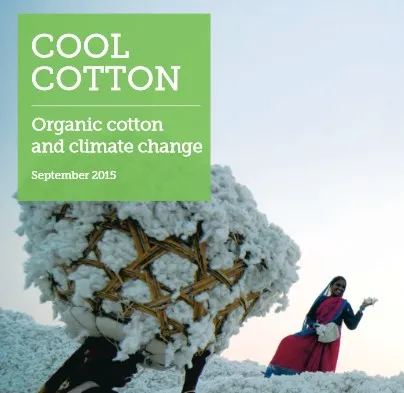
Cool cotton – how to reduce the climate change impact of the world’s dirtiest crop
This report by the UK’s Soil Association on cotton and climate change argues that switching to organic cotton could reduce the global warming impact of cotton production by 46% compared to non-organic cotton. Cotton has been called the world’s dirtiest agricultural commodity, owing to its heavy use of insecticides and water, high GHG emissions, and land use.
Read
  • VIEW MORE

Sign up for Fodder, our monthly newsletter unpacking the future of food.

Tick below to opt-in to email communications.

You can change your mind at any time by clicking the unsubscribe link in the footer of any email you receive from us, or by contacting us at info@tabledebates.org.

We use Mailchimp as our marketing platform. By clicking below to subscribe, you acknowledge that your information will be transferred to Mailchimp for processing. Learn more about Mailchimp's privacy practices.

  • Glossary
  • About
  • Our Writing
  • Podcasts
  • Resources

Social

YouTube Facebook Instagram

© Copyright 2025

A collaboration between: