Close
Login Register
Search
  • About
    • What We Do
    • Who We Are
    • FAQs
  • Our Writing
    • Explainers
    • Essays
    • Letterbox
    • Reports & More
  • Podcasts
  • Our Events
  • Projects
    • Power In The Food Systems
    • Local-Global Scale Project
    • MEAT: The Four Futures Podcast
    • Fuel To Fork
    • Nature
    • Reckoning with Regeneration
    • SHIFT
    • Games at TABLE
    • Rethinking the Global Soy Dilemma
  • Resources
  • Opportunities
    • Jobs
    • Funding
    • Courses
    • Collaborations
    • Events
  • Newsletter
  • TABLE (EN)
Search
Back

TABLE

Image
Resource
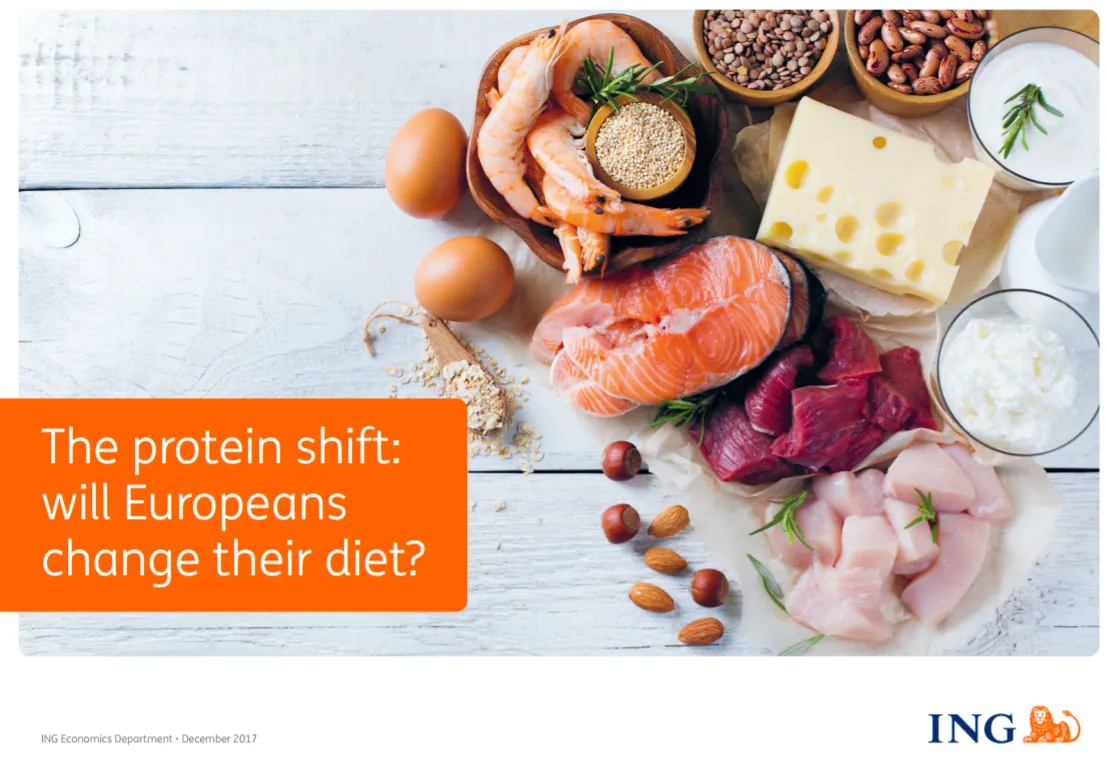
The protein shift: will Europeans change their diet?
This report by Dutch bank ING considers the potential for a protein shift away from animal to plant protein. It finds that a quarter of EU consumers expects to eat less meat in five years’ time, mainly because of the concerns about the associated negative health effects. In addition, it poses that a further shift in consumer preferences is likely as the level of innovation in alternative protein is high and governments are increasingly concerned about the carbon footprint of diets.
Read
Image
Photo: MIKI Yoshihito, Flickr, Creative Commons License 2.0
Resource
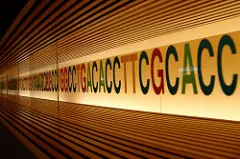
NGOs’ opposition to genome editing is rooted in scepticism about the framing of problems and solutions
This article in the European Molecular Biology Organisation (EMBO) journal examines NGOs’ opposition to agricultural biotechnologies. It finds that opposition to genome editing cannot be dismissed as being solely emotional or dogmatic, as is often asserted by the scientific molecular biology community (see for example this 2016 letter by 107 Nobel Laureates calling NGO action against GM a "crime against humanity”). Instead, opposition to genome editing among research participants was rooted in three areas of scepticism around the framing of food security problems and the proposed solutions.
Read
Image
Resource
Blog on training people in food systems thinking
This blog by Annabel de Frece and Rebecca Wells talks about their work as teaching Fellows for the Innovative Food Systems Teaching and Learning (IFSTAL) Programme. IFSTAL aims to improve food systems teaching across universities in the UK. In the blog, the authors relate some of the rationale behind the teaching methods.
Read
Image
Resource
Special edition online magazine by the Food Ethics Council on the food and farming research agenda
The Food Ethics Council has published a free, special edition, online magazine – ‘For whom? Questioning the food and farming research agenda' – that brings together the thoughts and opinions of over 30 experts.
Read
Image
Resource
BBC World Service radio programme ‘What’s wrong with eating meat?’
This edition of Newshour Extra hosts a panel of experts to discuss whether 'the pleasures of eating meat are worth the costs.'
Read
Image
Resource
Feedback for web-based tool for visualising future climate impacts on agricultural systems
The Agricultural Model intercomparison and Improvement Project (AgMIP) is an international collaborative effort to improve agricultural modelling and to understand climate impacts on the agricultural sector at global, national, and regional scales. They have produced a beta version of a visualization tool for the assessment of current and future agricultural systems. 
Read
Image
Resource
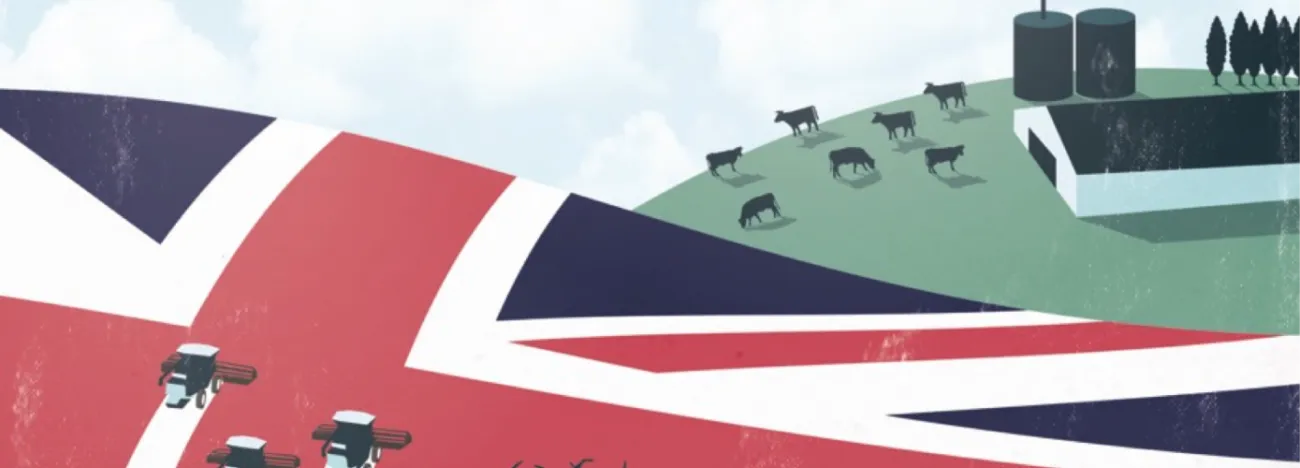
Report by the Sustainable Food Trust estimates externalities of UK food consumption
This new report by the Sustainable Food Trust, ‘The hidden cost of UK food’, presents an analysis of the price of the externalities (and subsidies) of the UK food system, which they compare to the amount of money spent on food and non-alcoholic drink at consumer outlets. 
Read
Image
Photo: Raúl Hernández González, Flickr, Creative Commons License 2.0
Resource
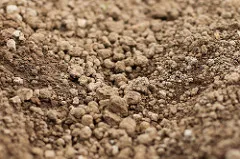
An assessment of the global impact of 21st century land use change on soil erosion
This article presents the results from a new global soil erosion model, based on a combination of remote sensing, GIS modelling and census data. It finds that accelerated soil erosion due to land use change between 2001 and 2012 is a major threat to soil and future agriculture but that previous commonly used estimates of annual global soil erosion were twice too high. In comparison with previous studies which had a mapping resolution of around 10–60 km cell size, this model with its high-resolution 250m cell size has far greater predictive power than any previous model. 
Read
Image
Photo: NP Himachal Pradesh 68, CIAT, Flickr, CC BY-SA 2.0
Resource
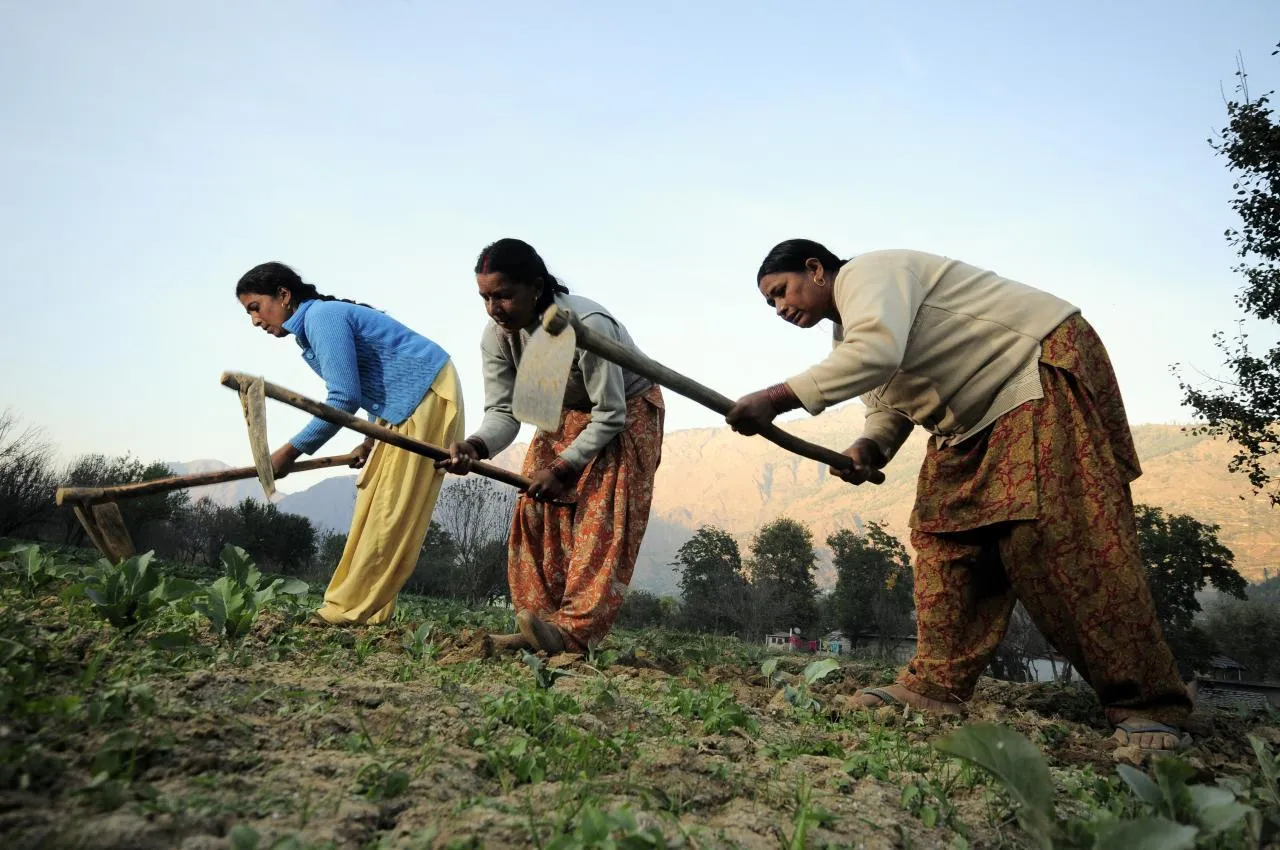
Women in Agriculture: Four Myths
This article by researchers at the International Food Policy Research Institute, Washington DC examines four pervasive myths about women in agriculture: 1) 70% of the world’s poor are women; 2) Women produce 60 to 80% of the world’s food; 3) Women own 1% of the world’s land; and 4) Women are better stewards of the environment. For each myth, the authors examine the relevant literature to evaluate any truth behind it and to identify its underpinning assumptions and fallacies.
Read
  • VIEW MORE

Sign up for Fodder, our monthly newsletter unpacking the future of food.

Tick below to opt-in to email communications.

You can change your mind at any time by clicking the unsubscribe link in the footer of any email you receive from us, or by contacting us at info@tabledebates.org.

We use Mailchimp as our marketing platform. By clicking below to subscribe, you acknowledge that your information will be transferred to Mailchimp for processing. Learn more about Mailchimp's privacy practices.
  • Glossary
  • About
  • Our Writing
  • Podcasts
  • Resources

Social

YouTube Facebook Instagram

© Copyright 2025

A collaboration between: