Close
Login Register
Search
  • About
    • What We Do
    • Who We Are
    • FAQs
  • Our Writing
    • Explainers
    • Essays
    • Letterbox
    • Reports & More
  • Podcasts
  • Our Events
  • Projects
    • Power In The Food Systems
    • Local-Global Scale Project
    • MEAT: The Four Futures Podcast
    • Fuel To Fork
    • Nature
    • Reckoning with Regeneration
    • SHIFT
    • Games at TABLE
    • Rethinking the Global Soy Dilemma
  • Resources
  • Opportunities
    • Jobs
    • Funding
    • Courses
    • Collaborations
    • Events
  • Newsletter
  • TABLE (EN)
Search
Back

TABLE

Image
Image: Evan-Amos, A pile of Chex Mix, Wikimedia Commons, Public domain
Journal articles
Responses to study on ultra-processed foods and weight gain
Two letters in the journal Cell Metabolism respond to the recent paper by Hall et al., Ultra-Processed Diets Cause Excess Calorie Intake and Weight Gain: An Inpatient Randomized Controlled Trial of Ad Libitum Food Intake. See our Building Block on disagreements about ultra-processed foods here: What is ultra-processed food? And why do people disagree about its utility as a concept?
Read
Image
Image: jacme31, Northern Gannet flying on Bonaventure Island in Gaspesie, Quebec, Canada, Wikimedia Commons, Creative Commons Attribution-Share Alike 2.0 Generic
Journal articles
Fishery discards do not compensate natural prey shortage
Fisheries often discard large quantities of unwanted catches at sea, but policies are being brought in to limit such discards. According to this paper, Northern gannets (seabirds) rely more on fishery discards in years when there are shortages in their natural prey (mainly mackerel) - shortages that may be due to pressure from fisheries. The paper argues that fishery discards are not an adequate substitute for natural prey. 
Read
Image
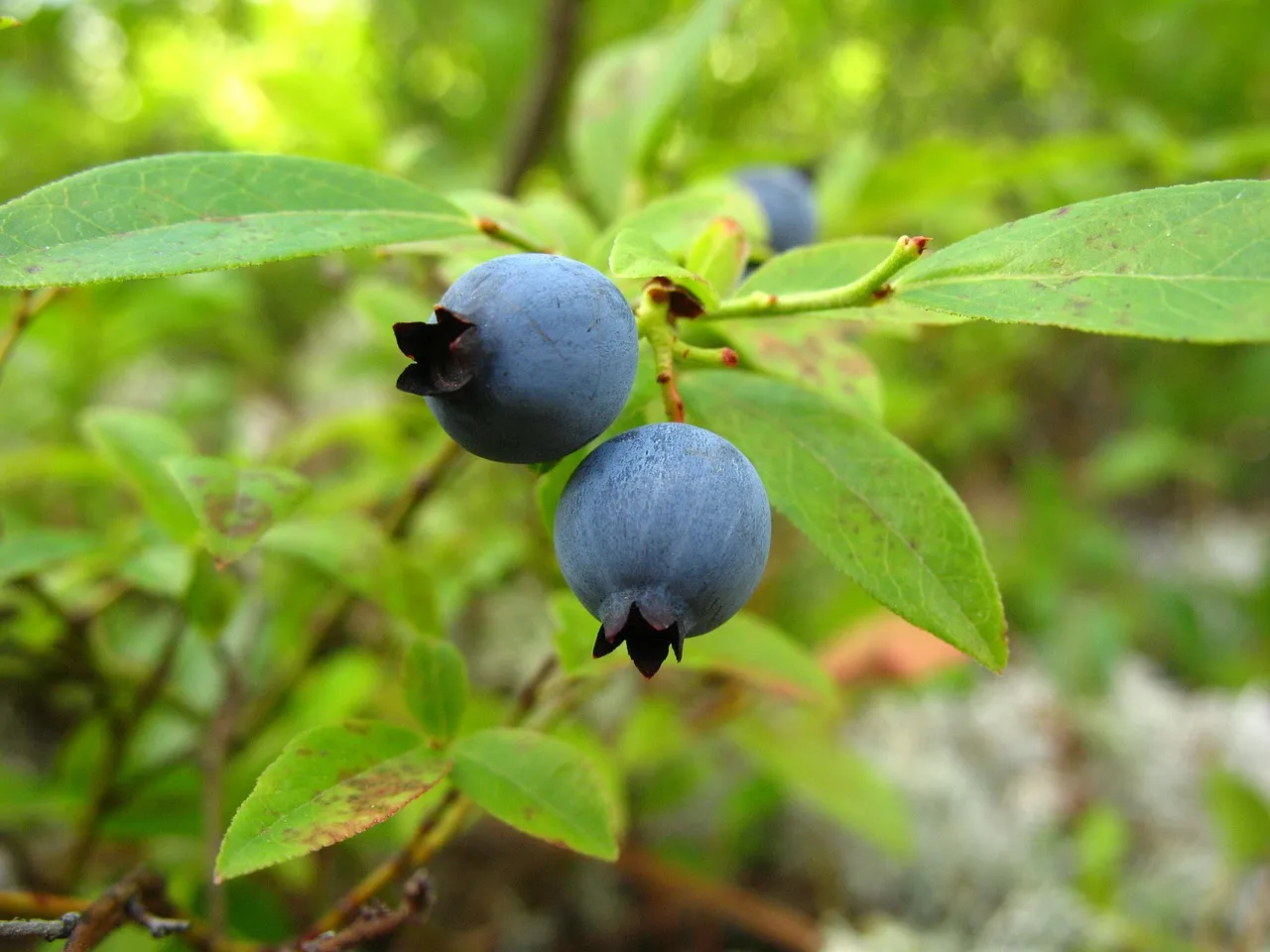
Image: Max Pixel, Food Plant Wild Blueberries, CC0 Public Domain
Journal articles
Reframing food as a commons in Canada
This book chapter questions the validity of viewing food primarily as a tradable commodity, noting that doing so encouraging policies based on markets, corporate profit and the private enclosure of resources that were previously freely available to all. The authors propose, instead, that food should be viewed as a commons, i.e. a shared resource. 
Read
Image
Image: Rawpixel.com, Bubble caffeine carbonated drink, Pxhere, CC0 Public Domain
Featured articles
Impacts of sugar‐sweetened beverage taxes
This systematic review of taxes on sugar-sweetened beverages (SSBs) finds that the taxes are associated with a decrease in the amount of sugar-sweetened beverages that are bought and consumed. A 10% tax lead to a 10% decrease in purchase and intake levels, on average, although there was considerable variation between results in different locations.
Read
Image
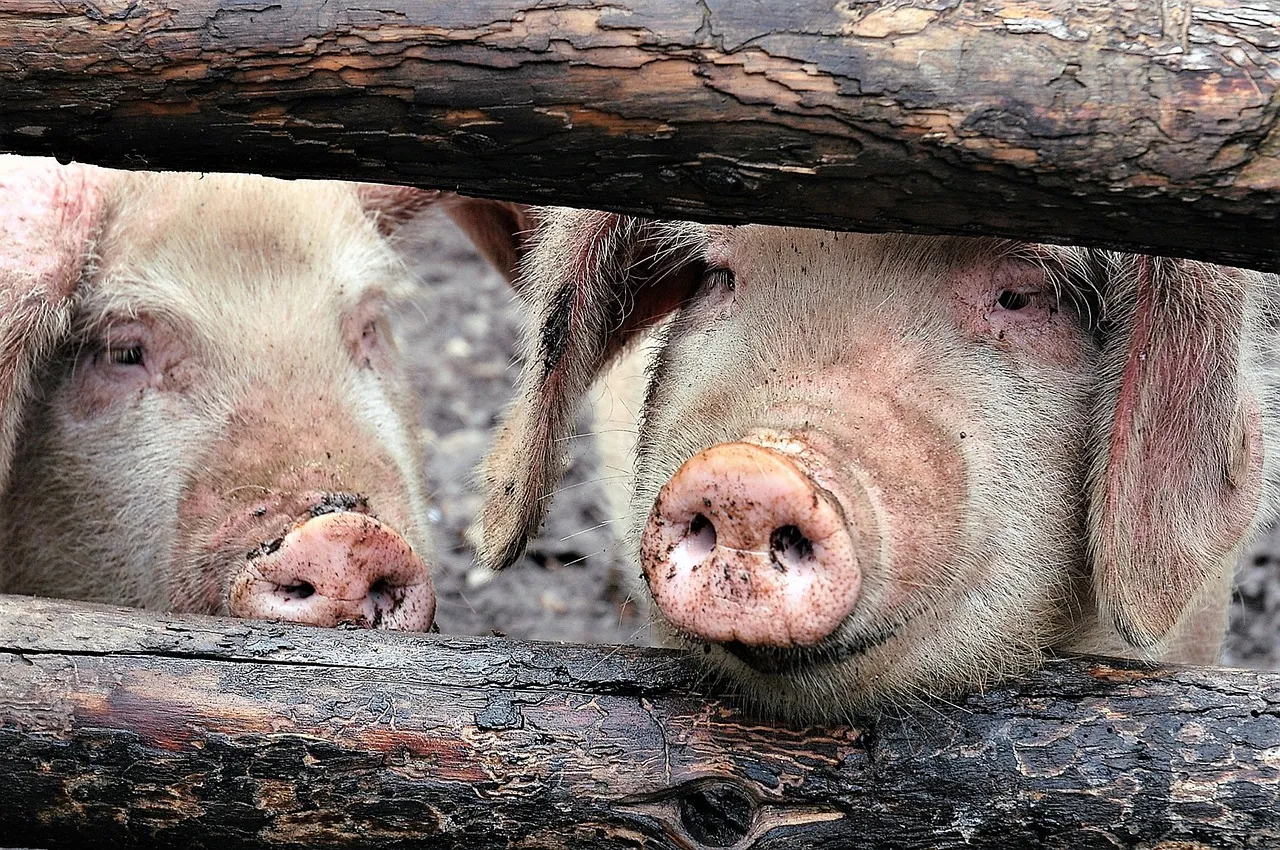
Image: Chun-San, Tibet China Pigs, Pixabay, Pixabay License
News and resources
Blog post: African swine fever epidemic
This blog post by Mia MacDonald of US think tank Brighter Green and Gene Baur of Farm Sanctuary explains the African swine fever epidemic that is currently affecting China and Southeast Asia. Over 3 million pigs have already been killed by the disease or culled as a preventative measure. The disease has not yet been passed on to humans.
Read
Image
News and resources
NaturEtrade: An ‘eBay for ecosystem services’
The Oxford Martin School has helped to develop NaturEtrade, an online marketplace for ecosystems services. Landowners or managers can set a price that they would accept in return for keeping their land in its present ecological condition, rather than putting it to other uses that might degrade it. Buyers who want the land to remain unchanged, e.g. a business further downstream that wants to limit flooding, can enter into a contract with the landowner or manager.
Read
Image
Books
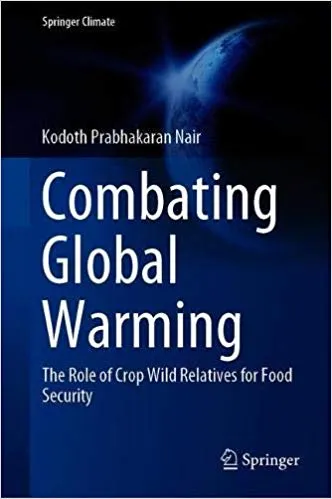
The role of crop wild relatives for food security
This book examines the impacts that climate change is expected to have on food security and also explores the contribution to food security that could come from wild relatives of food crops.
Read
Image
Reports
Towards ecologically and socially resilient food systems
This report from the UK’s Triodos Bank calls for a radical overhaul of the food system with a focus on environmental sustainability, healthy diets, and fair pay for farmers.
Read
Image
Reports
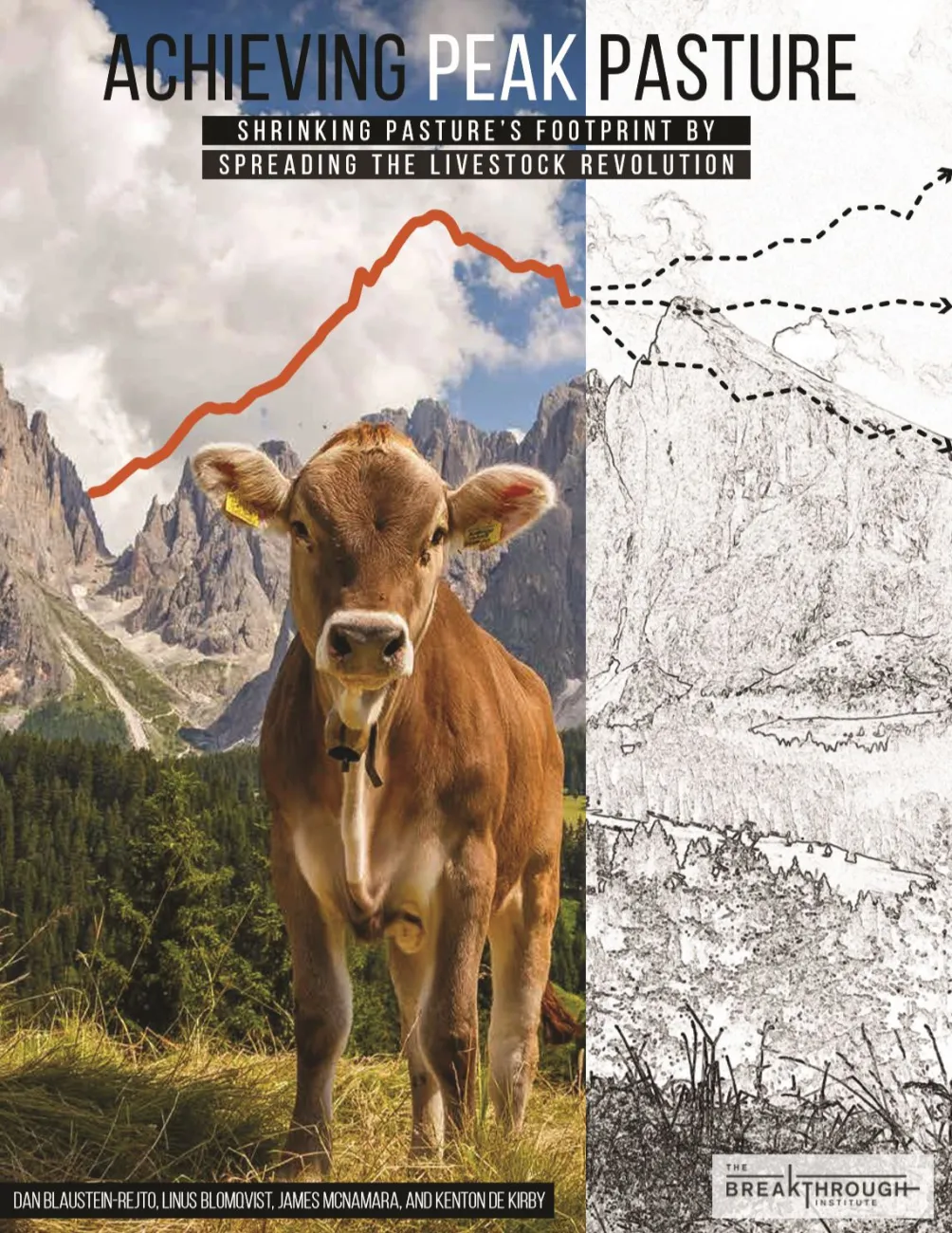
Shrinking pasture’s footprint through intensification
This report from the US-based Breakthrough Institute suggests that increasing the productivity of grazing systems, particularly in lower-income countries, can help to shrink the area of land used as pasture.
Read
  • VIEW MORE

Sign up for Fodder, our monthly newsletter unpacking the future of food.

Tick below to opt-in to email communications.

You can change your mind at any time by clicking the unsubscribe link in the footer of any email you receive from us, or by contacting us at info@tabledebates.org.

We use Mailchimp as our marketing platform. By clicking below to subscribe, you acknowledge that your information will be transferred to Mailchimp for processing. Learn more about Mailchimp's privacy practices.
  • Glossary
  • About
  • Our Writing
  • Podcasts
  • Resources

Social

YouTube Facebook Instagram

© Copyright 2025

A collaboration between: