Close
Login Register
Search
  • About
    • What We Do
    • Who We Are
    • FAQs
  • Our Writing
    • Explainers
    • Essays
    • Letterbox
    • Reports & More
  • Podcasts
  • Our Events
  • Projects
    • Power In The Food Systems
    • Local-Global Scale Project
    • MEAT: The Four Futures Podcast
    • Fuel To Fork
    • Nature
    • Reckoning with Regeneration
    • SHIFT
    • Games at TABLE
    • Rethinking the Global Soy Dilemma
  • Resources
  • Opportunities
    • Jobs
    • Funding
    • Courses
    • Collaborations
    • Events
  • Newsletter
  • TABLE (EN)
Search
Back

TABLE

Image
Books
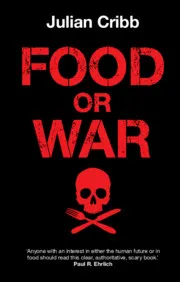
Food or war
This book by Julian Cribb examines the links between food, conflict, hunger and ecological collapse, and develops recommendations for how to build a sustainable global food system that defuses tensions and avoids the mass displacement of people.
Read
Image
Reports
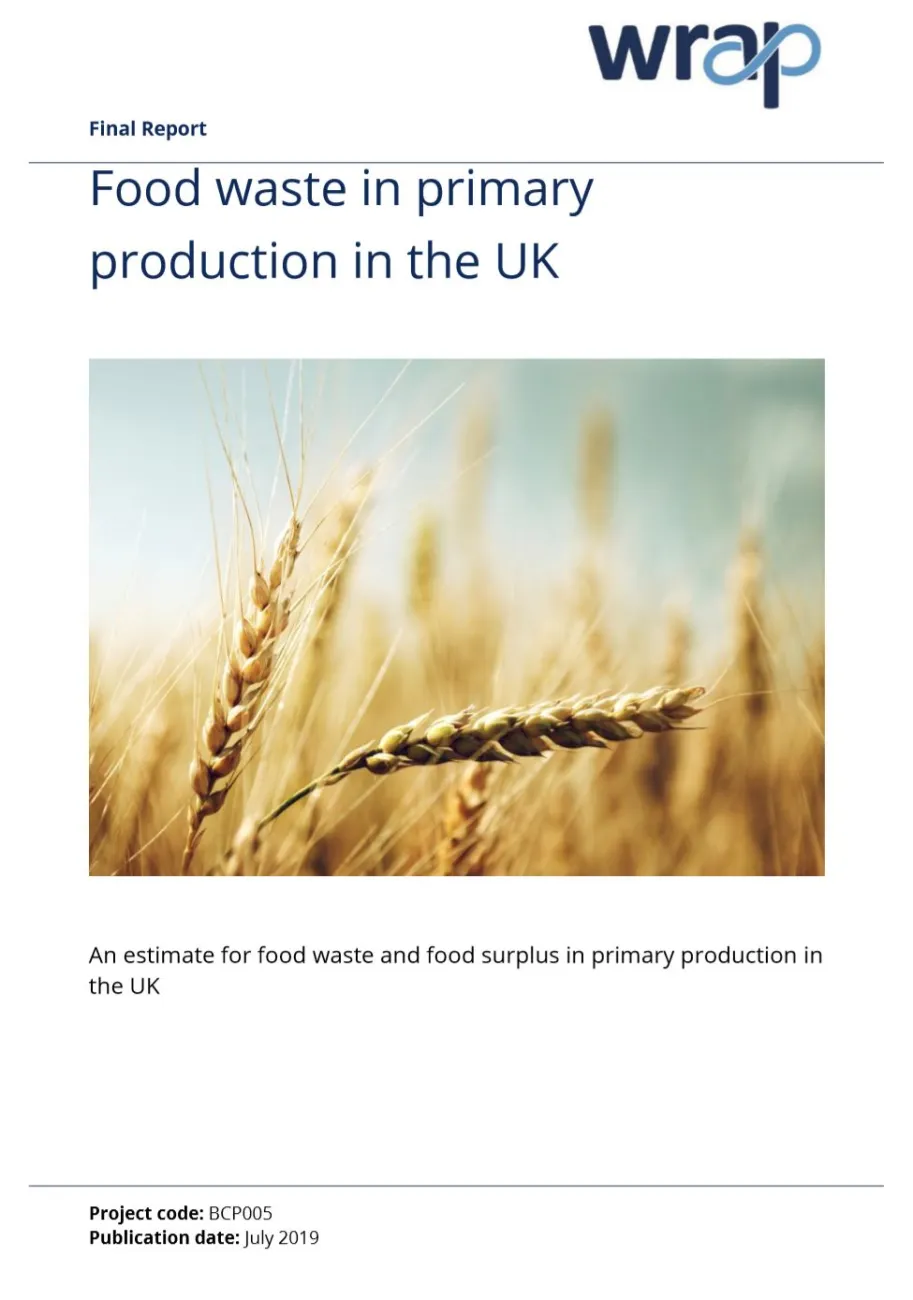
Food waste in primary production in the UK
This report from the UK charity Waste and Resources Action Programme (WRAP) provides the latest estimates for food losses and food waste in primary production (i.e. on farms) in the UK. It finds that 3% of food harvested is wasted at the farm stage (sent to waste treatment such as composting without first being used for another purpose, or left in the field) and 4% is surplus (material intended for food uses that ends up being redistributed to people, fed to animals or used for other purposes), making a total of 7%.
Read
Image
Reports
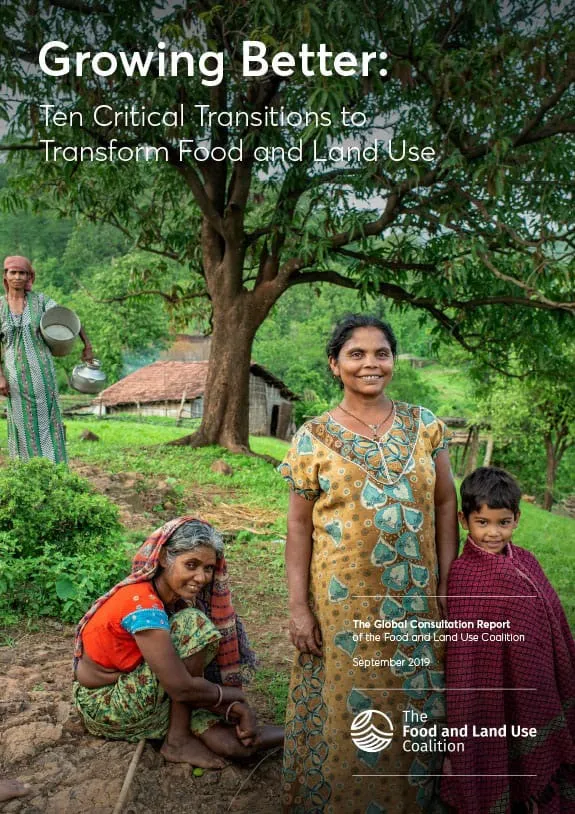
Ten critical transitions to transform food and land use
This report from the Food and Land Use Coalition proposes ten critical transitions that could enable the food system to provide healthy diets for nine billion people by 2050 while also protecting the climate and biodiversity. The transitions are estimated to provide over 15 times more social benefit than their investment cost, which is likely to be less than 0.5% of global GDP.
Read
Image
Reports
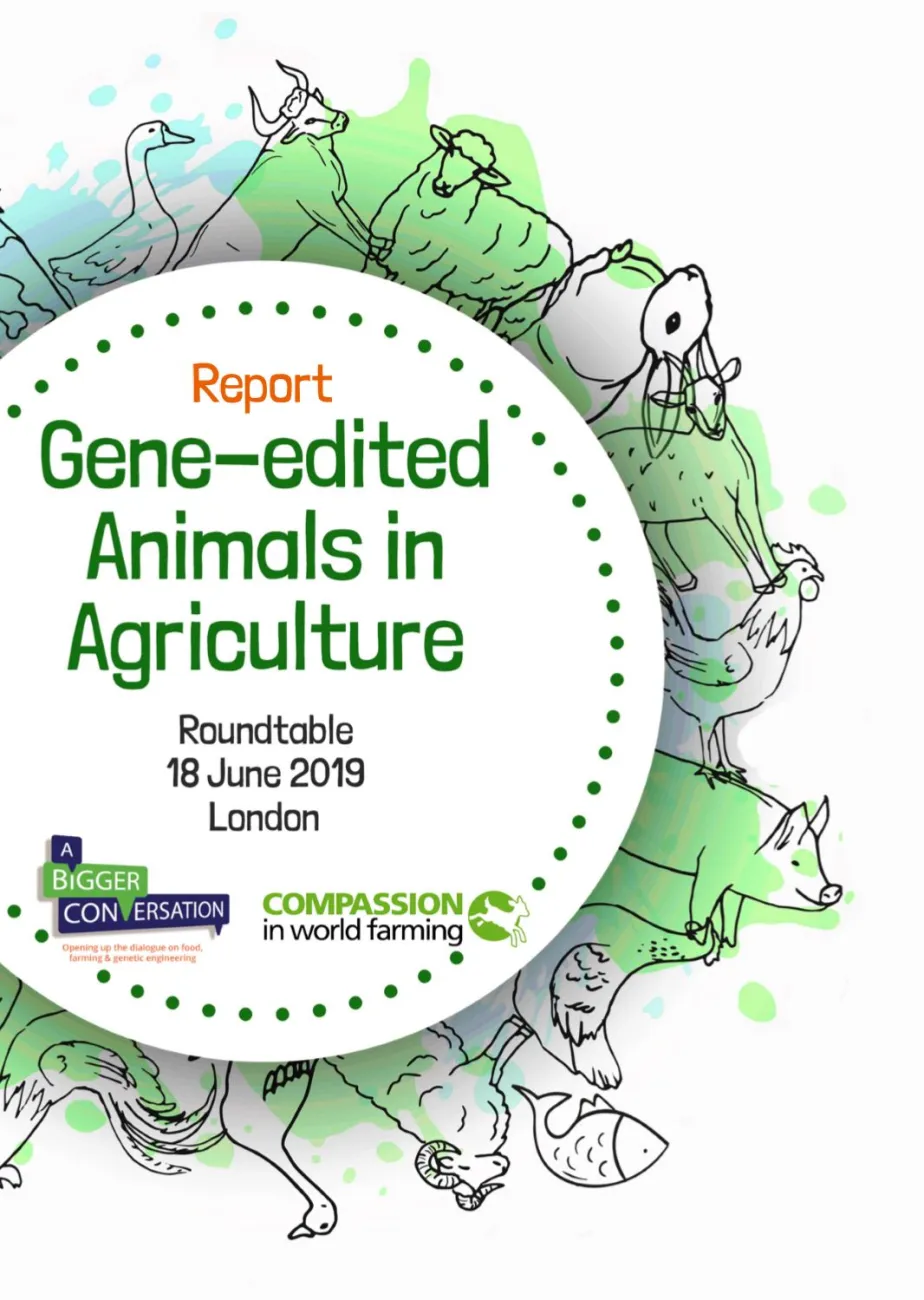
Gene-edited animals in agriculture
This joint report from A Bigger Conversation and Compassion in World Farming details a roundtable that took place in London in June 2019, where scientists, ethicists, vets, academics, faith groups and policymakers discussed the issues associated with gene-edited livestock.
Read
Image
Reports
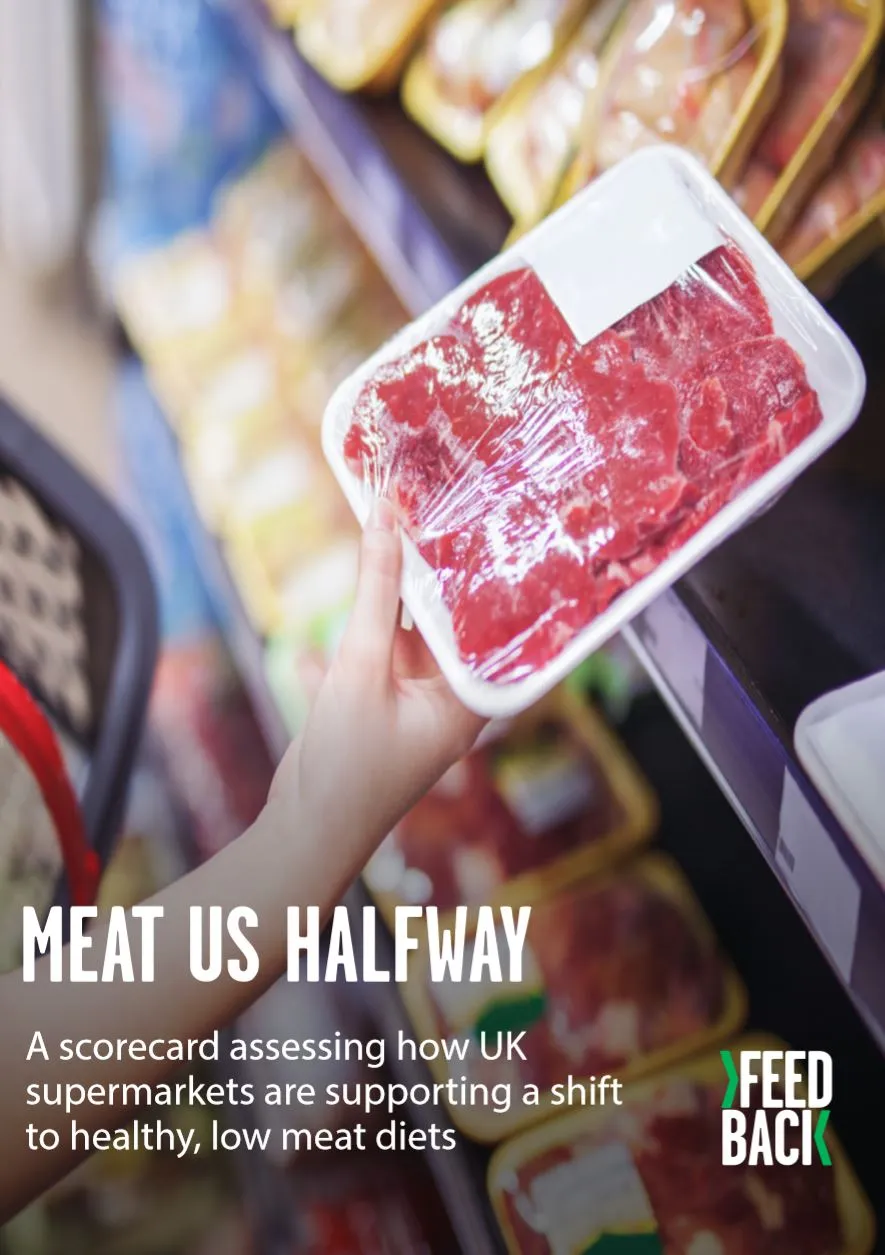
UK supermarkets ranked on less and better meat
This report from food campaign group Feedback ranks ten UK supermarkets on their efforts to cut the negative impacts of the meat that they sell and encourage their customers to switch to “less and better” meat. 
Read
Image
Reports
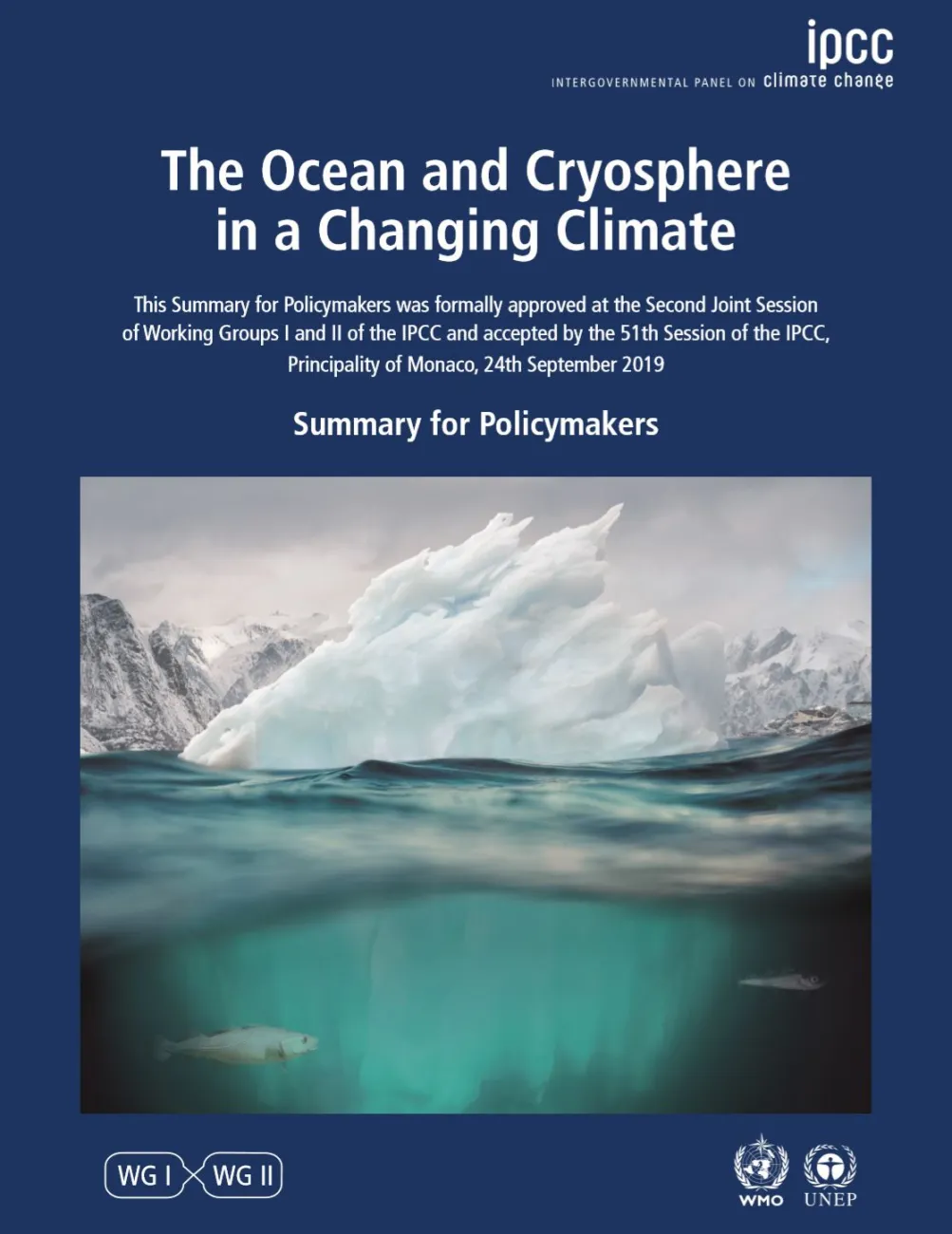
IPCC report on oceans and frozen landscapes
The Intergovernmental Panel on Climate Change (IPCC) has published a special report reviewing the impacts of climate change on the oceans and cryosphere (ice gaps, glaciers and frozen ground), incorporating evidence that has been published since the IPCC’s Fifth Assessment Report and Special Report on Global Warming of 1.5°C. It finds that climate change has shrunk ice sheets, glaciers and sea ice as well as heated permafrost (ground that normally remains frozen all year).
Read
Image
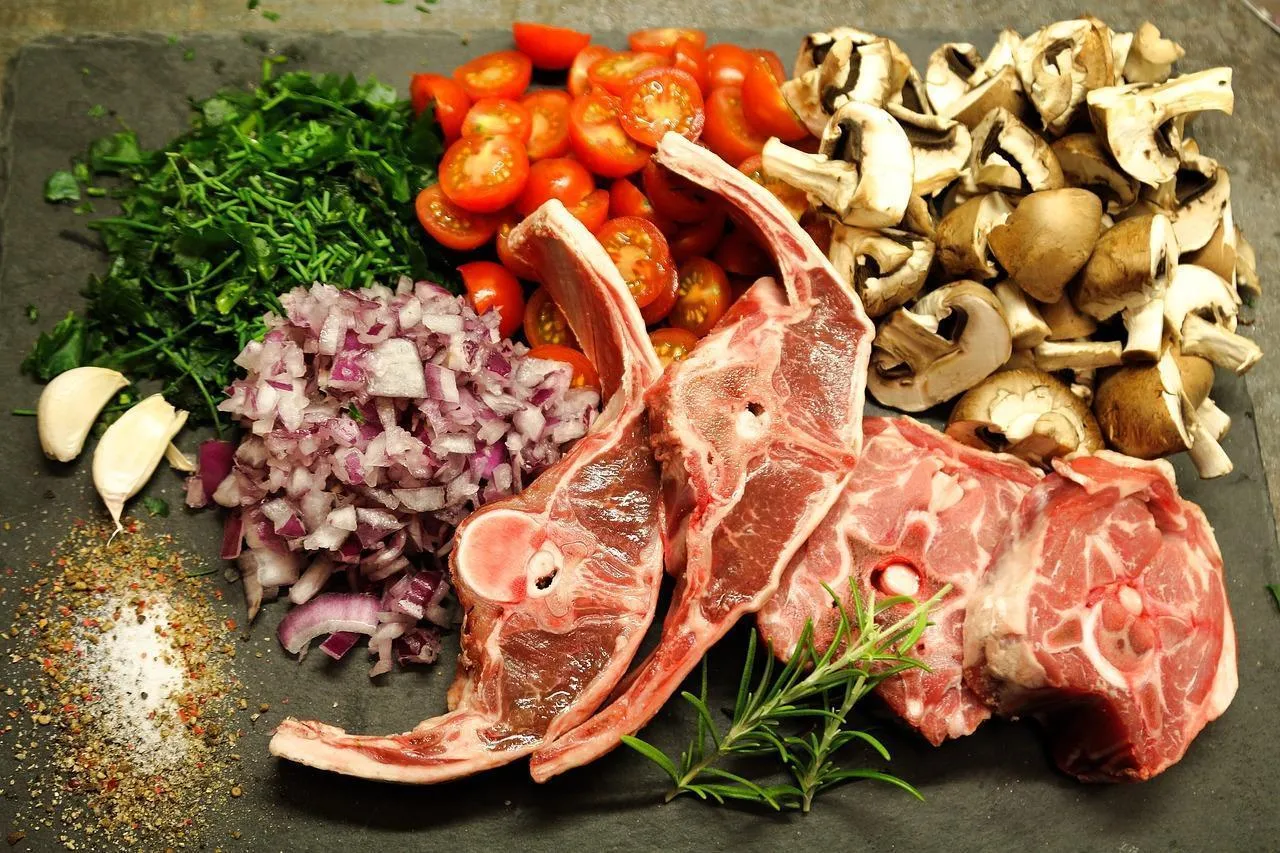
Image: Max Pixel, Lamb Rosemary Eat Lamb Chop, CC0 Public Domain
Journal articles
Drivers of meat consumption
FCRN member Anna Birgitte Milford of the NIBIO (Norwegian Institute of Bioeconomy Research) has co-authored this paper, which studies the impact of various variables on meat total meat and ruminant meat consumption levels (both total and ruminant) in 137 countries. The paper assesses factors which had previously not been used together in similar analyses, including economic, cultural and natural factors (e.g. land availability and climate).
Read
Image
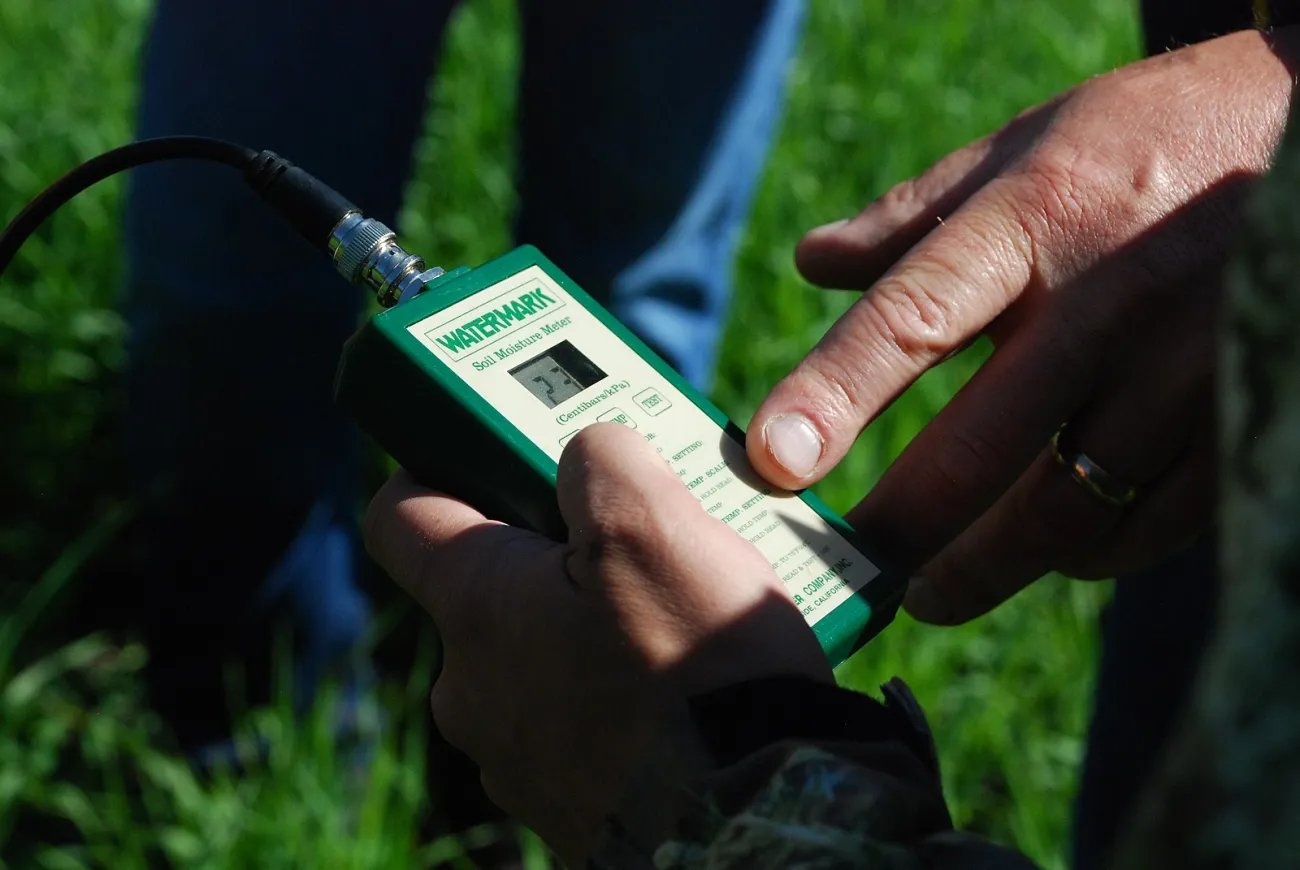
Image: USDA NRCS Montana, Soil moisture meter is used to measure soil moisture, Wikimedia Commons, Public domain
Journal articles
Limits to metrical governance in agricultural supply chains
FCRN member Susanne Freidberg of Dartmouth College has written this paper about the difficulties that companies such as food manufacturers face in gathering data about their food supply chains and using that data to promote sustainability. The paper is based on over fifty semi-structured interviews with companies and analysis of their data collection tools.
Read
Image
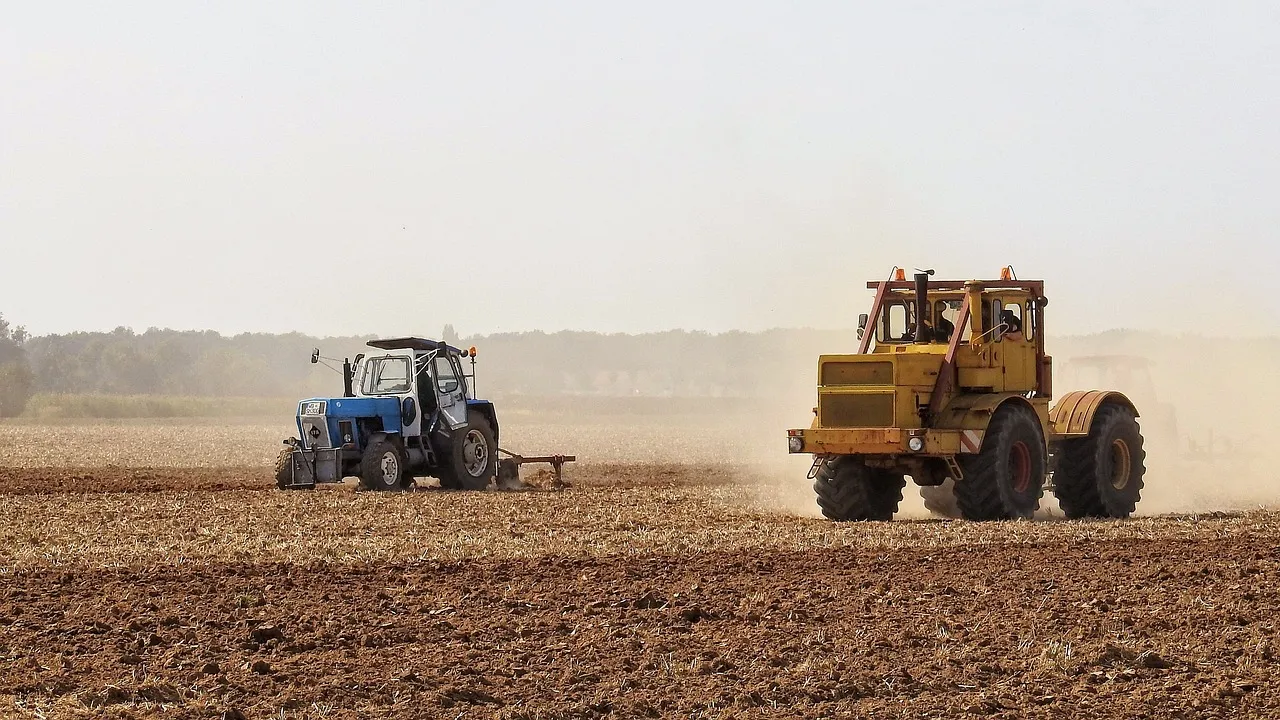
Image: Max Pixel, Agriculture Tractor Arable, CC0 Public Domain
Journal articles
Fighting hunger without pressuring the environment
This paper explores ways of ending hunger without causing excessive environmental damage. It finds that ending hunger through economic growth alone (an approach that would try to increase overall food availability without addressing food consumption inequality) would require 20% more food production by 2030 than in business-as-usual, as well as generating higher carbon emissions and using more agricultural land.
Read
  • VIEW MORE

Sign up for Fodder, our monthly newsletter unpacking the future of food.

Tick below to opt-in to email communications.

You can change your mind at any time by clicking the unsubscribe link in the footer of any email you receive from us, or by contacting us at info@tabledebates.org.

We use Mailchimp as our marketing platform. By clicking below to subscribe, you acknowledge that your information will be transferred to Mailchimp for processing. Learn more about Mailchimp's privacy practices.
  • Glossary
  • About
  • Our Writing
  • Podcasts
  • Resources

Social

YouTube Facebook Instagram

© Copyright 2025

A collaboration between: