Close
Login Register
Search
  • About
    • What We Do
    • Who We Are
    • FAQs
  • Our Writing
    • Explainers
    • Essays
    • Letterbox
    • Reports & More
  • Podcasts
  • Our Events
  • Projects
    • Power In The Food Systems
    • Local-Global Scale Project
    • MEAT: The Four Futures Podcast
    • Fuel To Fork
    • Nature
    • Reckoning with Regeneration
    • SHIFT
    • Games at TABLE
    • Rethinking the Global Soy Dilemma
  • Resources
  • Opportunities
    • Jobs
    • Funding
    • Courses
    • Collaborations
    • Events
  • Newsletter
  • TABLE (EN)
Search
Back

TABLE

Image
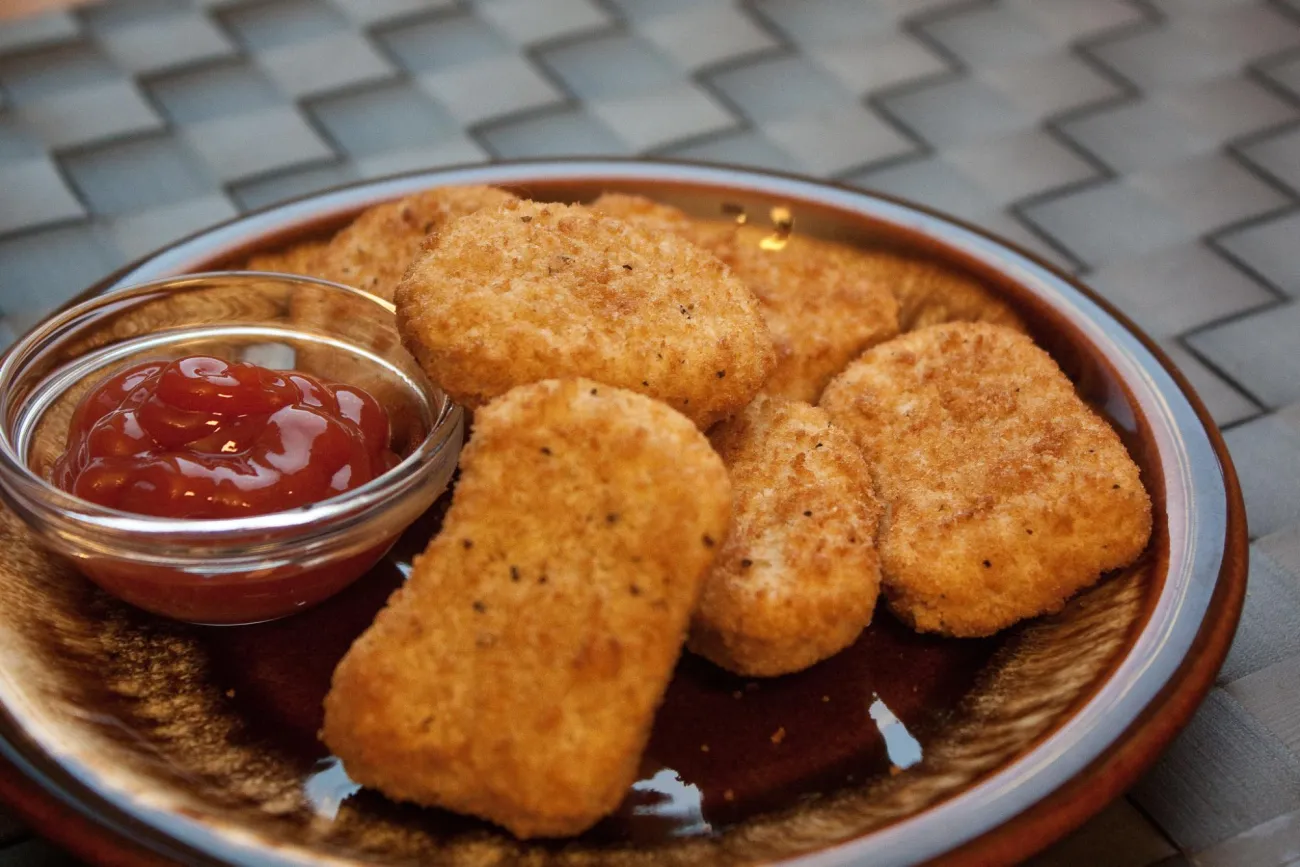
Image: Angie Six, Quorn Chick-n Nuggets, Flickr, Creative Commons Attribution-NoDerivs 2.0 Generic
Featured articles
Nutritional composition of modern meat analogues
This paper reviews the ingredients and nutrient contents of several plant-based meat alternatives (made from soy, other legumes, mycoprotein and cereals) and compares them to traditional meat products. It finds that no broad conclusions can be drawn about whether meat analogues or traditional meat products are healthier, with their composition varying between products.
Read
Image
News and resources
Apocalypse Cow documentary - is lab food the future?
In the documentary Apocalypse Cow, environmentalist and writer George Monbiot argues that much of the current farming system (except for fruit and vegetable production) will be replaced by food from microbes, freeing up large areas of land for rewilding and carbon sequestration. He also calls for fruit and vegetable farming to be reformed, e.g. by using deep-rooted cover crops to build soil fertility.
Read
Image
News and resources
Farm Gate podcast: climate and food security
Farmwel chief executive ffinlo Costain has launched a new podcast, Farm Gate, which focuses on practical solutions for climate and food security. The topics covered are relevant for everyone who eats food, but particularly intended for farmers, food chain professionals, and policy-makers. The FCRN’s Tara Garnett was interviewed in the episode Is 'vegan' a dirty word?
Read
Image
Books
Saving and using the world’s wild places
This book explores how people can work with natural landscapes and harvest resources sustainably. Examples in the book include cocoa farming in Ghana, orchards in Kent, palm oil production in Borneo and monocrop cultivation in the UK.
Read
Image
Reports
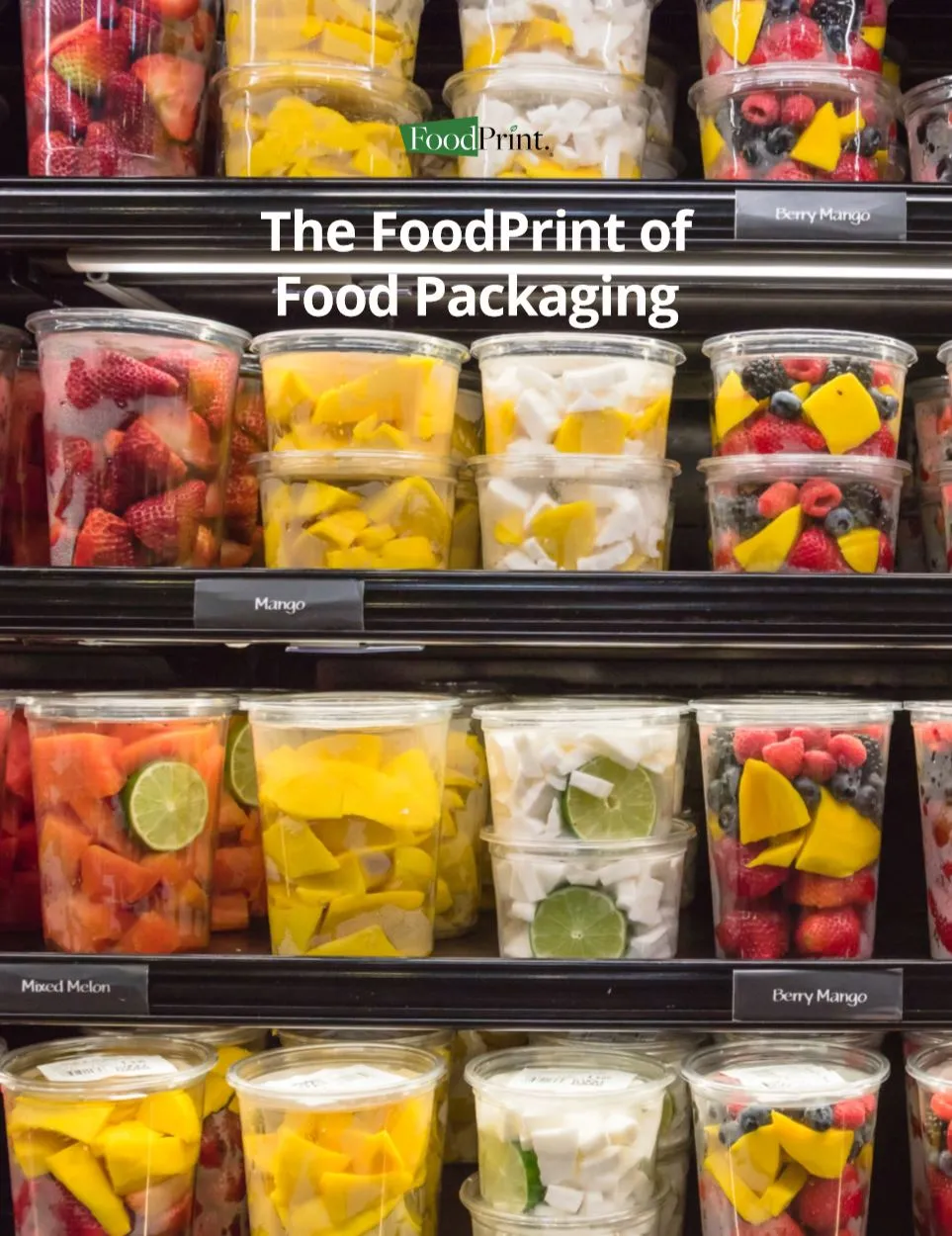
The FoodPrint of food packaging
This report from FoodPrint, part of the GRACE Communications Foundation, describes the problems associated with plastic, metal and paper/fibre food packaging. It also sets out potential solutions, including reusable food containers, plastics that can be more easily recycled, compostable packaging materials, and bans on certain types of packaging (e.g. plastic straws).
Read
Image
Reports
Digital collaboration in the food and drink supply chain
This report from the UK’s Internet of Food Things Network Plus discusses how digital technologies can help food system actors to collaborate on addressing food system challenges such as traceability, food safety, efficiency, sustainability, health and waste.
Read
Image
Reports
Good Food Retail: Six London boroughs taking action
In this report, the UK’s Sustain alliance describes progress made by six London boroughs in developing Good Food Retail projects (supported by Sustain). Projects included helping convenience stores to offer a greater range of healthy foods, and improving public awareness of and uptake of Healthy Start vouchers.
Read
Image
Reports
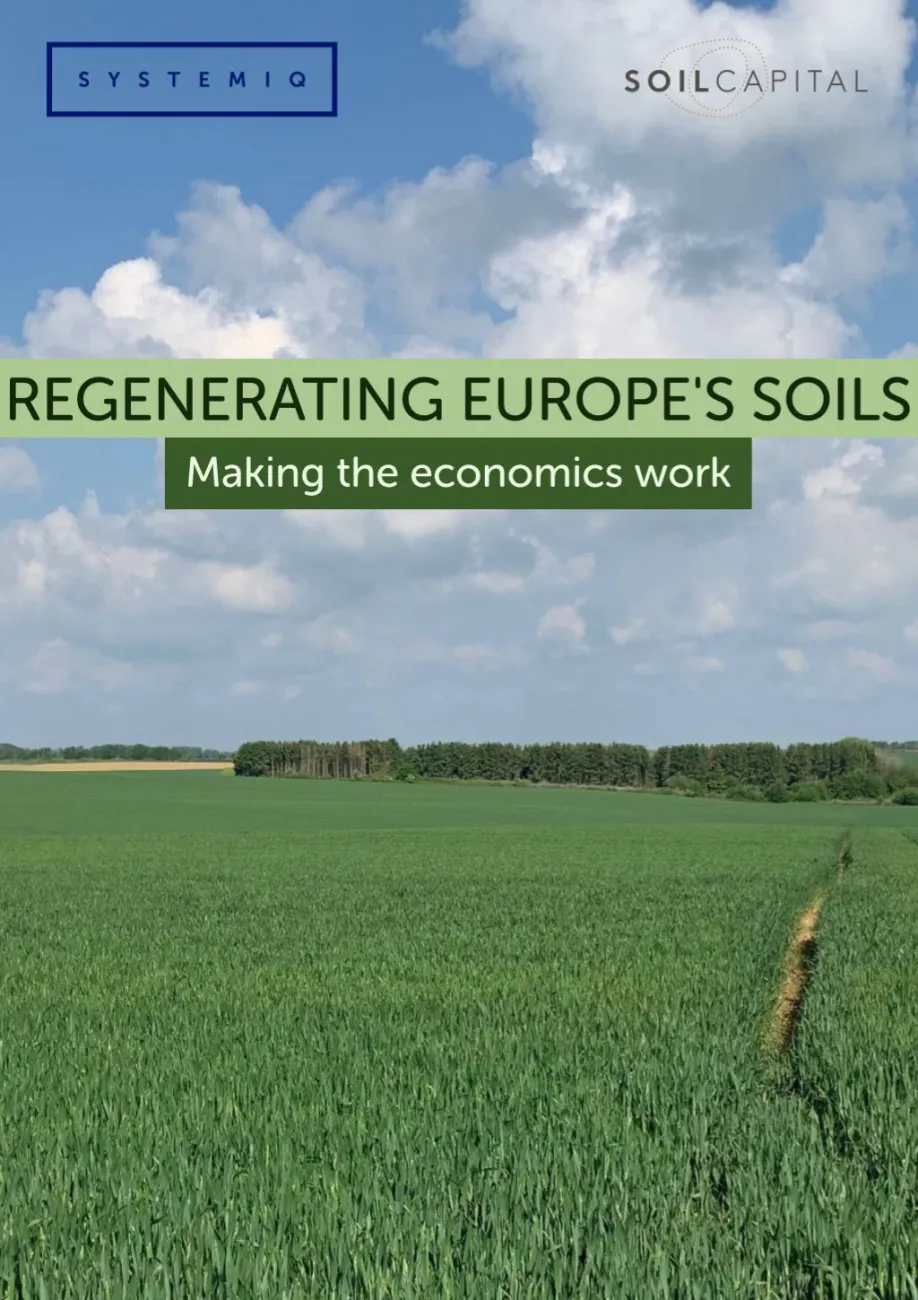
Regenerating Europe's soils: making the economics work
This report from international consultancy SYSTEMIQ sets out how farmers in different regions across Europe can transition profitably to regenerative agricultural practices. It estimates that soil degradation currently costs the European Union €97 billion per year, mostly in damage to human health. 
Read
Image
Frosted donuts hang on wooden pegs at a dessert stand. Photo by Anastasiia Chepinska via UnSplash.
Journal articles
Beyond the calories - is the problem in the processing?
This review paper argues that obesity and mortality in the United States could be reduced by limiting consumption of sugar-sweetened drinks and processed foods and meats, because of the tendency of processed foods to encourage people to eat more food (based on trials in people), and the inflammatory effect of emulsifiers such as carboxymethylcellulose and polysorbate-80 (based on mouse and in vitro studies, not studies in people).
Read
  • VIEW MORE

Sign up for Fodder, our monthly newsletter unpacking the future of food.

Tick below to opt-in to email communications.

You can change your mind at any time by clicking the unsubscribe link in the footer of any email you receive from us, or by contacting us at info@tabledebates.org.

We use Mailchimp as our marketing platform. By clicking below to subscribe, you acknowledge that your information will be transferred to Mailchimp for processing. Learn more about Mailchimp's privacy practices.
  • Glossary
  • About
  • Our Writing
  • Podcasts
  • Resources

Social

YouTube Facebook Instagram

© Copyright 2025

A collaboration between: