Close
Login Register
Search
  • About
    • What We Do
    • Who We Are
    • FAQs
  • Our Writing
    • Explainers
    • Essays
    • Letterbox
    • Reports & More
  • Podcasts
  • Our Events
  • Projects
    • Power In The Food Systems
    • Local-Global Scale Project
    • MEAT: The Four Futures Podcast
    • Fuel To Fork
    • Nature
    • Reckoning with Regeneration
    • SHIFT
    • Games at TABLE
    • Rethinking the Global Soy Dilemma
  • Resources
  • Opportunities
    • Jobs
    • Funding
    • Courses
    • Collaborations
    • Events
  • Newsletter
  • TABLE (EN)
Search
Back

TABLE

Image
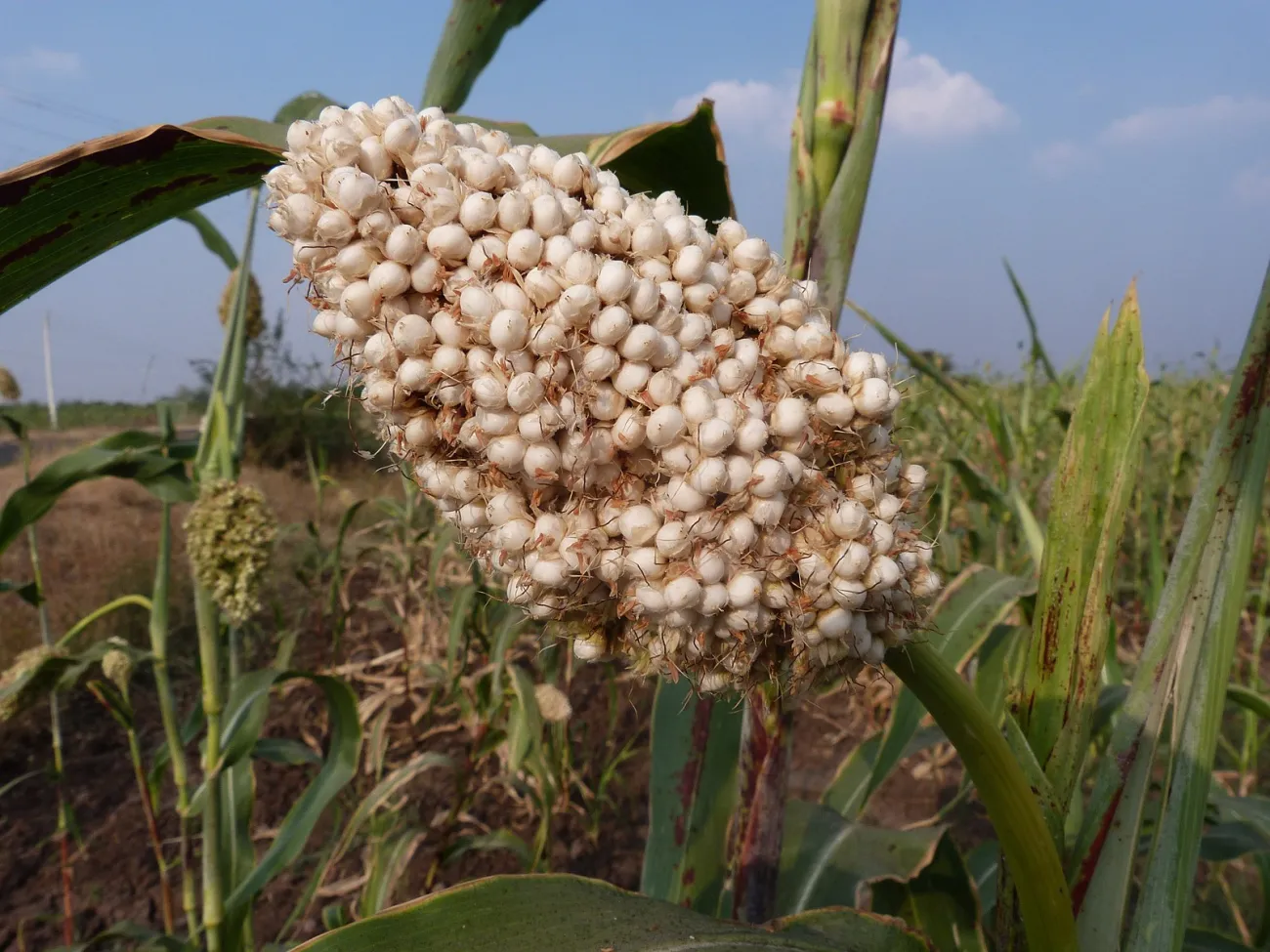
Image: Yuvraj Shingate, Dagadi Jowar, Aatpadi (Sorghum bicolor), Wikimedia Commons, Creative Commons Attribution-Share Alike 4.0 International
Journal articles
Sustainability of post-Green Revolution cereals in India
This paper finds that replacing some rice cultivation in India with other cereals such as sorghum and millet could improve nutrient supply, decrease carbon emissions and water use, and increase the resilience of India’s food system to extreme weather events. 
Read
Image
https://www.cell.com/one-earth/fulltext/S2590-3322(19)30134-4#%20
Journal articles
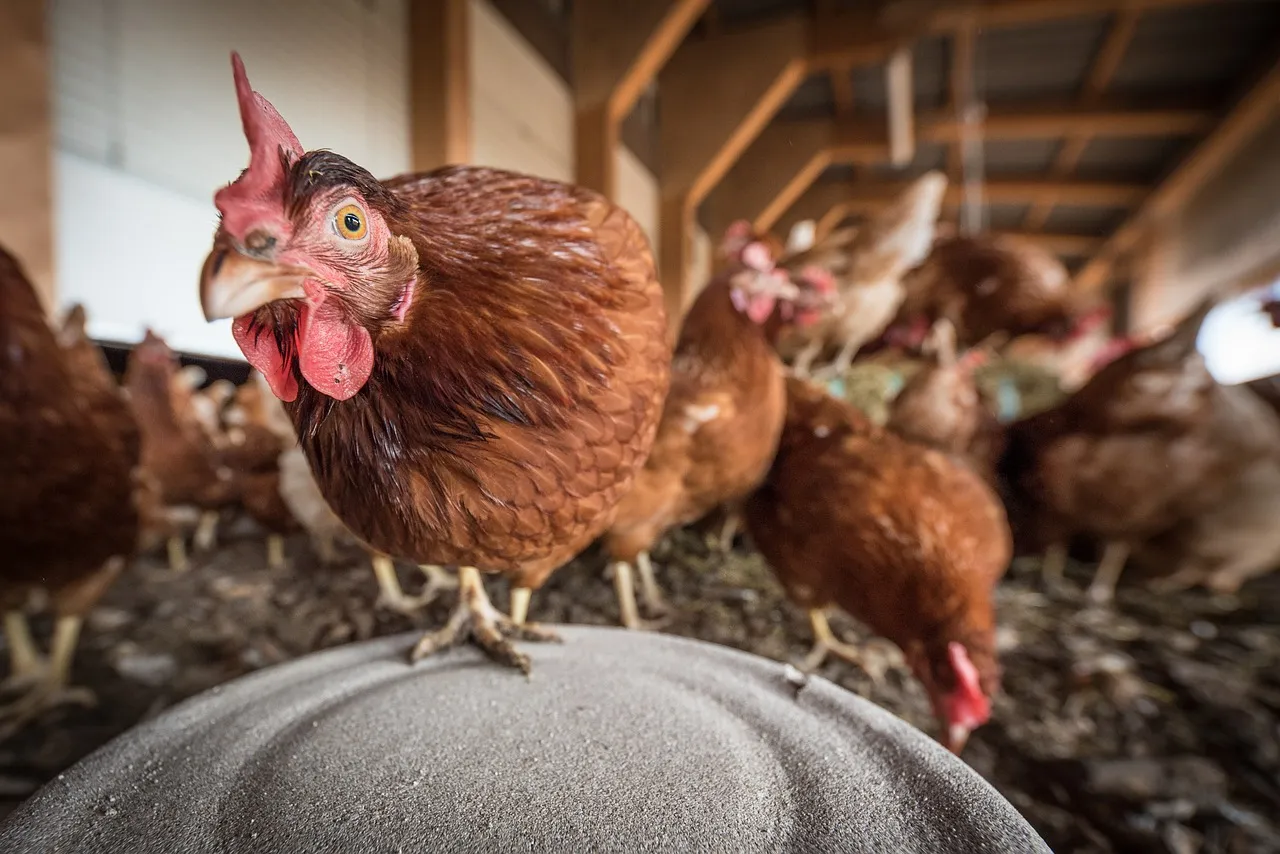
Win-win-wins for nutrition, environment & animal welfare
This paper assesses how nationally recommended diets across the world compare to average diets in the categories of human nutrition, environmental impacts and animal welfare. It finds that, in most countries, the recommended diets largely out-perform current diets in all three categories because of lower animal product consumption.
Read
Image
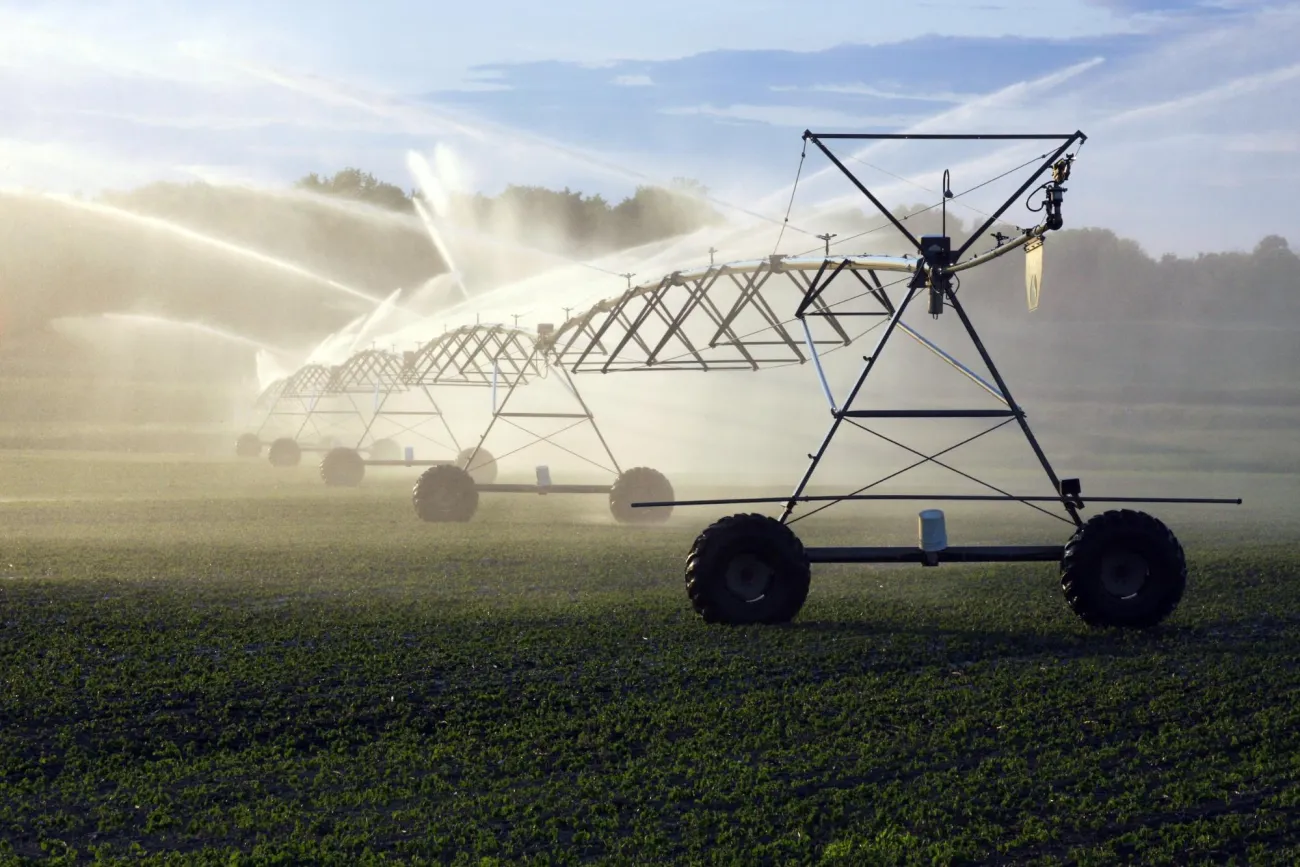
Image: Aqua Mechanical, Crop irrigation, Flickr, Creative Commons Attribution 2.0 Generic
Featured articles
Global review: the water footprint of diets
FCRN member Francesca Harris has co-authored this paper, which systematically reviews the water footprint of different types of diets around the world. The paper distinguishes between the use of blue water (ground and surface) and green water (rain). 
Read
Image
News and resources
Intensive agriculture and soil erosion
In this piece for The Conversation, Dan Evans, PhD researcher in soil science at Lancaster University, explains his research on rates of soil formation and erosion. His measurements on a farm in Nottinghamshire, UK suggest that the top 30 cm of soil there could disappear within 138 years because the rate of erosion exceeds the rate of soil formation. 
Read
Image
News and resources
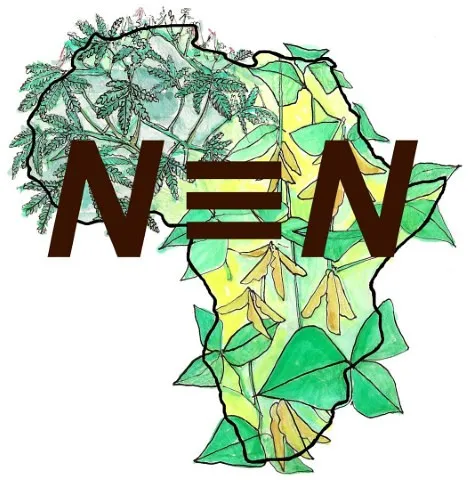
The story of N2Africa: legumes for nitrogen fixation
FCRN member Ken Giller, professor of Plant Production Systems at Wageningen University & Research, has contributed to the online magazine “The Story of N2Africa”, which tells stories from the last ten years of the project N2Africa: Putting nitrogen fixation to work for smallholder farmers in Africa.
Read
Image
Books
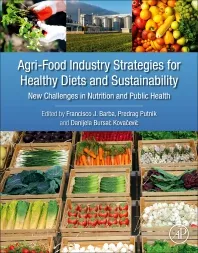
Industry strategies for healthy diets and sustainability
This book explores how the design of new food products can contribute to healthy diets and discusses the role of the food industry and government in shaping health policies.
Read
Image
Reports
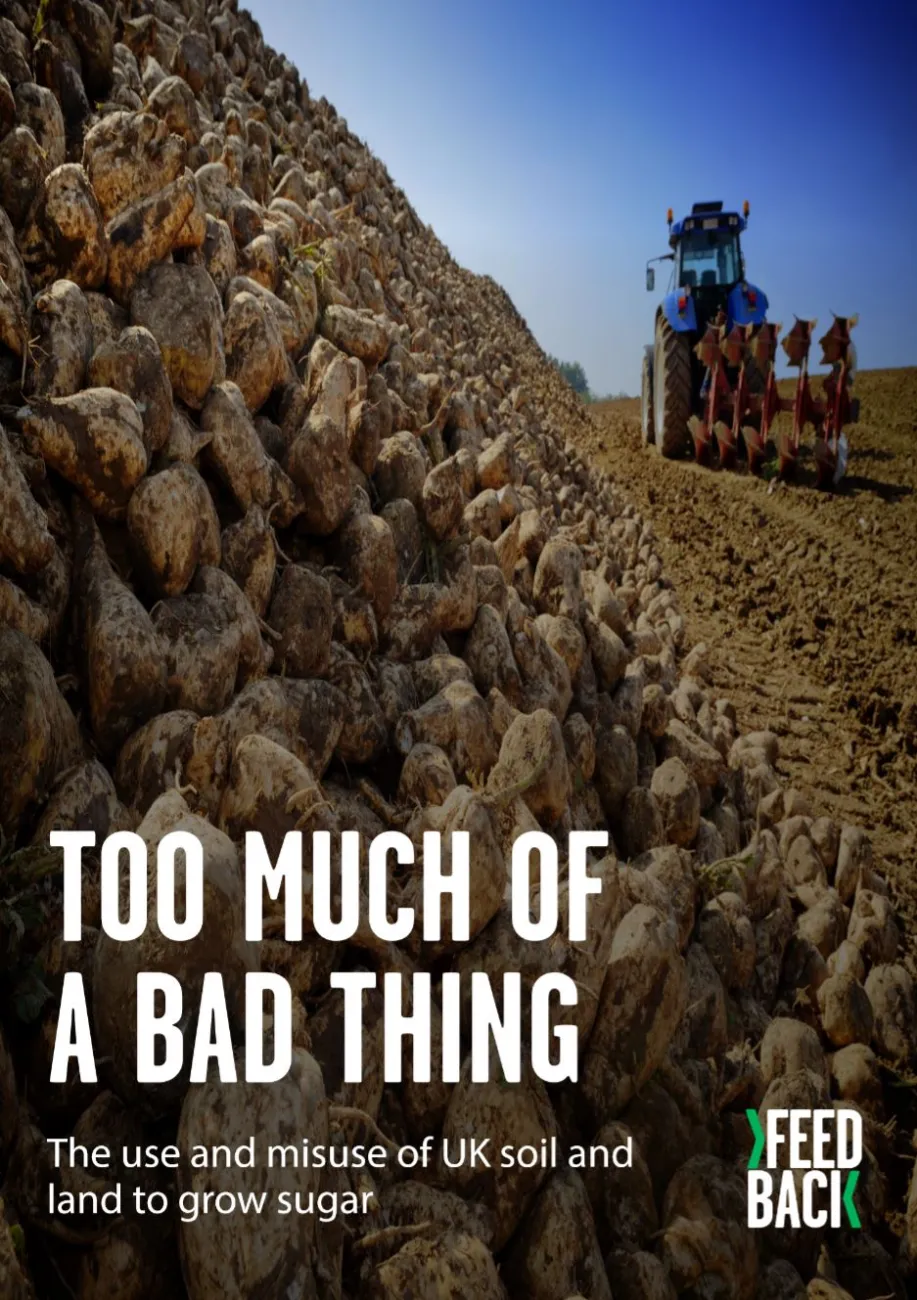
Use and misuse of UK soil and land to grow sugar beet
This report from UK food waste charity Feedback examines the impacts of UK sugar production. It finds that the area of farmland used to produce sugar beet in the UK - 110,000 hectares - is similar to the area devoted to UK vegetable production. The report argues that sugar beet harvesting is damaging to the soil.
Read
Image
Reports
Catering to the climate: Earth-friendly menus at events
This report from the US nonprofit Centre for Biological Diversity quantifies the environmental impacts (climate, habitat loss and water use) of caterers or events planners switching from a “conventional American dining menu” (including dairy, beef and other meats) to a mostly plant-based alternative menu. 
Read
Image
Reports
Impacts of N2Africa project in Ghana and Ethiopia
This paper from the UK’s Institute of Development Studies analyses how the project N2Africa: Putting nitrogen fixation to work for smallholder farmers in Africa has contributed to development outcomes in Ghana and Ethiopia. 
Read
  • VIEW MORE

Sign up for Fodder, our monthly newsletter unpacking the future of food.

Tick below to opt-in to email communications.

You can change your mind at any time by clicking the unsubscribe link in the footer of any email you receive from us, or by contacting us at info@tabledebates.org.

We use Mailchimp as our marketing platform. By clicking below to subscribe, you acknowledge that your information will be transferred to Mailchimp for processing. Learn more about Mailchimp's privacy practices.
  • Glossary
  • About
  • Our Writing
  • Podcasts
  • Resources

Social

YouTube Facebook Instagram

© Copyright 2025

A collaboration between: