Close
Login Register
Search
  • About
    • What We Do
    • Who We Are
    • FAQs
  • Our Writing
    • Explainers
    • Essays
    • Letterbox
    • Reports & More
  • Podcasts
  • Our Events
  • Projects
    • Power In The Food Systems
    • Local-Global Scale Project
    • MEAT: The Four Futures Podcast
    • Fuel To Fork
    • Nature
    • Reckoning with Regeneration
    • SHIFT
    • Games at TABLE
    • Rethinking the Global Soy Dilemma
  • Resources
  • Opportunities
    • Jobs
    • Funding
    • Courses
    • Collaborations
    • Events
  • Newsletter
  • TABLE (EN)
Search
Back

TABLE

Image
Reports
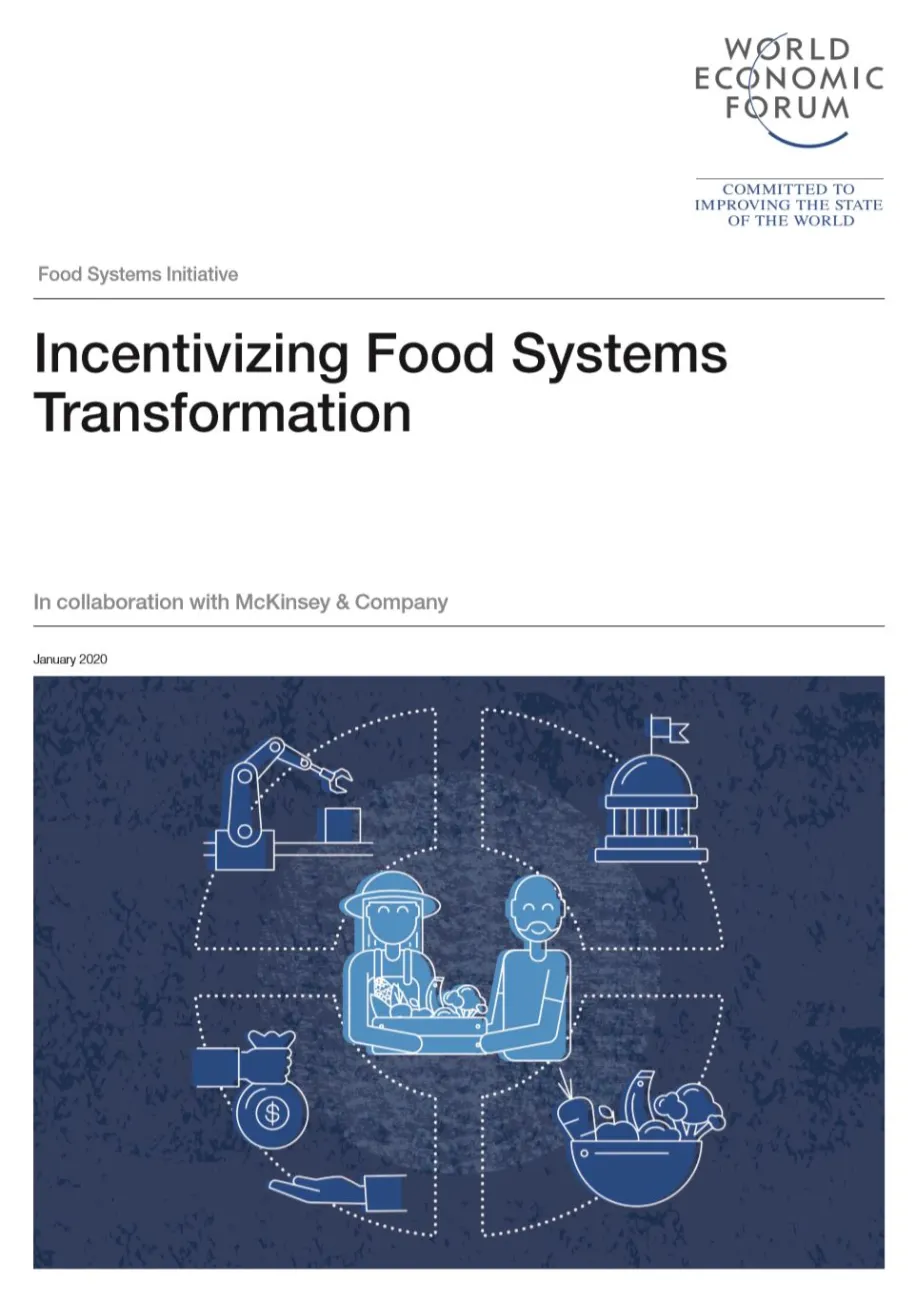
Incentivising food systems transformation
This report, by the global NGO World Economic Forum and the management consultancy McKinsey & Company, sets out four pathways by which food systems stakeholders can be encouraged to bring about a transformation in food production, supply chains and diets.
Read
Image
Reports
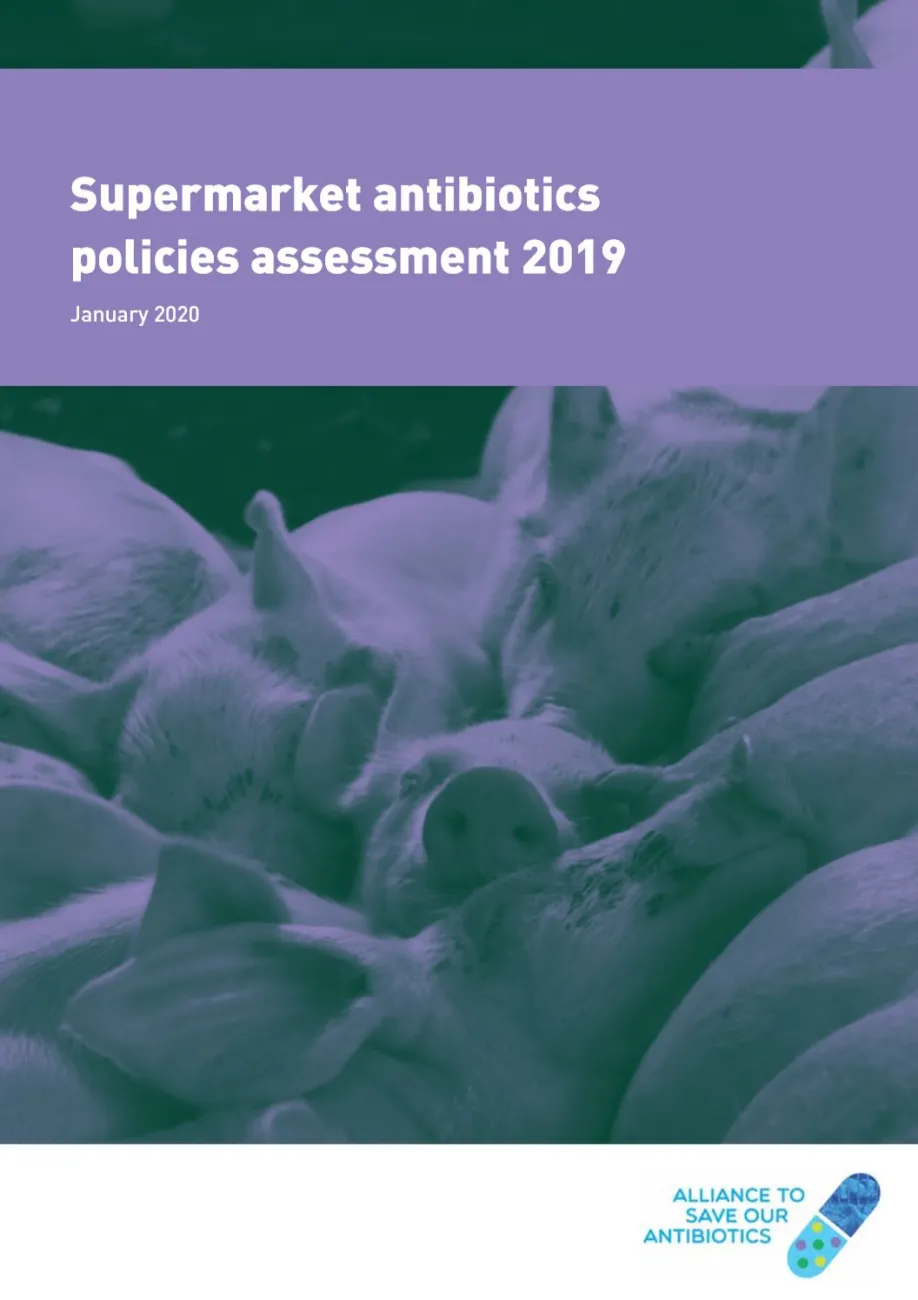
Supermarket antibiotics policies assessment
This report by the European Alliance to Save Our Antibiotics assesses the antibiotics policies of ten leading British supermarkets. It finds that six out of the ten supermarkets ban their suppliers from routinely using antibiotics, with Waitrose having the most comprehensive antibiotic policies. 
Read
Image
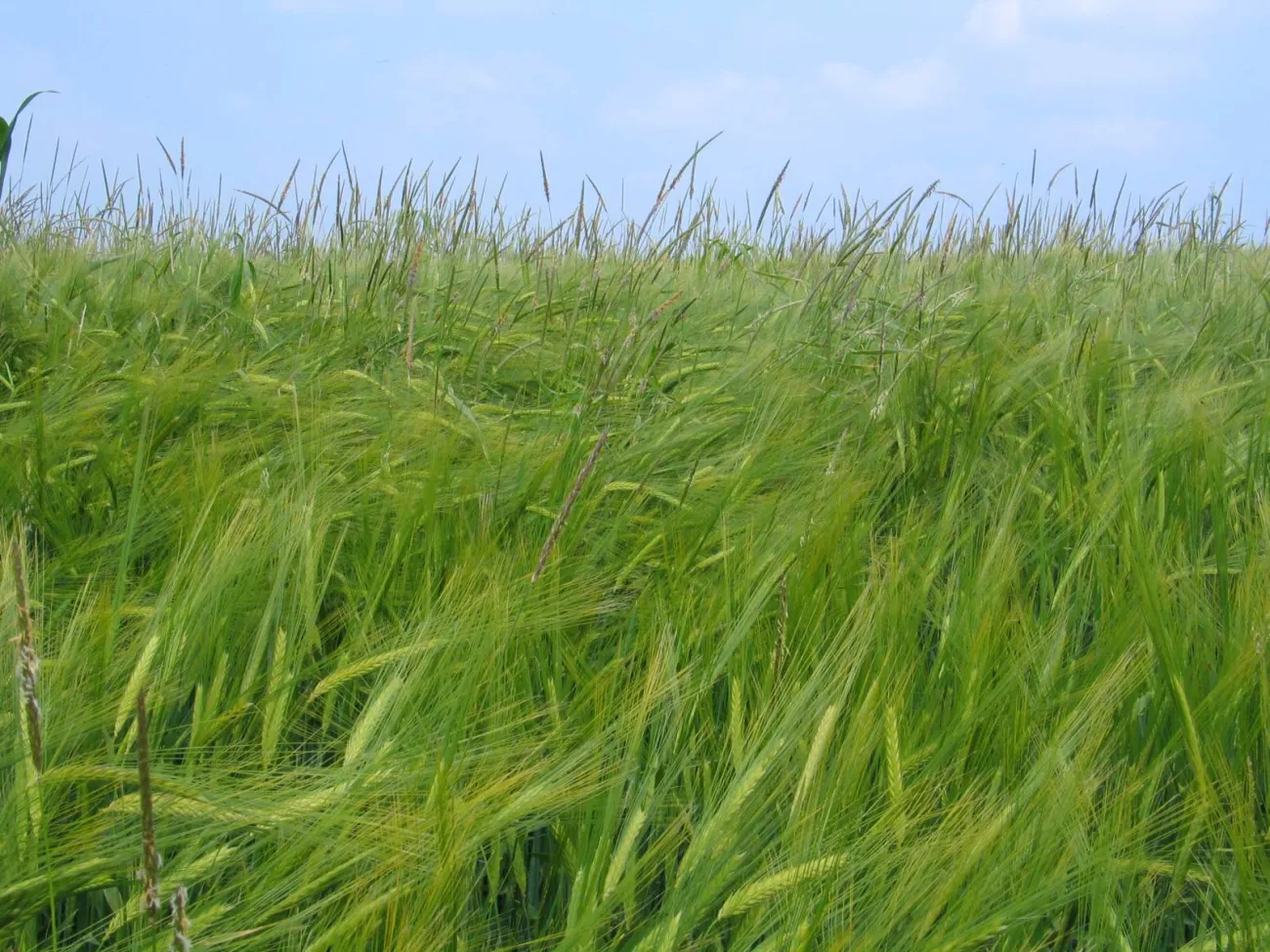
Image: Oliver Macdonald Maccheek, Alopecurus myosuroides (Black-grass) in a barley crop, Wikimedia Commons, Creative Commons Attribution-Share Alike 3.0 Unported
Journal articles
One weed’s herbicide resistance costs England £0.4 billion
This paper quantifies the economic impact of herbicide resistance developed by the weed Alopecurus myosuroides (black-grass). It finds that the annual cost of this resistance is £0.4 billion each year in England, based on lost profit from lower crop yields. The global cost of herbicide resistance could be much higher, as there are 253 known herbicide-resistant weeds. 
Read
Image
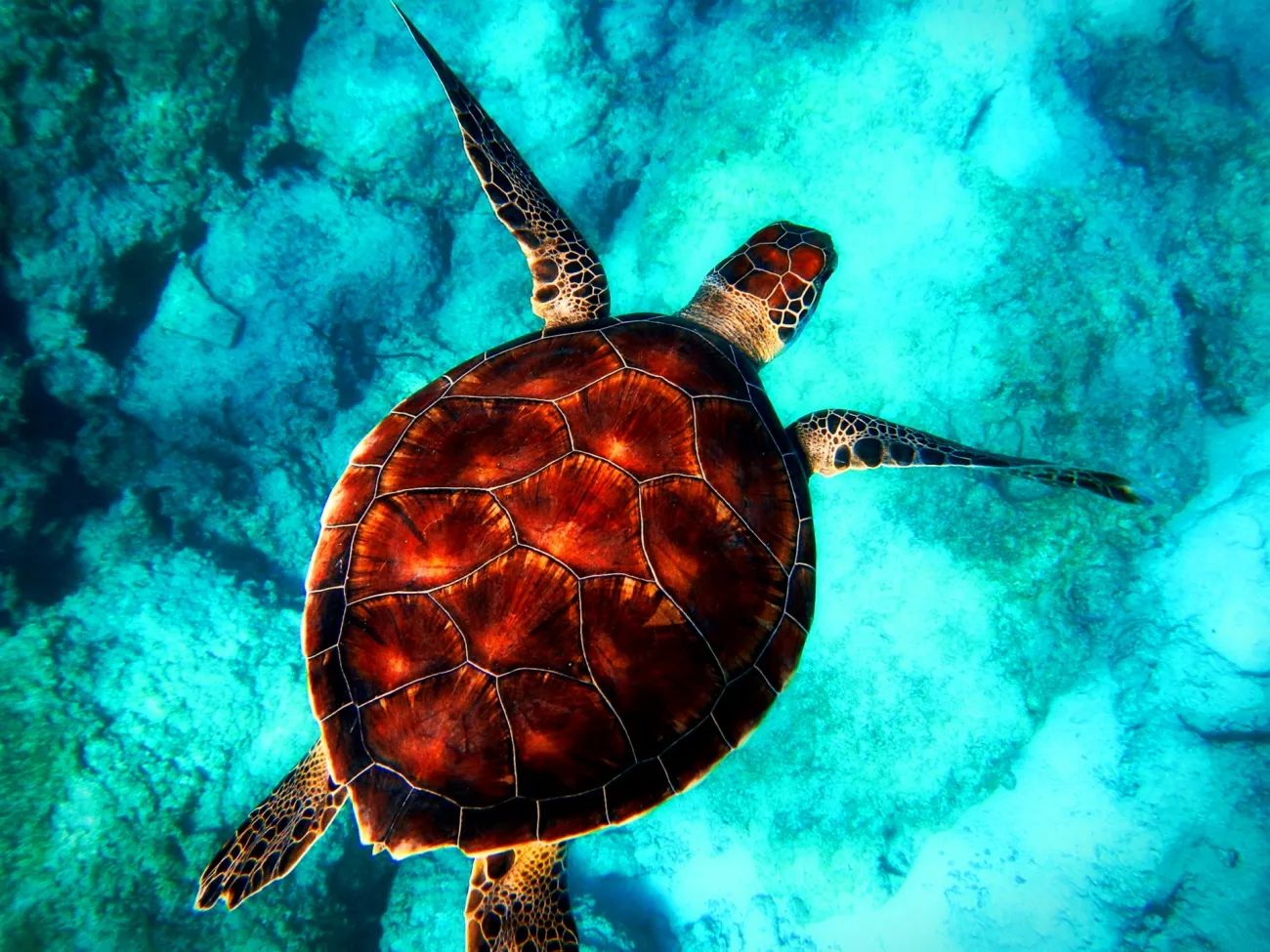
Image: http://fshoq.com, Sea turtle in the ocean, Creative Commons Attribution 4.0 International
Journal articles
Mobile protected areas for biodiversity on the high seas
This paper argues that international measures to protect marine biodiversity should include protected areas that can move over space and time to adapt to the changing ranges of certain species, whether because the species in question are migratory, or because their ranges are changing because of climate change.
Read
Image
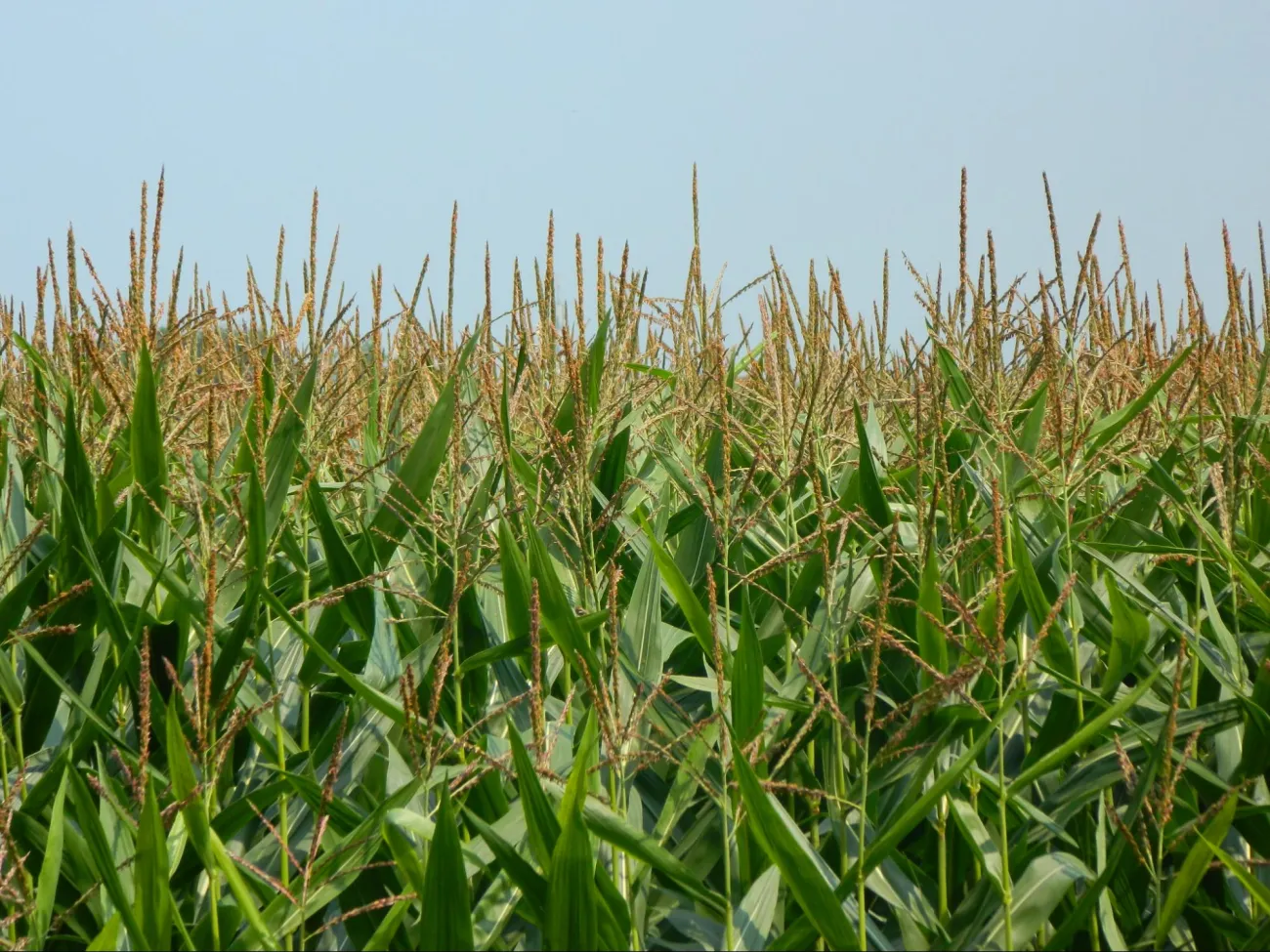
Image: Ruben Holthuijsen, CornField, Flickr, Creative Commons Attribution 2.0 Generic
Featured articles
Conservation tillage can slightly increase yields
This paper used satellites to observe the effect on yield of conservation tillage practices, such as reducing soil disturbance and leaving crop residues in the field, in the United States Corn Belt. The researchers found that long-term conservation tillage (i.e. from 2008 to 2017) was associated with a 3.3% increase in maize yields and a 0.74% yield increase for soybeans.
Read
Image
News and resources
United Nations plans to protect 30% of land and sea
The United Nations Convention on Biological Diversity has released a draft plan to protect biodiversity, ahead of a summit in China in October. The plan sets out 20 actions which could, by 2030, “put biodiversity on a path to recovery for the benefit of planet and people”.
Read
Image
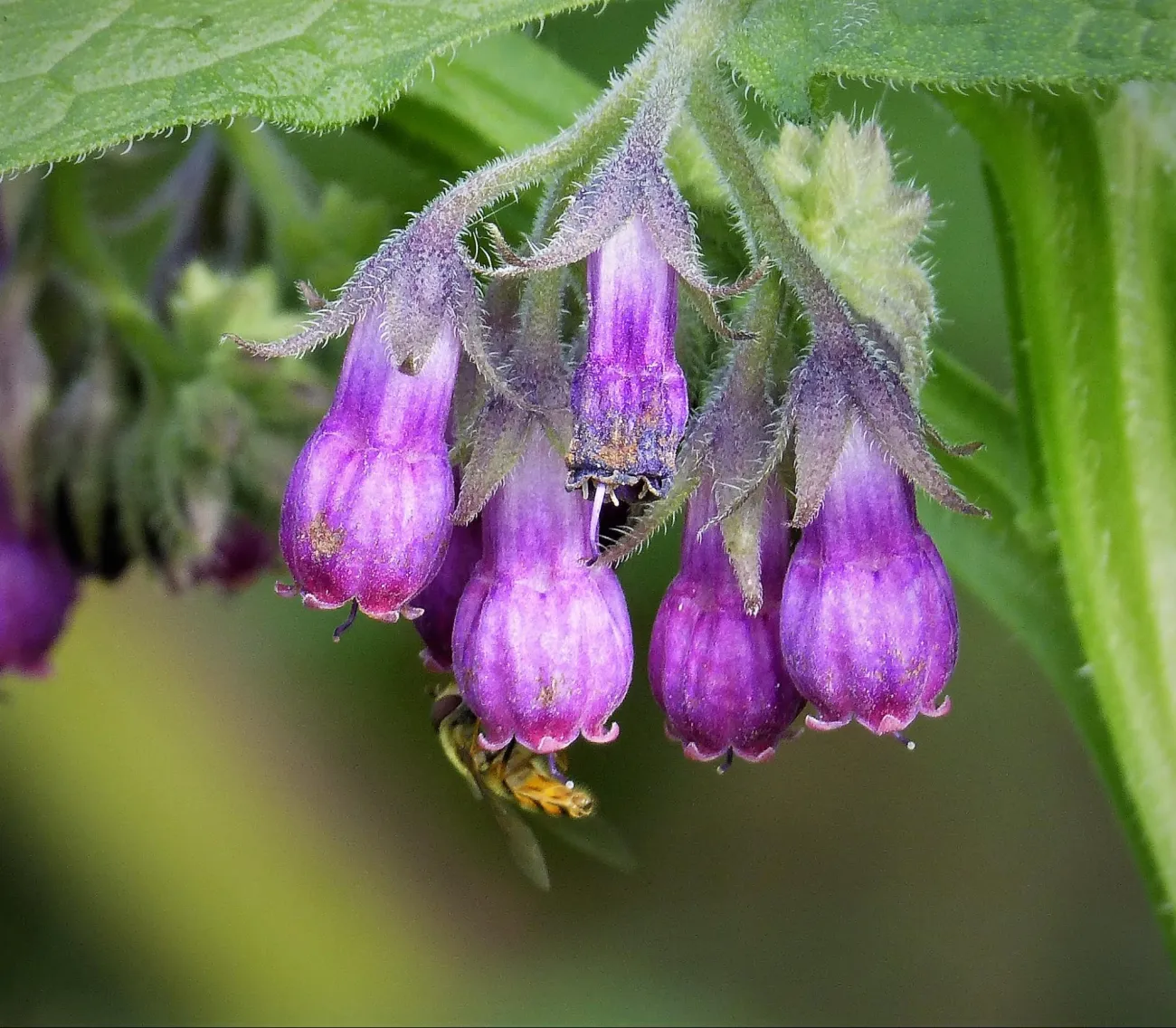
Image: gailhampshire, Symphytum officinale blue-flowered Common Comfrey, Flickr, Creative Commons Attribution 2.0 Generic
News and resources
Are organic vegetables vegan?
This Guardian article discusses farms that are growing crops organically without using animal manure or blood and bone meal, in contrast to most organic farms. This approach is not yet widespread, with only around 50 such farms in the United States. Relevant organisations include the Biocyclic Vegan Standard and the Vegan Organic Network.
Read
Image
Books
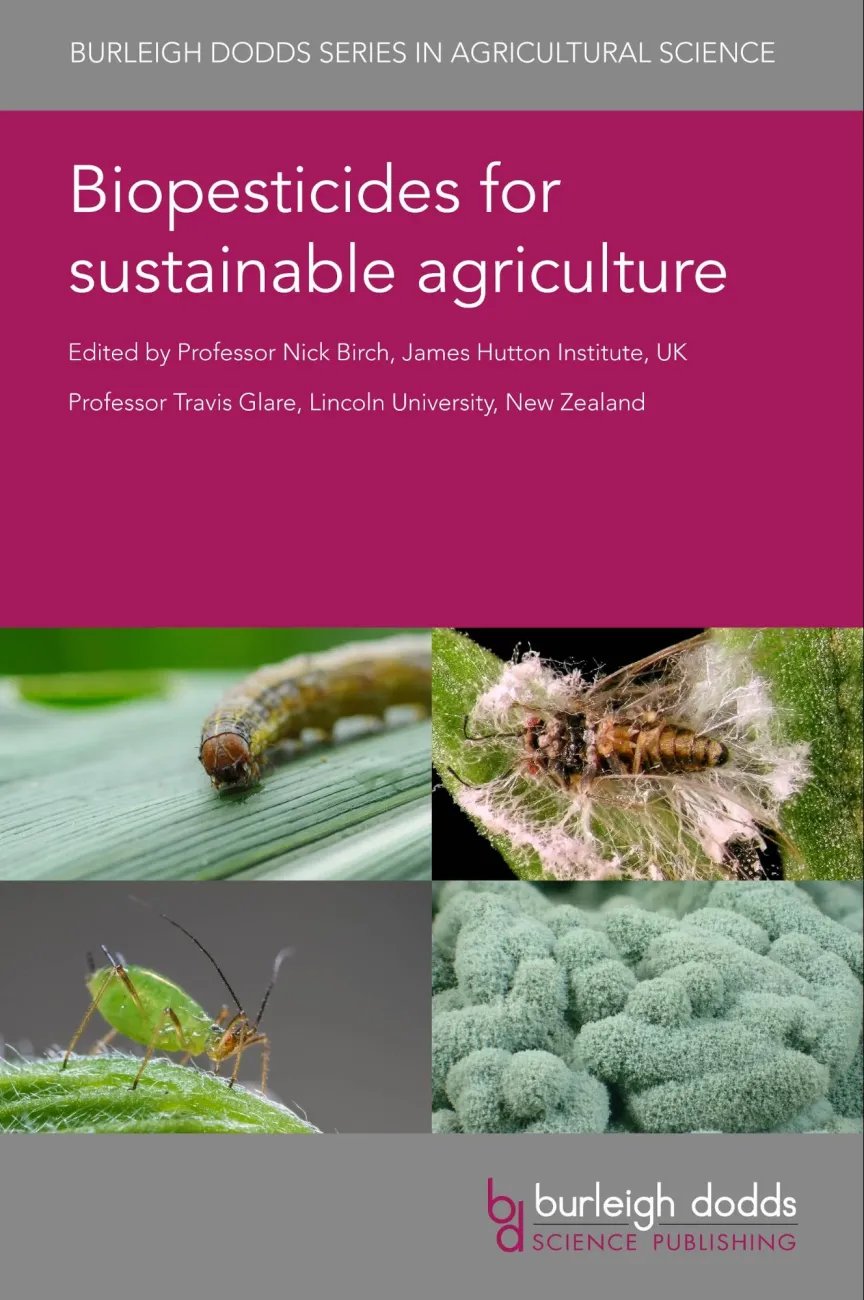
Biopesticides for sustainable agriculture
This book reviews research on the development of biopesticides, including those based on microbes, natural substances and pheromones.
Read
Image
Books
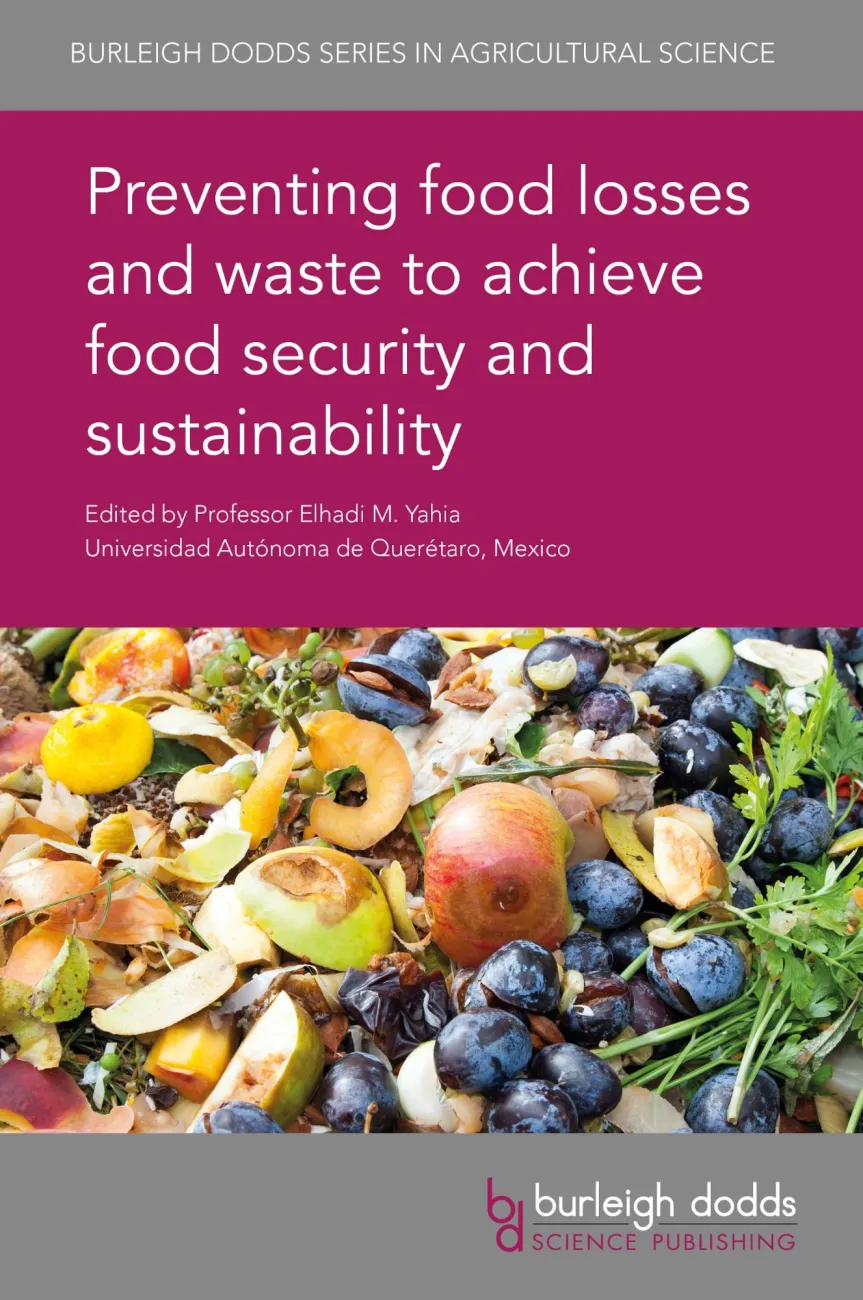
Preventing food losses and waste for food security
This book addresses food loss and waste from a range of perspectives, looking at key stages in the supply chain, different types of commodity and different regions in the world.
Read
  • VIEW MORE

Sign up for Fodder, our monthly newsletter unpacking the future of food.

Tick below to opt-in to email communications.

You can change your mind at any time by clicking the unsubscribe link in the footer of any email you receive from us, or by contacting us at info@tabledebates.org.

We use Mailchimp as our marketing platform. By clicking below to subscribe, you acknowledge that your information will be transferred to Mailchimp for processing. Learn more about Mailchimp's privacy practices.
  • Glossary
  • About
  • Our Writing
  • Podcasts
  • Resources

Social

YouTube Facebook Instagram

© Copyright 2025

A collaboration between: