Close
Login Register
Search
  • About
    • What We Do
    • Who We Are
    • FAQs
  • Our Writing
    • Explainers
    • Essays
    • Letterbox
    • Reports & More
  • Podcasts
  • Our Events
  • Projects
    • Power In The Food Systems
    • Local-Global Scale Project
    • MEAT: The Four Futures Podcast
    • Fuel To Fork
    • Nature
    • Reckoning with Regeneration
    • SHIFT
    • Games at TABLE
    • Rethinking the Global Soy Dilemma
  • Resources
  • Opportunities
    • Jobs
    • Funding
    • Courses
    • Collaborations
    • Events
  • Newsletter
  • TABLE (EN)
Search
Back

TABLE

Image
Books
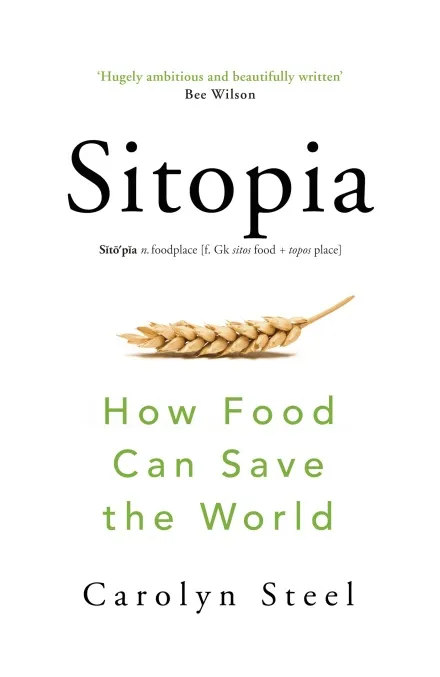
Sitopia: How food can save the world
This book by Carolyn Steel sets out a vision for a healthier, more ethical future food system. It discusses climate change mitigation, new food technologies, and the relation of food to ideas of a good life.
Read
Image
Reports
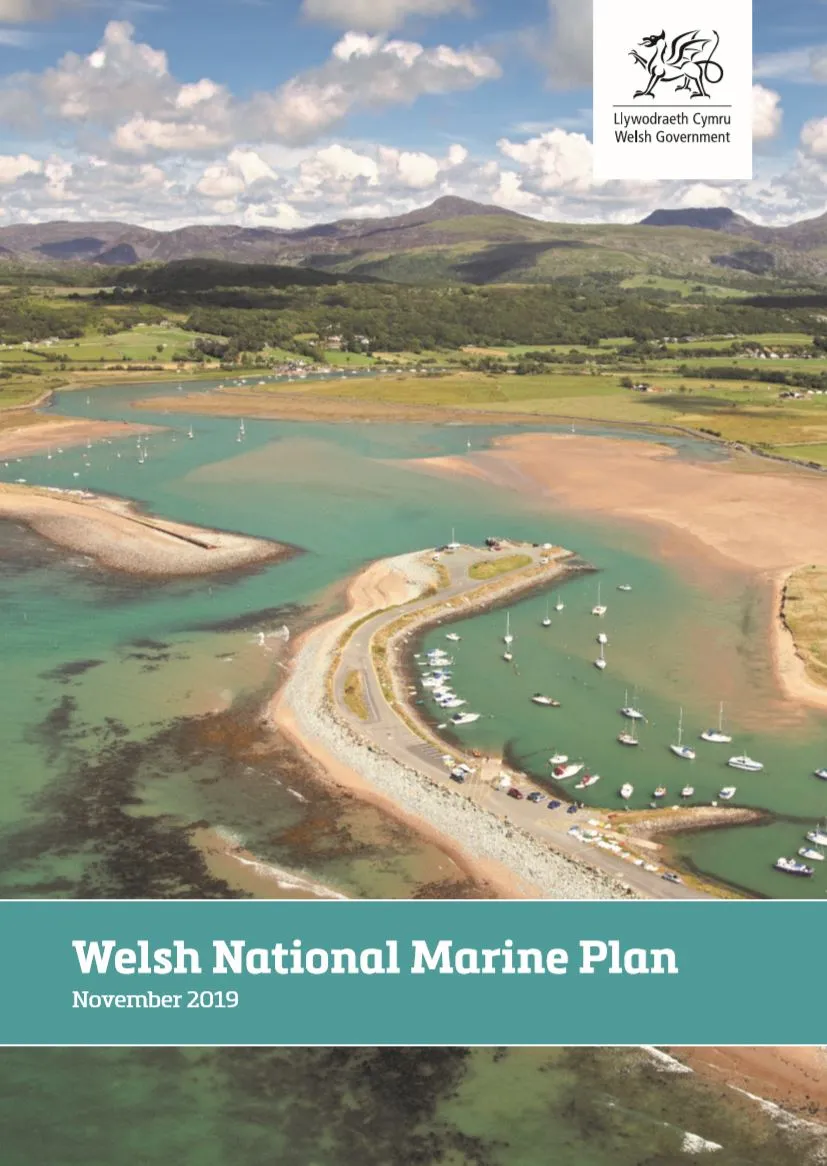
Welsh National Marine Plan
This report sets out the Welsh Government’s plan for managing its seas for economic, social, cultural and environmental objectives, including sustainable fisheries management (p114 of the report) and aquaculture for finfish, shellfish and algae for food, energy and pharmaceuticals (p80).
Read
Image
Reports
State of the Nation report into children’s food in England
This report from the UK Soil Association’s Food for Life initiative explores the state of children’s food in England. It finds that 4 in 10 children leaving primary school will be overweight or obese by 2024, nine out of ten preschool children eat too much sugar and UK families eat the most ultra-processed diet in Europe.
Read
Image
Reports
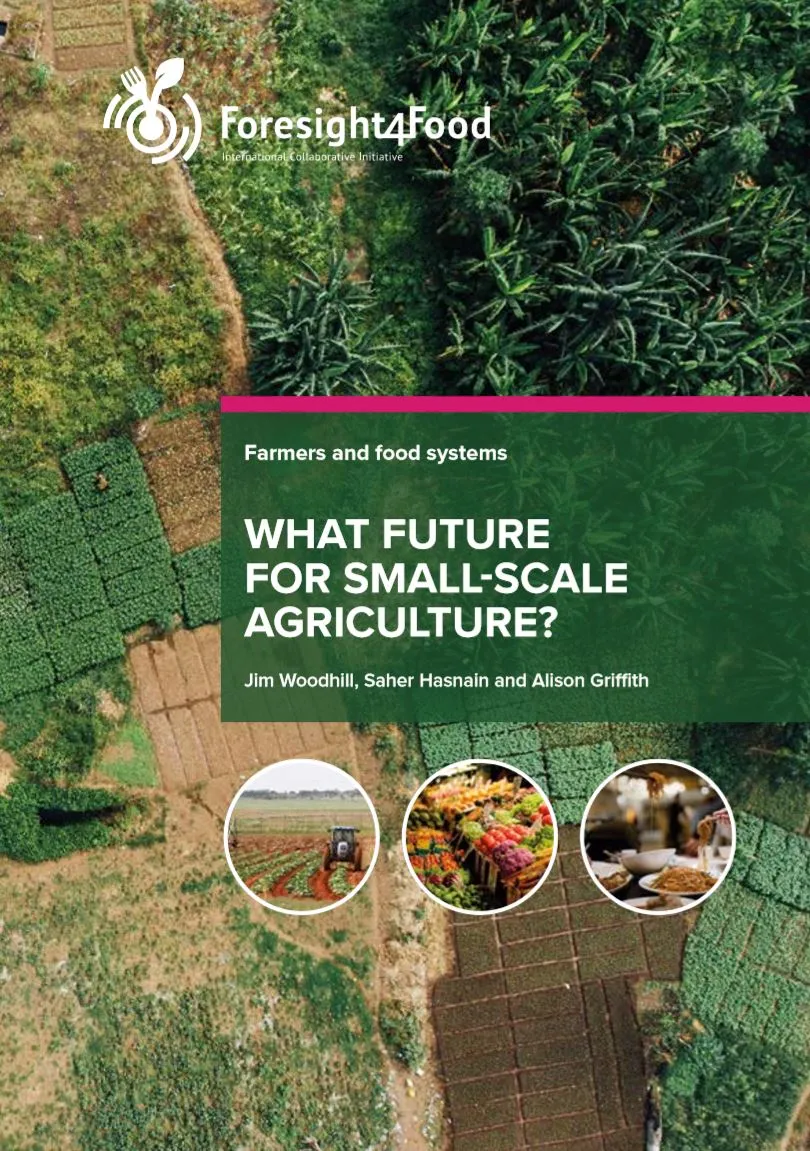
Smallholder farming report
This report from the Food Systems Group of Oxford’s Environmental Change Institute argues that small-scale (less than 20 ha) family farms are and will continue to be important suppliers of food in middle- and low-income countries, and that oversimplified narratives get in the way of effective policymaking.
Read
Image
Reports
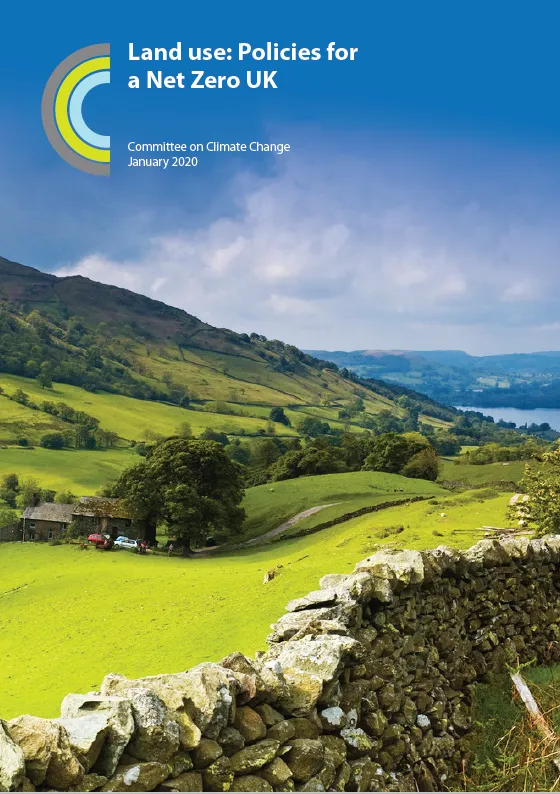
Land Use: Policies for a Net Zero UK
The UK’s Committee on Climate Change (CCC) has set out its policy recommendations on agriculture and land use, aiming to reduce the UK’s land-based emissions by 64% by 2050. The CCC estimates that its recommendations could produce £4 billion worth of benefits each year, including reduction of greenhouse gas emissions, recreational value of new woodland, better air quality and flood alleviation.
Read
Image
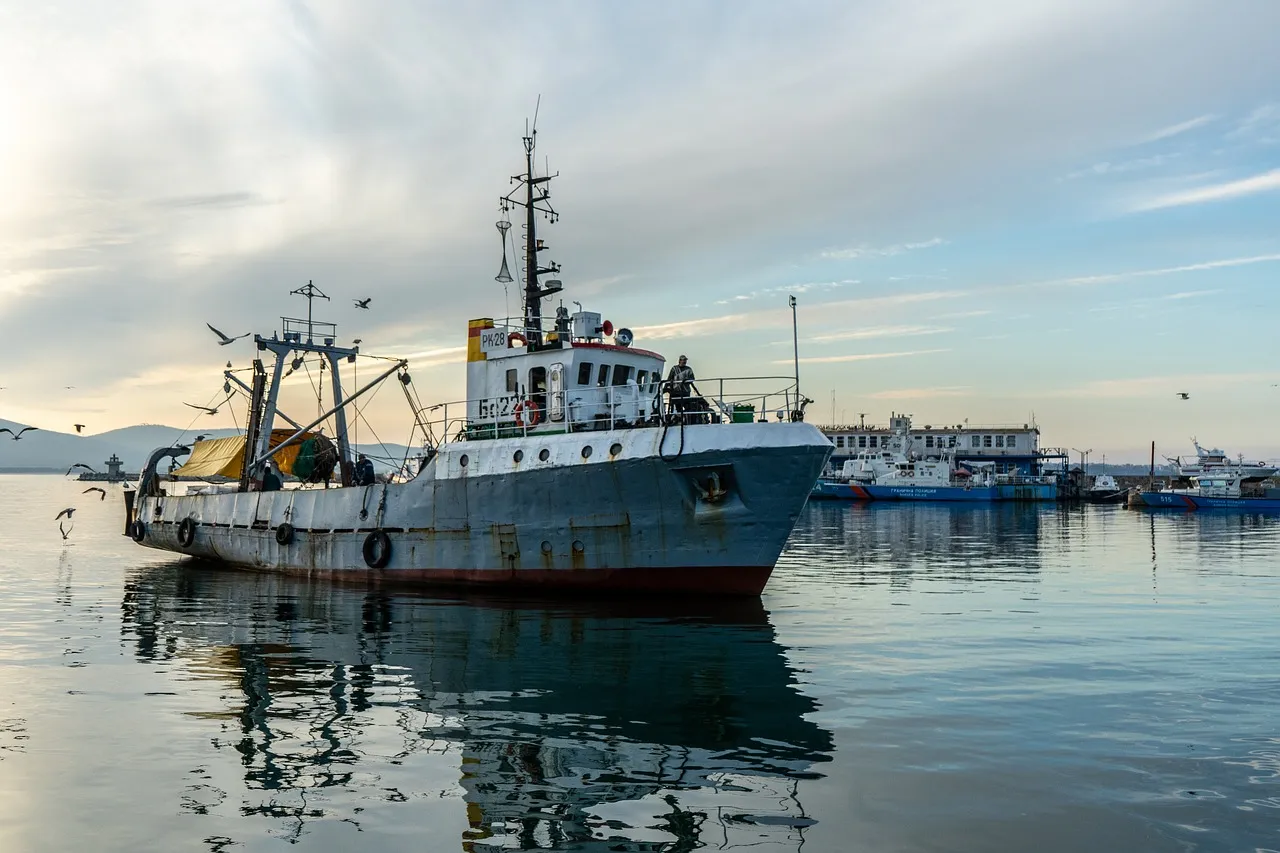
Image: Anestiev, Nave Da Pesca, Pixabay, Pixabay Licence
Journal articles
Effective fisheries management improves fish stock status
This paper reviews abundance and catch levels in around half of global fisheries (those for which information is available). It finds that, on average, fish stocks are increasing in these regions. Fisheries that are managed intensively tend to have more fish than those that are not. Management intensity is defined by a “fishery management index”, and refers to whether levels of fishing are kept below a certain target for each fishery.
Read
Image
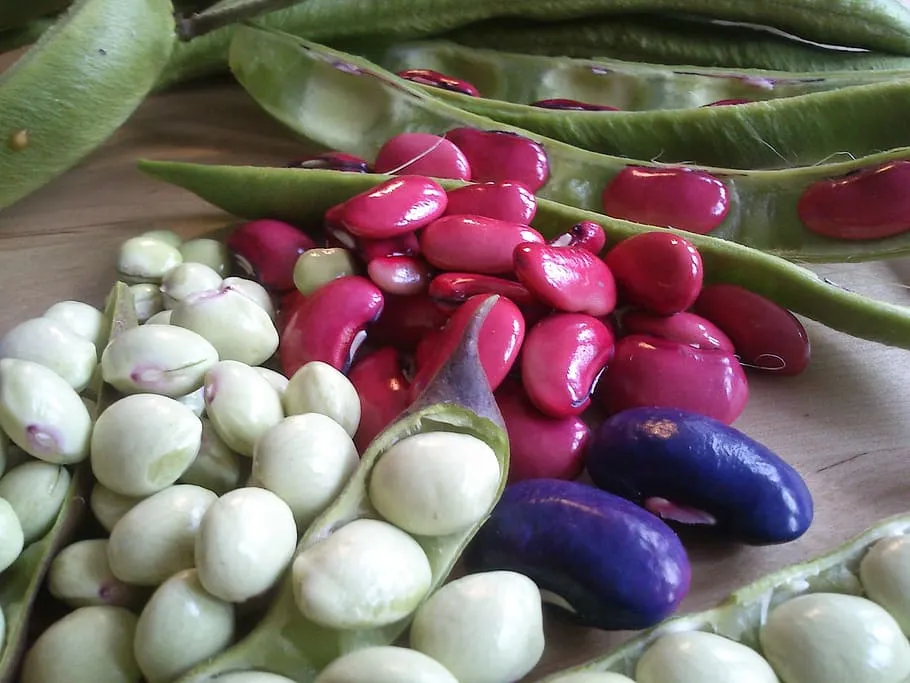
Image: Pxfuel, pink, white, blue, CC0 Public Domain
Journal articles
Healthy and climate-friendly diets in New Zealand
This paper by FCRN member Jono Drew investigates whether healthy and climate-friendly diets might vary from global recommendations in the context of New Zealand (using food carbon footprints specific to New Zealand, where possible). It finds that shifting diets towards whole plant foods (such as vegetables, fruits, legumes, and whole grains) and away from red and processed meat would have large health and climate benefits, consistent with recent global recommendations.
Read
Image
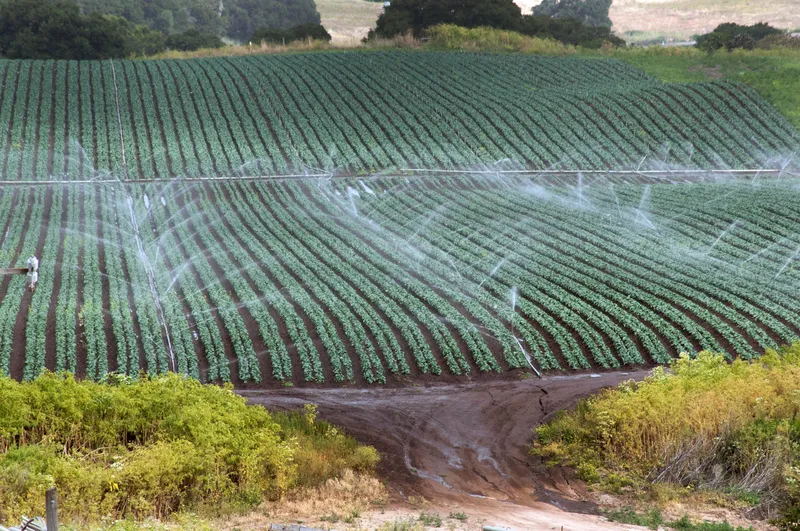
Image: USDA, Sprinkler watering Farm in California, Good Free Photos, Public Domain
Featured articles
Food system U-turn could feed ten billion people
This paper finds that over ten billion people could be fed within the constraints of four planetary boundaries (biosphere integrity, land-system change, freshwater use, and nitrogen flows), if the food system undergoes a “technological-cultural U-turn”.
Read
Image
News and resources
The environmental potential of free trade
This article by Caroline Grunewald and Dan Blaustein-Rejto, both of of the US Breakthrough Institute think-tank, argues that the environmental movement fails to appreciate the environmental benefits that can result from free trade, by enabling producer countries with lower environmental impacts per unit of food to displace products from countries with higher environmental impacts.
Read
  • VIEW MORE

Sign up for Fodder, our monthly newsletter unpacking the future of food.

Tick below to opt-in to email communications.

You can change your mind at any time by clicking the unsubscribe link in the footer of any email you receive from us, or by contacting us at info@tabledebates.org.

We use Mailchimp as our marketing platform. By clicking below to subscribe, you acknowledge that your information will be transferred to Mailchimp for processing. Learn more about Mailchimp's privacy practices.
  • Glossary
  • About
  • Our Writing
  • Podcasts
  • Resources

Social

YouTube Facebook Instagram

© Copyright 2025

A collaboration between: