Close
Login Register
Search
  • About
    • What We Do
    • Who We Are
    • FAQs
  • Our Writing
    • Explainers
    • Essays
    • Letterbox
    • Reports & More
  • Podcasts
  • Our Events
  • Projects
    • Power In The Food Systems
    • Local-Global Scale Project
    • MEAT: The Four Futures Podcast
    • Fuel To Fork
    • Nature
    • Reckoning with Regeneration
    • SHIFT
    • Games at TABLE
    • Rethinking the Global Soy Dilemma
  • Resources
  • Opportunities
    • Jobs
    • Funding
    • Courses
    • Collaborations
    • Events
  • Newsletter
  • TABLE (EN)
Search
Back

TABLE

Image
Reports
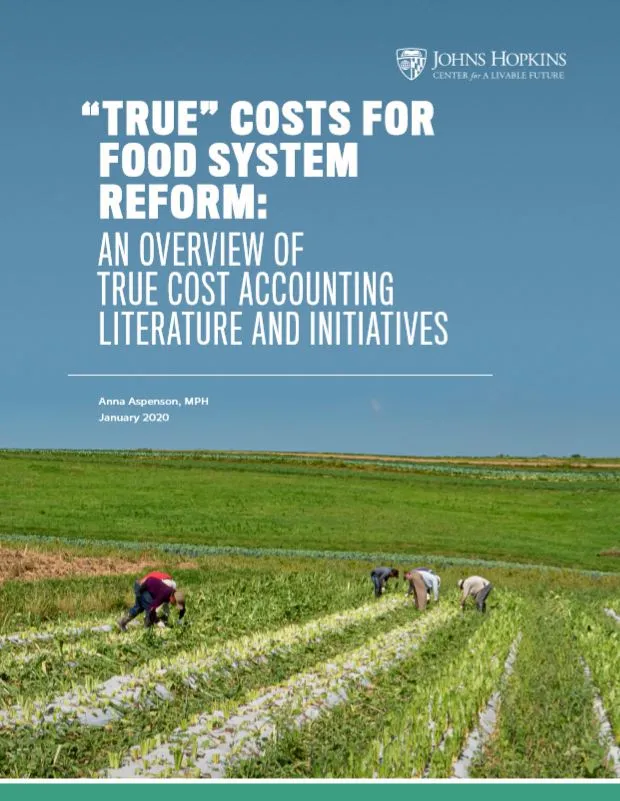
“True” costs for food system reform
This report from the John Hopkins Centre for a Livable Future reviews the most prominent publications on True Cost Accounting, i.e. assessment of the externalities caused by an industry. It looks at how various True Cost Accounting frameworks can be applied to the food system.
Read
Image
Reports
A future for the world’s children?
This WHO-UNICEF-Lancet Commission examines the effects of climate change and food advertising on children’s health and likelihood of enjoying a good future. The report argues that children’s wellbeing should be placed at the heart of the Sustainable Development Goals. 
Read
Image
Reports
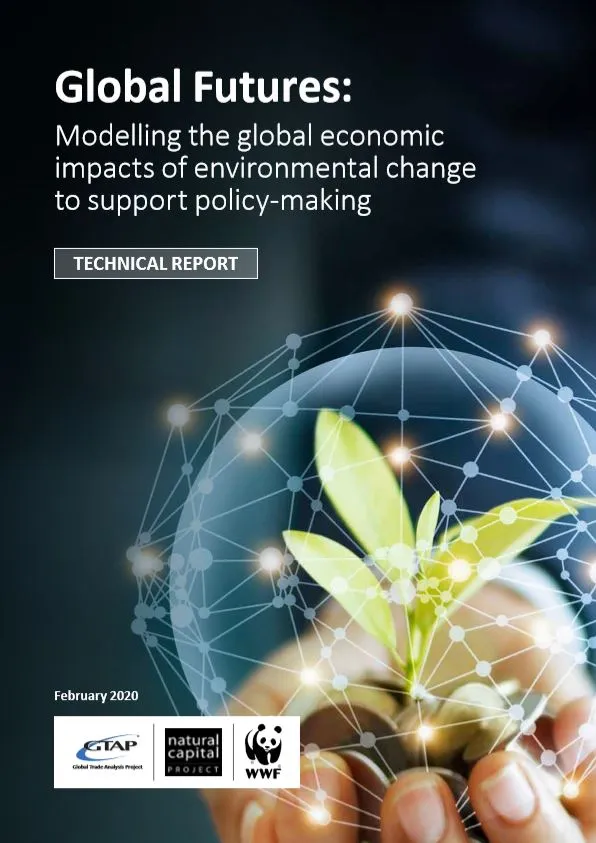
Damage to ecosystems services to cost £10 trillion by 2050
This report from the global wildlife foundation WWF assesses the global economic impacts of nature loss. It finds that under a business-as-usual scenario, global GDP in 2050 could be 0.67% lower than if six ecosystems services (crop pollination, carbon storage, marine fisheries, protection of coasts from flooding/erosion, water supply and timber production) remain unchanged - a cumulative cost of US$10 trillion. A global conservation strategy could increase global GDP by 0.02% in 2050 relative to no change in these six ecosystems services.
Read
Image
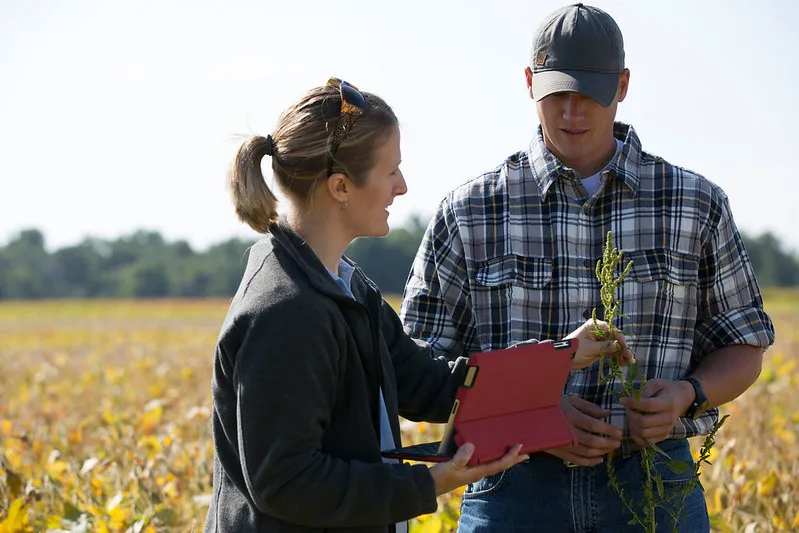
Image: United Soybean Board, Agronomist & Farmer Inspecting Weeds, Flickr, Creative Commons Attribution 2.0 Generic
Journal articles
Co-producing actionable knowledge for sustainability
This paper addresses the concept of co-production of actionable knowledge - where researchers and decision makers interact iteratively to produce knowledge that can be acted on, instead of a one-way flow of information from researchers to decision makers - in relation to research on environmental sustainability. 
Read
Image
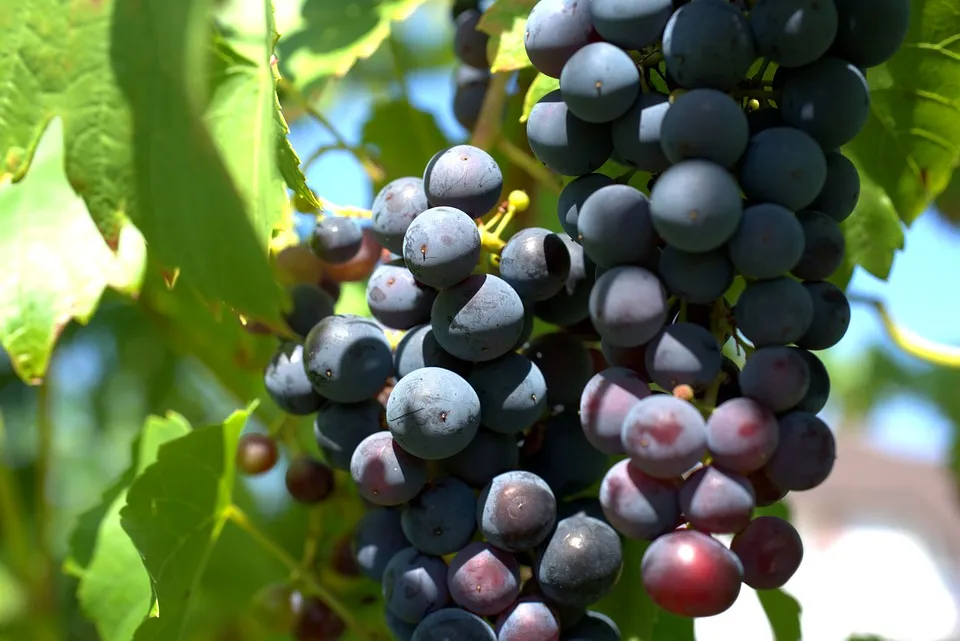
Image: webandi, Wine grapes agriculture, Pixabay, Pixabay Licence
Journal articles
Environmental risks of climate-driven cropland expansion
This paper finds that, as climate change causes the geographical shift of areas suitable for growing certain crops, the potential changes in land use could have impacts on biodiversity, water resources and soil carbon storage. So-called “agriculture frontiers” - areas of land not currently suitable for producing crops but that might become suitable in future due to shifts in temperature or rainfall - cover an area nearly one-third as big as current agricultural land area.
Read
Image
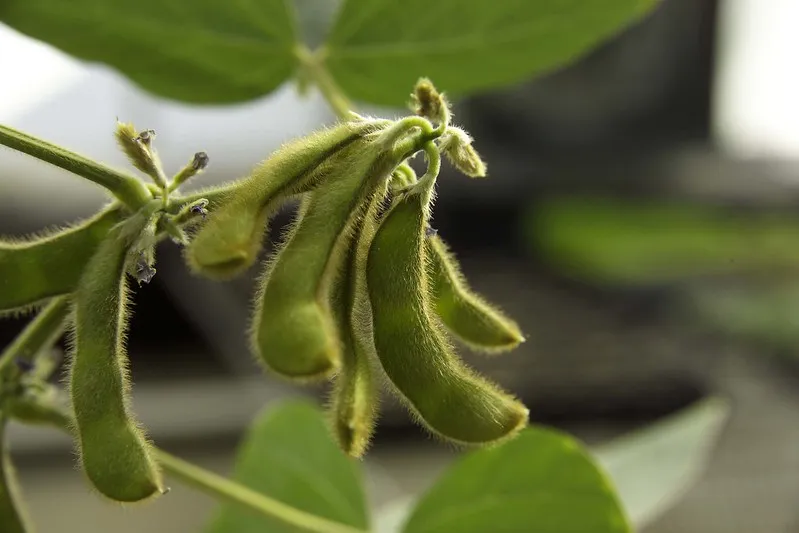
Image: United Soybean Board, Soybean Pods, Flickr, Creative Commons Attribution 2.0 Generic
Journal articles
Zero deforestation soy neglects Brazilian Cerrado
In this paper, FCRN member Erasmus zu Ermgassen finds that voluntary zero deforestation commitments (ZDCs) cover more than 90% of the soy exported from the Brazilian Amazon, but only 47% of soy exported from the Brazilian Cerrado biome (a type of wooded savannah). 
Read
Image
Image: Rika, Iced Gems, Wikimedia Commons, Creative Commons Attribution-Share Alike 2.0 Generic
News and resources
How ultra-processed food took over your shopping basket
This article in the Guardian, by food writer Bee Wilson, author of The Way We Eat Now, describes the debate around so-called ultra-processed foods. Wilson describes the classification system for processed foods developed by researcher Carlos Monteiro and the research being done on the health impacts of ultra-processed foods.
Read
Image
News and resources
Blog: What policymakers do next on agriculture matters
This blog post by Shefali Sharma of the Institute for Agriculture & Trade Policy says that agriculture and the people whose livelihoods depend on it must be core considerations in international climate negotiations. Sharma argues that proposed solutions such as bioenergy with carbon capture and storage (BECCS) and carbon credits simply allow existing industries to continue increasing their emissions.
Read
Image
News and resources
Guidance: Enabling a Natural Capital Approach, UK
The UK government’s Department for Environment, Food & Rural Affairs (DEFRA) has published a set of resources on “enabling a natural capital approach” (ENCA) to guide policymakers and decisionmakers. 
Read
  • VIEW MORE

Sign up for Fodder, our monthly newsletter unpacking the future of food.

Tick below to opt-in to email communications.

You can change your mind at any time by clicking the unsubscribe link in the footer of any email you receive from us, or by contacting us at info@tabledebates.org.

We use Mailchimp as our marketing platform. By clicking below to subscribe, you acknowledge that your information will be transferred to Mailchimp for processing. Learn more about Mailchimp's privacy practices.
  • Glossary
  • About
  • Our Writing
  • Podcasts
  • Resources

Social

YouTube Facebook Instagram

© Copyright 2025

A collaboration between: