Close
Login Register
Search
  • About
    • What We Do
    • Who We Are
    • FAQs
  • Our Writing
    • Explainers
    • Essays
    • Letterbox
    • Reports & More
  • Podcasts
  • Our Events
  • Projects
    • Power In The Food Systems
    • Local-Global Scale Project
    • MEAT: The Four Futures Podcast
    • Fuel To Fork
    • Nature
    • Reckoning with Regeneration
    • SHIFT
    • Games at TABLE
    • Rethinking the Global Soy Dilemma
  • Resources
  • Opportunities
    • Jobs
    • Funding
    • Courses
    • Collaborations
    • Events
  • Newsletter
  • TABLE (EN)
Search
Back

TABLE

Image
Reports
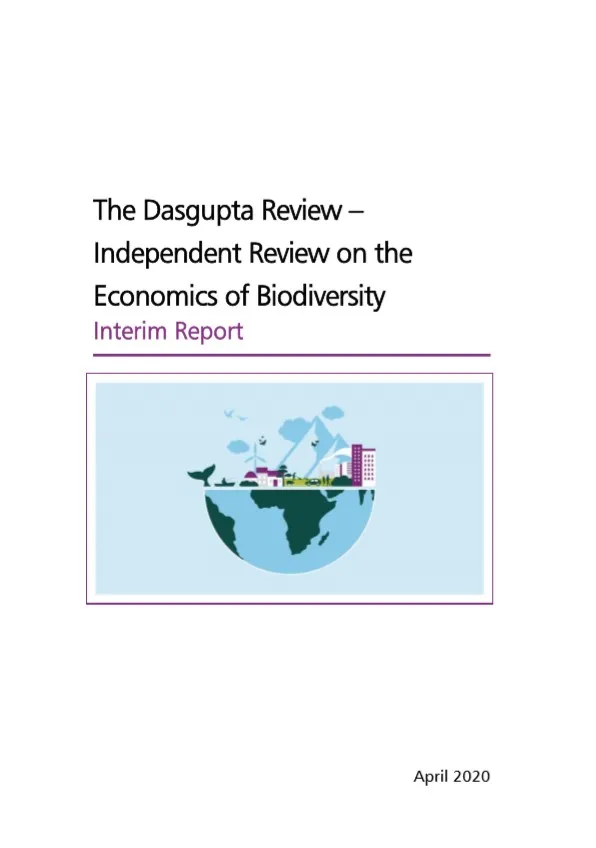
Interim report: Review on the economics of biodiversity
This interim report from the Dasgupta review on the economics of biodiversity, commissioned by the UK’s HM Treasury, sets out the main economic and scientific concepts that will inform the final review. The aim of the review is to assess the economic benefits of biodiversity, and the economic costs of its loss. It will also identify actions that can protect and enhance both biodiversity and economic prosperity.
Read
Image
Image: VgBingi, Agave tequilana plant close up, Pixabay, Pixabay Licence
Journal articles
Agave: A promising feedstock for biofuels
This paper by FCRN member Daniel Tan finds that bioethanol derived from agave grown in semi-arid areas of Australia could have lower environmental impacts than biofuels derived from US corn and Brazilian sugarcane. Agave is widely grown in Mexico to make the alcoholic drink tequila. 
Read
Image
Image: Leah Kelley, Pexels, Pexels Licence
Journal articles
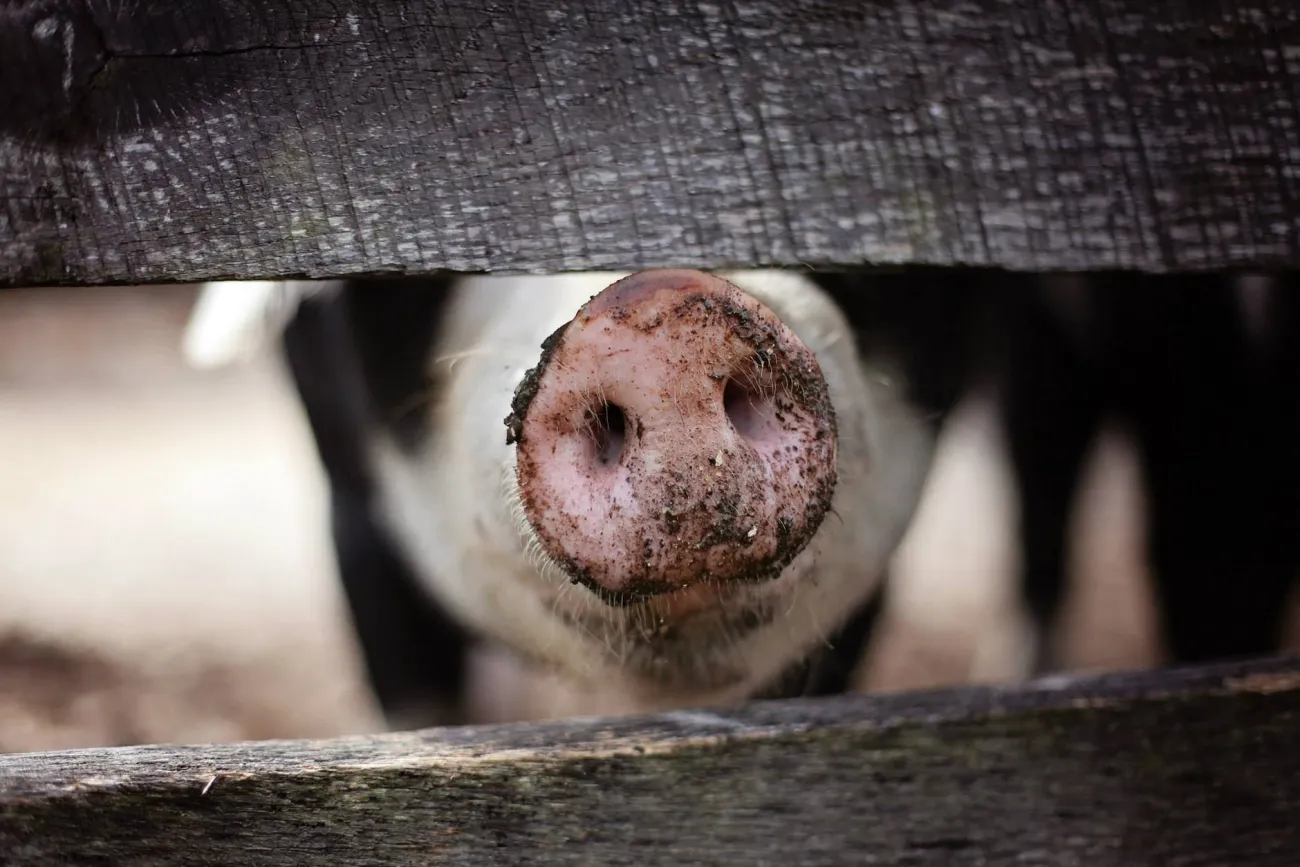
Predictors of virus spillover risk from other mammals
This paper combines data on zoonotic viruses in mammals with trends in species abundance. It finds that wild land mammal species with larger populations generally harbour a greater number of zoonotic viruses. Furthermore, among mammal species that are threatened, those that are threatened because of exploitation (e.g. hunting or wildlife trade) or loss of habitat host approximately twice as many viruses as mammals that are threatened for other reasons.
Read
Image
Image: lpittman, Underwater sea fish, Pixabay, Pixabay licence
Featured articles
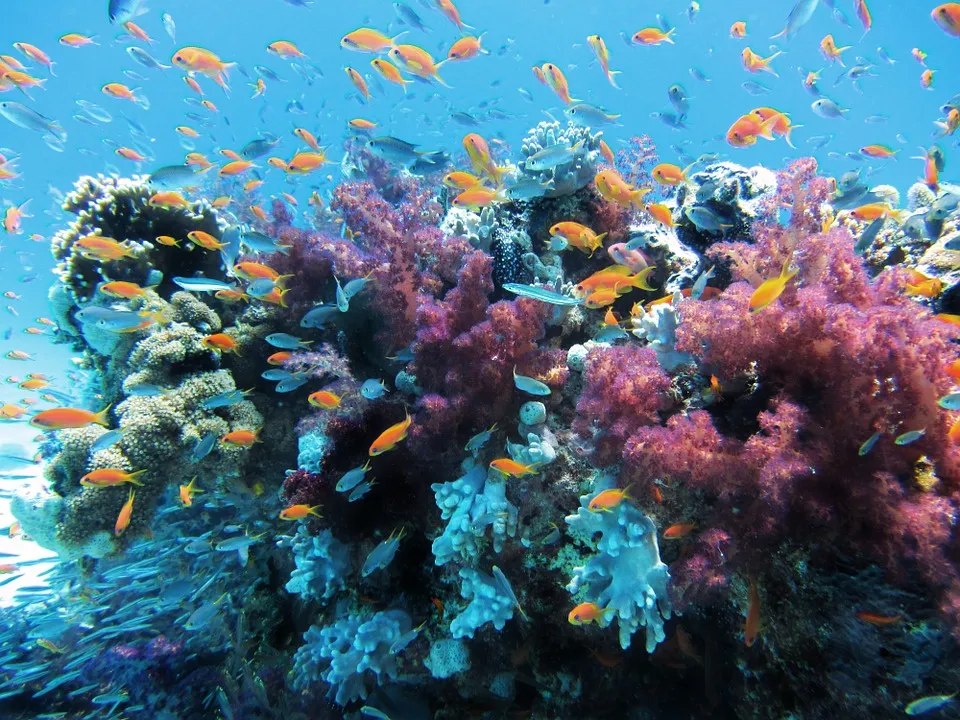
Climate-driven ecological disruption likely to be abrupt
This paper uses temperature and precipitation projections across the ranges of over 30,000 species on land and in water to estimate when each species will be exposed to dangerous climate conditions. It predicts that most species within a given assemblage (group of species within a habitat) will encounter inhospitable climate conditions at the same time as each other (e.g. several species might have a similar upper limit on the temperature that they are able to cope with), meaning that disruption of the overall assemblage is likely to be abrupt.
Read
Image
News and resources
Podcast: UK food supply, COVID-19 & the environment
This podcast by the Green Alliance (a UK charity) is an interview with Professor Tim Lang about his new book Feeding Britain. The book was written before the coronavirus crisis, but the interview explores how the crisis is affecting the UK’s food system. The podcast also discusses food rationing, inequality and the links between food policy and the economy, defence, risk, nature and biodiversity.
Read
Image
News and resources
COVID-19 reminds us that our food system might kill us
This blog post from University of Oslo’s Centre for Development and the Environment argues that the spread of zoonotic diseases cannot be halted simply by closing wet markets (often portrayed in the Western media as the source of viruses). Rather, it argues, deeper changes in the food system are required, since zoonotic diseases have also been linked to deforestation and industrial meat production.
Read
Image
Image: christels, Desert locust insect, Pixabay, Pixabay Licence
News and resources
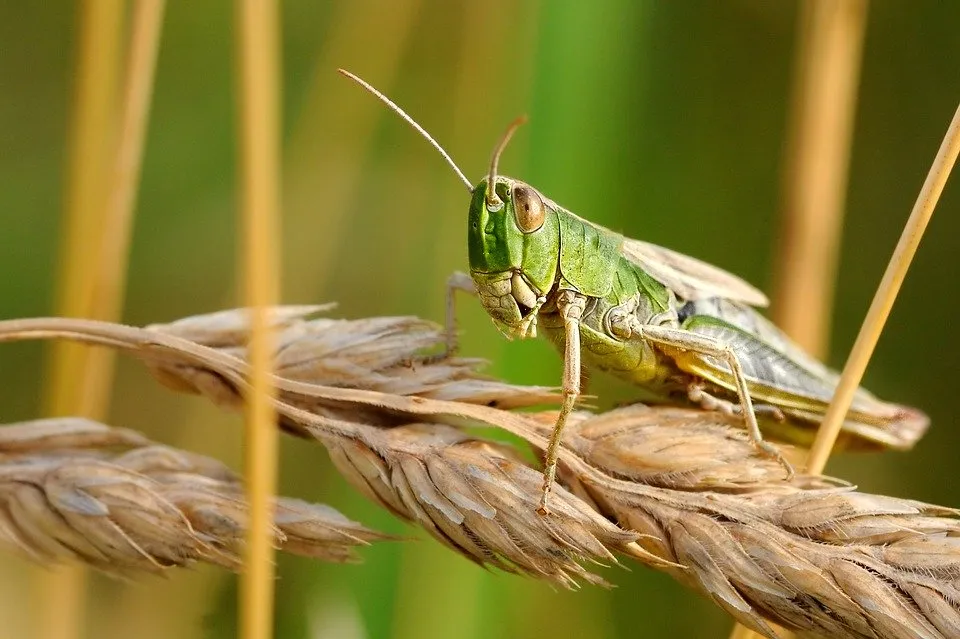
Second wave of locusts emerges in east Africa
According to this article in Quartz Africa, a new wave of desert locust swarms is forming in East Africa (including Kenya, Ethiopia and Somalia). Wet conditions mean that the locusts are likely to continue to breed. It is feared that many farmers could lose their newly planted crops. Efforts to control the swarms through aerial spraying have been slowed by the coronavirus crisis.
Read
Image
Books
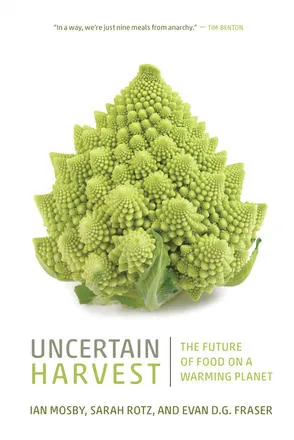
Uncertain harvest: The future of food on a warming planet
This book examines how the food system can adapt to be able to produce enough food in a changing climate. The authors present global policy options and list key foods that could help, including algae, caribou and kale.
Read
Image
Reports
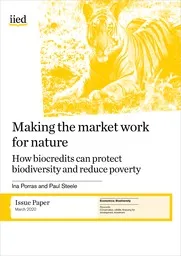
How biocredits can protect biodiversity and reduce poverty
This report from the International Institute for Environment and Development explores the potential to use “biocredits” to protect biodiversity. Biocredits are an economic instrument that allows the creation and trade of “biodiversity units”. Biocredits would be bought by people or institutions that want to invest in protecting biodiversity, and the money from their initial sale would fund conservation activities that increase biodiversity above a baseline level. The report distinguishes between biocredits and biodiversity offsets, which are used to compensate for habitats that have been destroyed, e.g. because of construction projects.
Read
  • VIEW MORE

Sign up for Fodder, our monthly newsletter unpacking the future of food.

Tick below to opt-in to email communications.

You can change your mind at any time by clicking the unsubscribe link in the footer of any email you receive from us, or by contacting us at info@tabledebates.org.

We use Mailchimp as our marketing platform. By clicking below to subscribe, you acknowledge that your information will be transferred to Mailchimp for processing. Learn more about Mailchimp's privacy practices.
  • Glossary
  • About
  • Our Writing
  • Podcasts
  • Resources

Social

YouTube Facebook Instagram

© Copyright 2025

A collaboration between: