Close
Login Register
Search
  • About
    • What We Do
    • Who We Are
    • FAQs
  • Our Writing
    • Explainers
    • Essays
    • Letterbox
    • Reports & More
  • Podcasts
  • Our Events
  • Projects
    • Power In The Food Systems
    • Local-Global Scale Project
    • MEAT: The Four Futures Podcast
    • Fuel To Fork
    • Nature
    • Reckoning with Regeneration
    • SHIFT
    • Games at TABLE
    • Rethinking the Global Soy Dilemma
  • Resources
  • Opportunities
    • Jobs
    • Funding
    • Courses
    • Collaborations
    • Events
  • Newsletter
  • TABLE (EN)
Search
Back

TABLE

Image
Reports
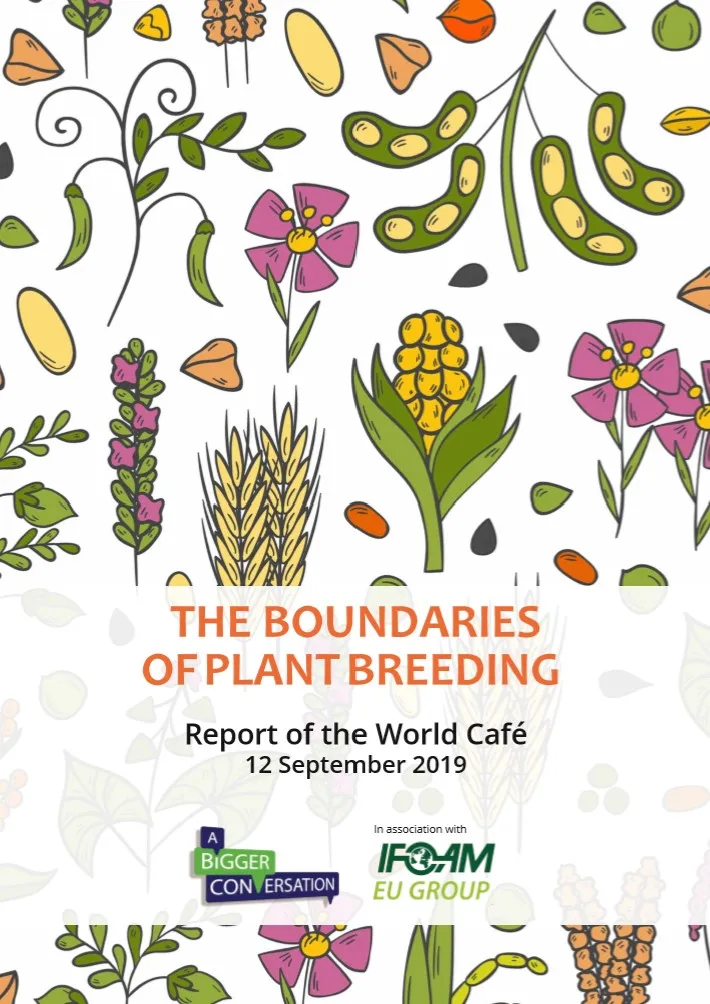
The boundaries of plant breeding
This report from UK group Beyond GM (directed by FCRN member Pat Thomas) presents the results of a world café held in September 2019. The world café brought together people representing a wide variety of practices, beliefs and views on the subject of genome editing in plant breeding, and the conversation covered values, worldviews, ethics, regulation, citizen engagement and more.
Read
Image
Reports
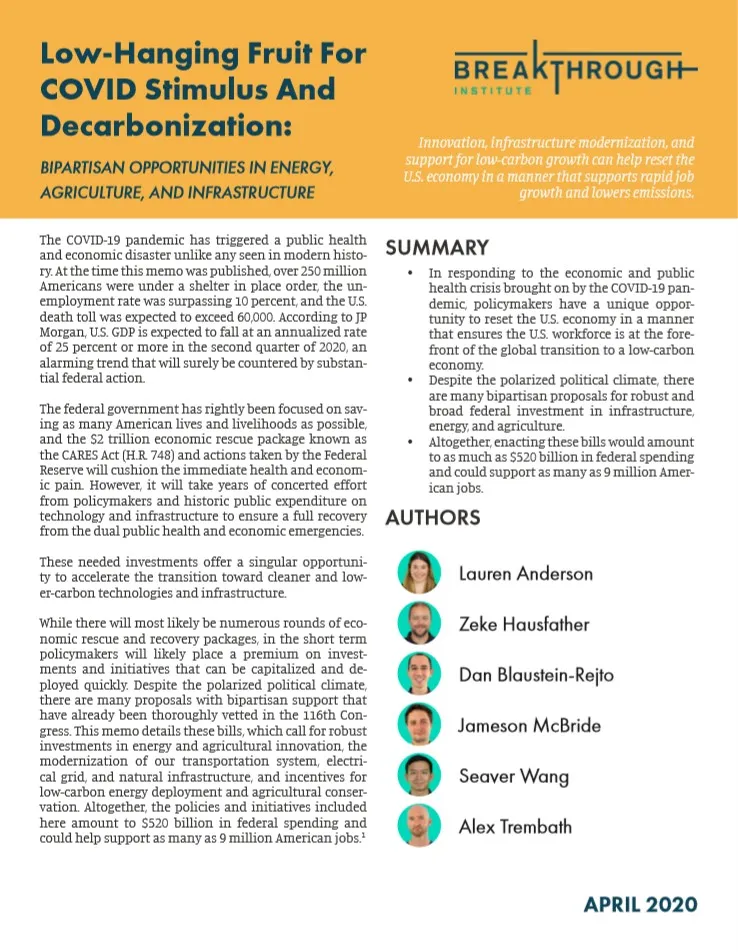
Low-hanging fruit for COVID-19 stimulus & decarbonisation
This report from US thinktank The Breakthrough Institute, co-authored by FCRN member Dan Blaustein-Rejto, outlines over $500 billion in potential federal spending that could lower emissions, be included in upcoming post-COVID stimulus investments and has already been vetted and earned bipartisan support in Congress. The brief proposes an agricultural research funding increase, research facility maintenance, and biomethane tax credits in addition to many proposals regarding energy innovation and infrastructure.
Read
Image
Reports
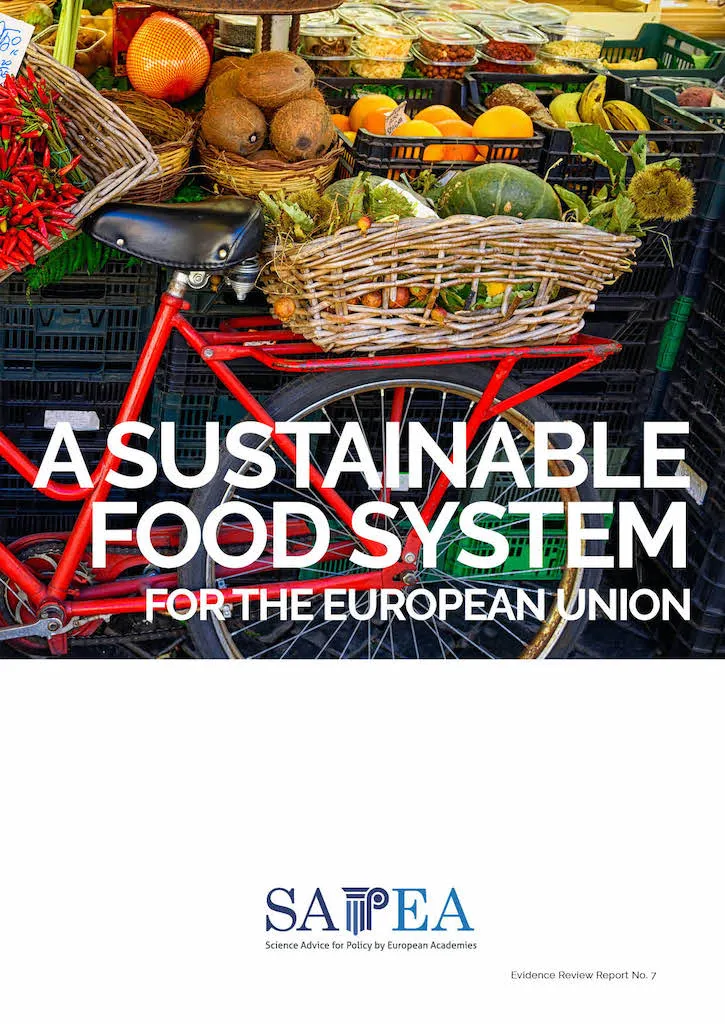
A sustainable food system for the European Union
This report by Science Advice for Policy by European Academies sets out evidence on effective policies for sustainably transforming the European food system in an inclusive, just and timely way. It concludes that the complexity of food systems means that transformations rely on coordinated action between many actors, including different levels of governance.
Read
Image
Image: Tim, Yellow rapeseed field, Pexels, Pexels licence
Journal articles
Evaluation of climate friendly farming outreach
This paper by FCRN member Dominic Moran evaluates Farming for a Better Climate, a participatory extension programme (PEP) in Scotland that assists farmers in adopting climate friendly farming practices. PEPs are a type of advisory service where farmers, researchers and rural experts can swap information. The authors aimed to fill a research gap, since no other evaluations of PEPs for climate friendly farming existed at the time the paper was written. 
Read
Image
Image: Miguel Á. Padriñán, Closeup photo of four brown wooden spatulas with seeds, Pexels, Pexels licence
Journal articles
Potential impacts of changing US dietary advice
This paper by FCRN member Diego Rose estimates that 16% of adults in the United States might be receptive to changing their diet if national dietary guidance were to include information about environmental sustainability. It also estimates the impacts of a range of different dietary changes for those people on greenhouse gas emissions, dietary quality and dietary costs.
Read
Image
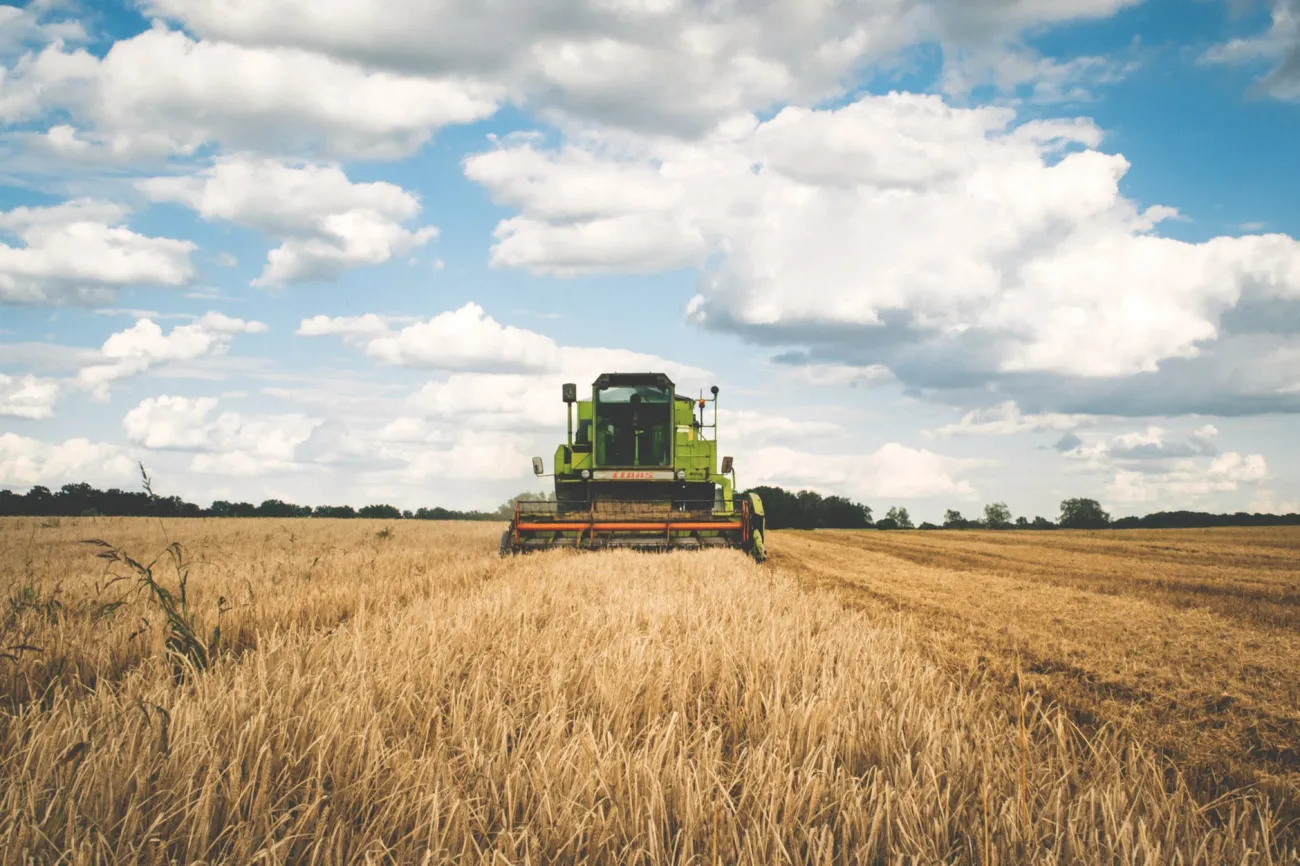
Image: freestock.org, Green tractor, Pexels, Pexels Licence
Journal articles
Global drivers of food system (un)sustainability
This paper studies the relationship between food system drivers and sustainability for a sample of low-, middle- and high-income countries. The aim of the research is to provide a clearer understanding of what drives food system sustainability, in order to better target interventions and investments to transform the food system.
Read
Image
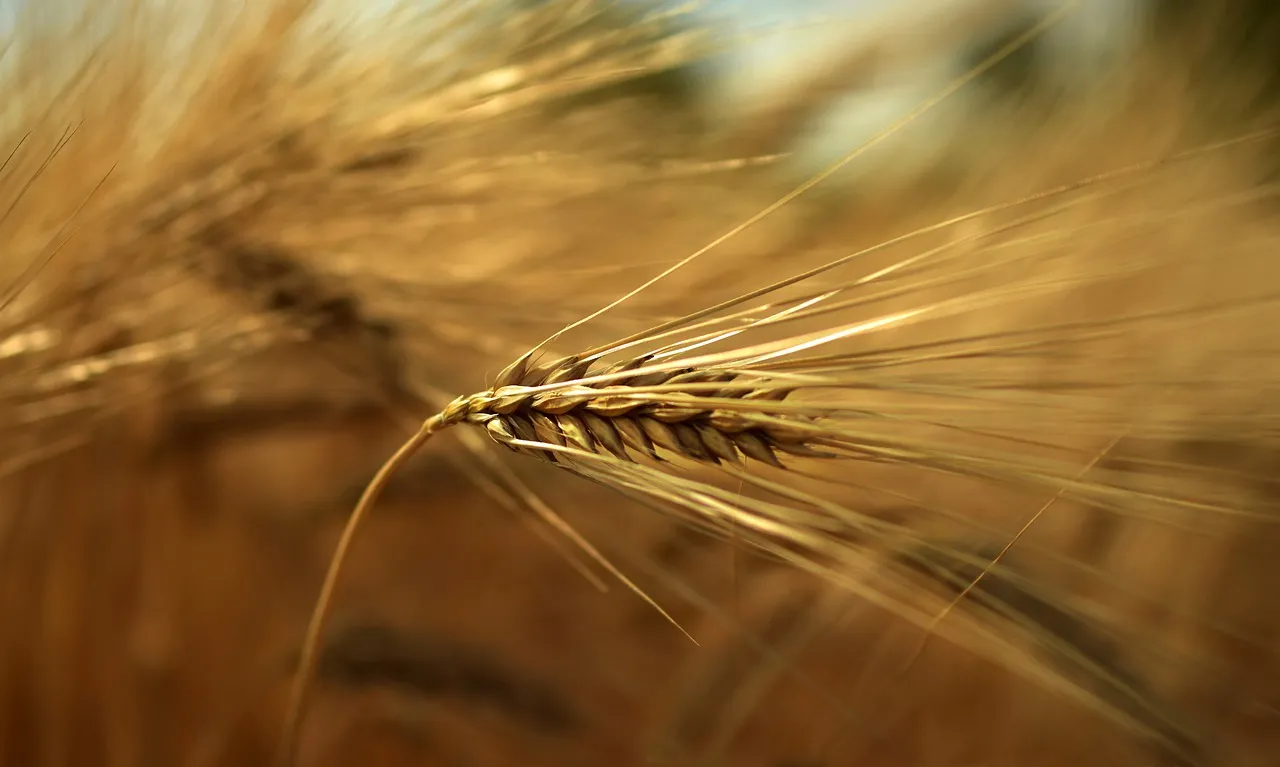
Image: Peggychoucair, Barley Cereals Grain, Pixabay, Pixabay licence
Featured articles
Local crops can feed less than one-third of the population
This paper models the production of six food crops, and finds that only 11-28% of the world’s population (depending on crop) would be able to meet their demands for those crops by using only food produced within a 100 km radius, based on current production and consumption patterns. The aim of the paper is to assess the physical constraints that limit the extent to which food supply can become localised and thus inform the ongoing debates around local food and food sovereignty.
Read
Image
News and resources
Alternative protein research funding database
The Good Food Institute (US-based non-profit) has launched a database of funding opportunities in the alternative protein space, including opportunities related to plant-based proteins, cellular agriculture and proteins derived from fermentation. 
Read
Image
News and resources
Lab-grown meat could leave marginalised people in need
This blog piece, by anthropologist Sarah Duignan of McMaster University, argues that a risk of cellular agriculture (i.e. lab-grown meat) is that some people may not benefit from the technology (despite its potential environmental benefits). For example, beef farmers may find themselves in similar difficulties to dairy farmers, who are struggling already because of decreased demand. 
Read
  • VIEW MORE

Sign up for Fodder, our monthly newsletter unpacking the future of food.

Tick below to opt-in to email communications.

You can change your mind at any time by clicking the unsubscribe link in the footer of any email you receive from us, or by contacting us at info@tabledebates.org.

We use Mailchimp as our marketing platform. By clicking below to subscribe, you acknowledge that your information will be transferred to Mailchimp for processing. Learn more about Mailchimp's privacy practices.
  • Glossary
  • About
  • Our Writing
  • Podcasts
  • Resources

Social

YouTube Facebook Instagram

© Copyright 2025

A collaboration between: