Close
Login Register
Search
  • About
    • What We Do
    • Who We Are
    • FAQs
  • Our Writing
    • Explainers
    • Essays
    • Letterbox
    • Reports & More
  • Podcasts
  • Our Events
  • Projects
    • Power In The Food Systems
    • Local-Global Scale Project
    • MEAT: The Four Futures Podcast
    • Fuel To Fork
    • Nature
    • Reckoning with Regeneration
    • SHIFT
    • Games at TABLE
    • Rethinking the Global Soy Dilemma
  • Resources
  • Opportunities
    • Jobs
    • Funding
    • Courses
    • Collaborations
    • Events
  • Newsletter
  • TABLE (EN)
Search
Back

TABLE

Image
Books
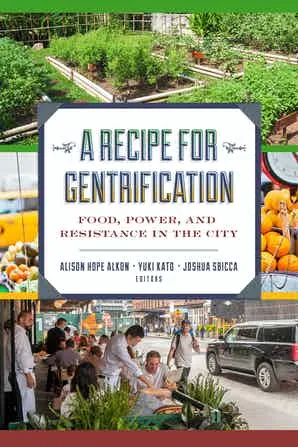
A recipe for gentrification
This book looks at how gentrification affects the urban food landscape in several American cities, and what activists are doing to resist it.
Read
Image
Books
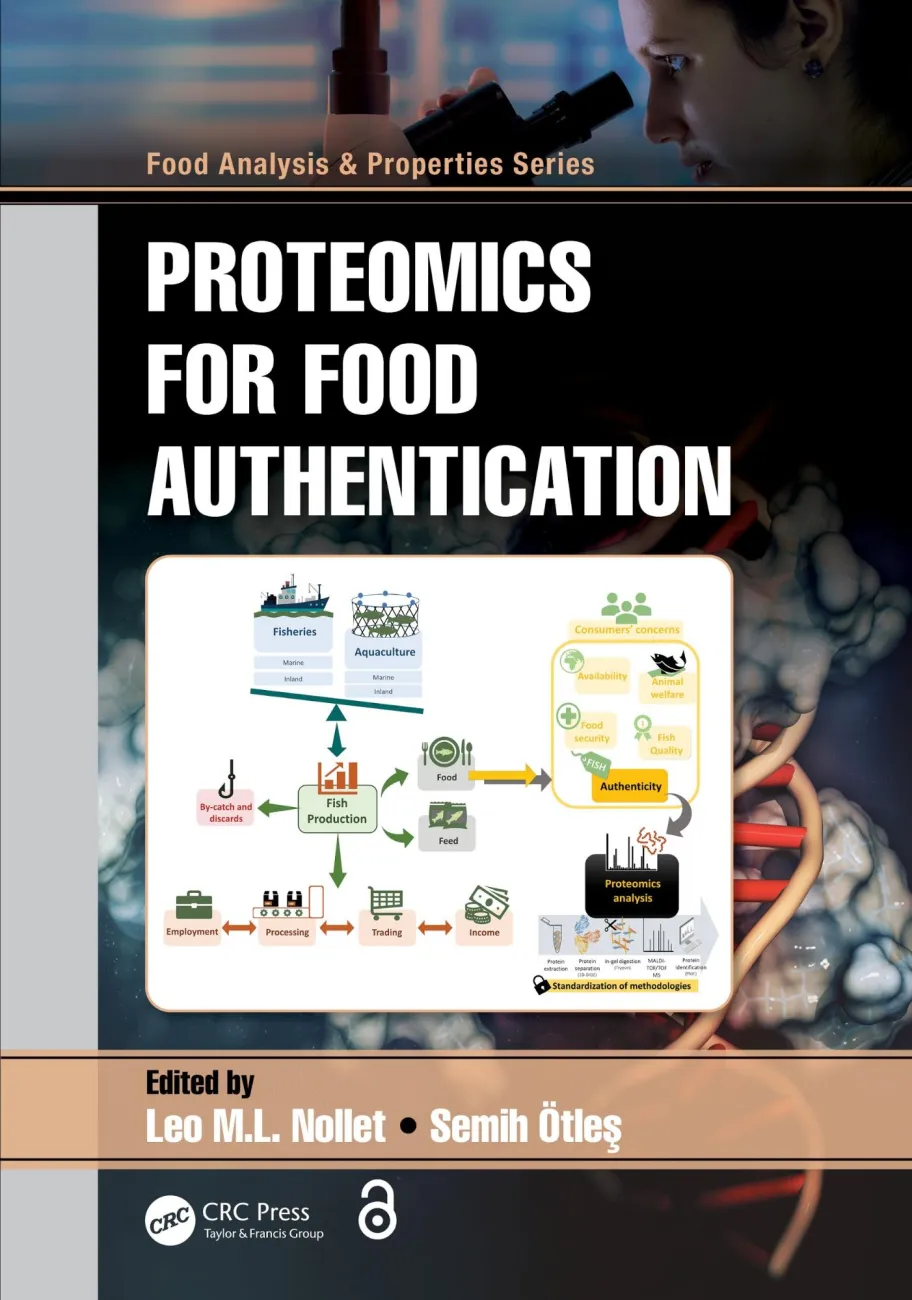
Proteomics for food authentication
This book explores how proteomics - the study of the set of proteins produced by an organism or system - can be used to verify claims about the origin of foods such as milk, meat, fish, wine and honey.
Read
Image
Reports
Scaling soil carbon storage in agriculture
This report from US climate NGO Carbon180 examines barriers that farmers in the United States face when moving towards agricultural practices that build soil health and sequester carbon. It finds that they include insufficient technical assistance, scientific knowledge gaps, and a lack of strong and reliable incentives.
Read
Image
Reports
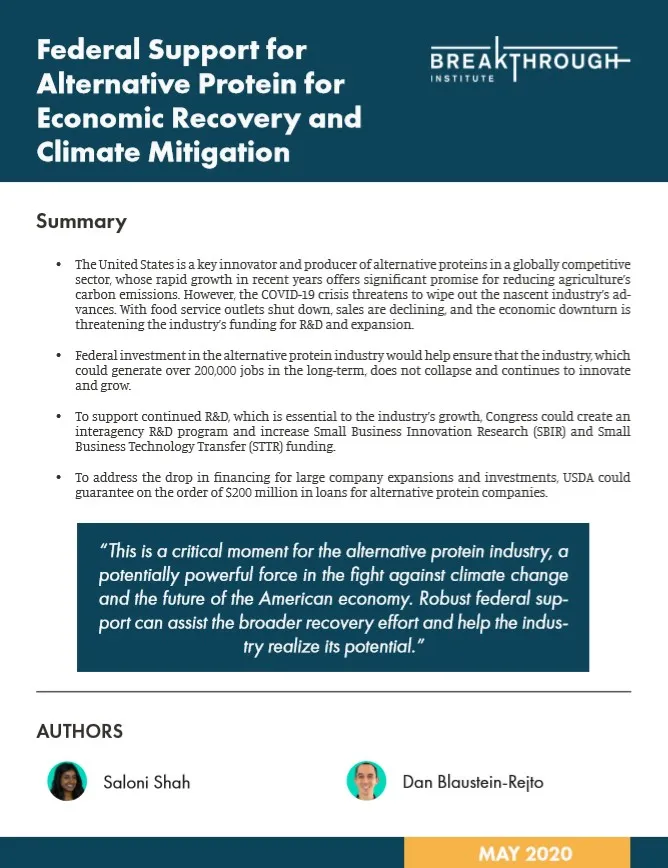
Alternative protein as a COVID-19 stimulus option
This report from US thinktank The Breakthrough Institute lays out the economic and environmental case for expanding federal support for alternative protein research and industry expansion. COVID-19 is not only impacting the meat processing industry - many alternative protein startups are also closed or threatened by declines in investment funding. The report estimates that the alternative protein industry could generate over 200,000 US jobs in the long-term, but only if the government provides support to the nascent industry to ensure it does not collapse because of COVID-19. Support might include small business innovation programmes, loan guarantees, and research and development programmes.
Read
Image
Reports
Global Nutrition Report 2020
The 2020 edition of the Global Nutrition Report uses the concept of nutrition equity to examine multiple forms of malnutrition, including undernutrition and obesity. The report stresses that poor diets and malnutrition are not simply the result of personal choices - rather, the problem is systemic, with the vast majority of people being unable to access or afford a healthy diet. It calls for coordinated action between stakeholders to build equitable, resilient and sustainable food and health systems.
Read
Image
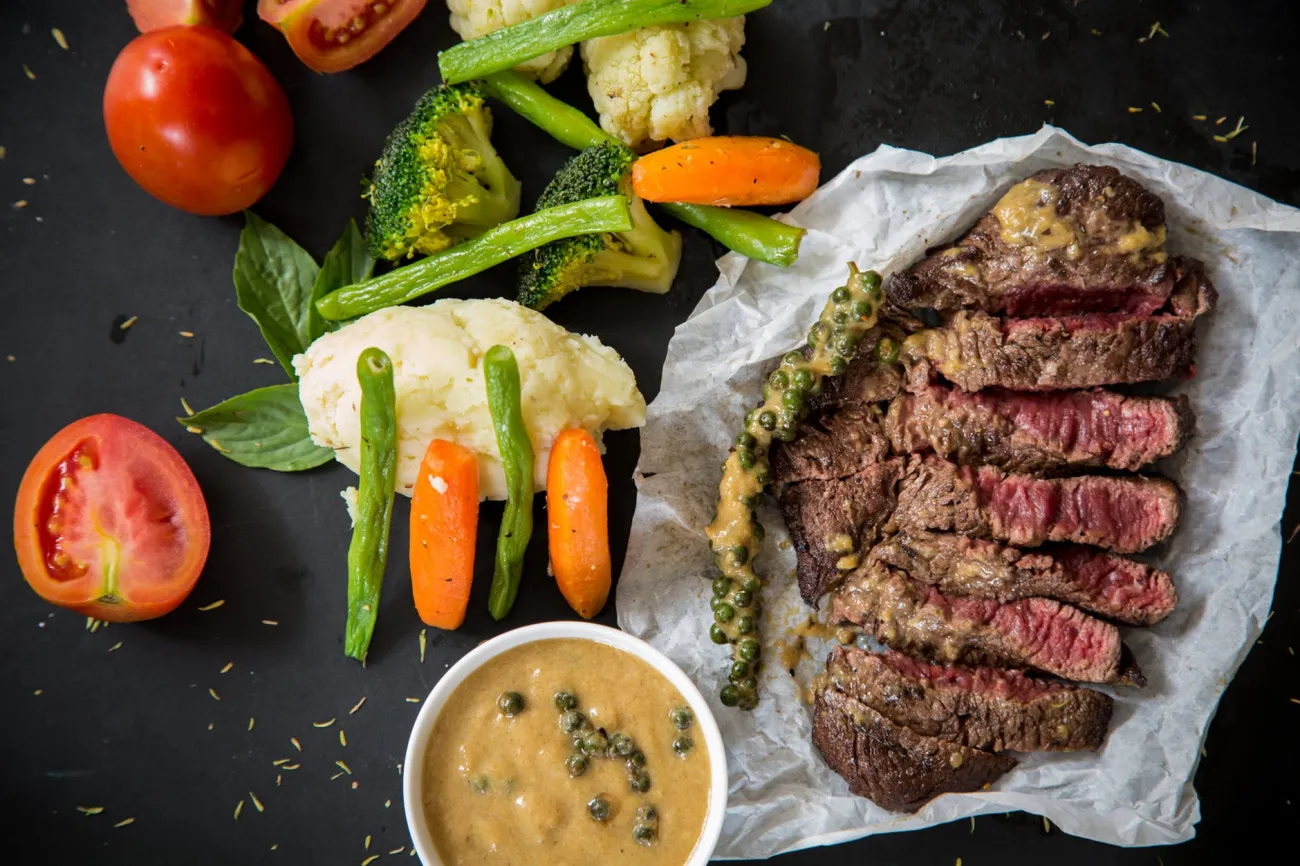
Image: Malidate Van, Steak food, Pexels, Pexels licence
Journal articles
Social cost-benefit analysis of food taxes in the Netherlands
FCRN member Sander Biesbroek of Wageningen University & Research has co-authored this paper, which is the first modelling study to include and monetise social costs and benefits of a 15% or 30% meat tax or a 10% fruit and vegetables subsidy in the Netherlands. It finds that all three interventions could lead to a net benefit to society over a 30 year time frame.
Read
Image
Image: Fuzzy Rescue, Green Leaves and Organic Word, Pexels, Pexels Licence
Journal articles
Comment: The future of environmental food labelling
This commentary piece draws on the experience of nutrition labelling to explore whether environmental sustainability labelling on food products can encourage more sustainable food choices and contribute towards building a healthy, sustainable food system.
Read
Image
Image: mbrady321, Soy farm soybean, Pixabay, Pixabay licence
Featured articles
Carbon footprint of Brazilian soy is highly variable
FCRN member Erasmus zu Ermgassen has co-authored this paper, which calculates variations in the carbon footprint of soy products grown in different regions of Brazil. It finds that soy from certain areas associated with loss of natural vegetation has a carbon footprint per unit of product six times higher than the average carbon footprint of Brazilian soy. It also finds that soy products imported by the European Union are more likely to be from regions linked to deforestation than soy exported from Brazil to other places, such as China.
Read
Image
News and resources
Why are farms dumping food during COVID-19?
This piece from nonprofit food media outlet The Counter explains why some farmers in the US have been dumping surplus food during the COVID-19 pandemic, at the same time that food banks are struggling to source enough food.
Read
  • VIEW MORE

Sign up for Fodder, our monthly newsletter unpacking the future of food.

Tick below to opt-in to email communications.

You can change your mind at any time by clicking the unsubscribe link in the footer of any email you receive from us, or by contacting us at info@tabledebates.org.

We use Mailchimp as our marketing platform. By clicking below to subscribe, you acknowledge that your information will be transferred to Mailchimp for processing. Learn more about Mailchimp's privacy practices.
  • Glossary
  • About
  • Our Writing
  • Podcasts
  • Resources

Social

YouTube Facebook Instagram

© Copyright 2025

A collaboration between: