Image Resources Our extensive research library contains thousands of summaries of journal articles, reports and news stories that can be searched by keyword and category RESOURCES CATEGORY Books Briefing paper Event recording Featured articles Featured report Game Journal articles News and resources Reports Think piece Video Working paper Workshop summary Year 2026 2025 2024 2023 2022 2021 2020 2019 2018 2017 2016 2015 2014 2013 2012 2011 2010 2009 2008 2007 2002 2001 Image Books Regenesis: Feeding the world without devouring the planet In this book, environmentalist George Monbiot explores how we can feed everyone while using less land. He speaks to farmers and scientists using new methods to grow food, including perennial grains, farming without ploughing, and precision fermentation of protein and fat. Read Image Reports Who is making food policy in Australia? This research brief from the Centre for Food Policy summarises which government departments in Australia are responsible for food policy. An infographic shows the role of each of 11 departments that have a connection to food. Read Image Reports The Ukraine war and threats to food and energy security Governments must act now to make societies and economies more resilient to shocks such as COVID-19 and the Russian invasion of Ukraine, argues this report from UK-based international affairs think tank Chatham House. The Russia-Ukraine crisis is amplifying food insecurity and the cost of living crisis that had already followed the COVID-19 pandemic, and risks triggering a “cascade” of supply chain disruptions, market volatility, resource insecurity, the displacement of people and geopolitical upheaval. The potential for simultaneous price or supply shocks in food and energy, including those induced by climate change, is growing. Read Image Reports The future of academic air travel after COVID-19 Researchers from the University of Manchester argue that the widespread switch to remote working during the COVID-19 pandemic has demonstrated how academia can function in the future without flying, to reduce carbon emissions. They set out recommendations on how to retain low levels of aviation, including combining necessary trips, supporting cultural changes by improving virtual methods of working, and considering using carbon budgets for travel. Read Image Journal articles Degrowth plus efficiency for net zero food system by 2100 This paper models the impacts of a “degrowth” approach to reducing the environmental impacts of the global food system. It finds that reducing and redistributing income, alone, leads to only limited climate mitigation from food systems, because the shift towards unsustainable diets occurs at low income levels. Instead, a “sustainable transformation” scenario (incorporating income redistribution, and “efficiency-based” carbon tax, a shift towards the EAT-Lancet planetary health diet, and reduced food waste) is able to reach net zero greenhouse gas emissions for the food system by 2100. Read Image Journal articles Food environment research priorities for Africa This paper sets out 26 research priorities related to improving food environments, nutrition and health in Africa, based on the first Africa Food Environment Research Network Meeting. The research priorities focus broadly on understanding the key drivers of food consumption and acquisition, and on interventions and policies to improve food environments. Read Image Journal articles The impacts of methane on climate, ecosystems and health This paper examines the impacts of methane on climate, ecosystems and air pollution. It argues that the United Nations Framework Convention on Climate Change limits its regulation of methane to the climate impacts of methane on a 100-year timeframe, ignoring both near-term climate impacts and wider impacts. Read Image News and resources Podcast: Dr Michael Antoniou on regulating gene editing In this podcast by the Sustainable Food Trust, molecular geneticist Dr Michael Antoniou explains how regulation of gene editing is changing in the UK, as well as the potential health risks of gene editing. Read Image News and resources 167,000 Maasai people face eviction from ancestral land Maasai pastoralists are calling for international support to stop the Tanzanian government's plans to evict thousands of people from their ancestral lands in Ngorongoro and Loliondo to make way for tourism, development and wildlife hunting. In a public letter, Maasai community leaders argue that the Tanzanian government is falsely blaming livestock grazing and population growth for environmental degradation, to justify the mass evictions. Read VIEW MORE
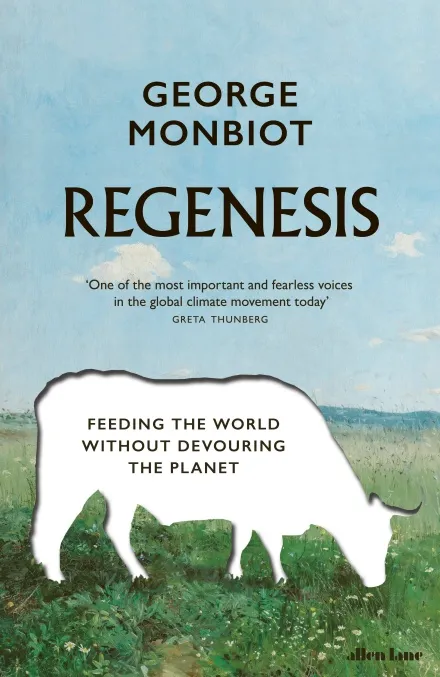
Image Books Regenesis: Feeding the world without devouring the planet In this book, environmentalist George Monbiot explores how we can feed everyone while using less land. He speaks to farmers and scientists using new methods to grow food, including perennial grains, farming without ploughing, and precision fermentation of protein and fat. Read
Image Reports Who is making food policy in Australia? This research brief from the Centre for Food Policy summarises which government departments in Australia are responsible for food policy. An infographic shows the role of each of 11 departments that have a connection to food. Read
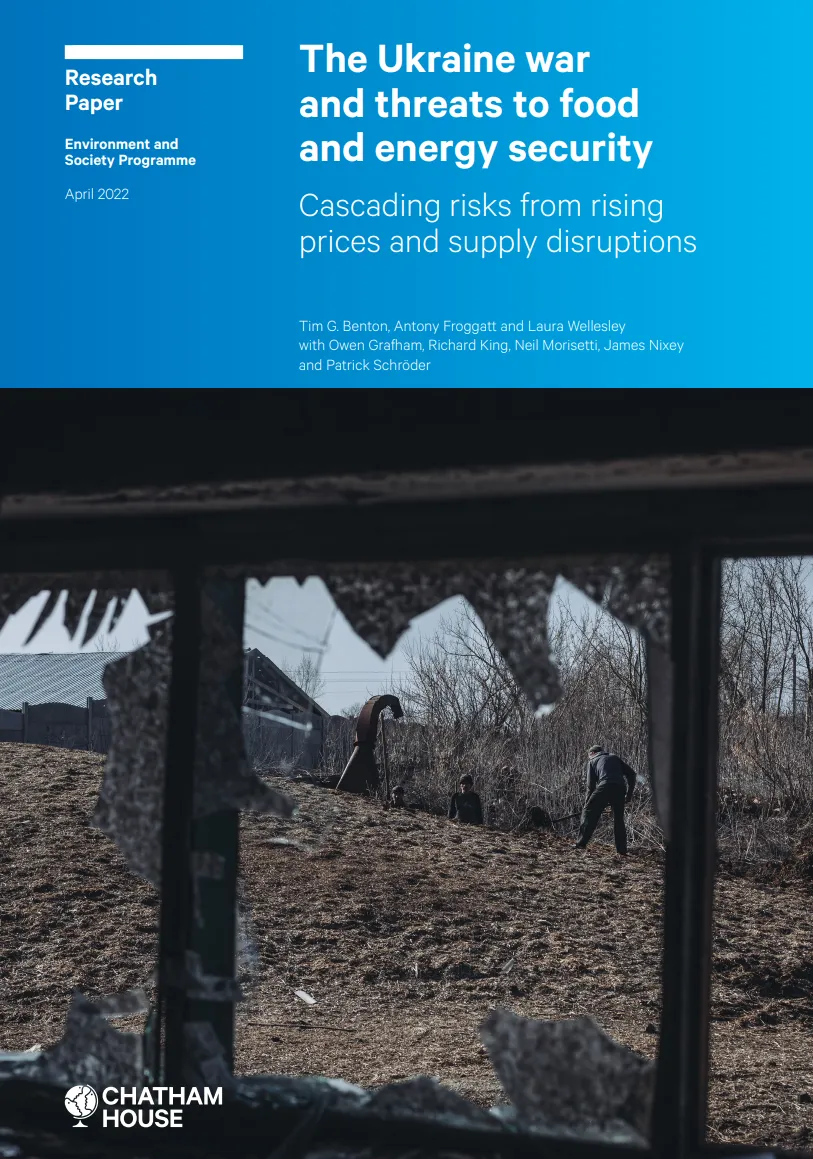
Image Reports The Ukraine war and threats to food and energy security Governments must act now to make societies and economies more resilient to shocks such as COVID-19 and the Russian invasion of Ukraine, argues this report from UK-based international affairs think tank Chatham House. The Russia-Ukraine crisis is amplifying food insecurity and the cost of living crisis that had already followed the COVID-19 pandemic, and risks triggering a “cascade” of supply chain disruptions, market volatility, resource insecurity, the displacement of people and geopolitical upheaval. The potential for simultaneous price or supply shocks in food and energy, including those induced by climate change, is growing. Read
Image Reports The future of academic air travel after COVID-19 Researchers from the University of Manchester argue that the widespread switch to remote working during the COVID-19 pandemic has demonstrated how academia can function in the future without flying, to reduce carbon emissions. They set out recommendations on how to retain low levels of aviation, including combining necessary trips, supporting cultural changes by improving virtual methods of working, and considering using carbon budgets for travel. Read
Image Journal articles Degrowth plus efficiency for net zero food system by 2100 This paper models the impacts of a “degrowth” approach to reducing the environmental impacts of the global food system. It finds that reducing and redistributing income, alone, leads to only limited climate mitigation from food systems, because the shift towards unsustainable diets occurs at low income levels. Instead, a “sustainable transformation” scenario (incorporating income redistribution, and “efficiency-based” carbon tax, a shift towards the EAT-Lancet planetary health diet, and reduced food waste) is able to reach net zero greenhouse gas emissions for the food system by 2100. Read
Image Journal articles Food environment research priorities for Africa This paper sets out 26 research priorities related to improving food environments, nutrition and health in Africa, based on the first Africa Food Environment Research Network Meeting. The research priorities focus broadly on understanding the key drivers of food consumption and acquisition, and on interventions and policies to improve food environments. Read
Image Journal articles The impacts of methane on climate, ecosystems and health This paper examines the impacts of methane on climate, ecosystems and air pollution. It argues that the United Nations Framework Convention on Climate Change limits its regulation of methane to the climate impacts of methane on a 100-year timeframe, ignoring both near-term climate impacts and wider impacts. Read
Image News and resources Podcast: Dr Michael Antoniou on regulating gene editing In this podcast by the Sustainable Food Trust, molecular geneticist Dr Michael Antoniou explains how regulation of gene editing is changing in the UK, as well as the potential health risks of gene editing. Read
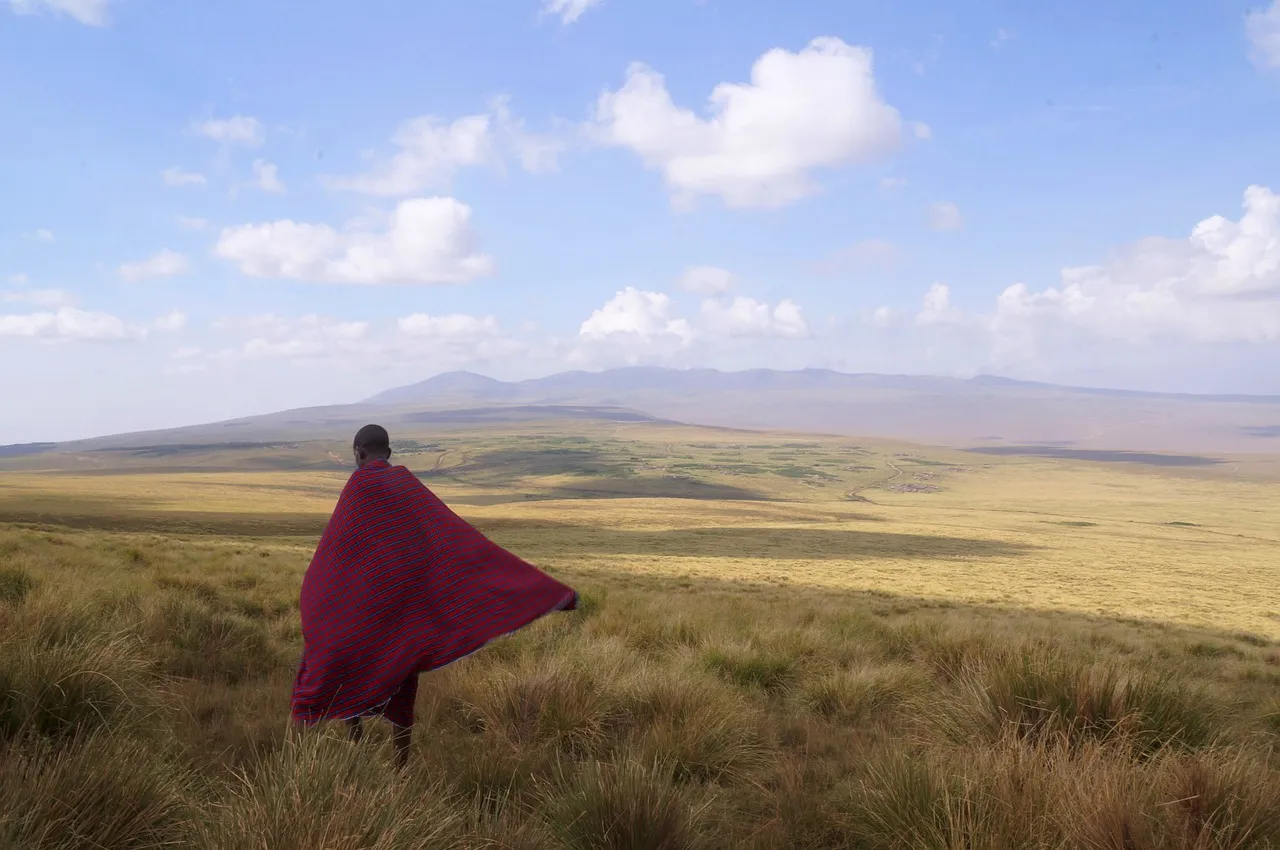
Image News and resources 167,000 Maasai people face eviction from ancestral land Maasai pastoralists are calling for international support to stop the Tanzanian government's plans to evict thousands of people from their ancestral lands in Ngorongoro and Loliondo to make way for tourism, development and wildlife hunting. In a public letter, Maasai community leaders argue that the Tanzanian government is falsely blaming livestock grazing and population growth for environmental degradation, to justify the mass evictions. Read