Image Resources Our extensive research library contains thousands of summaries of journal articles, reports and news stories that can be searched by keyword and category RESOURCES CATEGORYBooksBriefing paperEvent recordingFeatured articlesFeatured reportGameJournal articlesNews and resourcesReportsThink pieceVideoWorking paperWorkshop summary Year2026202520242023202220212020201920182017201620152014201320122011201020092008200720022001 Image Journal articles Reviewing the evidence on precision agriculture and environmental sustainability This systematic review of precision agriculture reveals that some academics make claims about PA and sustainability without presenting adequate evidence. Of 444 English-language academic publications on PA and sustainability, it found 54 papers with field-trial or modeling evidence, and most evidence exists for variable rate technologies in grain farming. Read Image Journal articles Stranded assets in European agriculture during food system transformations Dietary shifts, particularly reduced animal-sourced food (ASF) consumption in high-income countries, risk stranding substantial livestock farming related assets - worth €258 billion in the EU and UK and 78% of farming fixed assets. This study estimates that ASF reductions of 9.5%, 60% and 100% could strand 18%, 50% and 77% of these assets, respectively. Read Image Journal articles Linking species and functional crop diversity in South Asia Agrobiodiversity underpins sustainable, nutritious food systems but this study found moderate to high species diversity often fails to translate into dietary and nutritional diversity across 906 districts in South India. Researchers suggest that these findings indicate substantial unrealized potential to align sustainability and nutrition in agricultural strategies. Read Image Event recording Event Recording: Serious games for future food systems This presentation took part on 17 February 2026 in a hybrid format, with viewers online, in-person in Wageningen, and in-person in Oxford. Following this introduction to serious games, in-person and online participants played different serious games and took part in discussions about the games.Visit the Games at TABLE Library.Learn more about serious games. Read Image Game Barefood Barefood is a serious game for decision-makers and experts to explore and plan for the complex vulnerabilities within the UK food system. It can also be played by the public and students. Barefood lets you simulate what happens when chronic weaknesses, like food poverty or just-in-time logistics, meet acute shocks, such as extreme weather or cyber attacks. By taking on various stakeholder roles and making difficult choices with limited resources across simulated five-year rounds, participants identify how the food system might fail, and develop resilient strategies to prevent potential civil unrest. The game requires a minimum of 7 players, and can accommodate up to 35 players as they join one of 7 stakeholder groups. A game session can last between 2 and 4 hours. Read Image Books Aquaponics; Combining Aquaculture and Hydroponics This book describes the development of aquaculture in the world and covers: Essential concepts, approaches and uses; fish, plants and bacteria; design and monitoring of an aquaculture system and regulatory, societal and economic challenges Read Image Books UK Food Policy History; Economic, Social and Political Influences This book provides an overview of the history of food policy in the UK, tracing economic, social and political influences from the 1840s to present day; from the period of public health reform during the 1840s, to the impact of two world wars, the era of new food choices in the 1950s and 1960s, the beginnings of alternative food movement in the 1970s, and the modern and postmodern ages of consumer ethics and fair trade. Read Image Reports Summer drought costs UK arable farmers over £800m Following one of the worst UK harvests on record, arable farmers are left counting the cost of climate change as concerns about farm profitability mount. Read Image Reports Exhausted Earth – How fertiliser corporations destroyed the nitrogen cycle and how to fix it This report by Foodrise, argues that fertiliser companies are villains of the nitrogen crisis who are making billions while devastating public health, biodiversity and climate. It suggests the industry should be more tightly regulated and made to pay for excess nitrogen fertiliser production. Read VIEW MORE
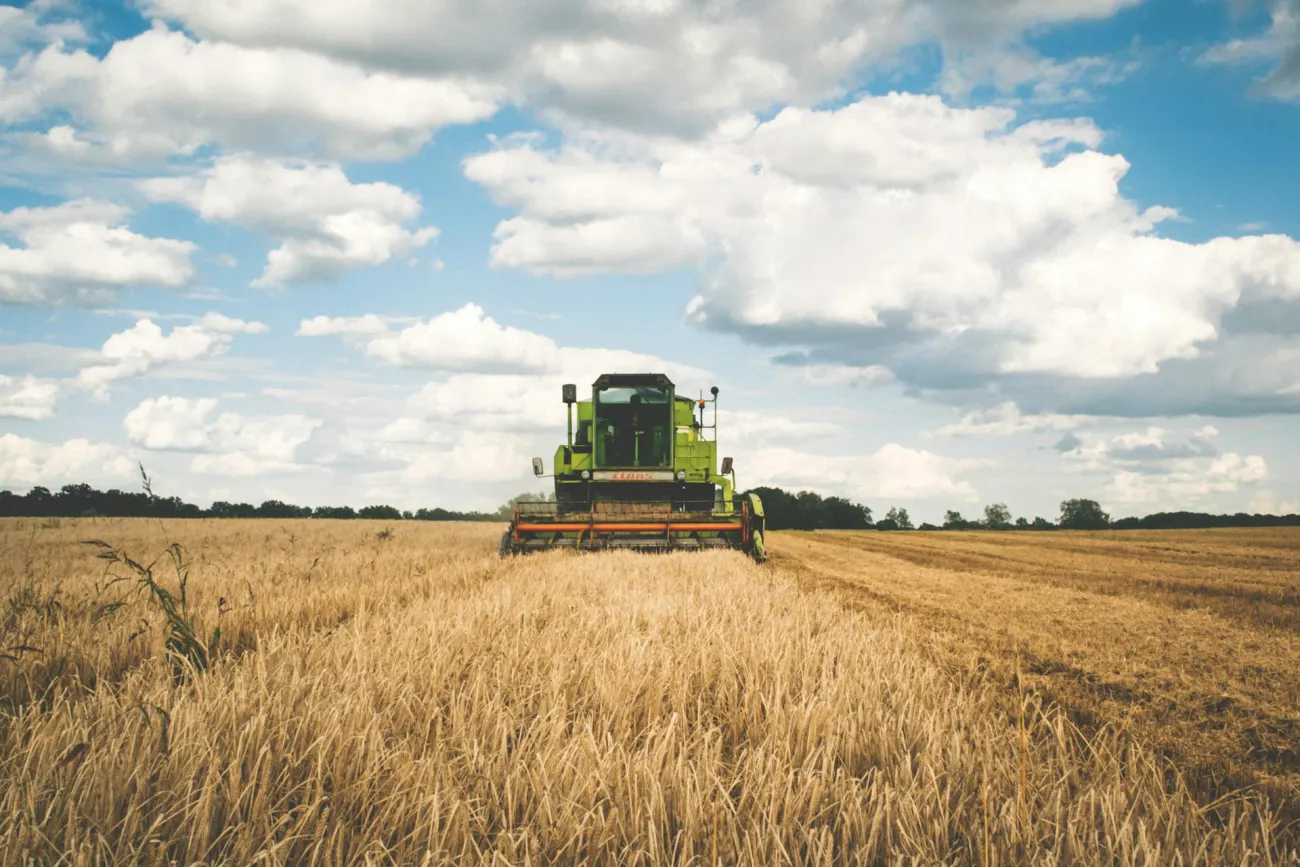
Image Journal articles Reviewing the evidence on precision agriculture and environmental sustainability This systematic review of precision agriculture reveals that some academics make claims about PA and sustainability without presenting adequate evidence. Of 444 English-language academic publications on PA and sustainability, it found 54 papers with field-trial or modeling evidence, and most evidence exists for variable rate technologies in grain farming. Read
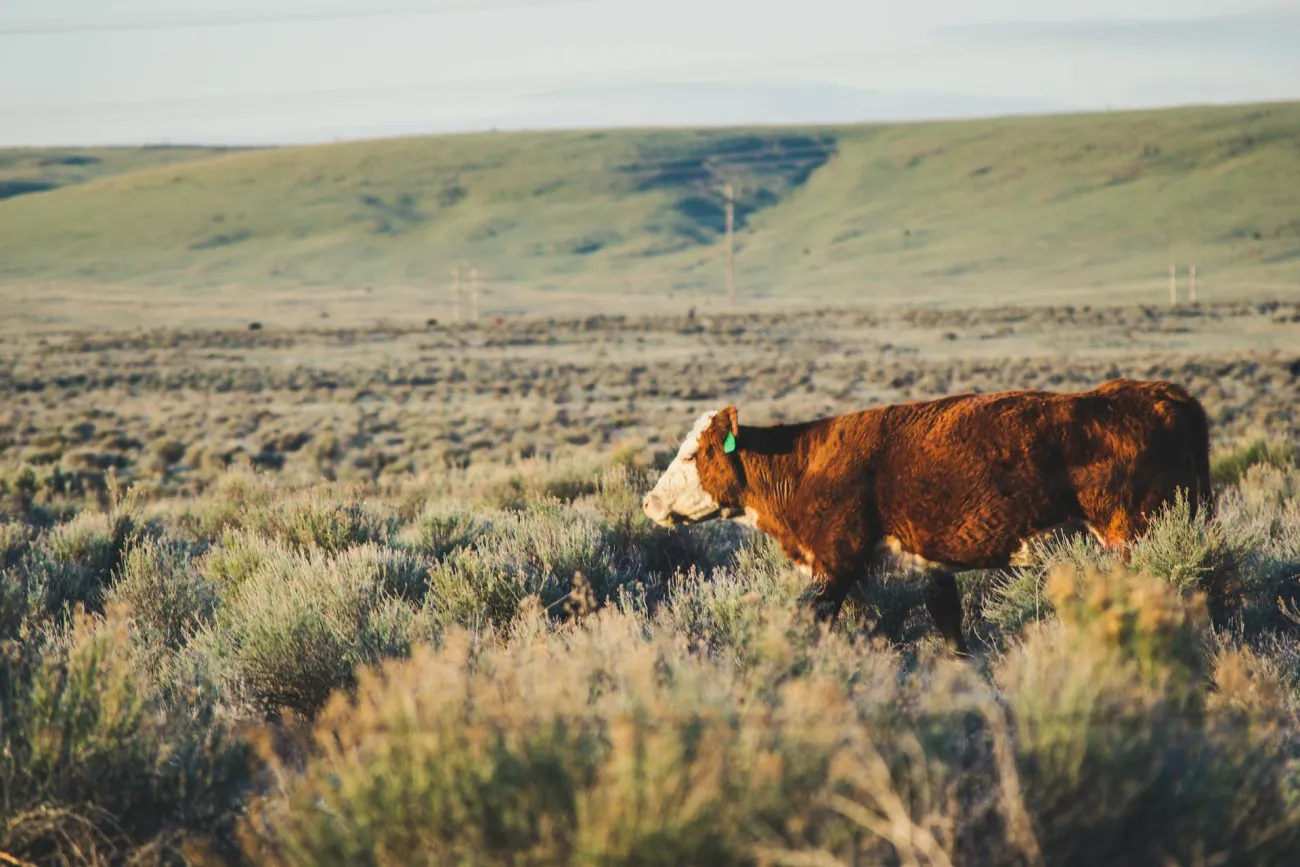
Image Journal articles Stranded assets in European agriculture during food system transformations Dietary shifts, particularly reduced animal-sourced food (ASF) consumption in high-income countries, risk stranding substantial livestock farming related assets - worth €258 billion in the EU and UK and 78% of farming fixed assets. This study estimates that ASF reductions of 9.5%, 60% and 100% could strand 18%, 50% and 77% of these assets, respectively. Read
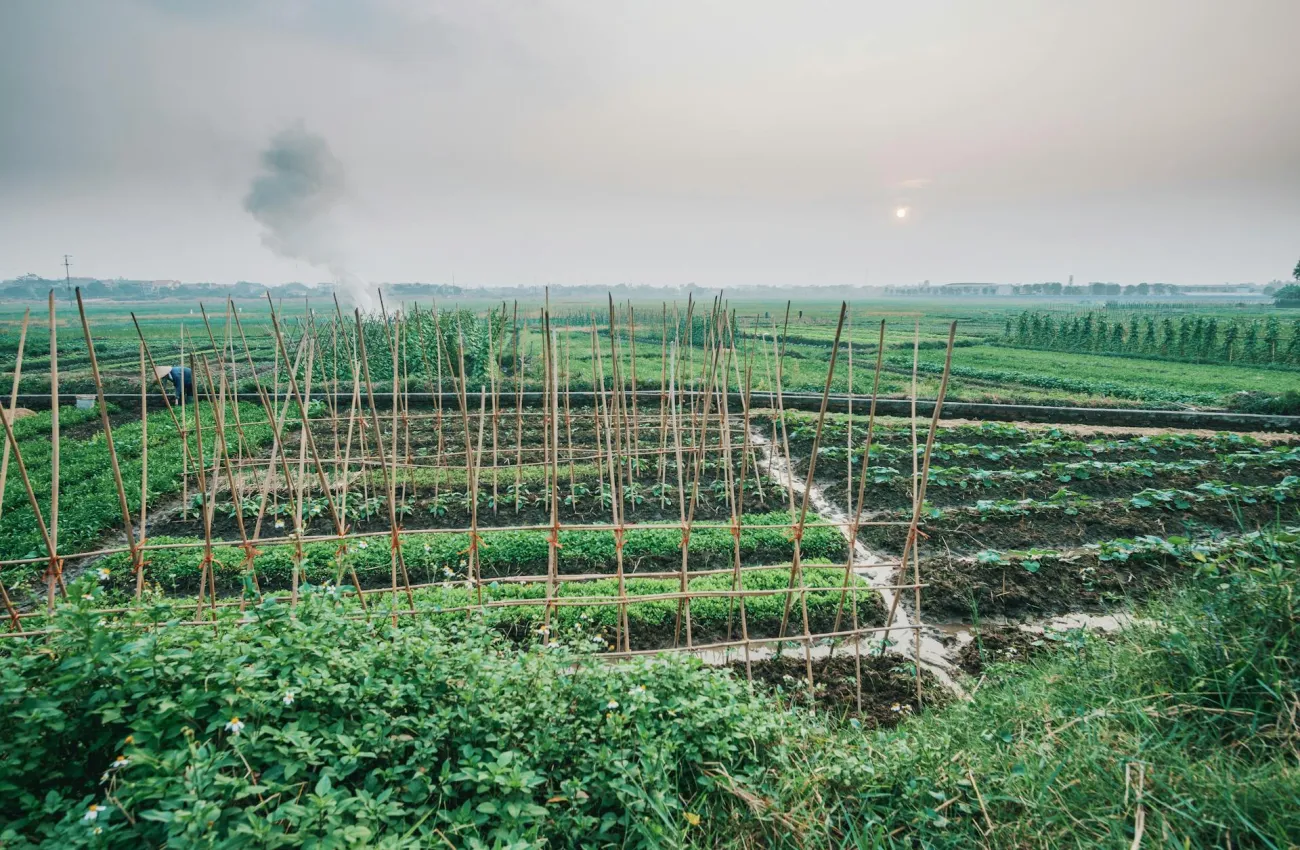
Image Journal articles Linking species and functional crop diversity in South Asia Agrobiodiversity underpins sustainable, nutritious food systems but this study found moderate to high species diversity often fails to translate into dietary and nutritional diversity across 906 districts in South India. Researchers suggest that these findings indicate substantial unrealized potential to align sustainability and nutrition in agricultural strategies. Read
Image Event recording Event Recording: Serious games for future food systems This presentation took part on 17 February 2026 in a hybrid format, with viewers online, in-person in Wageningen, and in-person in Oxford. Following this introduction to serious games, in-person and online participants played different serious games and took part in discussions about the games.Visit the Games at TABLE Library.Learn more about serious games. Read
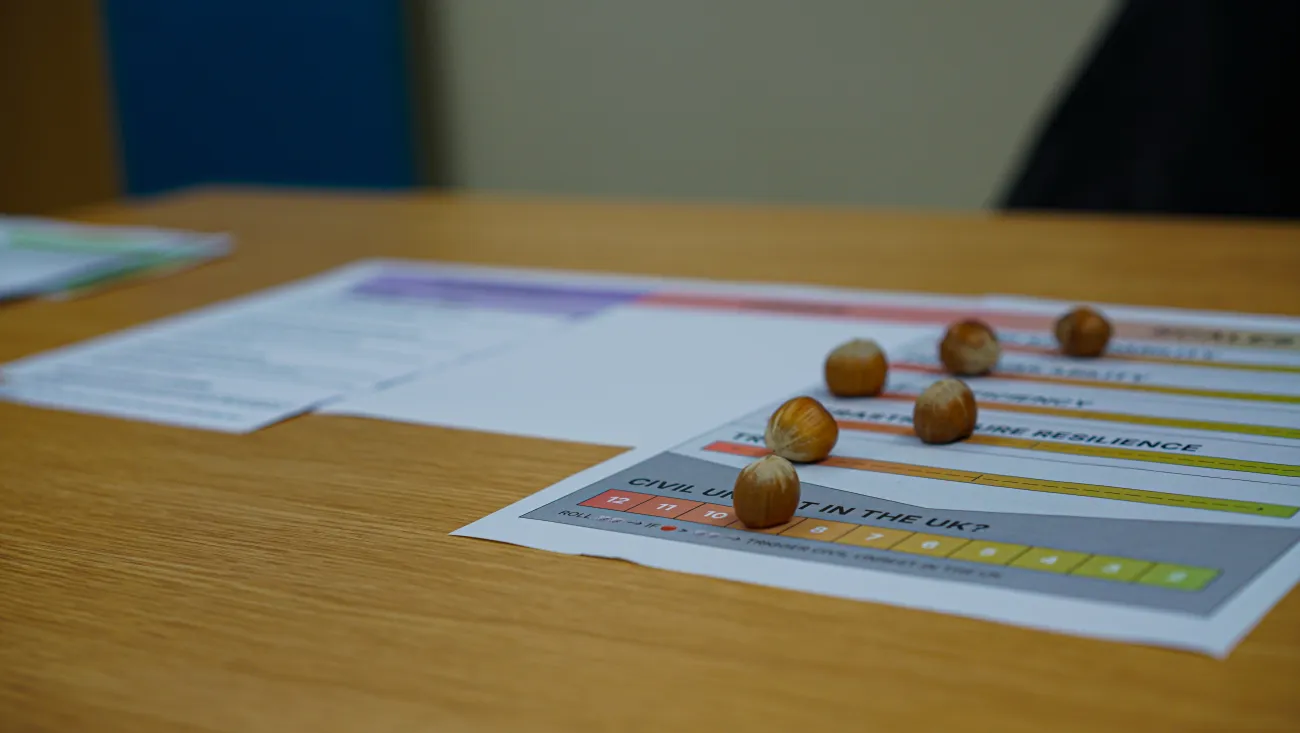
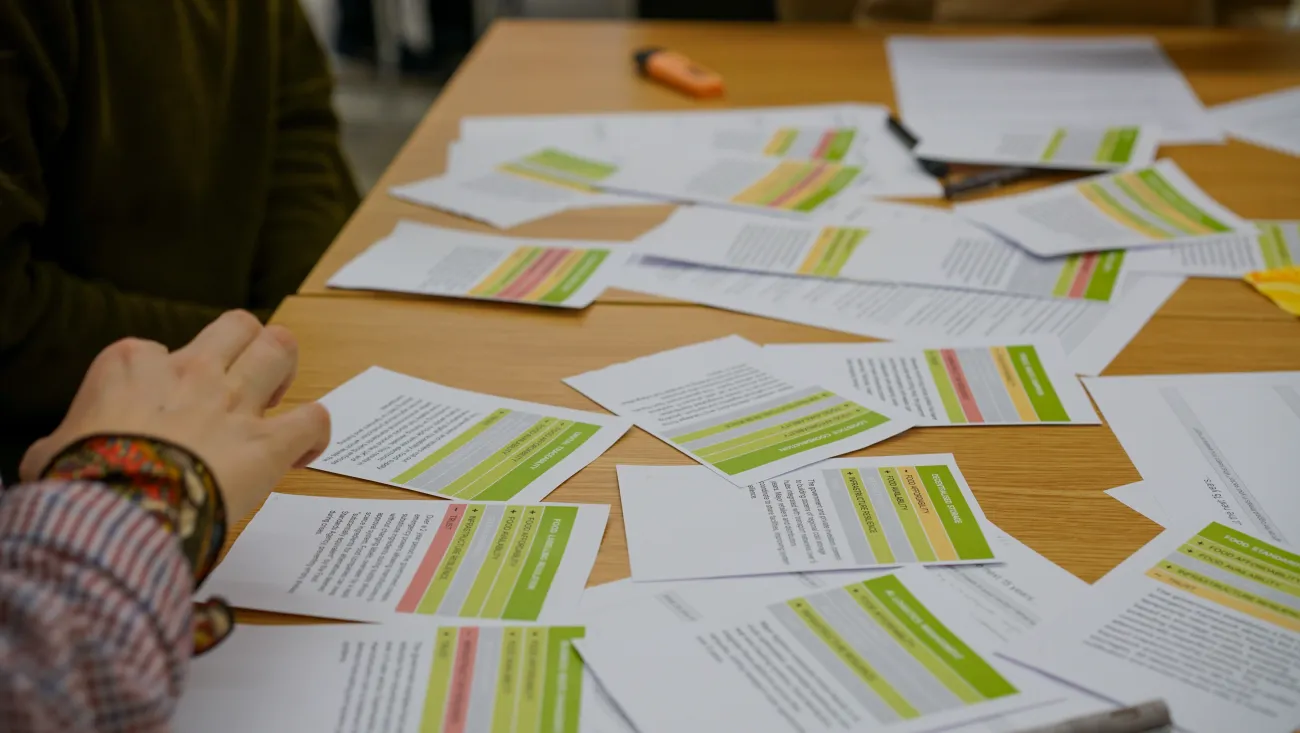
Image Game Barefood Barefood is a serious game for decision-makers and experts to explore and plan for the complex vulnerabilities within the UK food system. It can also be played by the public and students. Barefood lets you simulate what happens when chronic weaknesses, like food poverty or just-in-time logistics, meet acute shocks, such as extreme weather or cyber attacks. By taking on various stakeholder roles and making difficult choices with limited resources across simulated five-year rounds, participants identify how the food system might fail, and develop resilient strategies to prevent potential civil unrest. The game requires a minimum of 7 players, and can accommodate up to 35 players as they join one of 7 stakeholder groups. A game session can last between 2 and 4 hours. Read
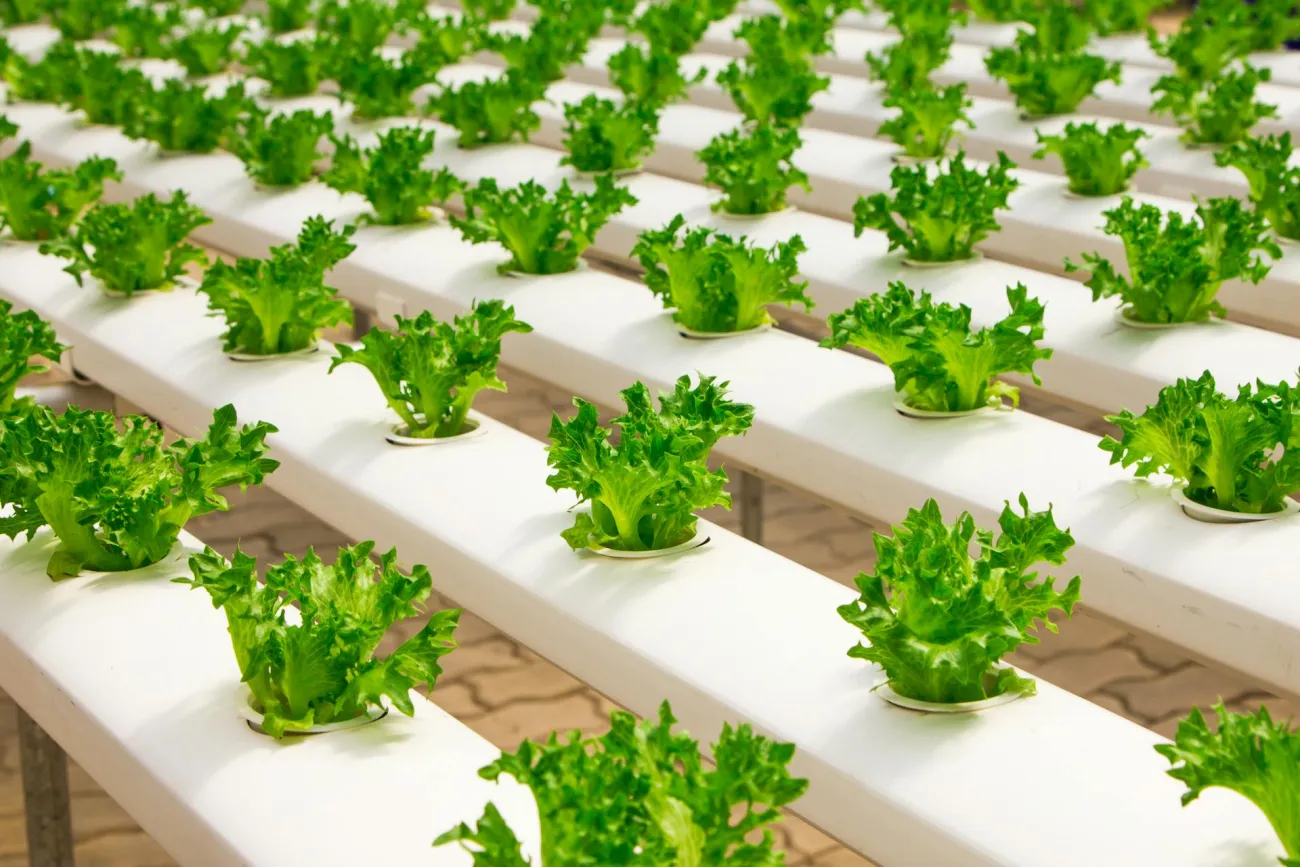
Image Books Aquaponics; Combining Aquaculture and Hydroponics This book describes the development of aquaculture in the world and covers: Essential concepts, approaches and uses; fish, plants and bacteria; design and monitoring of an aquaculture system and regulatory, societal and economic challenges Read
Image Books UK Food Policy History; Economic, Social and Political Influences This book provides an overview of the history of food policy in the UK, tracing economic, social and political influences from the 1840s to present day; from the period of public health reform during the 1840s, to the impact of two world wars, the era of new food choices in the 1950s and 1960s, the beginnings of alternative food movement in the 1970s, and the modern and postmodern ages of consumer ethics and fair trade. Read
Image Reports Summer drought costs UK arable farmers over £800m Following one of the worst UK harvests on record, arable farmers are left counting the cost of climate change as concerns about farm profitability mount. Read
Image Reports Exhausted Earth – How fertiliser corporations destroyed the nitrogen cycle and how to fix it This report by Foodrise, argues that fertiliser companies are villains of the nitrogen crisis who are making billions while devastating public health, biodiversity and climate. It suggests the industry should be more tightly regulated and made to pay for excess nitrogen fertiliser production. Read