Image Resources Our extensive research library contains thousands of summaries of journal articles, reports and news stories that can be searched by keyword and category RESOURCES CATEGORY Books Briefing paper Event recording Featured articles Featured report Game Journal articles News and resources Reports Think piece Video Working paper Workshop summary Year 2026 2025 2024 2023 2022 2021 2020 2019 2018 2017 2016 2015 2014 2013 2012 2011 2010 2009 2008 2007 2002 2001 Resource Which country has the most confectionary aisles? Good to know the Brits are tops at something. To read the full story click here. Read Image Resource Infographic: economic growth and health IFPRI has published an infographic showing the relationship between GDP and childhood stunting on the one hand; and between economic growth and overweight/obesity on the other. Read Image Resource Tesco, health and clubcard data The UK’s Daily Mail reports that the UK supermarket Tesco will monitor the healthiness of its customers’ food purchases using Clubcard data and then use that data to suggest ways in which people could make healthier choices. Although plans are still in the early stages options considered so far include offering vouchers for healthier products and promoting a better diet via suggested recipes. Read Image Resource The Pig Idea: new campaign on feeding pigs waste This campaign has been launched to re-introduce the feeding of waste to pigs. It hopes to encourage farmers about the benefits of feeding pigs surplus food and calls for a change in European law so farmers can return to feeding pigs waste in the long term. Read Image Resource Presentations available on sustainable intensification Presentations from the UK’s Agricultural Technology Strategy event on 21st May are now available on ESKTN _connect sustainable intensification in agriculture website. They can be downloaded from the document library here. Look for the folder entitled: UK Agricultural Technology Strategy event 21st May 2013. Read Image Resource LEAF Launches New Report - 'LEAF Driving Sustainability' Sustainability is high on the agenda for the food industry, but many companies are not actively monitoring or measuring the sustainability of the ingredients and products they source. These findings come from a new report, Driving Sustainability, from LEAF (Linking Environment And Farming). Read Resource Sustainable healthy diets in Europe: Opportunities and barriers This report is a summary of the efforts of LiveWell for LIFE and the Network of European Food Stakeholders to find the most important social and economic barriers and opportunities for sustainable diets in Spain, France and Sweden and in the wider EU. Read Image Resource EU GHG emissions in 2011 Greenhouse gases fell by 3.3 % in the EU in 2011, leading to the lowest level of emissions in reports going back to 1990. At the same time the EU experienced a 1.6 % growth in GDP. The decrease in 2011 was also the third largest over this period, according to official data compiled by the European Environment Agency (EEA) and reported by the EU to the United Nations Framework Convention on Climate Change (UNFCCC). Read Image Resource House of Commons report on global food security This report was published on behalf of UK MPs who sit on the House of Commons Select Committee on International Development. It was launched to coincide with the international event organised by the UK government as part of its presidency of the G8. The event was held for members of the G8 New Alliance for Food Security and Nutrition and focused on: ‘Nutrition for Growth: Beating hunger through nutrition and science.’ Read VIEW MORE
Resource Which country has the most confectionary aisles? Good to know the Brits are tops at something. To read the full story click here. Read
Image Resource Infographic: economic growth and health IFPRI has published an infographic showing the relationship between GDP and childhood stunting on the one hand; and between economic growth and overweight/obesity on the other. Read
Image Resource Tesco, health and clubcard data The UK’s Daily Mail reports that the UK supermarket Tesco will monitor the healthiness of its customers’ food purchases using Clubcard data and then use that data to suggest ways in which people could make healthier choices. Although plans are still in the early stages options considered so far include offering vouchers for healthier products and promoting a better diet via suggested recipes. Read
Image Resource The Pig Idea: new campaign on feeding pigs waste This campaign has been launched to re-introduce the feeding of waste to pigs. It hopes to encourage farmers about the benefits of feeding pigs surplus food and calls for a change in European law so farmers can return to feeding pigs waste in the long term. Read
Image Resource Presentations available on sustainable intensification Presentations from the UK’s Agricultural Technology Strategy event on 21st May are now available on ESKTN _connect sustainable intensification in agriculture website. They can be downloaded from the document library here. Look for the folder entitled: UK Agricultural Technology Strategy event 21st May 2013. Read
Image Resource LEAF Launches New Report - 'LEAF Driving Sustainability' Sustainability is high on the agenda for the food industry, but many companies are not actively monitoring or measuring the sustainability of the ingredients and products they source. These findings come from a new report, Driving Sustainability, from LEAF (Linking Environment And Farming). Read
Resource Sustainable healthy diets in Europe: Opportunities and barriers This report is a summary of the efforts of LiveWell for LIFE and the Network of European Food Stakeholders to find the most important social and economic barriers and opportunities for sustainable diets in Spain, France and Sweden and in the wider EU. Read
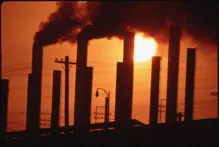
Image Resource EU GHG emissions in 2011 Greenhouse gases fell by 3.3 % in the EU in 2011, leading to the lowest level of emissions in reports going back to 1990. At the same time the EU experienced a 1.6 % growth in GDP. The decrease in 2011 was also the third largest over this period, according to official data compiled by the European Environment Agency (EEA) and reported by the EU to the United Nations Framework Convention on Climate Change (UNFCCC). Read
Image Resource House of Commons report on global food security This report was published on behalf of UK MPs who sit on the House of Commons Select Committee on International Development. It was launched to coincide with the international event organised by the UK government as part of its presidency of the G8. The event was held for members of the G8 New Alliance for Food Security and Nutrition and focused on: ‘Nutrition for Growth: Beating hunger through nutrition and science.’ Read