Image Resources Our extensive research library contains thousands of summaries of journal articles, reports and news stories that can be searched by keyword and category RESOURCES CATEGORYBooksBriefing paperEvent recordingFeatured articlesFeatured reportGameJournal articlesNews and resourcesReportsThink pieceVideoWorking paperWorkshop summary YEAR201220132014201520162017201820192020202120222023202420252026 Image Resource Five Korean foods most in danger of extinction This is the first time that Korean foods are listed in the Ark of Taste, an international slow-food catalogue showing foods that are in danger of extinction. The new foods include seasoned beans, dwarf wheat, wild fowl, Hanson Lily and beef from cows raised on medicinal herbs. The listing is part of an attempt to highlight the risk of extinction of these foods and encourage people to protect them. Read Image Resource Urban agricultural innovations: Aeroponic Technology Read Image Resource Bioenergy Production by Anaerobic Digestion, Using Agricultural Biomass and Organic Wastes Anaerobic digestion (AD) is the process of energy production through the production of biogas from agricultural and other organic waste. This book provides a broad introduction to AD and its potential to turn agricultural crops or crop residues, animal and other organic waste, into biomethane. Read Image Resource Chilling Facts report: hydrofluorocarbons (HFCs) in the supermarket refrigeration sector This annual report from the Environmental Investigation Agency (EIA) focuses on the use of refrigerants with high global warming potential such as HFCs, in major supermarket chains in the UK and Europe. It investigates the progress made in shifting towards more climate-friendly alternatives. Read Image Resource New FAO report on livestock emissions Read Image Resource Tropical grass could tame global warming gases New evidence suggests that a chemical mechanism operating in the roots of a tropical grass used for livestock feed holds enormous promise for reducing the emission of nitrous oxide. N2O is the most harmful of the warming gases, with a global warming potential 296 times that of carbon dioxide. According to the UN Food and Agriculture Organisation (FAO), the livestock sector accounts for 65 percent of the nitrous oxide emitted. Read Image Resource Maximizing the Environmental Benefits of Carbon Farming through Ecosystem Service Delivery Read Image Resource Enhancing the sustainability of commodity supply chains in tropical forest and agricultural landscapes This paper, recently published in Global Environmental Change, addresses the issue of ‘Enhancing the sustainability of commodity supply chains in tropical forest and agricultural landscapes’. It portrays some of the many interventions through which state, civil society and market actors can influence commodity supply chains, and provides a framework for comparing, planning and evaluating different interventions. Read Image Resource Video on Global Landscapes Forum Read VIEW MORE
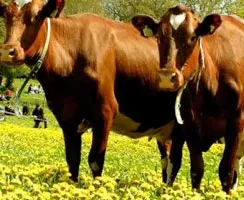
Image Resource Five Korean foods most in danger of extinction This is the first time that Korean foods are listed in the Ark of Taste, an international slow-food catalogue showing foods that are in danger of extinction. The new foods include seasoned beans, dwarf wheat, wild fowl, Hanson Lily and beef from cows raised on medicinal herbs. The listing is part of an attempt to highlight the risk of extinction of these foods and encourage people to protect them. Read
Image Resource Bioenergy Production by Anaerobic Digestion, Using Agricultural Biomass and Organic Wastes Anaerobic digestion (AD) is the process of energy production through the production of biogas from agricultural and other organic waste. This book provides a broad introduction to AD and its potential to turn agricultural crops or crop residues, animal and other organic waste, into biomethane. Read
Image Resource Chilling Facts report: hydrofluorocarbons (HFCs) in the supermarket refrigeration sector This annual report from the Environmental Investigation Agency (EIA) focuses on the use of refrigerants with high global warming potential such as HFCs, in major supermarket chains in the UK and Europe. It investigates the progress made in shifting towards more climate-friendly alternatives. Read
Image Resource Tropical grass could tame global warming gases New evidence suggests that a chemical mechanism operating in the roots of a tropical grass used for livestock feed holds enormous promise for reducing the emission of nitrous oxide. N2O is the most harmful of the warming gases, with a global warming potential 296 times that of carbon dioxide. According to the UN Food and Agriculture Organisation (FAO), the livestock sector accounts for 65 percent of the nitrous oxide emitted. Read
Image Resource Maximizing the Environmental Benefits of Carbon Farming through Ecosystem Service Delivery Read
Image Resource Enhancing the sustainability of commodity supply chains in tropical forest and agricultural landscapes This paper, recently published in Global Environmental Change, addresses the issue of ‘Enhancing the sustainability of commodity supply chains in tropical forest and agricultural landscapes’. It portrays some of the many interventions through which state, civil society and market actors can influence commodity supply chains, and provides a framework for comparing, planning and evaluating different interventions. Read