Image Resources Our extensive research library contains thousands of summaries of journal articles, reports and news stories that can be searched by keyword and category RESOURCES CATEGORY Books Briefing paper Event recording Featured articles Featured report Game Journal articles News and resources Reports Think piece Video Working paper Workshop summary Year 2026 2025 2024 2023 2022 2021 2020 2019 2018 2017 2016 2015 2014 2013 2012 2011 2010 2009 2008 2007 2002 2001 Image Resource Blog: Future of food journal This blog is hosted by the Future of Food Journal and provides a platform for young scholars, researchers, post graduate students, doctoral students and post doctoral fellows who are interested in food related themes to deliberate their research experiences through research paper articles. Read Image Resource Met Office map shows climate change impacts The The Human Dynamics of Climate Change map has been created in a joint effort by scientists and policymakers and it shows how climate change could affect people all over the world by the end of the century if carbon emissions continue unabated. Read Image Resource Guardian debate on sustainability impacts of livestock grazing In a debate between George Monbiot and L hunter Lovins in The Guardian, the issue of impacts and evidence of livestock grazing is discussed. Monbiots article “Eat more meat and save the world: the latest implausible farming miracle” can be found here while L. Hunter Lovins’ article “Why George Monbiot is wrong: grazing livestock can save the world” can be read here. Read Image Resource Indian meat industry worries about ‘war on meat’ according to Euromonitor Despite being known for its large population of devout vegetarians, India is home to the world’s largest herd of cattle and is the world’s fourth largest exporter of beef, behind only the obvious behemoths, the US, Brazil and China. Read Image Resource Is the Planet Full? Oxford Martin School book investigates impacts of population growth In this book Ian Goldin brings together colleagues from the Oxford Martin School to discuss issues related to population growth. Each colleague contributes with a chapter on a range of issues such as population ethics, economics, demographic and environmental change, resource management, human health, and governance. Read Image Resource Report highlights UK aquaculture A recent issue of The Global Food Security (GFS) programme’s Insight series, which intends to provide a “balanced analysis of food related research for use by policy-makers and practitioners”, explores aquatic farming in the UK. Read Image Resource FAO releases findings of global dairy feed mapping project The International Dairy Federation (IDF), the UN’s Food and Agriculture Organization (FAO), and the IFCN Dairy Research Network (IFCN) have collaborated on an extensive study on international dairy feeding systems to explore how differences within these systems for dairy cows, water buffaloes, sheep, and goats and between large and smallholders can affect a range of issues - from the nutritional content of the milk to the level of GHG emissions involved in the production process. Each of the three organizations had differing stakes in the research. Read Image Resource The role of no-till agriculture in climate change mitigation may be over-stated This review, published in Nature Climate Change, concludes that the role of no-till agriculture in mitigating climate change may be over-stated . No-till and reduced tillage are methods of establishing crops with low soil disturbance as opposed to conventional tillage involving ploughing or other practices. Read Image Resource Land, irrigation water, greenhouse gas, and reactive nitrogen burdens of meat, eggs, and dairy production in the United States This paper published in PNAS - Proceedings of the National Academy of Sciences of the United States of America - looks at the environmental costs of food production and in particular livestock based food production. The paper is based on annual 2000–2010 data for land, irrigation water, and fertilizer from the USDA, the Department of the Interior, and the Department of Energy. Read VIEW MORE
Image Resource Blog: Future of food journal This blog is hosted by the Future of Food Journal and provides a platform for young scholars, researchers, post graduate students, doctoral students and post doctoral fellows who are interested in food related themes to deliberate their research experiences through research paper articles. Read
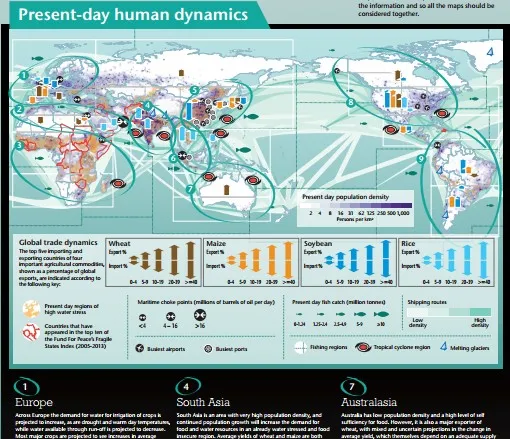
Image Resource Met Office map shows climate change impacts The The Human Dynamics of Climate Change map has been created in a joint effort by scientists and policymakers and it shows how climate change could affect people all over the world by the end of the century if carbon emissions continue unabated. Read
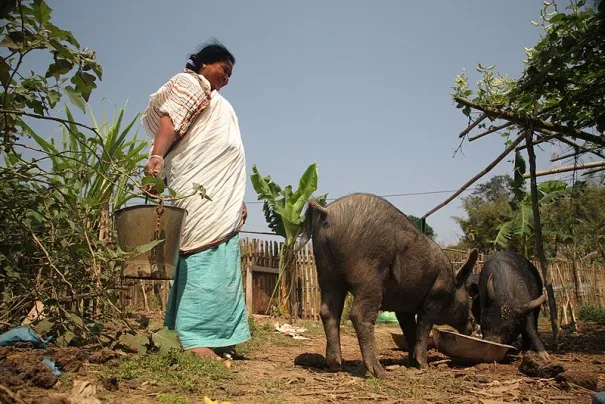
Image Resource Guardian debate on sustainability impacts of livestock grazing In a debate between George Monbiot and L hunter Lovins in The Guardian, the issue of impacts and evidence of livestock grazing is discussed. Monbiots article “Eat more meat and save the world: the latest implausible farming miracle” can be found here while L. Hunter Lovins’ article “Why George Monbiot is wrong: grazing livestock can save the world” can be read here. Read
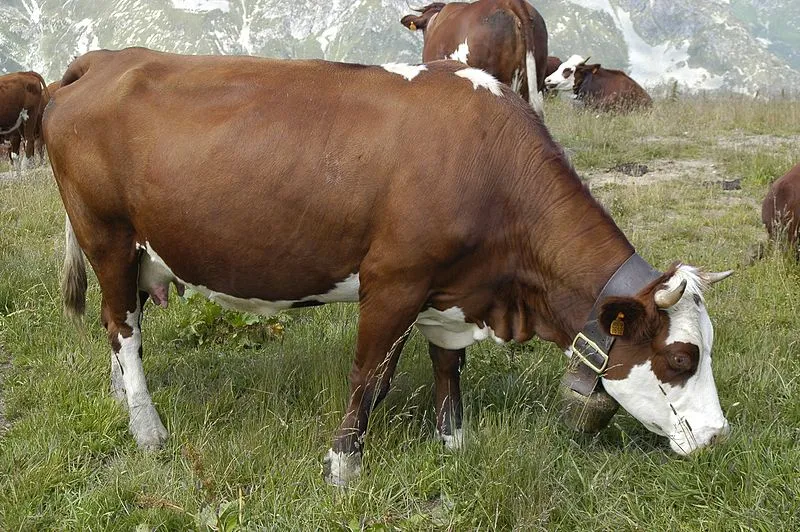
Image Resource Indian meat industry worries about ‘war on meat’ according to Euromonitor Despite being known for its large population of devout vegetarians, India is home to the world’s largest herd of cattle and is the world’s fourth largest exporter of beef, behind only the obvious behemoths, the US, Brazil and China. Read
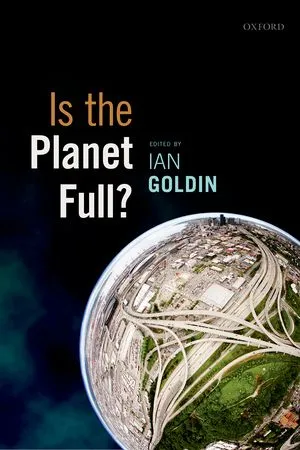
Image Resource Is the Planet Full? Oxford Martin School book investigates impacts of population growth In this book Ian Goldin brings together colleagues from the Oxford Martin School to discuss issues related to population growth. Each colleague contributes with a chapter on a range of issues such as population ethics, economics, demographic and environmental change, resource management, human health, and governance. Read
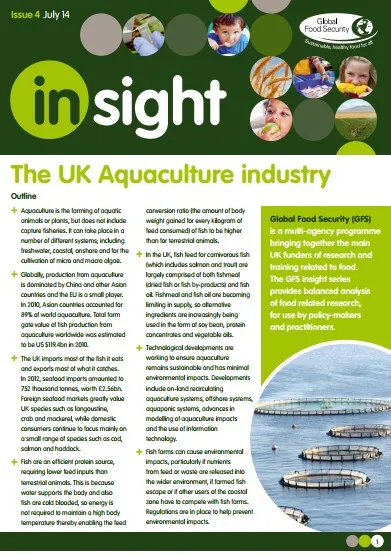
Image Resource Report highlights UK aquaculture A recent issue of The Global Food Security (GFS) programme’s Insight series, which intends to provide a “balanced analysis of food related research for use by policy-makers and practitioners”, explores aquatic farming in the UK. Read
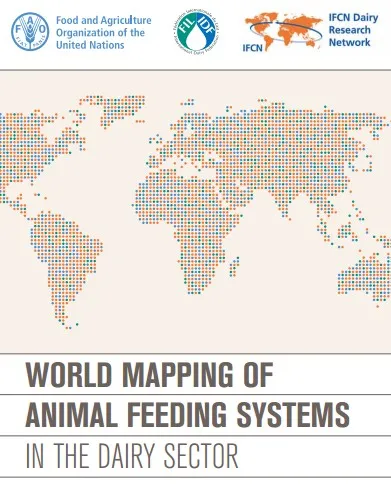
Image Resource FAO releases findings of global dairy feed mapping project The International Dairy Federation (IDF), the UN’s Food and Agriculture Organization (FAO), and the IFCN Dairy Research Network (IFCN) have collaborated on an extensive study on international dairy feeding systems to explore how differences within these systems for dairy cows, water buffaloes, sheep, and goats and between large and smallholders can affect a range of issues - from the nutritional content of the milk to the level of GHG emissions involved in the production process. Each of the three organizations had differing stakes in the research. Read
Image Resource The role of no-till agriculture in climate change mitigation may be over-stated This review, published in Nature Climate Change, concludes that the role of no-till agriculture in mitigating climate change may be over-stated . No-till and reduced tillage are methods of establishing crops with low soil disturbance as opposed to conventional tillage involving ploughing or other practices. Read
Image Resource Land, irrigation water, greenhouse gas, and reactive nitrogen burdens of meat, eggs, and dairy production in the United States This paper published in PNAS - Proceedings of the National Academy of Sciences of the United States of America - looks at the environmental costs of food production and in particular livestock based food production. The paper is based on annual 2000–2010 data for land, irrigation water, and fertilizer from the USDA, the Department of the Interior, and the Department of Energy. Read