Image Resources Our extensive research library contains thousands of summaries of journal articles, reports and news stories that can be searched by keyword and category RESOURCES CATEGORY Books Briefing paper Event recording Featured articles Featured report Game Journal articles News and resources Reports Think piece Video Working paper Workshop summary Year 2026 2025 2024 2023 2022 2021 2020 2019 2018 2017 2016 2015 2014 2013 2012 2011 2010 2009 2008 2007 2002 2001 Image Resource New IFPRI website on food and climate The International Food Policy Research Institute (IFPRI) has launched a new website dedicated to climate change and food policy research and impacts. The website covers news, event updates, project profiles, and shares related materials from across its climate change research portfolio. Since the CGIAR Research Program on Climate Change, Agriculture and Food Security (CCAFS) is a prominent partner in the field of climate change, much of CCAFS and IFPRI’s mutual work together will be featured on the site. Visit the web site here. Read Image Resource No dominion over nature: Why treating ecosystems like machines will lead to boom and bust in food supply, Friends of the Earth This paper argues that a focus on increasing production in line with dominant projections of increased demand, through intensification of current industrial agricultural practices, will cause environmental damage and increase food insecurity. Read Image Resource Book: An Introduction to the Green Economy Science, Systems and Sustainability The green economy is widely seen as a potential solution to current global economic and environmental crises, and a potential mechanism by which sustainable development might be achieved in practice. Read Image Resource Farm animal welfare in the UK This report, Farm animal welfare: Past, present and future, looks back at how farm animal welfare assurance schemes have developed over the past 20 years, and assesses potential future development of such schemes. Read Image Resource Building environmentally sustainable food systems on informed citizen choices: evidence from Australia This paper on sustainable diets, published in Biological Agriculture and Horticulture, provides evidence on the most effective ways to influence consumers to adopt sustainable diets. The evidence comes from a pilot study on a group of 163 Australians who would be expected to be ‘early adopters’ of a sustainable diet (due to their higher than average education and income). Read Image Resource Sustainable food futures, the role of ICT & citizen-consumers A new paper published in Futures urges discussions about unsustainable food consumption to include more consideration of consumer habits and practices. Responding to reports by the World Economic Forum and the European Commission, it hypothesises that technological innovations and ‘produce more with less’ approaches fail to take into account the varied and nuanced consumer attitudes that surround food, and therefore do not fully consider whether the public would ever actually adopt proposed solutions. Read Image Resource Greenhouse Gas Emission Estimates of U.S. Dietary Choices and Food Loss This paper looks at the environmental costs of food production and consumption. It offers an updated account of the GHG emissions associated with production of U.S. food losses at the retail/institution and consumer level and also considers the effects of a shift in diets away from current US consumption patterns towards those recommended by USDA dietary guidelines. Read Image Resource Food Switch app to help consumers make healthier food choices The FoodSwitch app, developed by the George Institute for Global Health to help you make healthier food choices is one of three winners of the Public Health England Award. The app was designed to help the consumer make better food choices and works by displaying nutritional information and offering the user healthier alternatives to the items in their shopping basket. Read Image Resource Blog: Raising food prices to end hunger In this blog post for Global Food Security, former FAO agricultural economist Andrew MacMillan says the doctrine that food prices should be kept as low as possible to end hunger is wrong. Read VIEW MORE
Image Resource New IFPRI website on food and climate The International Food Policy Research Institute (IFPRI) has launched a new website dedicated to climate change and food policy research and impacts. The website covers news, event updates, project profiles, and shares related materials from across its climate change research portfolio. Since the CGIAR Research Program on Climate Change, Agriculture and Food Security (CCAFS) is a prominent partner in the field of climate change, much of CCAFS and IFPRI’s mutual work together will be featured on the site. Visit the web site here. Read
Image Resource No dominion over nature: Why treating ecosystems like machines will lead to boom and bust in food supply, Friends of the Earth This paper argues that a focus on increasing production in line with dominant projections of increased demand, through intensification of current industrial agricultural practices, will cause environmental damage and increase food insecurity. Read
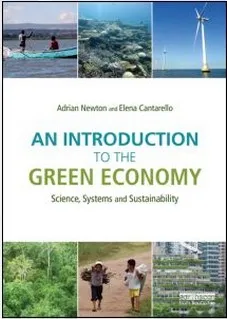
Image Resource Book: An Introduction to the Green Economy Science, Systems and Sustainability The green economy is widely seen as a potential solution to current global economic and environmental crises, and a potential mechanism by which sustainable development might be achieved in practice. Read
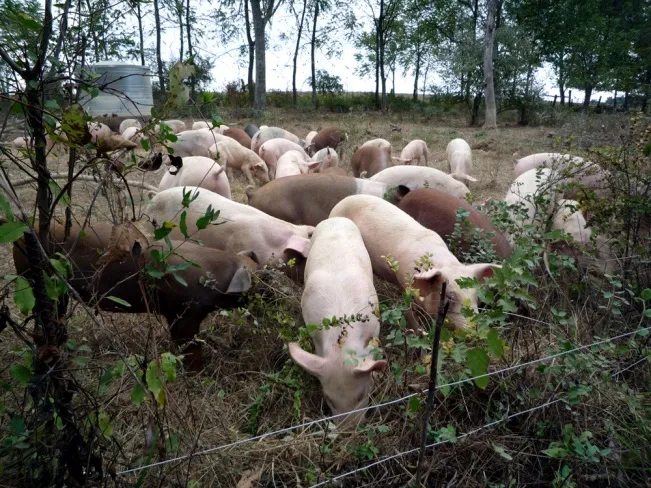
Image Resource Farm animal welfare in the UK This report, Farm animal welfare: Past, present and future, looks back at how farm animal welfare assurance schemes have developed over the past 20 years, and assesses potential future development of such schemes. Read
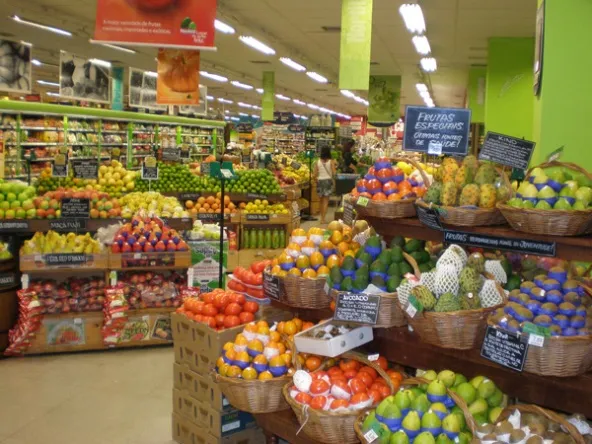
Image Resource Building environmentally sustainable food systems on informed citizen choices: evidence from Australia This paper on sustainable diets, published in Biological Agriculture and Horticulture, provides evidence on the most effective ways to influence consumers to adopt sustainable diets. The evidence comes from a pilot study on a group of 163 Australians who would be expected to be ‘early adopters’ of a sustainable diet (due to their higher than average education and income). Read
Image Resource Sustainable food futures, the role of ICT & citizen-consumers A new paper published in Futures urges discussions about unsustainable food consumption to include more consideration of consumer habits and practices. Responding to reports by the World Economic Forum and the European Commission, it hypothesises that technological innovations and ‘produce more with less’ approaches fail to take into account the varied and nuanced consumer attitudes that surround food, and therefore do not fully consider whether the public would ever actually adopt proposed solutions. Read
Image Resource Greenhouse Gas Emission Estimates of U.S. Dietary Choices and Food Loss This paper looks at the environmental costs of food production and consumption. It offers an updated account of the GHG emissions associated with production of U.S. food losses at the retail/institution and consumer level and also considers the effects of a shift in diets away from current US consumption patterns towards those recommended by USDA dietary guidelines. Read
Image Resource Food Switch app to help consumers make healthier food choices The FoodSwitch app, developed by the George Institute for Global Health to help you make healthier food choices is one of three winners of the Public Health England Award. The app was designed to help the consumer make better food choices and works by displaying nutritional information and offering the user healthier alternatives to the items in their shopping basket. Read
Image Resource Blog: Raising food prices to end hunger In this blog post for Global Food Security, former FAO agricultural economist Andrew MacMillan says the doctrine that food prices should be kept as low as possible to end hunger is wrong. Read