Image Resources Our extensive research library contains thousands of summaries of journal articles, reports and news stories that can be searched by keyword and category RESOURCES CATEGORY Books Briefing paper Event recording Featured articles Featured report Game Journal articles News and resources Reports Think piece Video Working paper Workshop summary Year 2026 2025 2024 2023 2022 2021 2020 2019 2018 2017 2016 2015 2014 2013 2012 2011 2010 2009 2008 2007 2002 2001 Image Resource Future farms need homegrown science This article by the CGIAR’s Climate Change, Agriculture and Food Security (CCAFS) programme, discusses a new paper that evaluates the impact of investments in agricultural research capacity and research and development (R&D) on adaptation and mitigation. It argues that when it comes to improving the resilience of crops to climate change, local innovation needs to go hand in hand with more external funding aimed at improving agricultural research capacity. Read Image Resource Genetically modified salmon wins FDA approval This article in Science Magazine discusses how a genetically modified (GM) salmon has become the first animal to be approved by the U.S. Food and Drug Administration (FDA). Read Image Resource Apocalypse pig –how the last antibiotics are starting to fail A new form of antibiotic resistance was recently identified and the results of the ongoing research project have been published in The Lancet Infectious Disease. The Lancet published the paper as part of their series on antimicrobial access and resistance to coincide with the WHO’s World Antibiotic Awareness Week for Nov 16–22, 2015. Read Image Resource “Figuring Out the Food Consumer” Food research Collaboration blog-post In this blog-post, various archetypes or tropes of consumers are portrayed and scrutinized. General claims about consumer behaviour that pervade the discourse of food politics are discussed and three archetypes are identified. The author, Dr Ben Richardson from the Department of Politics and International Studies at University of Warwick, describes and questions both the figures of the food consumer being presented to us and the ideological projects with which they are associated. Read Image Resource Analysis: The final Paris climate deal This Carbon Brief analysis is a very useful summary of the climate agreement that was reached in Paris at the COP21 on 12th December 2015. Read Image Resource UN FAO - Food wastage footprint & Climate Change This FAO brief on food waste discusses the carbon footprint of global food waste and so called embedded emissions in avoidable food waste. In order to measure the avoidable emissions it is necessary to know how much of what kind of food is wasted and where. Read Image Resource State of play in UK sustainable palm oil strides This report from the UK’s Department for Environment, Food and Rural Affairs (Defra), reports that there has been 'steady' progress on certified sustainable palm oil use with palm oil imports 72% sustainable in 2014 - up from 55% in 2013. Read Image Resource In the UK tax on sugary drinks is backed by MPs A new report by the Commons’ Health Committee discusses the potential of implementing a sugary drink tax as a way of combating child obesity. Sugary drinks are the largest sources of sugar for 11 to 18 year-olds and there is increasing concern over the effects of sugar on people’s health, particularly the health of children and teenagers. Read Image Resource Alternatives to Nitrite in Processed Meat Nitrite is used by the food industry as a preservation agent for meat products. Nitrite has multiple functions, it prevents lipid oxidation, maintains microbial quality and preserves flavour and colour. One of the main concerns of consumers is the possible carcinogenic effect nitrite could have in some meat products after the curing process (as reported by the WHO recently: see FCRN coverage here). Read VIEW MORE
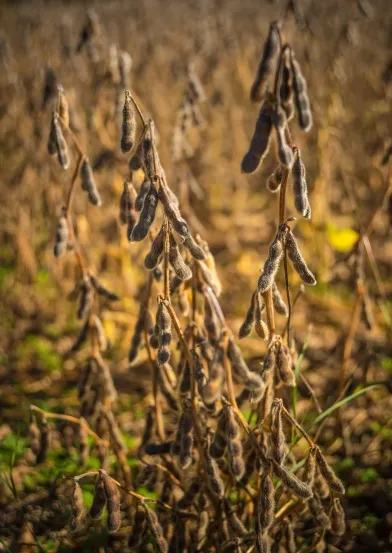
Image Resource Future farms need homegrown science This article by the CGIAR’s Climate Change, Agriculture and Food Security (CCAFS) programme, discusses a new paper that evaluates the impact of investments in agricultural research capacity and research and development (R&D) on adaptation and mitigation. It argues that when it comes to improving the resilience of crops to climate change, local innovation needs to go hand in hand with more external funding aimed at improving agricultural research capacity. Read
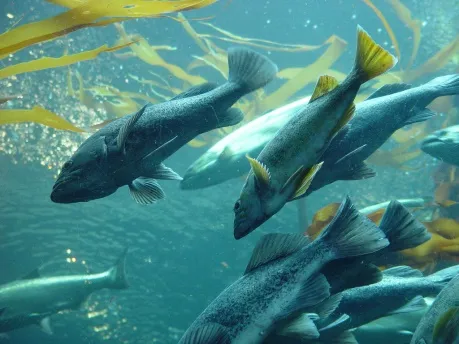
Image Resource Genetically modified salmon wins FDA approval This article in Science Magazine discusses how a genetically modified (GM) salmon has become the first animal to be approved by the U.S. Food and Drug Administration (FDA). Read
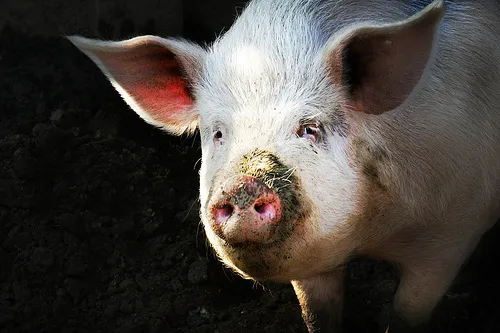
Image Resource Apocalypse pig –how the last antibiotics are starting to fail A new form of antibiotic resistance was recently identified and the results of the ongoing research project have been published in The Lancet Infectious Disease. The Lancet published the paper as part of their series on antimicrobial access and resistance to coincide with the WHO’s World Antibiotic Awareness Week for Nov 16–22, 2015. Read
Image Resource “Figuring Out the Food Consumer” Food research Collaboration blog-post In this blog-post, various archetypes or tropes of consumers are portrayed and scrutinized. General claims about consumer behaviour that pervade the discourse of food politics are discussed and three archetypes are identified. The author, Dr Ben Richardson from the Department of Politics and International Studies at University of Warwick, describes and questions both the figures of the food consumer being presented to us and the ideological projects with which they are associated. Read
Image Resource Analysis: The final Paris climate deal This Carbon Brief analysis is a very useful summary of the climate agreement that was reached in Paris at the COP21 on 12th December 2015. Read
Image Resource UN FAO - Food wastage footprint & Climate Change This FAO brief on food waste discusses the carbon footprint of global food waste and so called embedded emissions in avoidable food waste. In order to measure the avoidable emissions it is necessary to know how much of what kind of food is wasted and where. Read
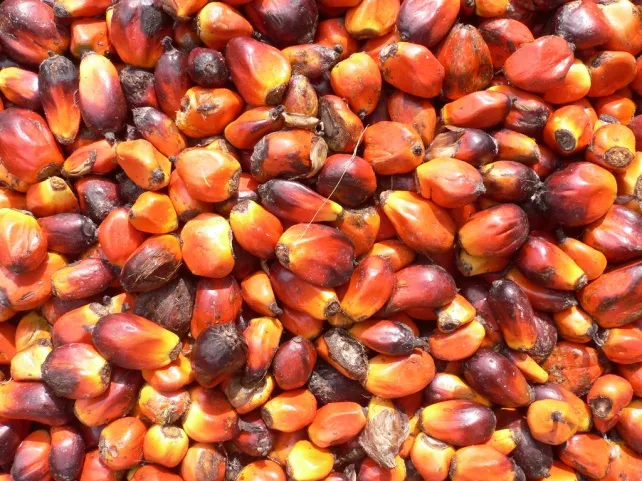
Image Resource State of play in UK sustainable palm oil strides This report from the UK’s Department for Environment, Food and Rural Affairs (Defra), reports that there has been 'steady' progress on certified sustainable palm oil use with palm oil imports 72% sustainable in 2014 - up from 55% in 2013. Read
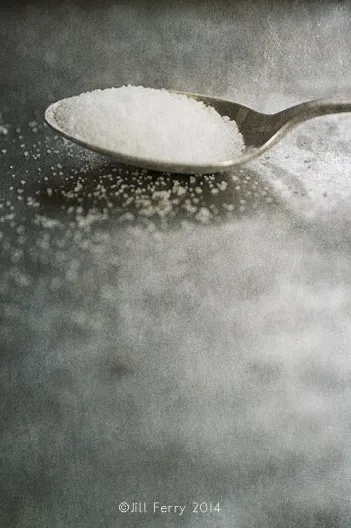
Image Resource In the UK tax on sugary drinks is backed by MPs A new report by the Commons’ Health Committee discusses the potential of implementing a sugary drink tax as a way of combating child obesity. Sugary drinks are the largest sources of sugar for 11 to 18 year-olds and there is increasing concern over the effects of sugar on people’s health, particularly the health of children and teenagers. Read
Image Resource Alternatives to Nitrite in Processed Meat Nitrite is used by the food industry as a preservation agent for meat products. Nitrite has multiple functions, it prevents lipid oxidation, maintains microbial quality and preserves flavour and colour. One of the main concerns of consumers is the possible carcinogenic effect nitrite could have in some meat products after the curing process (as reported by the WHO recently: see FCRN coverage here). Read