Image Resources Our extensive research library contains thousands of summaries of journal articles, reports and news stories that can be searched by keyword and category RESOURCES CATEGORY Books Briefing paper Event recording Featured articles Featured report Game Journal articles News and resources Reports Think piece Video Working paper Workshop summary Year 2026 2025 2024 2023 2022 2021 2020 2019 2018 2017 2016 2015 2014 2013 2012 2011 2010 2009 2008 2007 2002 2001 Image Resource Indigenous African soil enrichment as a climate-smart sustainable agriculture alternative Innovative, climate-smart soil-management can be developed to improve soil fertility; these can increase agricultural production and food security while contributing to climate mitigation through carbon sequestration. The authors propose the solution of recreating conditions that lead to the formation of ADE (African Dark Earths). Read Image Resource A decline of Western Fast Food consumption in China? A new report by McKinsey & Company argues that China seems to be abandoning Western fast food for healthier options. Only 51% of consumers in China said they ate Western fast food in 2015, signalling a drop from the 67% who said they consumed fast food in 2012. Read Image Resource How Nanotechnology Can Help Us Grow More Food Using Less Energy and Water Nanotechnology – the designing of ultra-small particles – is part of the evolving science of precision agriculture, and could potentially solve some of the world’s most pressing problems at the food-energy-water nexus as it requires fewer natural resources and water, and enhances plant nutritional values. Read Image Resource Food Systems Governance - Challenges for justice, equality and human rights Sustainability and food production represent a major challenge to society, with both consumption and supply sides posing practical and ethical dilemmas. This book shows that food governance issues can occur in many ways and at many points along the food chain. The risks and impacts, particularly with the increasing globalisation of food systems, are often distributed in unequal ways. Read Image Resource Food Literacy: Key concepts for health and education Globally, the food system and the relationship of the individual to that system, continues to change and grow in complexity. Eating is an everyday event that is part of everyone’s lives. There are many commentaries on the nature of these changes to what, where and how we eat and their socio-cultural, environmental, educational, economic and health consequences. Read Image Resource Farming for the Future: Organic and Agroecological Solutions to Feed the World This report by Friends of the Earth discusses how ecological resources essential for producing food can be protected and how we can feed a growing population by focusing on creating a more sustainable, democratic and fair food system for all. Read Image Resource Changes in four societal drivers and their potential to reduce Swedish nutrient inputs in to the sea This report discusses how less protein in food and fewer phosphorus compounds added to food products could reduce the eutrophication of the sea. Below is a summary of the research by two of the report’s authors, Anders Grimvall and Eva-Lotta Sundblad from the Swedish Institute for the Marine Environment. Read Image Resource Global standard to measure food waste The new global Food Losses and Waste FLW standard for measuring food loss and waste is the first set of international definitions and reporting requirements for businesses, governments and other organisations specifying how they should measure and manage food loss and waste, as a step towards helping countries and companies improve efforts to store, transport and consume food more efficiently. Read Image Resource Reducing non-CO2 emissions from agriculture to meet the 2°C target 119 countries pledged to reduce their GHG emissions in the 2015 Paris Agreement but exactly how much mitigation is needed by each sector to meet the 2-degree global target still largely unknown. This paper by Wollenberg et al., provides an estimate of how much GHG mitigation should be expected of the agricultural sector; compares this with what current plausible mitigation options could deliver – and finds a major discrepancy between the two. Read VIEW MORE
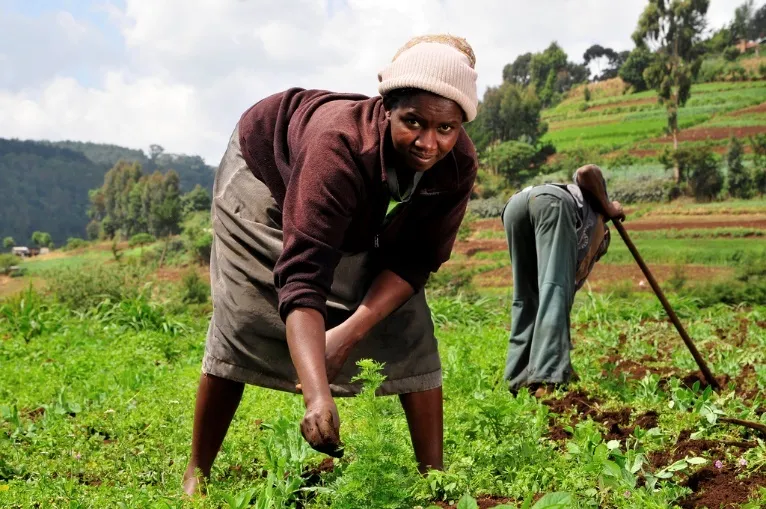
Image Resource Indigenous African soil enrichment as a climate-smart sustainable agriculture alternative Innovative, climate-smart soil-management can be developed to improve soil fertility; these can increase agricultural production and food security while contributing to climate mitigation through carbon sequestration. The authors propose the solution of recreating conditions that lead to the formation of ADE (African Dark Earths). Read
Image Resource A decline of Western Fast Food consumption in China? A new report by McKinsey & Company argues that China seems to be abandoning Western fast food for healthier options. Only 51% of consumers in China said they ate Western fast food in 2015, signalling a drop from the 67% who said they consumed fast food in 2012. Read
Image Resource How Nanotechnology Can Help Us Grow More Food Using Less Energy and Water Nanotechnology – the designing of ultra-small particles – is part of the evolving science of precision agriculture, and could potentially solve some of the world’s most pressing problems at the food-energy-water nexus as it requires fewer natural resources and water, and enhances plant nutritional values. Read
Image Resource Food Systems Governance - Challenges for justice, equality and human rights Sustainability and food production represent a major challenge to society, with both consumption and supply sides posing practical and ethical dilemmas. This book shows that food governance issues can occur in many ways and at many points along the food chain. The risks and impacts, particularly with the increasing globalisation of food systems, are often distributed in unequal ways. Read
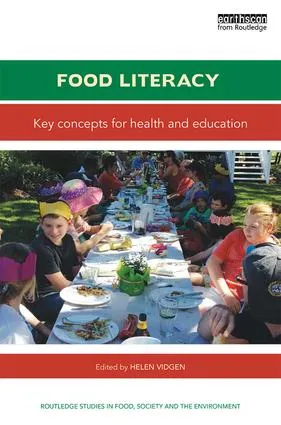
Image Resource Food Literacy: Key concepts for health and education Globally, the food system and the relationship of the individual to that system, continues to change and grow in complexity. Eating is an everyday event that is part of everyone’s lives. There are many commentaries on the nature of these changes to what, where and how we eat and their socio-cultural, environmental, educational, economic and health consequences. Read
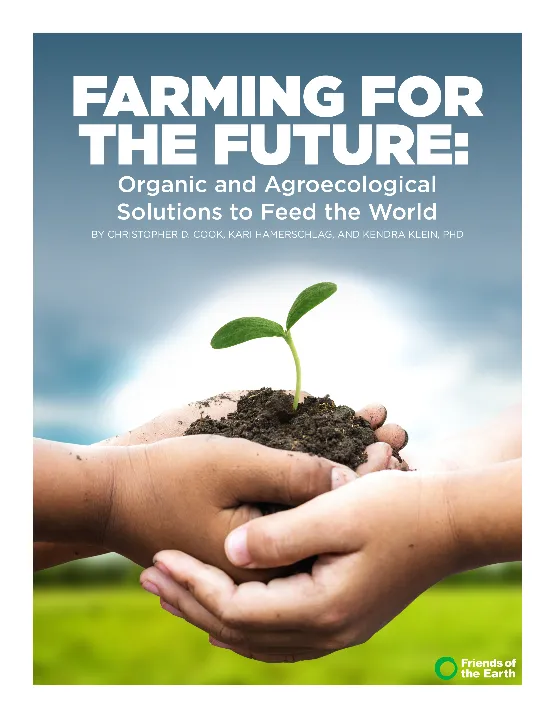
Image Resource Farming for the Future: Organic and Agroecological Solutions to Feed the World This report by Friends of the Earth discusses how ecological resources essential for producing food can be protected and how we can feed a growing population by focusing on creating a more sustainable, democratic and fair food system for all. Read
Image Resource Changes in four societal drivers and their potential to reduce Swedish nutrient inputs in to the sea This report discusses how less protein in food and fewer phosphorus compounds added to food products could reduce the eutrophication of the sea. Below is a summary of the research by two of the report’s authors, Anders Grimvall and Eva-Lotta Sundblad from the Swedish Institute for the Marine Environment. Read
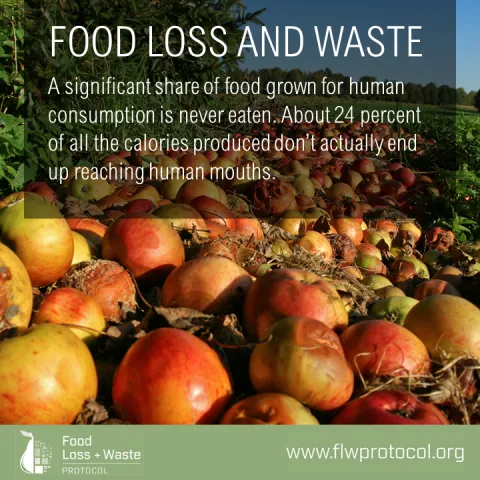
Image Resource Global standard to measure food waste The new global Food Losses and Waste FLW standard for measuring food loss and waste is the first set of international definitions and reporting requirements for businesses, governments and other organisations specifying how they should measure and manage food loss and waste, as a step towards helping countries and companies improve efforts to store, transport and consume food more efficiently. Read
Image Resource Reducing non-CO2 emissions from agriculture to meet the 2°C target 119 countries pledged to reduce their GHG emissions in the 2015 Paris Agreement but exactly how much mitigation is needed by each sector to meet the 2-degree global target still largely unknown. This paper by Wollenberg et al., provides an estimate of how much GHG mitigation should be expected of the agricultural sector; compares this with what current plausible mitigation options could deliver – and finds a major discrepancy between the two. Read