Image Resources Our extensive research library contains thousands of summaries of journal articles, reports and news stories that can be searched by keyword and category RESOURCES CATEGORY Books Briefing paper Event recording Featured articles Featured report Game Journal articles News and resources Reports Think piece Video Working paper Workshop summary Year 2026 2025 2024 2023 2022 2021 2020 2019 2018 2017 2016 2015 2014 2013 2012 2011 2010 2009 2008 2007 2002 2001 Image Resource Fear of climate change consequences and predictors of intentions to alter meat consumption This study explores how fear of climate change affects affluent Swedish individuals in their intentions to reduce or alter meat consumption. Noting that fear appeals form the dominant communications approach used in raising awareness about environmental issues and motivating behavioural change, the authors set out to explore the processes through which such appeals may or may not motivate consumers to change. Read Image Resource Impacts of emissions-based food taxes on equity, nutrition, and climate mitigation Recent research has shown that some foods have a considerably higher emissions-footprints than do others and that changes in average dietary consumption patterns towards lower-emissions foods, has potential as a climate change mitigation measure. Read Image Resource The potential for urban household vegetable gardens to reduce greenhouse gas emissions Researchers in California conducted a life cycle assessment to model the climate change mitigation potential of consuming produce grown in household vegetable gardens as opposed to those from stores. Read Image Resource Drivers of changes in agricultural intensity in Europe The need to make the best use of agricultural land in the face of growing future demand has made sustainable intensification an important area of food systems research. Previous research which focused on this topic, looked at the spatial distribution of the intensity of agricultural production and how this has changed, but according to the authors, did not provide sufficient insight into the drivers of intensification patterns, especially at subnational scales. Read Image Resource Improved omega-3 content of animal foods possible without increasing environmental impact Various health agencies recommend dietary intake of the two fatty acids omega-3 Eicosapentaenoic Acid (EPA) and Docosahexaenoic Acid (DHA) at a level between 250 and 500 mg/day. Read Image Resource Changing the food system to provide sustainable healthy diets In this Perspective article in the journal Science, the FCRN’s Tara Garnett articulates the need for a strong policy focus on sustainable healthy diets, and assesses the current state of research and understanding on the relationship between health and sustainability. Read Image Resource Good Practice Report on Sustainable Public Procurement of School Catering Services This report from INNOCAT, a project set up to help encourage eco-innovation in the catering sector, showcases best practices from a group of cities working on procurement of food and catering services. The report takes a close look at school catering since this represents a significant share of the procurement budget of many local governments. Read Image Resource Re-framing the climate change debate in the livestock sector: mitigation and adaptation options This review article provides a summary of the multiple environmental and societal costs and benefits of livestock production. Homing in on climate change, it reviews the range of GHG mitigation options that have been proposed both on the supply side (actions that potentially reduce emissions per unit of production, or absolute emissions, considering both changes in practice and in policy) and those on the demand side (e.g. reductions in meat consumption, waste reduction). Read Resource Beyond calorie counting: assessing the sustainability of food provided for public consumption This paper presents a food sustainability assessment tool called FOODSCALE which contributes to the scientific evidence on the social, economic and environmental impacts of food provision in large-scale organizations, facilitating analysis and potentially subsequent action. Read VIEW MORE
Image Resource Fear of climate change consequences and predictors of intentions to alter meat consumption This study explores how fear of climate change affects affluent Swedish individuals in their intentions to reduce or alter meat consumption. Noting that fear appeals form the dominant communications approach used in raising awareness about environmental issues and motivating behavioural change, the authors set out to explore the processes through which such appeals may or may not motivate consumers to change. Read
Image Resource Impacts of emissions-based food taxes on equity, nutrition, and climate mitigation Recent research has shown that some foods have a considerably higher emissions-footprints than do others and that changes in average dietary consumption patterns towards lower-emissions foods, has potential as a climate change mitigation measure. Read
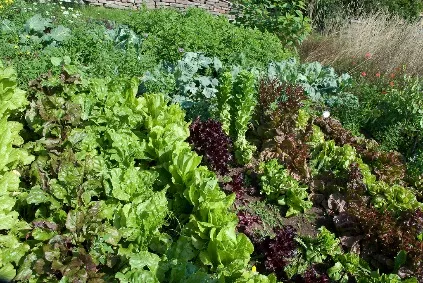
Image Resource The potential for urban household vegetable gardens to reduce greenhouse gas emissions Researchers in California conducted a life cycle assessment to model the climate change mitigation potential of consuming produce grown in household vegetable gardens as opposed to those from stores. Read
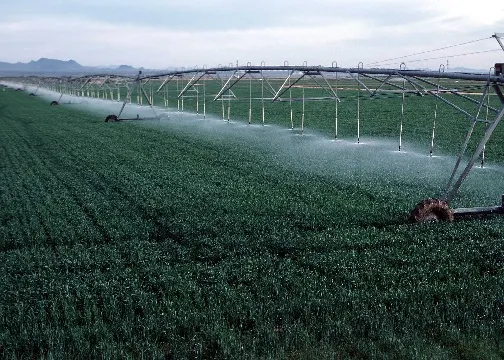
Image Resource Drivers of changes in agricultural intensity in Europe The need to make the best use of agricultural land in the face of growing future demand has made sustainable intensification an important area of food systems research. Previous research which focused on this topic, looked at the spatial distribution of the intensity of agricultural production and how this has changed, but according to the authors, did not provide sufficient insight into the drivers of intensification patterns, especially at subnational scales. Read
Image Resource Improved omega-3 content of animal foods possible without increasing environmental impact Various health agencies recommend dietary intake of the two fatty acids omega-3 Eicosapentaenoic Acid (EPA) and Docosahexaenoic Acid (DHA) at a level between 250 and 500 mg/day. Read
Image Resource Changing the food system to provide sustainable healthy diets In this Perspective article in the journal Science, the FCRN’s Tara Garnett articulates the need for a strong policy focus on sustainable healthy diets, and assesses the current state of research and understanding on the relationship between health and sustainability. Read
Image Resource Good Practice Report on Sustainable Public Procurement of School Catering Services This report from INNOCAT, a project set up to help encourage eco-innovation in the catering sector, showcases best practices from a group of cities working on procurement of food and catering services. The report takes a close look at school catering since this represents a significant share of the procurement budget of many local governments. Read
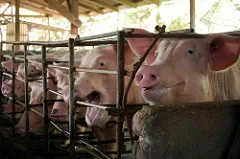
Image Resource Re-framing the climate change debate in the livestock sector: mitigation and adaptation options This review article provides a summary of the multiple environmental and societal costs and benefits of livestock production. Homing in on climate change, it reviews the range of GHG mitigation options that have been proposed both on the supply side (actions that potentially reduce emissions per unit of production, or absolute emissions, considering both changes in practice and in policy) and those on the demand side (e.g. reductions in meat consumption, waste reduction). Read
Resource Beyond calorie counting: assessing the sustainability of food provided for public consumption This paper presents a food sustainability assessment tool called FOODSCALE which contributes to the scientific evidence on the social, economic and environmental impacts of food provision in large-scale organizations, facilitating analysis and potentially subsequent action. Read