Image Resources Our extensive research library contains thousands of summaries of journal articles, reports and news stories that can be searched by keyword and category RESOURCES CATEGORY Books Briefing paper Event recording Featured articles Featured report Game Journal articles News and resources Reports Think piece Video Working paper Workshop summary Year 2026 2025 2024 2023 2022 2021 2020 2019 2018 2017 2016 2015 2014 2013 2012 2011 2010 2009 2008 2007 2002 2001 Image Resource Innovative markets for sustainable agriculture: How innovations in market institutions encourage sustainable agriculture in developing countries Between 2013 and 2015, the Food and Agriculture Organization of the United Nations (FAO) and the French National Institute for Agricultural Research (INRA) undertook a survey of innovative approaches that enable markets to act as incentives in the transition towards sustainable agriculture in developing countries. Read Image Resource Global panel on Agriculture and Food Systems for Nutrition: Food systems and diets: Facing the challenges of the 21st century This foresight report by the Global Panel on Agriculture and Food Systems for Nutrition (Glopan) outlines a vision for a food system that reduces malnutrition and promotes health. It is designed to help policy-makers make their food systems more supportive of high quality diets. Read Image Resource Danish ethics council report describes beef as a 'climate damaging food' and calls for beef tax The Danish Council on Ethics is calling on the Danish government to regulate the consumption of what it calls ‘climate damaging foods’ by placing taxes on those products with the highest associated emissions. Read Image Resource Reducing agricultural loss and food waste: how will nature fare? This editorial article focuses on an aspect of agricultural food loss and waste, not often considered: the effects that a reduction in food loss and waste at the production stage, might have on the species that have become reliant on food waste. Read Image Resource A half-century of production-phase greenhouse gas emissions from food loss & waste in the global food supply chain As the global population grows and food consumption patterns shift towards more resource intensive foods, food loss and waste (FLW) is becoming a topic of increasing importance due to its impact on future food availability and - via the greenhouse gas emissions embodied in its production - on climate change. Read Image Resource Modelling potential future trade-offs between biodiversity and cropland expansion to improve food security In this modelling study, the authors examine potential trade-offs between sufficient food provisioning in the future and sustaining biodiversity. On the one hand they find that cropland expansion increases food security, particularly in areas which are currently struggling with access to safe and nutritious food. Read Image Resource Afforestation to mitigate climate change: impacts on food prices under consideration of albedo effects Among climate mitigation options, afforestation offers its carbon sequestration potential at a moderate cost, and therefore might be used at a large scale in the future. As suitable land is limited though, competition of land for forest with crop and pastureland might drive food prices up. Read Image Resource Sustainable Urban Agriculture and Food Planning As urban populations rise rapidly and concerns about food security increase, interest in urban agriculture has been renewed in both developed and developing countries. This book focuses on the sustainable development of urban agriculture and its relationship to food planning in cities. Read Image Resource The Impacts of Oil Palm on Recent Deforestation and Biodiversity Loss Strong demand for vegetable oil has led to a boom in the Indonesian and Malaysian palm oil industries since 1990. Typically planted in extremely large monoculture plantations, the crop has been implicated in biodiversity loss and human rights issues. Read VIEW MORE
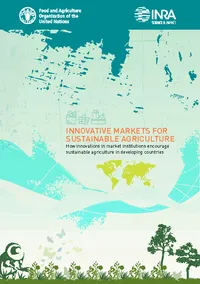
Image Resource Innovative markets for sustainable agriculture: How innovations in market institutions encourage sustainable agriculture in developing countries Between 2013 and 2015, the Food and Agriculture Organization of the United Nations (FAO) and the French National Institute for Agricultural Research (INRA) undertook a survey of innovative approaches that enable markets to act as incentives in the transition towards sustainable agriculture in developing countries. Read
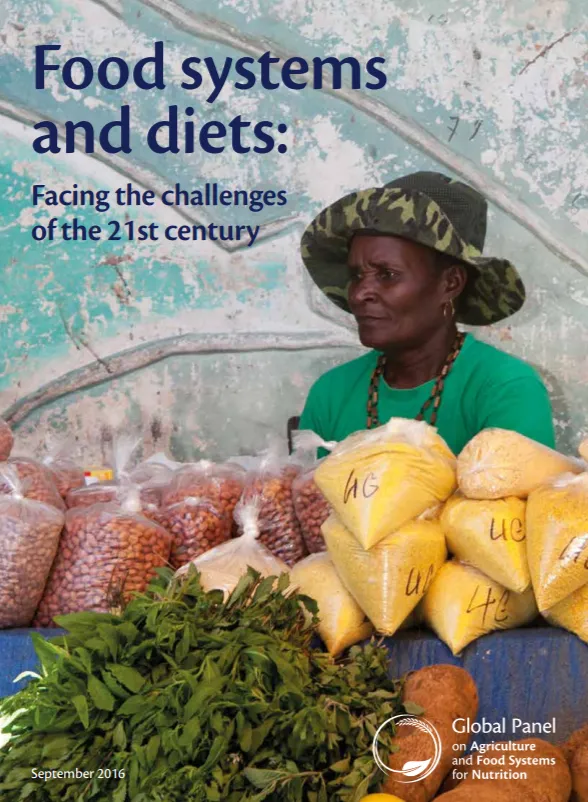
Image Resource Global panel on Agriculture and Food Systems for Nutrition: Food systems and diets: Facing the challenges of the 21st century This foresight report by the Global Panel on Agriculture and Food Systems for Nutrition (Glopan) outlines a vision for a food system that reduces malnutrition and promotes health. It is designed to help policy-makers make their food systems more supportive of high quality diets. Read
Image Resource Danish ethics council report describes beef as a 'climate damaging food' and calls for beef tax The Danish Council on Ethics is calling on the Danish government to regulate the consumption of what it calls ‘climate damaging foods’ by placing taxes on those products with the highest associated emissions. Read
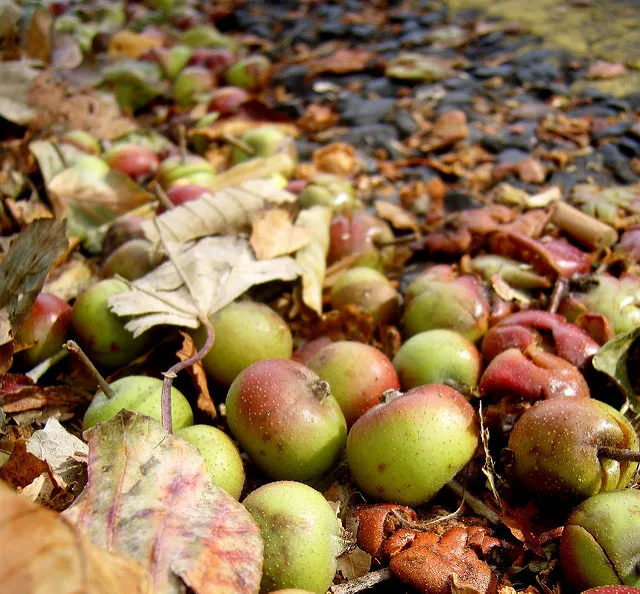
Image Resource Reducing agricultural loss and food waste: how will nature fare? This editorial article focuses on an aspect of agricultural food loss and waste, not often considered: the effects that a reduction in food loss and waste at the production stage, might have on the species that have become reliant on food waste. Read
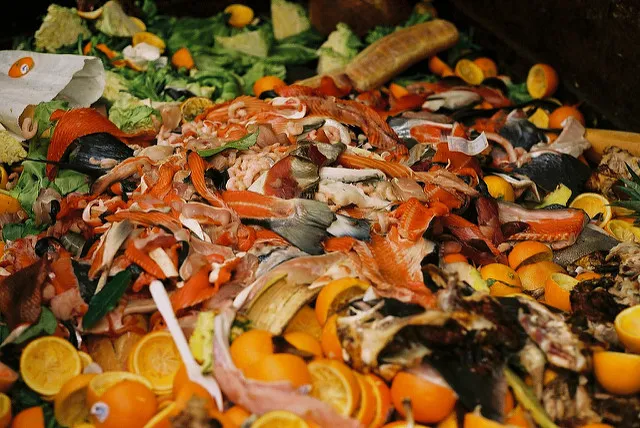
Image Resource A half-century of production-phase greenhouse gas emissions from food loss & waste in the global food supply chain As the global population grows and food consumption patterns shift towards more resource intensive foods, food loss and waste (FLW) is becoming a topic of increasing importance due to its impact on future food availability and - via the greenhouse gas emissions embodied in its production - on climate change. Read
Image Resource Modelling potential future trade-offs between biodiversity and cropland expansion to improve food security In this modelling study, the authors examine potential trade-offs between sufficient food provisioning in the future and sustaining biodiversity. On the one hand they find that cropland expansion increases food security, particularly in areas which are currently struggling with access to safe and nutritious food. Read
Image Resource Afforestation to mitigate climate change: impacts on food prices under consideration of albedo effects Among climate mitigation options, afforestation offers its carbon sequestration potential at a moderate cost, and therefore might be used at a large scale in the future. As suitable land is limited though, competition of land for forest with crop and pastureland might drive food prices up. Read
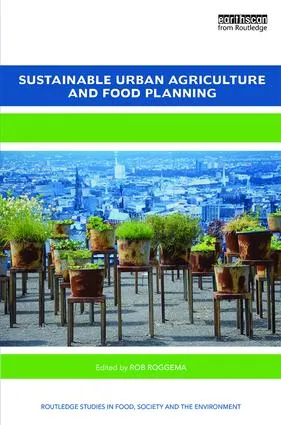
Image Resource Sustainable Urban Agriculture and Food Planning As urban populations rise rapidly and concerns about food security increase, interest in urban agriculture has been renewed in both developed and developing countries. This book focuses on the sustainable development of urban agriculture and its relationship to food planning in cities. Read
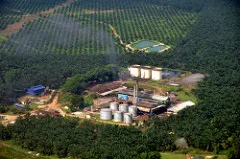
Image Resource The Impacts of Oil Palm on Recent Deforestation and Biodiversity Loss Strong demand for vegetable oil has led to a boom in the Indonesian and Malaysian palm oil industries since 1990. Typically planted in extremely large monoculture plantations, the crop has been implicated in biodiversity loss and human rights issues. Read