Image Resources Our extensive research library contains thousands of summaries of journal articles, reports and news stories that can be searched by keyword and category RESOURCES CATEGORY Books Briefing paper Event recording Featured articles Featured report Game Journal articles News and resources Reports Think piece Video Working paper Workshop summary Year 2026 2025 2024 2023 2022 2021 2020 2019 2018 2017 2016 2015 2014 2013 2012 2011 2010 2009 2008 2007 2002 2001 Image Resource Even with the Paris Agreement implemented, food and water risks remain The ‘2016 Food, Water, Energy and Climate Outlook’ by the MIT Joint Program on the Science and Policy of Global Change finds that even if commitments from the COP21 climate agreement are kept, many staple crops in various regions are still at risk of crop failures through extreme events, but at the same time, yields in many regions are projected to increase. Read Image Resource Life cycle assessment of edible insects for food protein: a review While insects have physiological and biological differences which make them more efficient than traditional livestock species, little information exists pertaining to the factors which influence the assessment of the environmental sustainability of insects and their subsequent production systems. Read Image Resource Climate change mitigation and productivity gains in livestock supply chains: insights from regional case studies This paper presents the results of a modelling exercise that aimed to identify low emissions pathways for a growing global livestock sector. This article uses 6 case studies, modelled in the Global Livestock Environmental Assessment Model developed by FAO, to illustrate the climate change mitigation potential of livestock achievable through changes in feeding, breeding and husbandry as well as grazing management to increase soil carbon sequestration. Read Image Resource The hidden linkages between urbanization and food systems This short perspective in the journal Science reviews how the rise of urbanization is transforming food systems in many areas, and argues for further research on this topic. Read Image Resource Denial of long-term issues with agriculture on tropical peatlands will have devastating consequences In this letter, over 100 researchers and practitioners argue that media coverage of the 2016 International Peat Congress (the first to be held in the tropics) was dangerously misleading in its assertions that peatland management under palm oil plantations was sustainable (see for example this news article by BorneoPost). They argue that such articles, by downplaying the issues imposed on peatland ecosystems by agriculture, undermine recent real and promising advances in tropical peatland management. Read Image Resource Land Sharing vs Land Sparing to Conserve Biodiversity: How Agricultural Markets Make the Difference This paper makes an important methodological contribution to the highly disputed debate about whether the net effect of agricultural intensification on biodiversity is positive or negative. What is already known is that there is clear relationship between increased agricultural intensification and decreased biodiversity on the land that has been intensified. Read Image Resource China looks to green its import of agricultural commodities This blog by Thomas Verhagen, the Senior Programme Manager at Cambridge University’s Institute for Sustainability Leadership, details how Chinese banking regulators and collaborators are aiming to change Chinese food imports. Read Image Resource G20 Leaders welcome 'Green Finance' initiatives For the first time in its history, G20 Leaders have referenced the importance of greening the financial system. In addition to the mention in their annual Communiqué, G20 members also published a Green Finance Synthesis Report that examines the need for and challenges of developing green finance. Read Image Resource Marrakesh climate talks represent unique opportunity to decide the future of agriculture within international climate policy Ongoing discussions on agriculture within the United Nations Framework Convention on Climate Change (UNFCCC), will culminate this year at the COP22 climate negotiations in Marrakech, following a long process since their initiation in Durban in 2011. The talks in Marrakech follow the signing of the Paris Agreement in 2015 which, in its preamble, explicitly refers to safeguarding food security. Also, the vast majority of countries’ Intended Nationally Determined Contributions submissions (i.e. climate pledges) prioritise agriculture as a sector for adaptation and mitigation action. Read VIEW MORE
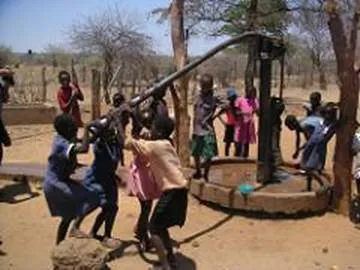
Image Resource Even with the Paris Agreement implemented, food and water risks remain The ‘2016 Food, Water, Energy and Climate Outlook’ by the MIT Joint Program on the Science and Policy of Global Change finds that even if commitments from the COP21 climate agreement are kept, many staple crops in various regions are still at risk of crop failures through extreme events, but at the same time, yields in many regions are projected to increase. Read
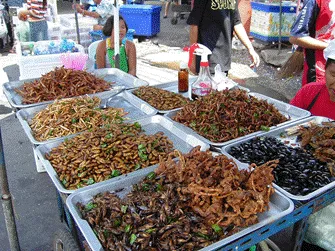
Image Resource Life cycle assessment of edible insects for food protein: a review While insects have physiological and biological differences which make them more efficient than traditional livestock species, little information exists pertaining to the factors which influence the assessment of the environmental sustainability of insects and their subsequent production systems. Read
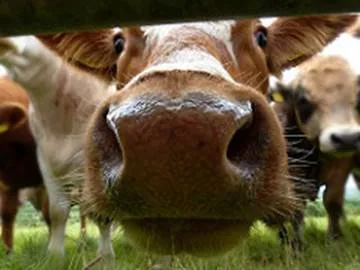
Image Resource Climate change mitigation and productivity gains in livestock supply chains: insights from regional case studies This paper presents the results of a modelling exercise that aimed to identify low emissions pathways for a growing global livestock sector. This article uses 6 case studies, modelled in the Global Livestock Environmental Assessment Model developed by FAO, to illustrate the climate change mitigation potential of livestock achievable through changes in feeding, breeding and husbandry as well as grazing management to increase soil carbon sequestration. Read
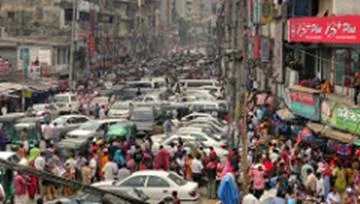
Image Resource The hidden linkages between urbanization and food systems This short perspective in the journal Science reviews how the rise of urbanization is transforming food systems in many areas, and argues for further research on this topic. Read
Image Resource Denial of long-term issues with agriculture on tropical peatlands will have devastating consequences In this letter, over 100 researchers and practitioners argue that media coverage of the 2016 International Peat Congress (the first to be held in the tropics) was dangerously misleading in its assertions that peatland management under palm oil plantations was sustainable (see for example this news article by BorneoPost). They argue that such articles, by downplaying the issues imposed on peatland ecosystems by agriculture, undermine recent real and promising advances in tropical peatland management. Read
Image Resource Land Sharing vs Land Sparing to Conserve Biodiversity: How Agricultural Markets Make the Difference This paper makes an important methodological contribution to the highly disputed debate about whether the net effect of agricultural intensification on biodiversity is positive or negative. What is already known is that there is clear relationship between increased agricultural intensification and decreased biodiversity on the land that has been intensified. Read
Image Resource China looks to green its import of agricultural commodities This blog by Thomas Verhagen, the Senior Programme Manager at Cambridge University’s Institute for Sustainability Leadership, details how Chinese banking regulators and collaborators are aiming to change Chinese food imports. Read
Image Resource G20 Leaders welcome 'Green Finance' initiatives For the first time in its history, G20 Leaders have referenced the importance of greening the financial system. In addition to the mention in their annual Communiqué, G20 members also published a Green Finance Synthesis Report that examines the need for and challenges of developing green finance. Read
Image Resource Marrakesh climate talks represent unique opportunity to decide the future of agriculture within international climate policy Ongoing discussions on agriculture within the United Nations Framework Convention on Climate Change (UNFCCC), will culminate this year at the COP22 climate negotiations in Marrakech, following a long process since their initiation in Durban in 2011. The talks in Marrakech follow the signing of the Paris Agreement in 2015 which, in its preamble, explicitly refers to safeguarding food security. Also, the vast majority of countries’ Intended Nationally Determined Contributions submissions (i.e. climate pledges) prioritise agriculture as a sector for adaptation and mitigation action. Read