Image Resources Our extensive research library contains thousands of summaries of journal articles, reports and news stories that can be searched by keyword and category RESOURCES CATEGORY Books Briefing paper Event recording Featured articles Featured report Game Journal articles News and resources Reports Think piece Video Working paper Workshop summary Year 2026 2025 2024 2023 2022 2021 2020 2019 2018 2017 2016 2015 2014 2013 2012 2011 2010 2009 2008 2007 2002 2001 Image Resource Property Rights and the Soybean Revolution: Shaping How China and Brazil Are Telecoupled This article takes a closer look at the telecoupling between China and Brazil based on their soybean trading relationships. Telecoupling is the term used to describe the interconnectedness or coupling of natural and human systems and it indicates that there are complex socioeconomic and environmental interactions over distances. Read Image Resource New data dashboard showing key indicators of our changing climate A new resource has been created by the Carbon Brief, which brings together data from a number of indicators that show the effects of climate change, showing trends in our climate, atmosphere, oceans, and the cryosphere (ice) Read Image Resource The simple menu innovations that can get people to order vegetarian options This master thesis study from the London School of Economics shows how consumers are 56% less likely to order a plant-based dish when it is labelled vegetarian and categorised in a separate section on menus Read Image Resource Enhancing soil carbon sequestration and adaptation in Europe’s agricultural sector: towards a new approach under CAP and ETS This paper discusses EU climate and agriculture policy instruments and analyses how these can motivate farmers to adopt soil carbon sequestration projects. Read Image Resource Farmwel's blueprint for agricultural land use and food production in the UK FCRN member ffinlo Costain has alerted us to this report produced by Farmwel. Farmwel is an NGO working to generate momentum towards sustainable and accountable mainstream agriculture, focussing on the environment, people's livelihoods, and farm animal welfare. This blueprint report was produced with the additional support of the Conservative Environment Network, and the Conservative Animal Welfare Foundation. Read Image Resource Insights into the urban food policy process in five cities: new report from IPES-Food This report from the International Panel of Experts on Sustainable Food Systems (IPES-Food) looks at how cities are finding innovative ways to implement food policies. It focuses on five case studies of cities that have developed concerted urban food policies − to either ensure access to decent, nutritious food for all, to support farm livelihoods or to mitigate climate change. Read Image Resource Big food and little data: The slow harvest of corporate food supply chain sustainability initiatives This article examines how big food companies contend with some of the issues involved in efforts to improve the sustainability of their raw material supply chains. It argues that these large companies often operate in long, complex, and traditionally non-transparent supply chains that make it difficult for them to exert real influence over producers. ‘Big food’ is the description given to the world’s largest and most influential companies in the food and beverages markets. Read Image Resource The economic impact of climate change on European agriculture This study presents estimates of how changes in climate might affect the value of European farmland. Based on data for over 41 000 farms, the results suggest that their economic value could drop by up to 32%, depending on the climate scenario considered. The models represent severe, moderate and mild outcomes, respectively. Farms in southern Europe are particularly sensitive to climate change and could suffer value losses of up to 9% per 1 °C rise. Read Image Resource IFST Sustainable Food System framework published This report provides an overarching framework document on Sustainable Food Systems which outlines the areas of sustainability that are relevant for IFST and where they want to engage. The report is written by IFST (Institute of Food Science and Technology) – an institute representing some of the UK’s food science and technology professionals and working to promote the advancement and application of food science and technology. Read VIEW MORE
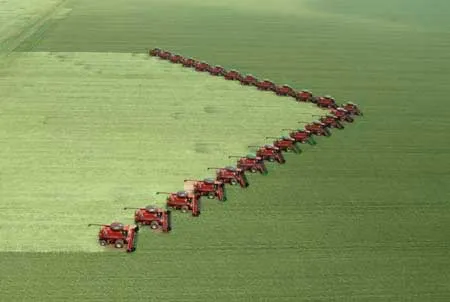
Image Resource Property Rights and the Soybean Revolution: Shaping How China and Brazil Are Telecoupled This article takes a closer look at the telecoupling between China and Brazil based on their soybean trading relationships. Telecoupling is the term used to describe the interconnectedness or coupling of natural and human systems and it indicates that there are complex socioeconomic and environmental interactions over distances. Read
Image Resource New data dashboard showing key indicators of our changing climate A new resource has been created by the Carbon Brief, which brings together data from a number of indicators that show the effects of climate change, showing trends in our climate, atmosphere, oceans, and the cryosphere (ice) Read
Image Resource The simple menu innovations that can get people to order vegetarian options This master thesis study from the London School of Economics shows how consumers are 56% less likely to order a plant-based dish when it is labelled vegetarian and categorised in a separate section on menus Read
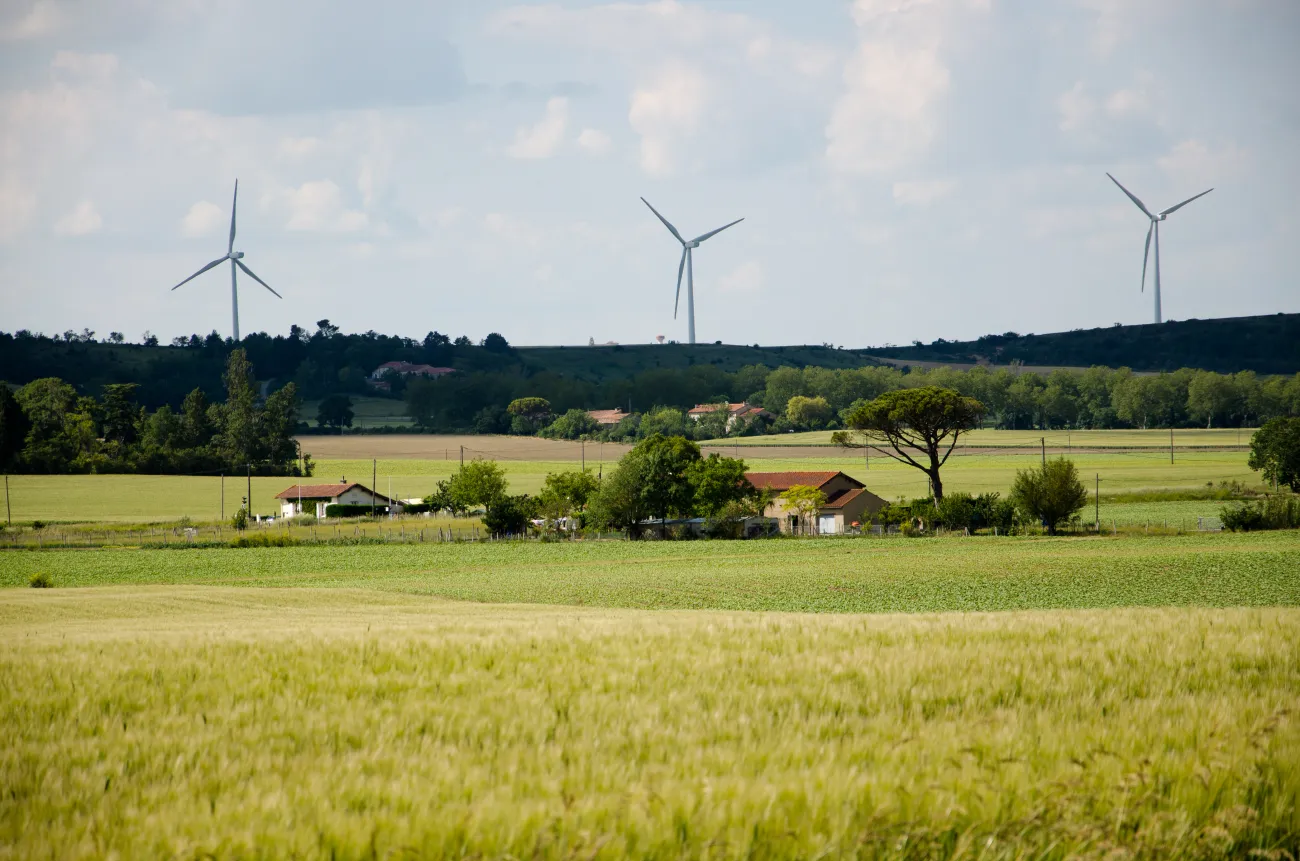
Image Resource Enhancing soil carbon sequestration and adaptation in Europe’s agricultural sector: towards a new approach under CAP and ETS This paper discusses EU climate and agriculture policy instruments and analyses how these can motivate farmers to adopt soil carbon sequestration projects. Read
Image Resource Farmwel's blueprint for agricultural land use and food production in the UK FCRN member ffinlo Costain has alerted us to this report produced by Farmwel. Farmwel is an NGO working to generate momentum towards sustainable and accountable mainstream agriculture, focussing on the environment, people's livelihoods, and farm animal welfare. This blueprint report was produced with the additional support of the Conservative Environment Network, and the Conservative Animal Welfare Foundation. Read
Image Resource Insights into the urban food policy process in five cities: new report from IPES-Food This report from the International Panel of Experts on Sustainable Food Systems (IPES-Food) looks at how cities are finding innovative ways to implement food policies. It focuses on five case studies of cities that have developed concerted urban food policies − to either ensure access to decent, nutritious food for all, to support farm livelihoods or to mitigate climate change. Read
Image Resource Big food and little data: The slow harvest of corporate food supply chain sustainability initiatives This article examines how big food companies contend with some of the issues involved in efforts to improve the sustainability of their raw material supply chains. It argues that these large companies often operate in long, complex, and traditionally non-transparent supply chains that make it difficult for them to exert real influence over producers. ‘Big food’ is the description given to the world’s largest and most influential companies in the food and beverages markets. Read
Image Resource The economic impact of climate change on European agriculture This study presents estimates of how changes in climate might affect the value of European farmland. Based on data for over 41 000 farms, the results suggest that their economic value could drop by up to 32%, depending on the climate scenario considered. The models represent severe, moderate and mild outcomes, respectively. Farms in southern Europe are particularly sensitive to climate change and could suffer value losses of up to 9% per 1 °C rise. Read
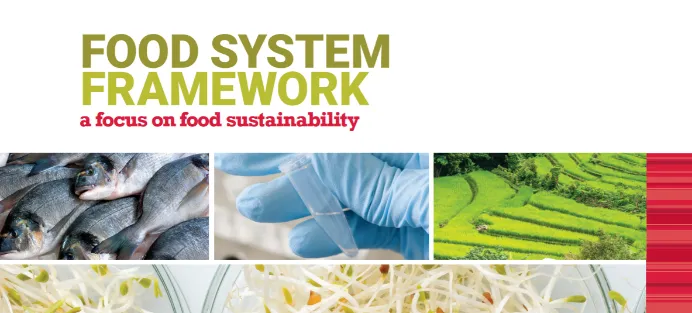
Image Resource IFST Sustainable Food System framework published This report provides an overarching framework document on Sustainable Food Systems which outlines the areas of sustainability that are relevant for IFST and where they want to engage. The report is written by IFST (Institute of Food Science and Technology) – an institute representing some of the UK’s food science and technology professionals and working to promote the advancement and application of food science and technology. Read