Image Resources Our extensive research library contains thousands of summaries of journal articles, reports and news stories that can be searched by keyword and category RESOURCES CATEGORY Books Briefing paper Event recording Featured articles Featured report Game Journal articles News and resources Reports Think piece Video Working paper Workshop summary Year 2026 2025 2024 2023 2022 2021 2020 2019 2018 2017 2016 2015 2014 2013 2012 2011 2010 2009 2008 2007 2002 2001 Image Resource Research handbook on climate change and agricultural law This Research Handbook, edited by Mary Jane Angelo, Fredric G. Levin and Anél Du Plessis, brings together scholars from across disciplines and across the globe (including FCRN member Jonathan Verschuuren) to untangle the climate-food web and critically explore the nexus between climate change, agriculture and law, upon which food security and climate resilient development depends. It is a useful introduction to the research which is being undertaken in the area of climate change and agricultural law. Read Image Resource Food sovereignty, agroecology and biocultural diversity: constructing and contesting knowledge This new book, edited by Michel. P. Pimbert, Director at the Center for Agroecology, Water and Resilience in the U.K., critically examines the kinds of knowledge and ways of knowing needed for food sovereignty, agroecology and biocultural diversity. Read Image Resource Report from European science academies on opportunities and challenges for European food and nutrition security and agriculture Scientists from national academies across Europe are calling for urgent action on food and nutrition in a new independent report published by the European Academies’ Science Advisory Council (EASAC). This analysis can be relevant for policy-makers working on food, nutrition, health, the environment, climate change, and agriculture. Read Image Resource Agriculture production as a major driver of the Earth system exceeding planetary boundaries The planetary boundaries concept provides a theoretical upper limit on human activity which the planet is able to sustain without major perturbation to the current ‘Earth system’. Previously, nine planetary boundaries (PBs) have been proposed and recently Steffen et al. (2015) have updated these boundary definitions and assessed the current state of the position of human activity with respect to each boundary. In this article, researchers from a number of food, climate change, agricultural and environmental research institutions around the world build on this work by assessing the impact of agriculture on each PB status, based on a detailed literature review of the available research. Read Image Resource Photo and video report in National Geographic on high-tech farming and innovation in the Netherlands This journalistic photo and video reportage on the National Geographic website shows some of the most high-tech farming methods in the world, based in the Netherlands. Read Image Resource New research by IATP and GRAIN estimates the corporate emissions from the livestock sector The top five mega-corporations responsible for factory-farmed meat and dairy are responsible for emitting more combined greenhouse gases (GHGs) than Exxon, or Shell, or BP. That is according to findings released in a joint study undertaken by IATP and GRAIN. Read Image Resource Book: Food, energy and water sustainability: Emergent governance strategies This new book, edited by Laura M. Pereira, Caitlin A. McElroy, Alexandra Littaye and Alexandra M. Girard, presents a diversity of collaborations between various governance actors in the management of the Food-Energy-Water (FEW) nexus and analyses the ability of emergent governance structures to cope with the complexity of future challenges across FEW systems worldwide. Read Image Resource Report by WFP on the “true” cost of a plate of food around the world Where in the world is the most expensive plate of food? In this publication the World Food Programme calculates the relative price of a nutritious meal in countries around the globe when compared to the average daily income and finds that the world’s poorest would have to pay more than a day’s wages for a single plate of sufficient food. Read Image Resource Unravelling the food-health nexus: Addressing practices, political economy, and power relations to build healthier food systems This report, authored by the International Panel of Experts on Sustainable Food Systems (IPES-Food) and commissioned by the Global Alliance for the Future of Food, shows how food systems affect health through multiple, interconnected pathways, generating severe human and economic costs – and points to levers that can help to address the critical health issues and compounding factors that contribute to poor health, such as climate change, poverty and inequality, and unsanitary conditions. Read VIEW MORE
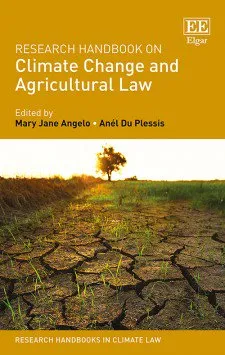
Image Resource Research handbook on climate change and agricultural law This Research Handbook, edited by Mary Jane Angelo, Fredric G. Levin and Anél Du Plessis, brings together scholars from across disciplines and across the globe (including FCRN member Jonathan Verschuuren) to untangle the climate-food web and critically explore the nexus between climate change, agriculture and law, upon which food security and climate resilient development depends. It is a useful introduction to the research which is being undertaken in the area of climate change and agricultural law. Read
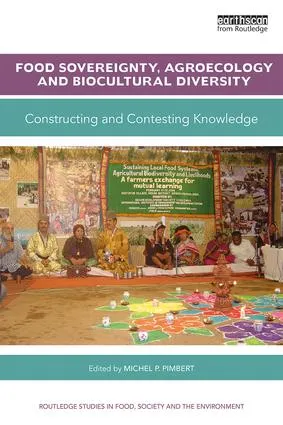
Image Resource Food sovereignty, agroecology and biocultural diversity: constructing and contesting knowledge This new book, edited by Michel. P. Pimbert, Director at the Center for Agroecology, Water and Resilience in the U.K., critically examines the kinds of knowledge and ways of knowing needed for food sovereignty, agroecology and biocultural diversity. Read
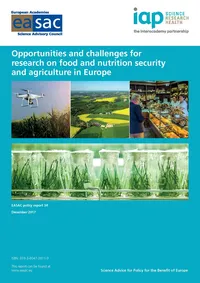
Image Resource Report from European science academies on opportunities and challenges for European food and nutrition security and agriculture Scientists from national academies across Europe are calling for urgent action on food and nutrition in a new independent report published by the European Academies’ Science Advisory Council (EASAC). This analysis can be relevant for policy-makers working on food, nutrition, health, the environment, climate change, and agriculture. Read
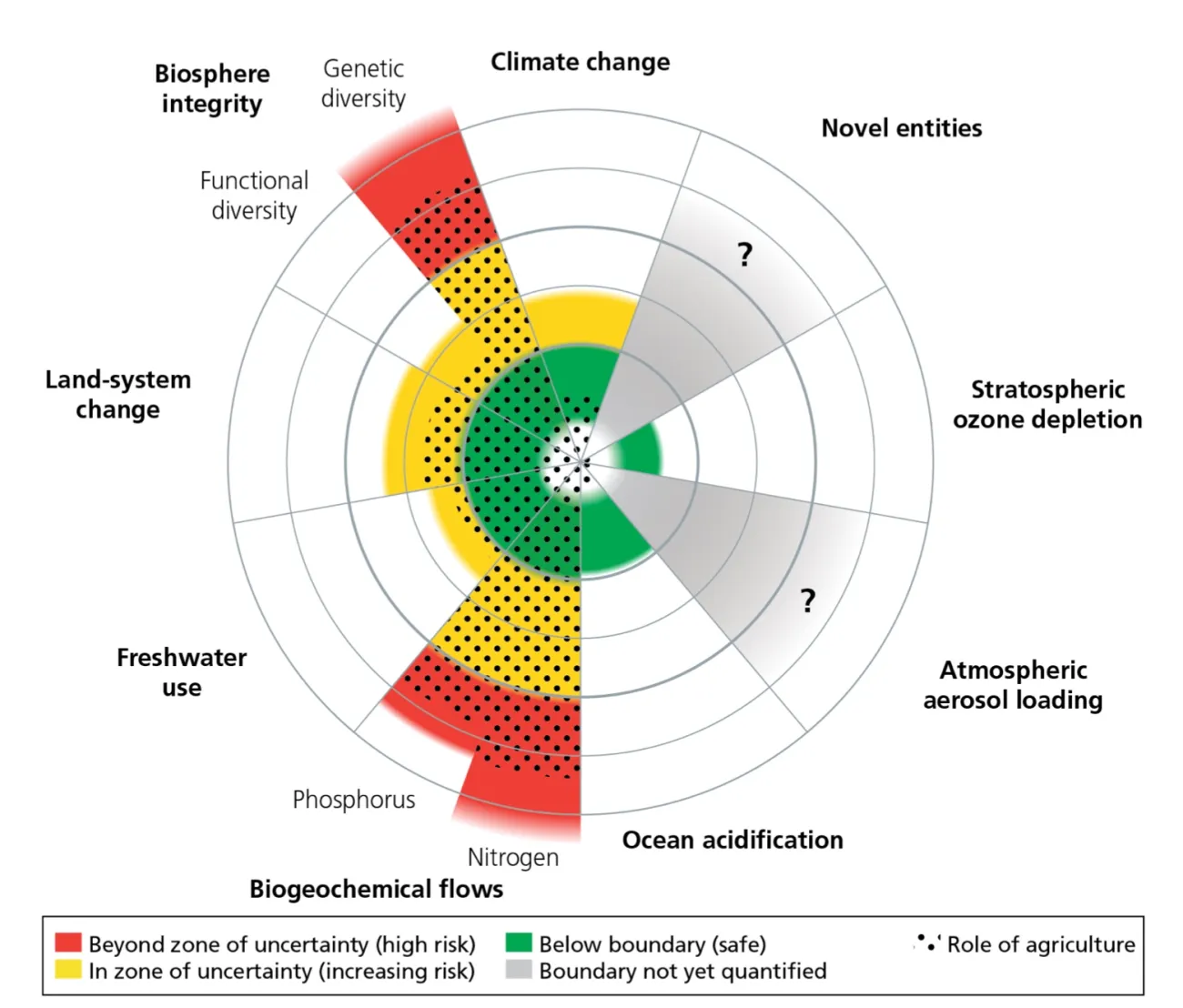
Image Resource Agriculture production as a major driver of the Earth system exceeding planetary boundaries The planetary boundaries concept provides a theoretical upper limit on human activity which the planet is able to sustain without major perturbation to the current ‘Earth system’. Previously, nine planetary boundaries (PBs) have been proposed and recently Steffen et al. (2015) have updated these boundary definitions and assessed the current state of the position of human activity with respect to each boundary. In this article, researchers from a number of food, climate change, agricultural and environmental research institutions around the world build on this work by assessing the impact of agriculture on each PB status, based on a detailed literature review of the available research. Read
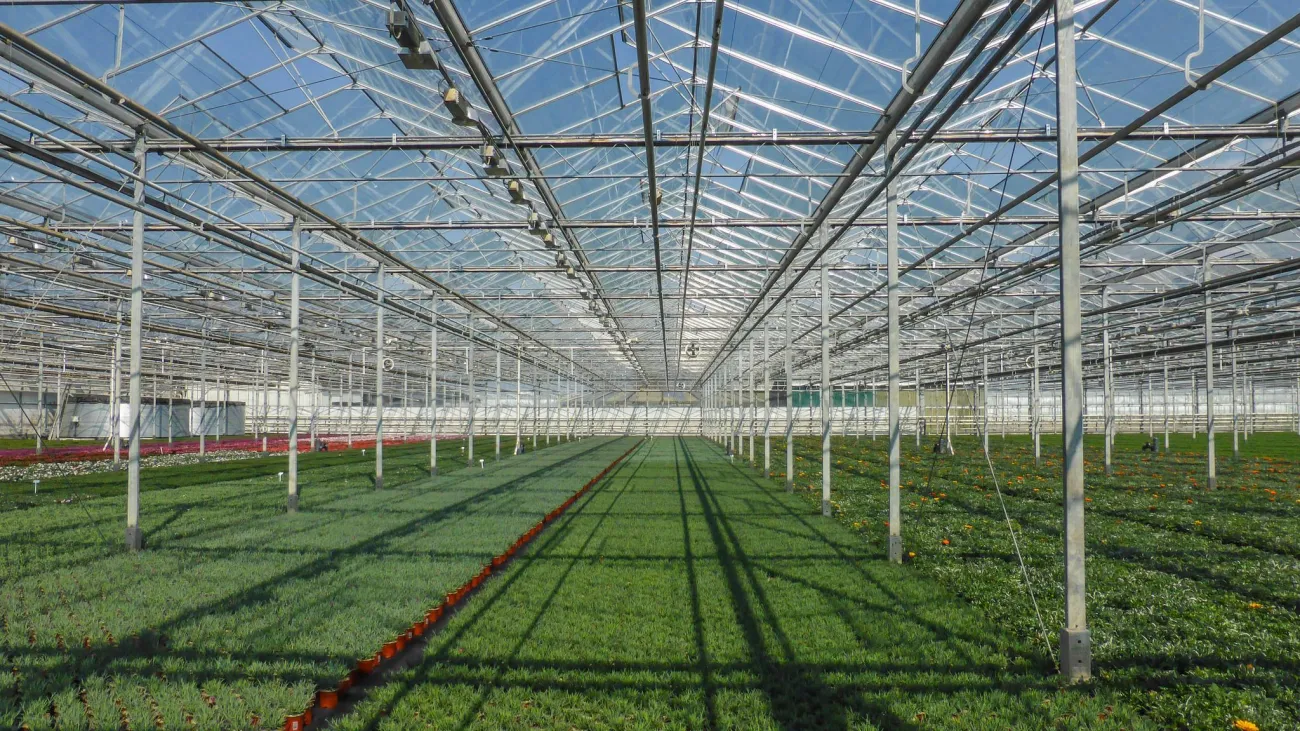
Image Resource Photo and video report in National Geographic on high-tech farming and innovation in the Netherlands This journalistic photo and video reportage on the National Geographic website shows some of the most high-tech farming methods in the world, based in the Netherlands. Read
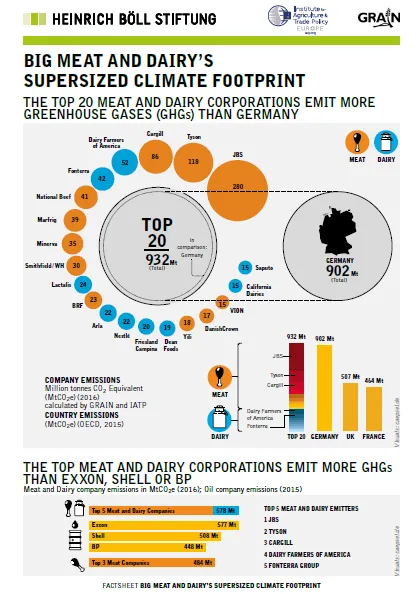
Image Resource New research by IATP and GRAIN estimates the corporate emissions from the livestock sector The top five mega-corporations responsible for factory-farmed meat and dairy are responsible for emitting more combined greenhouse gases (GHGs) than Exxon, or Shell, or BP. That is according to findings released in a joint study undertaken by IATP and GRAIN. Read
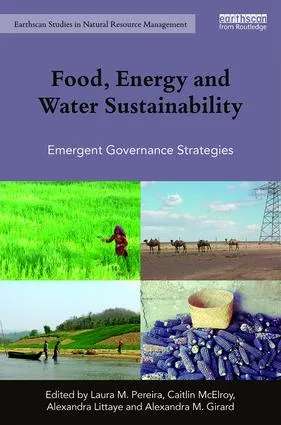
Image Resource Book: Food, energy and water sustainability: Emergent governance strategies This new book, edited by Laura M. Pereira, Caitlin A. McElroy, Alexandra Littaye and Alexandra M. Girard, presents a diversity of collaborations between various governance actors in the management of the Food-Energy-Water (FEW) nexus and analyses the ability of emergent governance structures to cope with the complexity of future challenges across FEW systems worldwide. Read
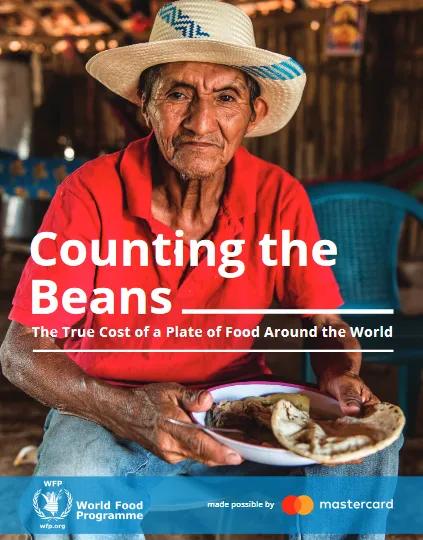
Image Resource Report by WFP on the “true” cost of a plate of food around the world Where in the world is the most expensive plate of food? In this publication the World Food Programme calculates the relative price of a nutritious meal in countries around the globe when compared to the average daily income and finds that the world’s poorest would have to pay more than a day’s wages for a single plate of sufficient food. Read
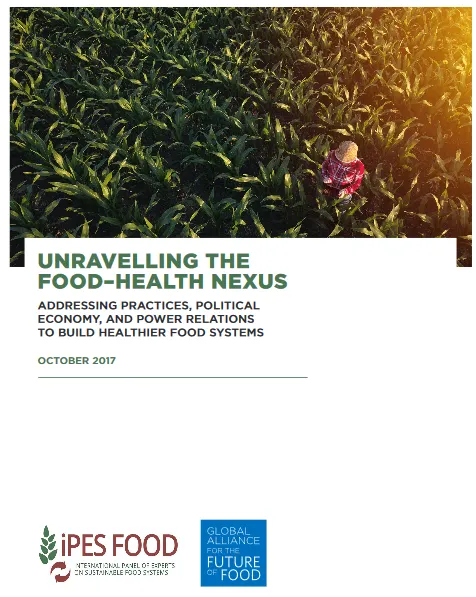
Image Resource Unravelling the food-health nexus: Addressing practices, political economy, and power relations to build healthier food systems This report, authored by the International Panel of Experts on Sustainable Food Systems (IPES-Food) and commissioned by the Global Alliance for the Future of Food, shows how food systems affect health through multiple, interconnected pathways, generating severe human and economic costs – and points to levers that can help to address the critical health issues and compounding factors that contribute to poor health, such as climate change, poverty and inequality, and unsanitary conditions. Read