Image Resources Our extensive research library contains thousands of summaries of journal articles, reports and news stories that can be searched by keyword and category RESOURCES CATEGORY Books Briefing paper Event recording Featured articles Featured report Game Journal articles News and resources Reports Think piece Video Working paper Workshop summary Year 2026 2025 2024 2023 2022 2021 2020 2019 2018 2017 2016 2015 2014 2013 2012 2011 2010 2009 2008 2007 2002 2001 Image News and resources Breaking the vicious circle: food, climate and nutrition Rob Bailey and Bernice Lee of UK think tank Chatham House have written a piece exploring food system trends, including rising food demand, plateauing yields in key crop production regions, global convergence on a diet dependent on calorie-dense but nutrient-poor crops and a lack of genetic diversity in staple crops. The authors conclude that current food system trends are unsustainable, saying, “The continued intensification and expansion of agriculture is a short-term coping strategy that will eventually lead to food-system collapse.” They call for interventions at key leverage points in the food system. Read Image Books The political economy of agricultural and food policies This book, by Johan Swinnen, examines the economic winners and losers of government interventions in the food system. Read Image Books Reframing convenience food This book, by Peter Jackson et al., looks at different types of convenience foods and why consumers use them, and seeks to apply its findings to policies for healthy and sustainable diets. Read Image Reports Land-based negative emissions technologies The Hoffmann Centre at UK think tank Chatham House has produced a summary of a workshop held in January 2018 on policy implications of widespread deployment of negative emissions technologies. The workshop concluded that bioenergy with carbon capture and storage (BECCS) cannot be used at the scale assumed in emissions pathways compliant with the Paris agreement, because it would cause large land use change in regions of high biodiversity and compete with food production for land. Nevertheless, some BECCS may be needed. Direct air capture would use less land than BECCS, but there are economic and technical barriers. Read Image Reports Solutions Menu: A Nordic guide to sustainable food policy The Nordic Food Policy Lab has produced a report outlining 24 policies from the Nordic region that aim to change food consumption and tackle the social and environmental challenges caused by the current food system. Policies are organised into five themes - nutrition, culture, meals, waste and sustainability - and include salt labelling, building regional food identity, improving hospital meals and developing networks to reduce food waste. The authors include Marie Persson, former staff member of the FCRN. Read Image Journal articles Interventions to accelerate change towards a healthier diet The relationship between diets, health and quality of life has been the focus of several initiatives to accelerate a move towards healthier diets. However, the results of these interventions have been mixed. This paper by Susan Jebb of the University of Oxford summarises some of these dietary change interventions while discussing the need for improved methods to monitor and evaluate their progress. Read Image Journal articles Corporate consolidation of the seed sector FCRN member Sylvie Bonny of the INRA (National Institute for Agricultural Research), France, has written a paper on corporate consolidation and technological change in the global seed industry. The paper examines the views that different types of stakeholders have about current trends towards concentration, including concerns about the consequences on seed prices and diversity. Read Image Journal articles GHG emissions and energy use from individual US diets FCRN member Martin Heller of the Centre for Sustainable Systems at the University of Michigan has calculated the greenhouse gas emissions (GHGEs) and energy demand associated with the diets of individuals in the US, based on a one day dietary recall survey. The highest-emitting 20% of diets are responsible for 46% of diet-related GHGEs, while the lowest-emitting 20% of diets cause 6% of diet-related GHGEs. The food types causing the highest percentage of GHGEs are meats (57%), dairy (18%), beverages (6%) and fish and seafood (6%). Read Image Journal articles Greenhouse gas emissions from US household food choices This paper estimates greenhouse gas emissions (GHGEs) associated with the food purchased by US households (based on survey data) and examines the links between food GHGEs and demographic factors. It suggests that education on the links between food and climate could be targeted at more educated and more affluent consumers, since their research shows (see below) that the these households have more GHGE-intensive dietary patterns. Read VIEW MORE
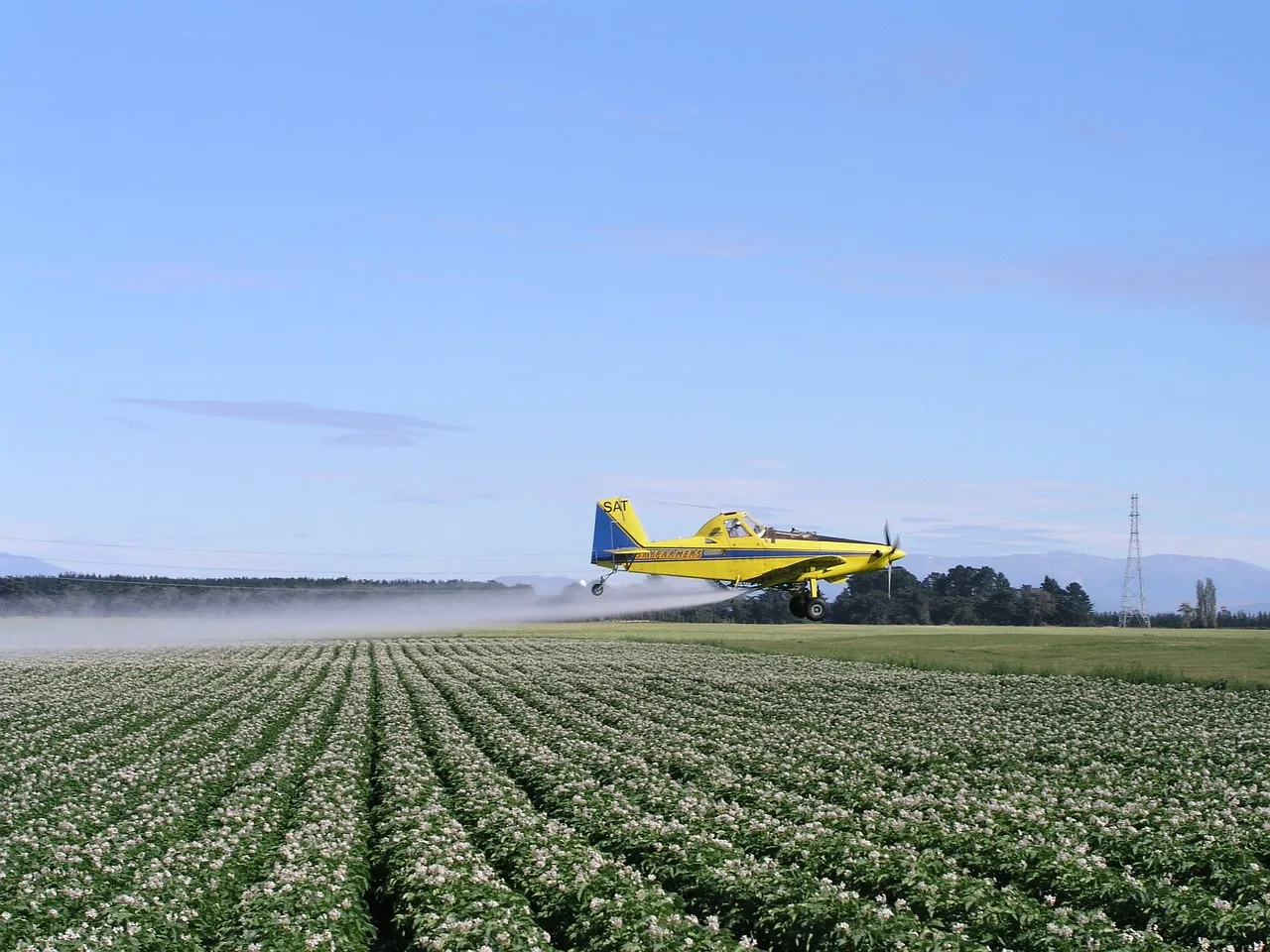
Image News and resources Breaking the vicious circle: food, climate and nutrition Rob Bailey and Bernice Lee of UK think tank Chatham House have written a piece exploring food system trends, including rising food demand, plateauing yields in key crop production regions, global convergence on a diet dependent on calorie-dense but nutrient-poor crops and a lack of genetic diversity in staple crops. The authors conclude that current food system trends are unsustainable, saying, “The continued intensification and expansion of agriculture is a short-term coping strategy that will eventually lead to food-system collapse.” They call for interventions at key leverage points in the food system. Read
Image Books The political economy of agricultural and food policies This book, by Johan Swinnen, examines the economic winners and losers of government interventions in the food system. Read
Image Books Reframing convenience food This book, by Peter Jackson et al., looks at different types of convenience foods and why consumers use them, and seeks to apply its findings to policies for healthy and sustainable diets. Read
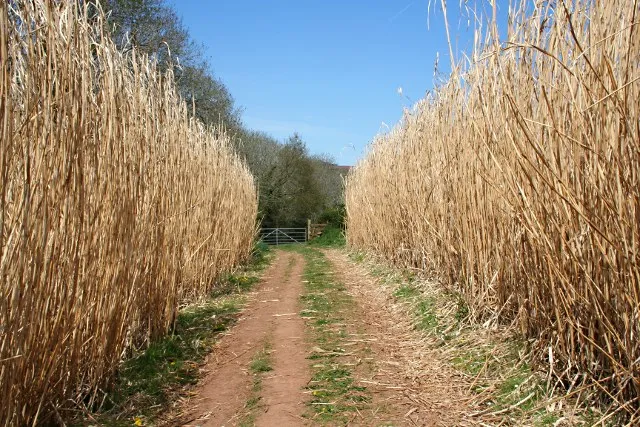
Image Reports Land-based negative emissions technologies The Hoffmann Centre at UK think tank Chatham House has produced a summary of a workshop held in January 2018 on policy implications of widespread deployment of negative emissions technologies. The workshop concluded that bioenergy with carbon capture and storage (BECCS) cannot be used at the scale assumed in emissions pathways compliant with the Paris agreement, because it would cause large land use change in regions of high biodiversity and compete with food production for land. Nevertheless, some BECCS may be needed. Direct air capture would use less land than BECCS, but there are economic and technical barriers. Read
Image Reports Solutions Menu: A Nordic guide to sustainable food policy The Nordic Food Policy Lab has produced a report outlining 24 policies from the Nordic region that aim to change food consumption and tackle the social and environmental challenges caused by the current food system. Policies are organised into five themes - nutrition, culture, meals, waste and sustainability - and include salt labelling, building regional food identity, improving hospital meals and developing networks to reduce food waste. The authors include Marie Persson, former staff member of the FCRN. Read
Image Journal articles Interventions to accelerate change towards a healthier diet The relationship between diets, health and quality of life has been the focus of several initiatives to accelerate a move towards healthier diets. However, the results of these interventions have been mixed. This paper by Susan Jebb of the University of Oxford summarises some of these dietary change interventions while discussing the need for improved methods to monitor and evaluate their progress. Read
Image Journal articles Corporate consolidation of the seed sector FCRN member Sylvie Bonny of the INRA (National Institute for Agricultural Research), France, has written a paper on corporate consolidation and technological change in the global seed industry. The paper examines the views that different types of stakeholders have about current trends towards concentration, including concerns about the consequences on seed prices and diversity. Read
Image Journal articles GHG emissions and energy use from individual US diets FCRN member Martin Heller of the Centre for Sustainable Systems at the University of Michigan has calculated the greenhouse gas emissions (GHGEs) and energy demand associated with the diets of individuals in the US, based on a one day dietary recall survey. The highest-emitting 20% of diets are responsible for 46% of diet-related GHGEs, while the lowest-emitting 20% of diets cause 6% of diet-related GHGEs. The food types causing the highest percentage of GHGEs are meats (57%), dairy (18%), beverages (6%) and fish and seafood (6%). Read
Image Journal articles Greenhouse gas emissions from US household food choices This paper estimates greenhouse gas emissions (GHGEs) associated with the food purchased by US households (based on survey data) and examines the links between food GHGEs and demographic factors. It suggests that education on the links between food and climate could be targeted at more educated and more affluent consumers, since their research shows (see below) that the these households have more GHGE-intensive dietary patterns. Read