Image Resources Our extensive research library contains thousands of summaries of journal articles, reports and news stories that can be searched by keyword and category RESOURCES CATEGORY Books Briefing paper Event recording Featured articles Featured report Game Journal articles News and resources Reports Think piece Video Working paper Workshop summary Year 2026 2025 2024 2023 2022 2021 2020 2019 2018 2017 2016 2015 2014 2013 2012 2011 2010 2009 2008 2007 2002 2001 Image Journal articles Food production sufficient for 2050, if diet and waste changed Current crop production levels could feed a population of 9.7 billion people in 2050, according to a recent paper, but only in a future in which there are socio-economic changes, significant shifts in diets towards plant-based foods, and limited biofuel production. Without dietary changes, crop production would have to increase by 119% by 2050. Read Image News and resources Podcast: Food citizenship Irish social enterprise foodture has produced a podcast about food citizenship, featuring Anna Cura of the Food Ethics Council. Anna describes the concept of food citizenship as being a mindset where people to think about themselves as engaged citizens, not just consumers, when making food purchase choices. Read Image News and resources Interactive guide: Understanding food and climate change The Centre for Ecoliteracy, a Californian non-profit, has produced a free interactive guide to understanding food and climate change, covering both how climate change affects the food system and how the food system contributes to climate change. Read Image News and resources Food companies to lobby via Sustainable Food Policy Alliance The US divisions of Danone, Mars, Nestle and Unilever have established the new Sustainable Food Policy Alliance, hoping to influence policymakers and regulators in five key areas: product transparency, nutrition, the environment, food safety and a positive workplace for food and agriculture workers. According to the Washington Post, the new alliance supports the reduction of salt in packaged foods and the introduction of “nutrition facts panels” to highlight sugar and calorie information (read more here). Read Image Books Carbon sequestration in agricultural ecosystems This book, by Klaus Lorenz and Rattan Lal, discusses the present state of knowledge on soil carbon dynamics in different types of agricultural systems, including croplands, grasslands, wetlands and agroforestry systems. It also discusses bioenergy and biochar. Read Image Reports Reducing UK emissions: 2018 progress report The UK’s Committee on Climate Change has released its 2018 Progress Report to Parliament on Reducing UK Emissions. Chapter 6 focuses on agriculture and land use, land-use change and forestry. The report finds the UK agricultural emissions were unchanged between 2008 and 2016. In 2017, half of farmers did not think it was important to consider emissions when making decisions about farming practices. The forestry sector’s ability to sequester carbon has levelled off due to the average age of trees increasing relative to the past. Chapter 6 makes only passing reference to demand-side measures for agricultural emissions reductions (see Figure 6.9). Read Image Reports A better Brexit for farm animals The UK’s Food Research Collaboration initiative has released a briefing paper on the differences in animal welfare standards between the UK and its likely post-Brexit trading partners, such as the fact that antibiotic use in cattle is nine to sixteen times higher in the US than the UK, by weight of cattle. The report points out that welfare standards risk being weakened to help obtain trade deals, and recommends several measures to protect animal welfare after Brexit, including farmer subsidies for higher welfare standards, mandatory labelling to help consumers choose better welfare standards, and using public procurement policies to promote higher welfare. Read Image Reports UK ready meals still mostly meat-based The UK’s Eating Better alliance has published a survey of ready meals in the main UK supermarkets. The briefing reports that only 3% of the 1350 ready meals surveyed were entirely plant-based; vegetarian, plant-based and meat substitute meals altogether made up 14% of the meals surveyed; 77% of the meals contained meat; and 10% contained fish or seafood. Some retailers sell vegan and vegetarian ready meals at a higher price than other meals, most notably Tesco’s Wicked Kitchen vegan range, which is 67% more expensive than Tesco’s regular range. Nearly one third of meat-based meals did not specify the country of origin of the meat, while only three retailers included the meat in their own-brand ready meals under their farm animal welfare policies. Read Image Journal articles Carbon impacts of palm oil and rubber plantations A recent paper assesses the carbon implications of converting Indonesian rainforests to oil palm monocultures, rubber monocultures or rubber agroforestry systems (known as “jungle rubber”). It finds that carbon losses are greatest from oil palm plantations and lowest from jungle rubber systems, in all cases being mainly from loss of aboveground carbon stocks. The paper points out that, “Thorough assessments of land-use impacts on resources such as biodiversity, nutrients, and water must complement this synthesis on C but are still not available.” Read VIEW MORE
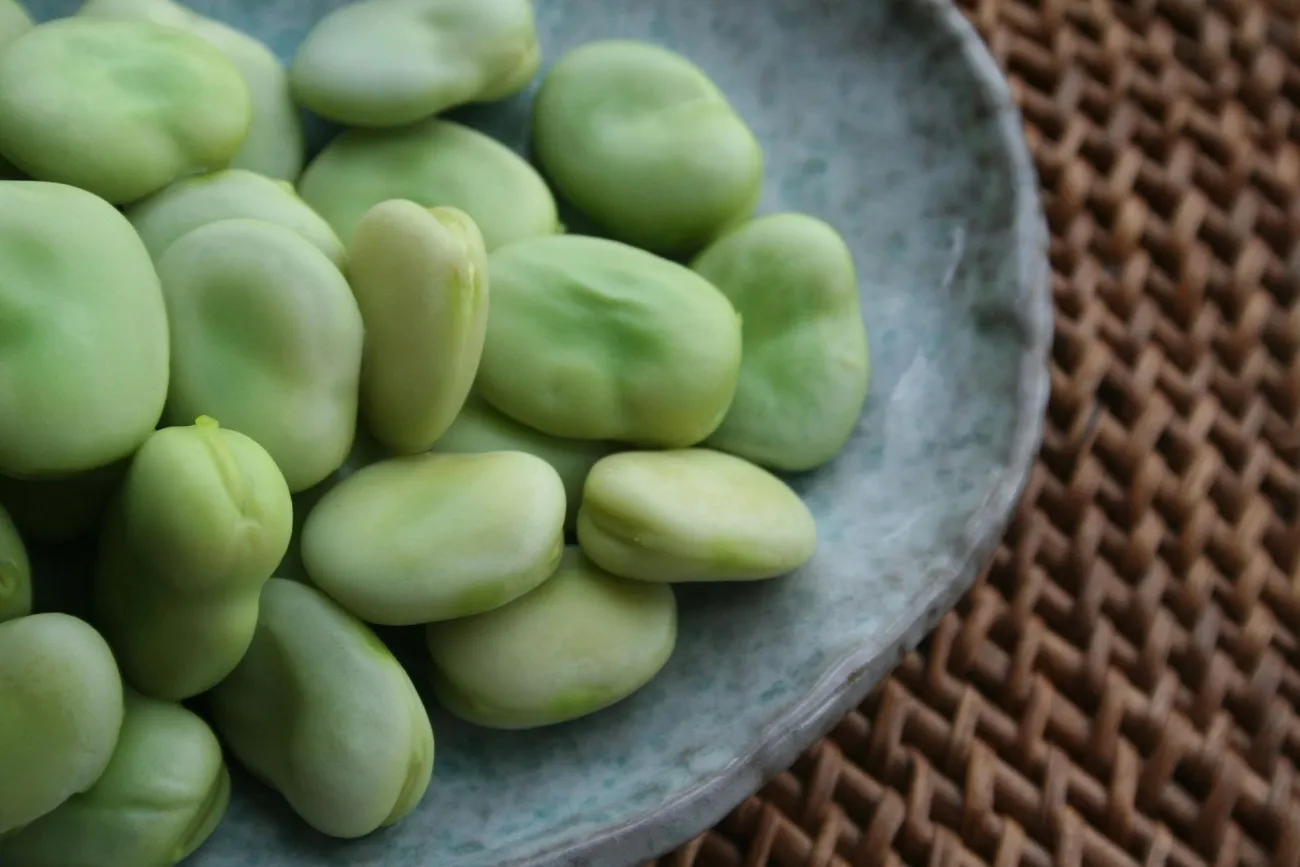
Image Journal articles Food production sufficient for 2050, if diet and waste changed Current crop production levels could feed a population of 9.7 billion people in 2050, according to a recent paper, but only in a future in which there are socio-economic changes, significant shifts in diets towards plant-based foods, and limited biofuel production. Without dietary changes, crop production would have to increase by 119% by 2050. Read
Image News and resources Podcast: Food citizenship Irish social enterprise foodture has produced a podcast about food citizenship, featuring Anna Cura of the Food Ethics Council. Anna describes the concept of food citizenship as being a mindset where people to think about themselves as engaged citizens, not just consumers, when making food purchase choices. Read
Image News and resources Interactive guide: Understanding food and climate change The Centre for Ecoliteracy, a Californian non-profit, has produced a free interactive guide to understanding food and climate change, covering both how climate change affects the food system and how the food system contributes to climate change. Read
Image News and resources Food companies to lobby via Sustainable Food Policy Alliance The US divisions of Danone, Mars, Nestle and Unilever have established the new Sustainable Food Policy Alliance, hoping to influence policymakers and regulators in five key areas: product transparency, nutrition, the environment, food safety and a positive workplace for food and agriculture workers. According to the Washington Post, the new alliance supports the reduction of salt in packaged foods and the introduction of “nutrition facts panels” to highlight sugar and calorie information (read more here). Read
Image Books Carbon sequestration in agricultural ecosystems This book, by Klaus Lorenz and Rattan Lal, discusses the present state of knowledge on soil carbon dynamics in different types of agricultural systems, including croplands, grasslands, wetlands and agroforestry systems. It also discusses bioenergy and biochar. Read
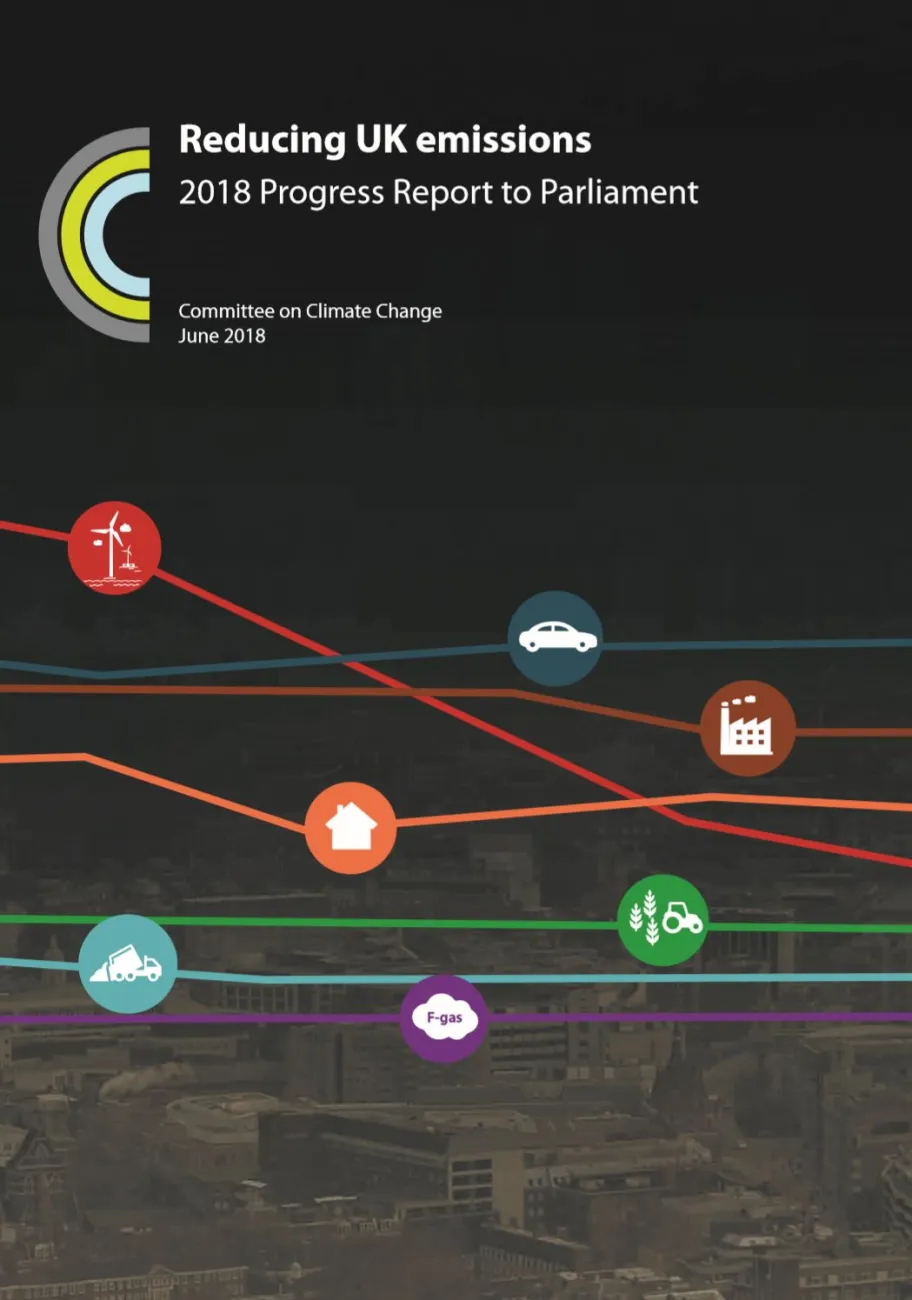
Image Reports Reducing UK emissions: 2018 progress report The UK’s Committee on Climate Change has released its 2018 Progress Report to Parliament on Reducing UK Emissions. Chapter 6 focuses on agriculture and land use, land-use change and forestry. The report finds the UK agricultural emissions were unchanged between 2008 and 2016. In 2017, half of farmers did not think it was important to consider emissions when making decisions about farming practices. The forestry sector’s ability to sequester carbon has levelled off due to the average age of trees increasing relative to the past. Chapter 6 makes only passing reference to demand-side measures for agricultural emissions reductions (see Figure 6.9). Read
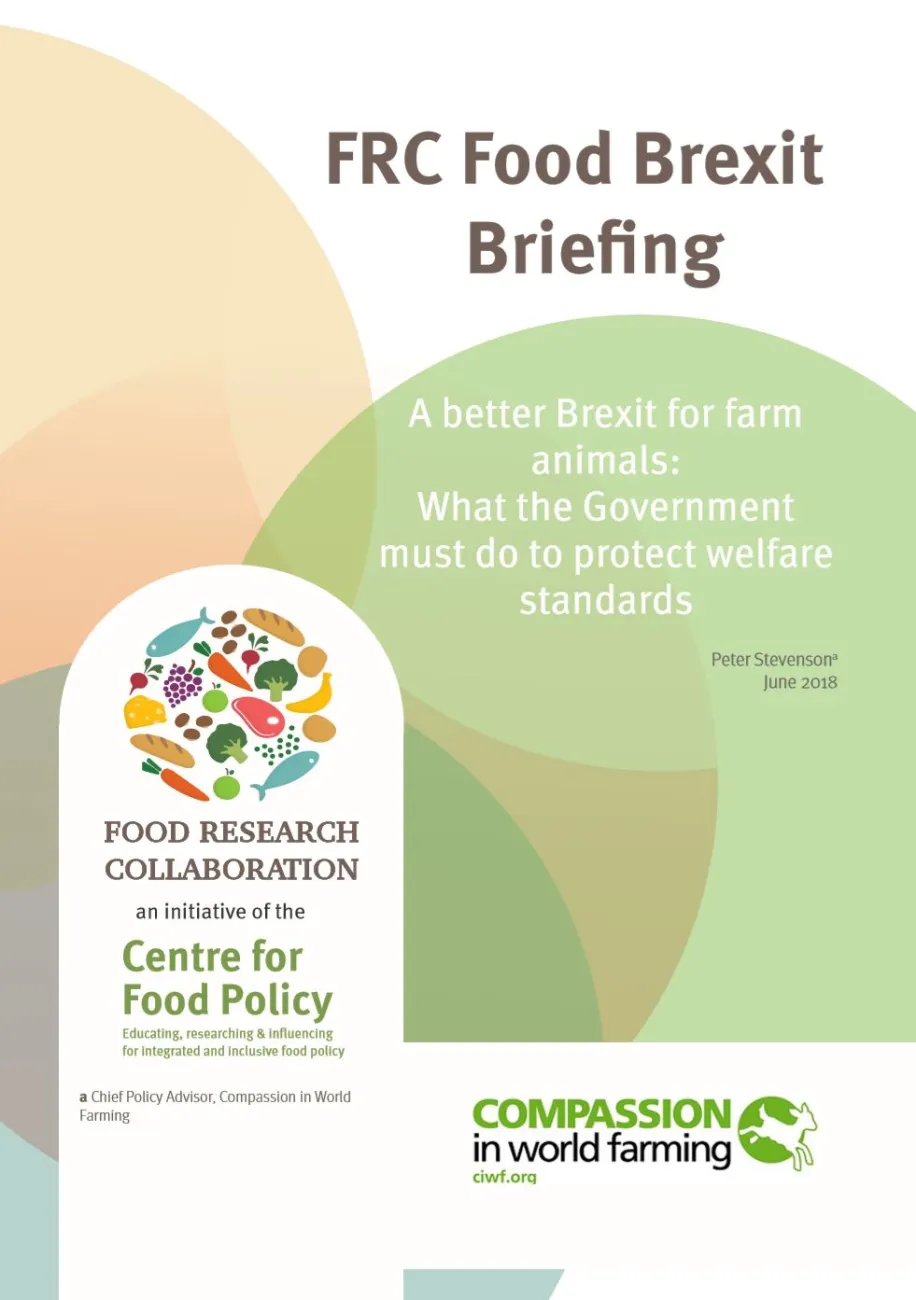
Image Reports A better Brexit for farm animals The UK’s Food Research Collaboration initiative has released a briefing paper on the differences in animal welfare standards between the UK and its likely post-Brexit trading partners, such as the fact that antibiotic use in cattle is nine to sixteen times higher in the US than the UK, by weight of cattle. The report points out that welfare standards risk being weakened to help obtain trade deals, and recommends several measures to protect animal welfare after Brexit, including farmer subsidies for higher welfare standards, mandatory labelling to help consumers choose better welfare standards, and using public procurement policies to promote higher welfare. Read
Image Reports UK ready meals still mostly meat-based The UK’s Eating Better alliance has published a survey of ready meals in the main UK supermarkets. The briefing reports that only 3% of the 1350 ready meals surveyed were entirely plant-based; vegetarian, plant-based and meat substitute meals altogether made up 14% of the meals surveyed; 77% of the meals contained meat; and 10% contained fish or seafood. Some retailers sell vegan and vegetarian ready meals at a higher price than other meals, most notably Tesco’s Wicked Kitchen vegan range, which is 67% more expensive than Tesco’s regular range. Nearly one third of meat-based meals did not specify the country of origin of the meat, while only three retailers included the meat in their own-brand ready meals under their farm animal welfare policies. Read
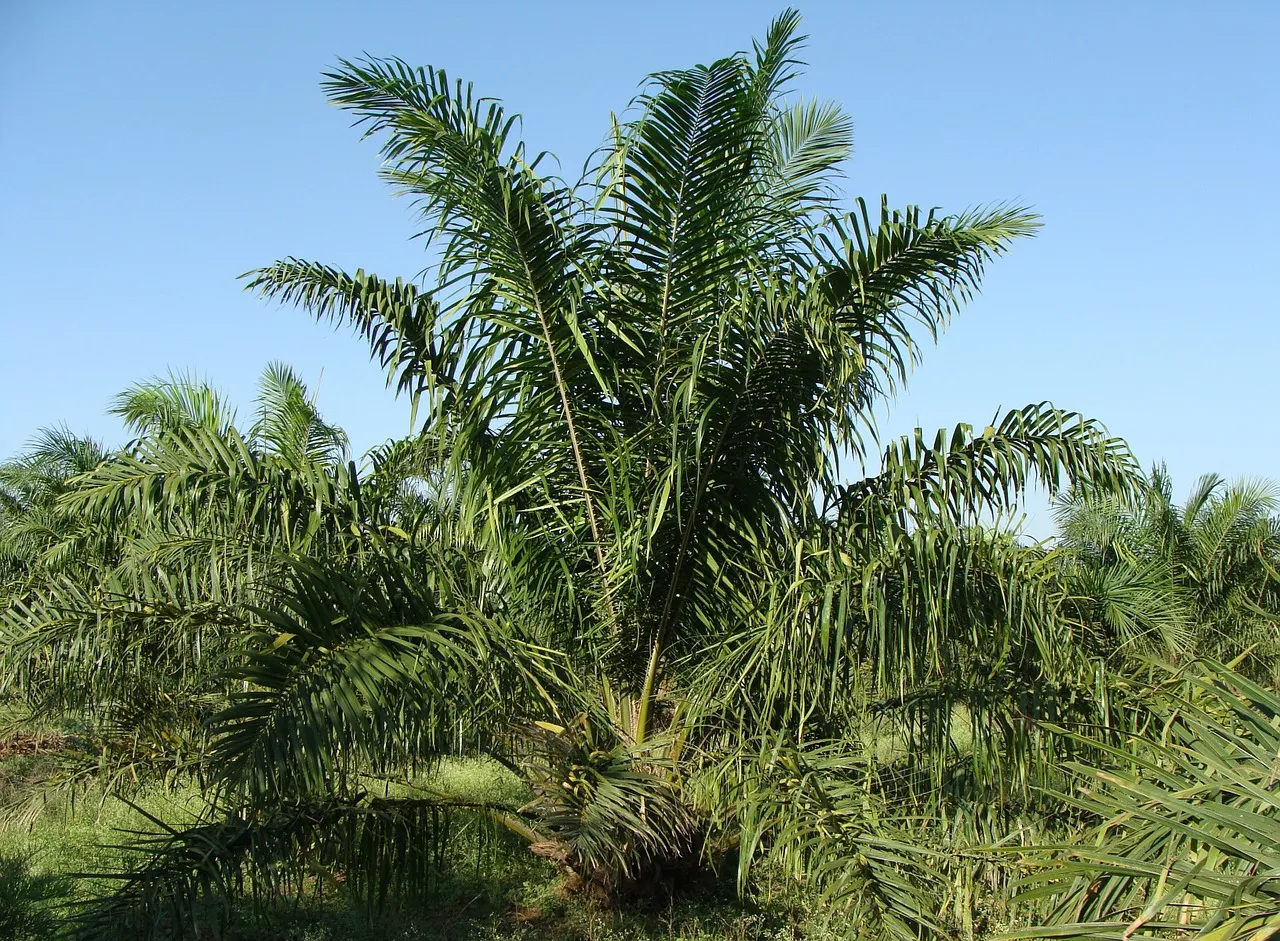
Image Journal articles Carbon impacts of palm oil and rubber plantations A recent paper assesses the carbon implications of converting Indonesian rainforests to oil palm monocultures, rubber monocultures or rubber agroforestry systems (known as “jungle rubber”). It finds that carbon losses are greatest from oil palm plantations and lowest from jungle rubber systems, in all cases being mainly from loss of aboveground carbon stocks. The paper points out that, “Thorough assessments of land-use impacts on resources such as biodiversity, nutrients, and water must complement this synthesis on C but are still not available.” Read