Image Resources Our extensive research library contains thousands of summaries of journal articles, reports and news stories that can be searched by keyword and category RESOURCES CATEGORY Books Briefing paper Event recording Featured articles Featured report Game Journal articles News and resources Reports Think piece Video Working paper Workshop summary Year 2026 2025 2024 2023 2022 2021 2020 2019 2018 2017 2016 2015 2014 2013 2012 2011 2010 2009 2008 2007 2002 2001 Image Reports Changing food cultures: challenges and opportunities for UK agriculture The University of Exeter’s Centre for Rural Policy Research has released the report “Changing food cultures: challenges and opportunities for UK agriculture”. The report gives an overview of how UK agriculture might be affected by future changes in the food system, such as health concerns or increases in purchases of ready-meals and snacks. Read Image Reports Effect of language on consumer acceptance of cultured meat Animal advocacy organisation Faunalytics has released the report “Messages to overcome naturalness concerns in clean meat acceptance: primary findings”, which studied how people perceive the “naturalness” of cultured meat (also known as laboratory-grown meat) when it is described in different ways. The report found that study participants (based in the US) were more accepting of cultured meat when presented with a message about the “unnatural” conditions in which conventional meat is produced. Messages arguing that cultured meat has a “natural” side or that “naturalness” does not matter did not result in greater acceptance of cultured meat. Read Image Journal articles Global agricultural effects of geoengineering A recent paper uses data from volcanic eruptions to estimate the effects that geoengineering with sulphate aerosols would have on agricultural production. It concludes that the damage that geoengineering would do to maize, soy, rice and wheat outputs (because of reduction in sunlight reaching the crops) would have roughly the same magnitude as the benefits of the cooling it would provide. Read Image Journal articles Only 13% of the ocean is classed as wilderness The first systematic analysis of marine wilderness around the world finds that only 13% of the ocean can still be classed as wilderness, i.e. having experienced low impacts from human-caused stressors such as fertilizer runoff, fishing and climate change. Only 4.9% of that wilderness (covering 0.6% of total ocean area) falls within official marine protected areas. Read Image Journal articles Blanket carbon tax worse for food security than climate change A carbon tax applied across the whole economy, including agriculture, could put more people at risk of hunger (in terms of dietary energy availability) than climate change itself, according to a recent paper. Read Image Journal articles Domino effect could cause “Hothouse Earth” Researchers have warned that a cascade of positive feedback loops could push global temperatures into a “Hothouse Earth” state for millennia, even if human greenhouse gas emissions are reduced. Some systems, such as ice sheets, forests and permafrost, could pass a temperature tipping point beyond which they rapidly become net contributors to climate change. If one is set off, the warming produced could trigger the remaining tipping points, like a line of dominoes. Read Image News and resources European farmers affected by heatwave and dry weather Farmers in Britain and other European countries have been affected by the ongoing heatwave and dry weather. Oxfordshire farmer Lesley Chandler told the Guardian, “It’s like a tinderbox out here… Just a spark could set it all alight” (read more here). Combine harvesters can create sparks if their blades hit a stone. Read Image Books Bioethanol production from food crops This book, by Ramesh Ray and S Ramachandran, presents technological interventions in ethanol production from food crops, addresses food security issues arising from bioethanol production and identifies development bottlenecks. Read Image Books Precision agriculture for sustainability This book, edited by John Stafford, reviews many of the technologies used in precision agriculture, such as drones, spray technologies and modelling systems, and examines how they can be used, for example to manage fertiliser applications, for irrigation and for protecting crops. Read VIEW MORE
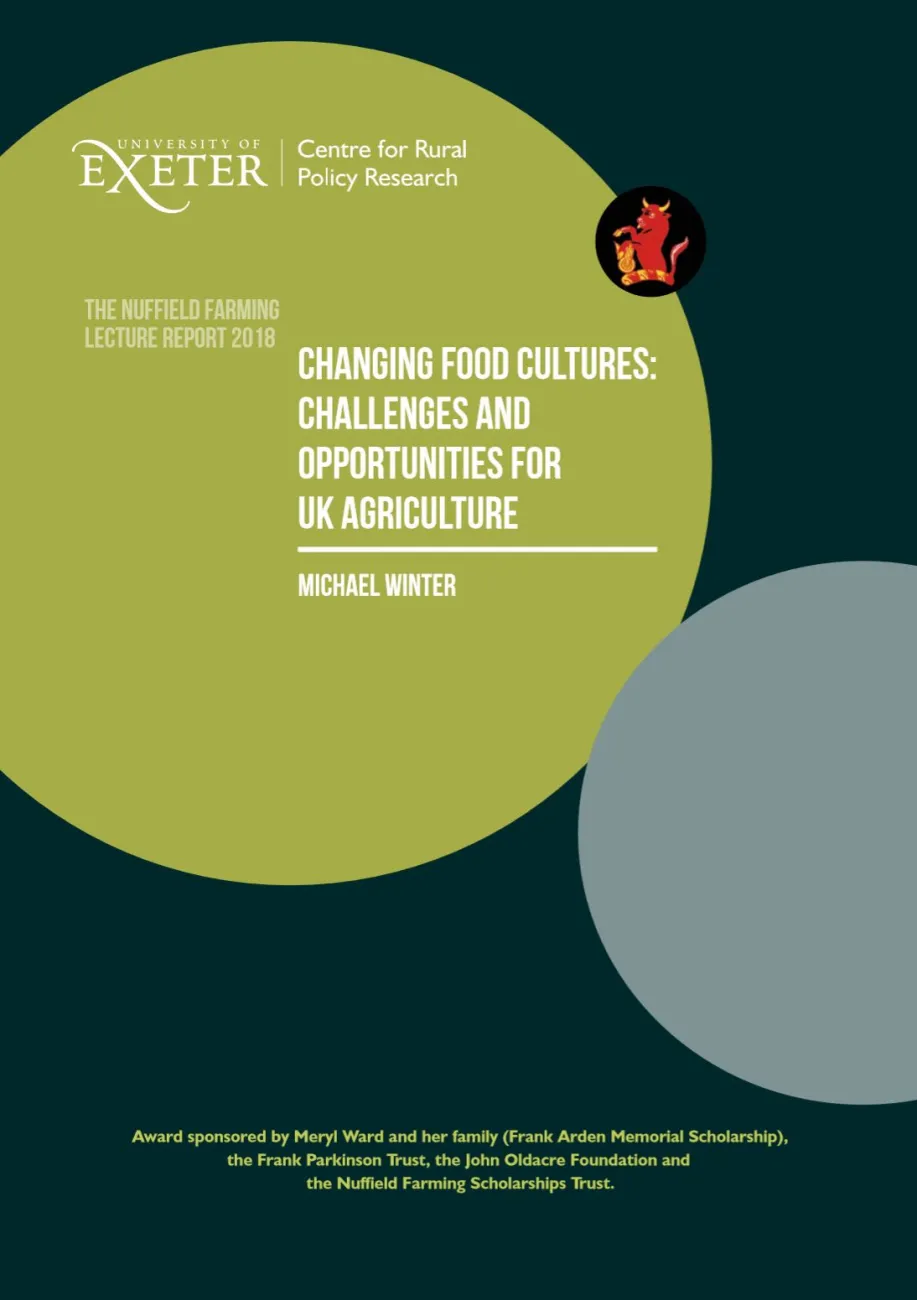
Image Reports Changing food cultures: challenges and opportunities for UK agriculture The University of Exeter’s Centre for Rural Policy Research has released the report “Changing food cultures: challenges and opportunities for UK agriculture”. The report gives an overview of how UK agriculture might be affected by future changes in the food system, such as health concerns or increases in purchases of ready-meals and snacks. Read
Image Reports Effect of language on consumer acceptance of cultured meat Animal advocacy organisation Faunalytics has released the report “Messages to overcome naturalness concerns in clean meat acceptance: primary findings”, which studied how people perceive the “naturalness” of cultured meat (also known as laboratory-grown meat) when it is described in different ways. The report found that study participants (based in the US) were more accepting of cultured meat when presented with a message about the “unnatural” conditions in which conventional meat is produced. Messages arguing that cultured meat has a “natural” side or that “naturalness” does not matter did not result in greater acceptance of cultured meat. Read
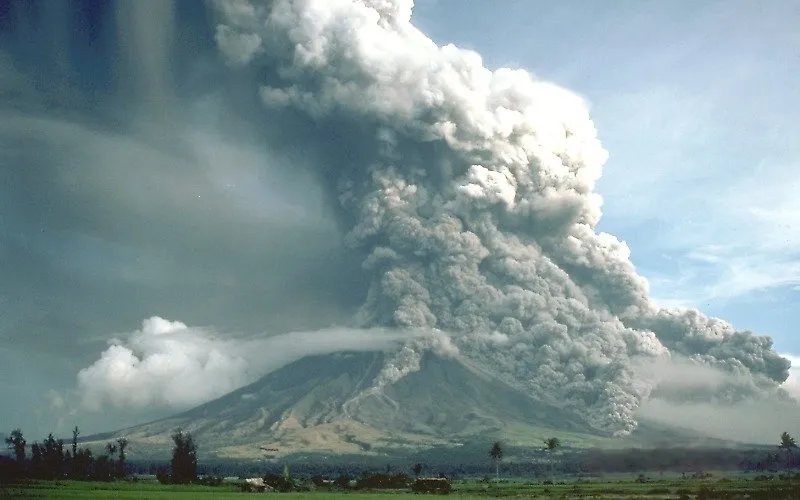
Image Journal articles Global agricultural effects of geoengineering A recent paper uses data from volcanic eruptions to estimate the effects that geoengineering with sulphate aerosols would have on agricultural production. It concludes that the damage that geoengineering would do to maize, soy, rice and wheat outputs (because of reduction in sunlight reaching the crops) would have roughly the same magnitude as the benefits of the cooling it would provide. Read
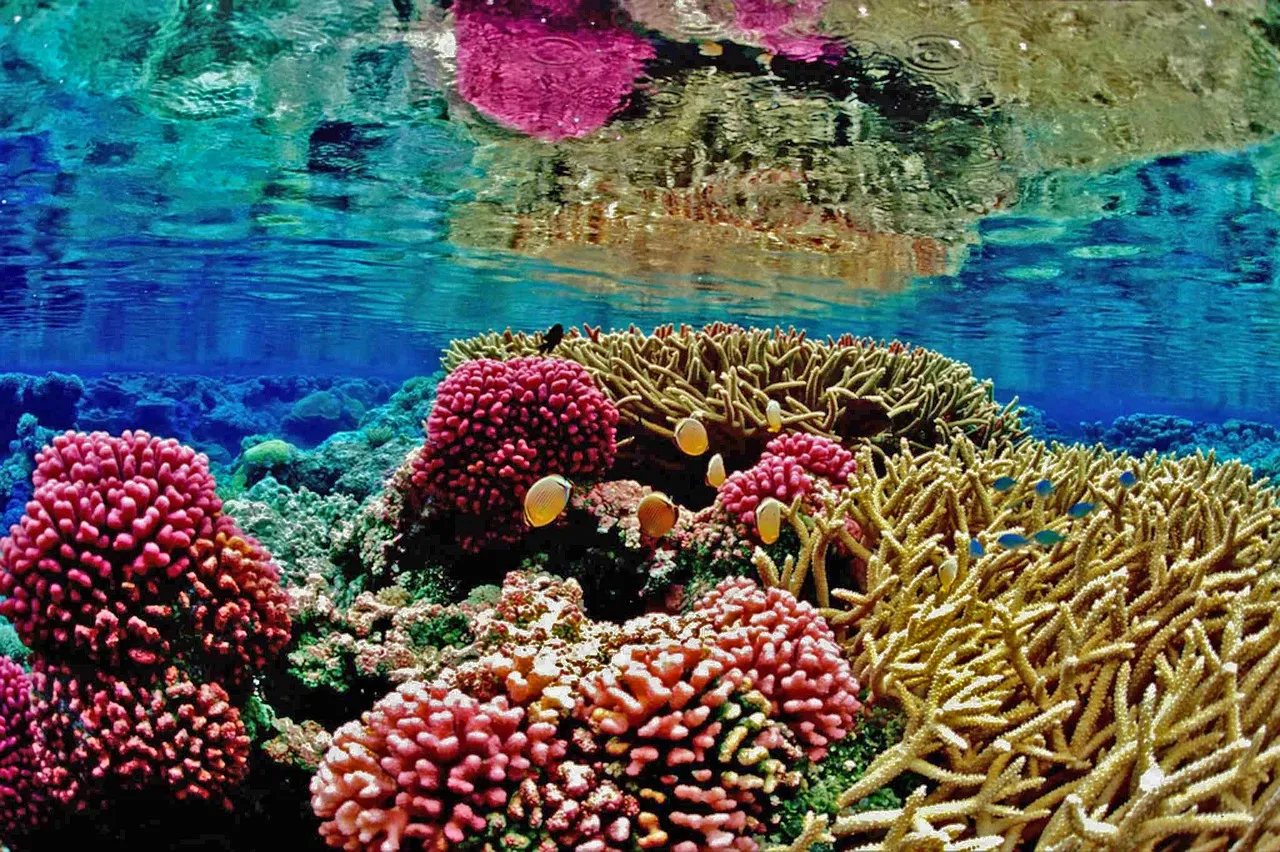
Image Journal articles Only 13% of the ocean is classed as wilderness The first systematic analysis of marine wilderness around the world finds that only 13% of the ocean can still be classed as wilderness, i.e. having experienced low impacts from human-caused stressors such as fertilizer runoff, fishing and climate change. Only 4.9% of that wilderness (covering 0.6% of total ocean area) falls within official marine protected areas. Read
Image Journal articles Blanket carbon tax worse for food security than climate change A carbon tax applied across the whole economy, including agriculture, could put more people at risk of hunger (in terms of dietary energy availability) than climate change itself, according to a recent paper. Read
Image Journal articles Domino effect could cause “Hothouse Earth” Researchers have warned that a cascade of positive feedback loops could push global temperatures into a “Hothouse Earth” state for millennia, even if human greenhouse gas emissions are reduced. Some systems, such as ice sheets, forests and permafrost, could pass a temperature tipping point beyond which they rapidly become net contributors to climate change. If one is set off, the warming produced could trigger the remaining tipping points, like a line of dominoes. Read
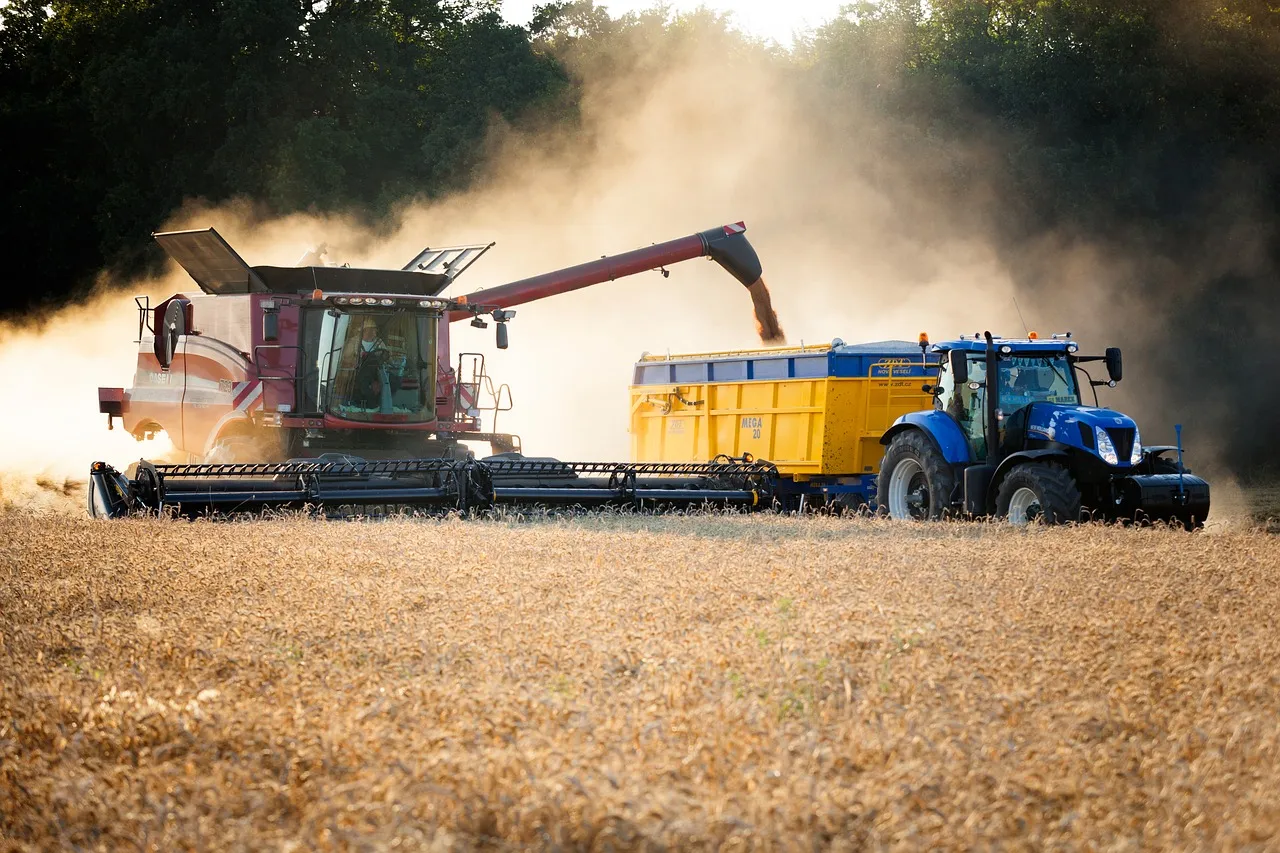
Image News and resources European farmers affected by heatwave and dry weather Farmers in Britain and other European countries have been affected by the ongoing heatwave and dry weather. Oxfordshire farmer Lesley Chandler told the Guardian, “It’s like a tinderbox out here… Just a spark could set it all alight” (read more here). Combine harvesters can create sparks if their blades hit a stone. Read
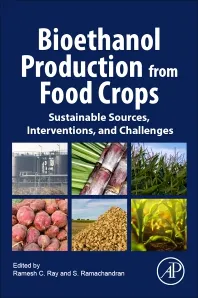
Image Books Bioethanol production from food crops This book, by Ramesh Ray and S Ramachandran, presents technological interventions in ethanol production from food crops, addresses food security issues arising from bioethanol production and identifies development bottlenecks. Read
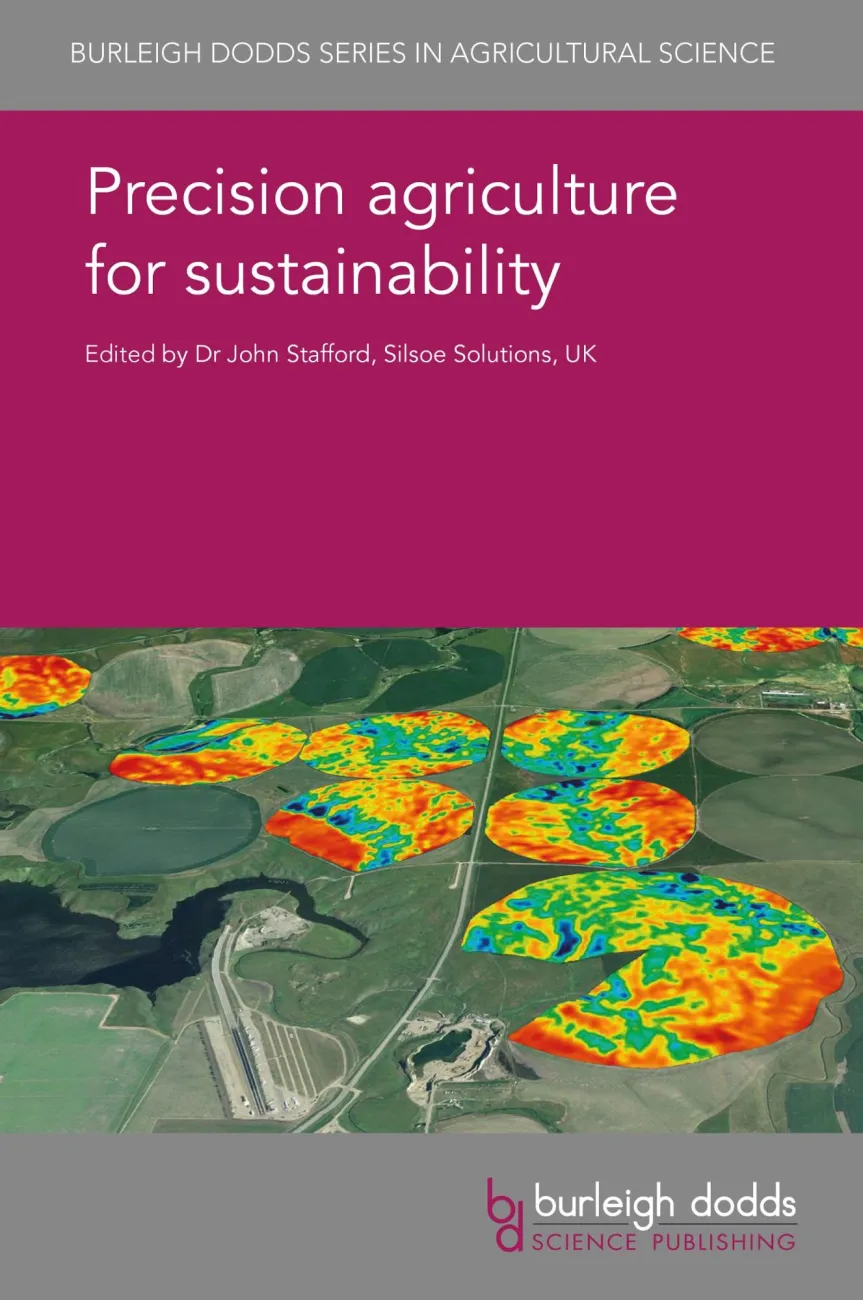
Image Books Precision agriculture for sustainability This book, edited by John Stafford, reviews many of the technologies used in precision agriculture, such as drones, spray technologies and modelling systems, and examines how they can be used, for example to manage fertiliser applications, for irrigation and for protecting crops. Read