Image Resources Our extensive research library contains thousands of summaries of journal articles, reports and news stories that can be searched by keyword and category RESOURCES CATEGORY Books Briefing paper Event recording Featured articles Featured report Game Journal articles News and resources Reports Think piece Video Working paper Workshop summary Year 2026 2025 2024 2023 2022 2021 2020 2019 2018 2017 2016 2015 2014 2013 2012 2011 2010 2009 2008 2007 2002 2001 Image Books Restoring farm woodlands for wildlife This book, by David Lindenmayer, Damian Michael, Mason Crane, Daniel Florance and Emma Burns, describes best practice approaches for restoring Australian farm woodlands for birds, mammals and reptiles. Read Image Reports Incentivising deforestation for livestock products This briefing by the Global Forest Coalition looks at subsidies and supports for the livestock sector and how they harm forests and other biodiverse ecosystems. In particular, the briefing assesses the impacts of the EU-Mercosur Free Trade Agreement, which is currently being negotiated. Read Image Reports Expert panel discussion on reducing the impact of food waste Sustainable Manufacturing and Recycling Technologies (SMART), a research and development centre at Loughborough University, has produced a post-event report of its expert panel discussion on reducing the impact of food waste held on 12 October 2018. The topics discussed include the influence of multibuy offers on food waste, the links between single-use packaging and food waste, the impacts of “wonky veg” ranges in supermarkets, and smart fridges. Read Image Reports Waitrose & Partners Food and Drink Report 2018-19 13% of the UK population is now vegetarian or vegan, while a further 21% identify as “flexitarian”, according to the 2018-19 edition of the Food and Drink Report by supermarket chain Waitrose & Partners. Among other food trends, the report also discusses plastic packaging, claiming that 88% of survey participants who had watched the final episode of the wildlife documentary Blue Planet II have changed how they use plastic. Read Image Reports What is the safe operating space for EU livestock? This report by the RISE Foundation (Rural Investment Support for Europe), co-authored by FCRN member Elisabet Nadeu, outlines the environmental and health impacts of livestock production and consumption in the EU. The report suggests that there is a “safe operating space” for livestock production, defined at the lower bound by the provision of nutrition to humans and the maintenance of permanent pasture habitats, and defined at the upper boundary by climate impacts and nitrogen and phosphorus emissions. Read Image Reports WWF Living Planet Report 2018 WWF’s 2018 Living Planet Report finds that population sizes of thousands of vertebrate species have declined by 60%, on average, between 1970 and 2014, land degradation seriously impacts 75% of terrestrial ecosystems, and current species extinction rates are 100 to 1000 times higher than the background rate. The report attributes these impacts to rising demand for land, water and energy, and explores the impacts of agriculture, fisheries and deforestation. Read Image Journal articles Welfare labelling and governance of Australian poultry Labelling schemes to indicate higher welfare standards for broiler chickens have contributed to some changes in the governance of poultry welfare in Australia, argues this paper - but those changes are mostly incremental, and the labelling schemes may even bolster the perceived legitimacy of intensive poultry farming. Read Image Journal articles Most consumers willing to pay more for sustainable beer According to a survey of US beer drinkers, 59% would be willing to pay more for beer that has been brewed using more sustainable processes, such as energy efficiency or carbon saving measures. On average, respondents were willing to pay $0.22 more per 12-ounce bottle than the price they already paid for their favourite beer ($1.69 per 12-ounce bottle). Read Image Journal articles Researchers call for organophosphate pesticide ban Researchers have called for governments to phase out organophosphate pesticides in agriculture, ban their non-agricultural uses, and take steps to reduce human exposure to organophosphates. The researchers’ argument is based on systematic reviews that link foetal organophosphate exposure to adverse effects on the development of children’s brain and nervous system. Read VIEW MORE
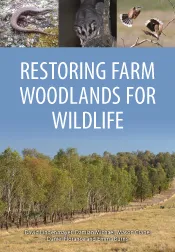
Image Books Restoring farm woodlands for wildlife This book, by David Lindenmayer, Damian Michael, Mason Crane, Daniel Florance and Emma Burns, describes best practice approaches for restoring Australian farm woodlands for birds, mammals and reptiles. Read
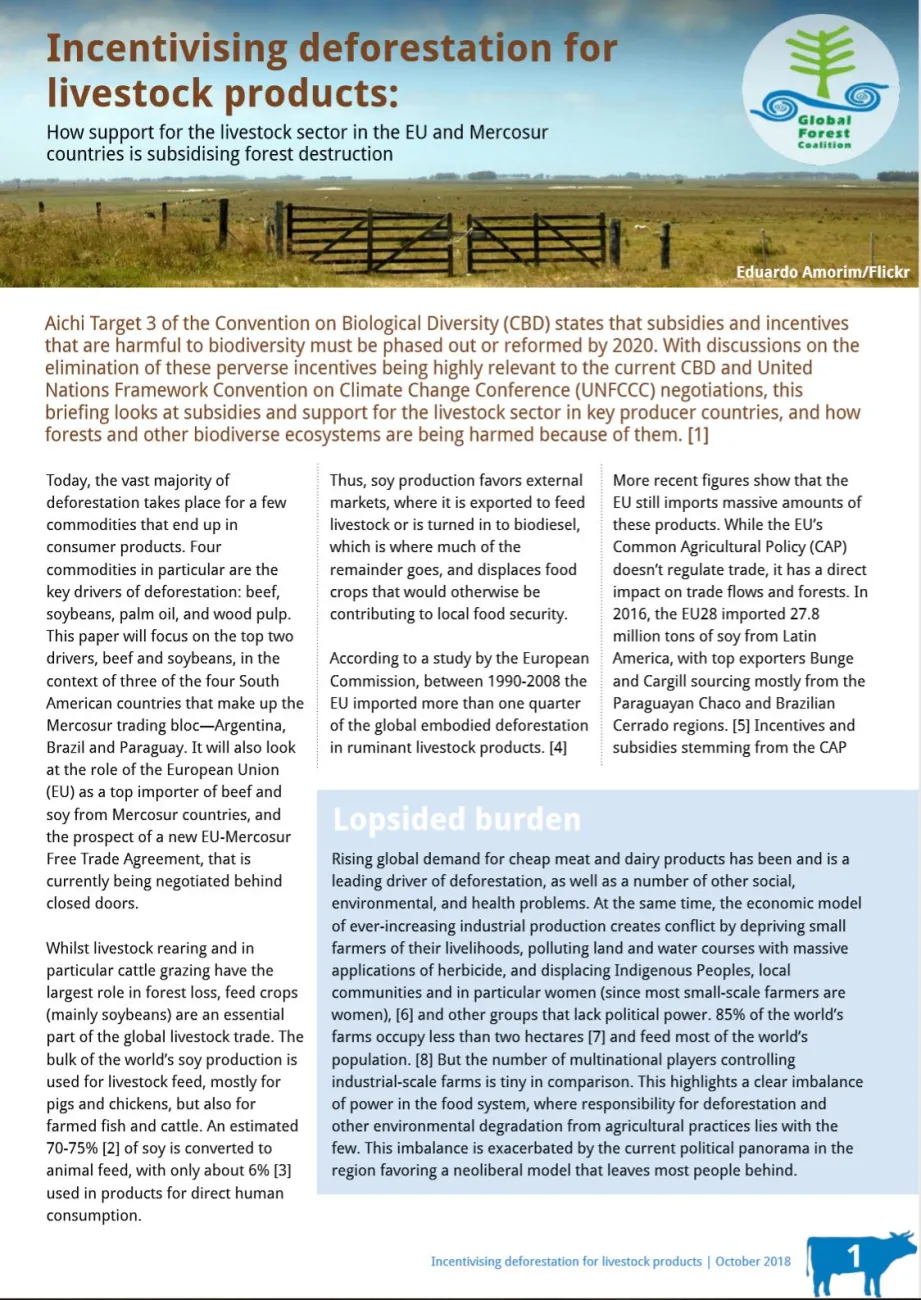
Image Reports Incentivising deforestation for livestock products This briefing by the Global Forest Coalition looks at subsidies and supports for the livestock sector and how they harm forests and other biodiverse ecosystems. In particular, the briefing assesses the impacts of the EU-Mercosur Free Trade Agreement, which is currently being negotiated. Read
Image Reports Expert panel discussion on reducing the impact of food waste Sustainable Manufacturing and Recycling Technologies (SMART), a research and development centre at Loughborough University, has produced a post-event report of its expert panel discussion on reducing the impact of food waste held on 12 October 2018. The topics discussed include the influence of multibuy offers on food waste, the links between single-use packaging and food waste, the impacts of “wonky veg” ranges in supermarkets, and smart fridges. Read
Image Reports Waitrose & Partners Food and Drink Report 2018-19 13% of the UK population is now vegetarian or vegan, while a further 21% identify as “flexitarian”, according to the 2018-19 edition of the Food and Drink Report by supermarket chain Waitrose & Partners. Among other food trends, the report also discusses plastic packaging, claiming that 88% of survey participants who had watched the final episode of the wildlife documentary Blue Planet II have changed how they use plastic. Read
Image Reports What is the safe operating space for EU livestock? This report by the RISE Foundation (Rural Investment Support for Europe), co-authored by FCRN member Elisabet Nadeu, outlines the environmental and health impacts of livestock production and consumption in the EU. The report suggests that there is a “safe operating space” for livestock production, defined at the lower bound by the provision of nutrition to humans and the maintenance of permanent pasture habitats, and defined at the upper boundary by climate impacts and nitrogen and phosphorus emissions. Read
Image Reports WWF Living Planet Report 2018 WWF’s 2018 Living Planet Report finds that population sizes of thousands of vertebrate species have declined by 60%, on average, between 1970 and 2014, land degradation seriously impacts 75% of terrestrial ecosystems, and current species extinction rates are 100 to 1000 times higher than the background rate. The report attributes these impacts to rising demand for land, water and energy, and explores the impacts of agriculture, fisheries and deforestation. Read
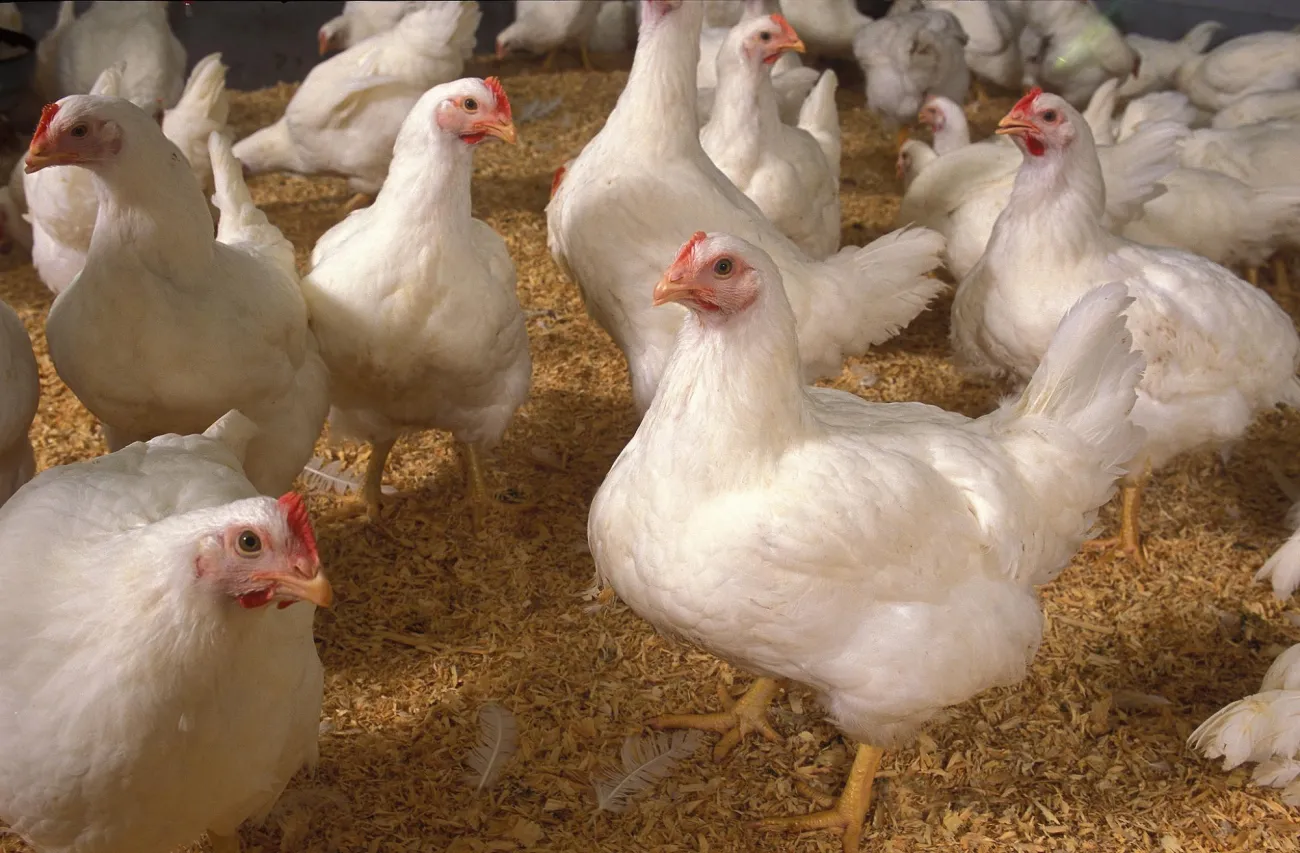
Image Journal articles Welfare labelling and governance of Australian poultry Labelling schemes to indicate higher welfare standards for broiler chickens have contributed to some changes in the governance of poultry welfare in Australia, argues this paper - but those changes are mostly incremental, and the labelling schemes may even bolster the perceived legitimacy of intensive poultry farming. Read
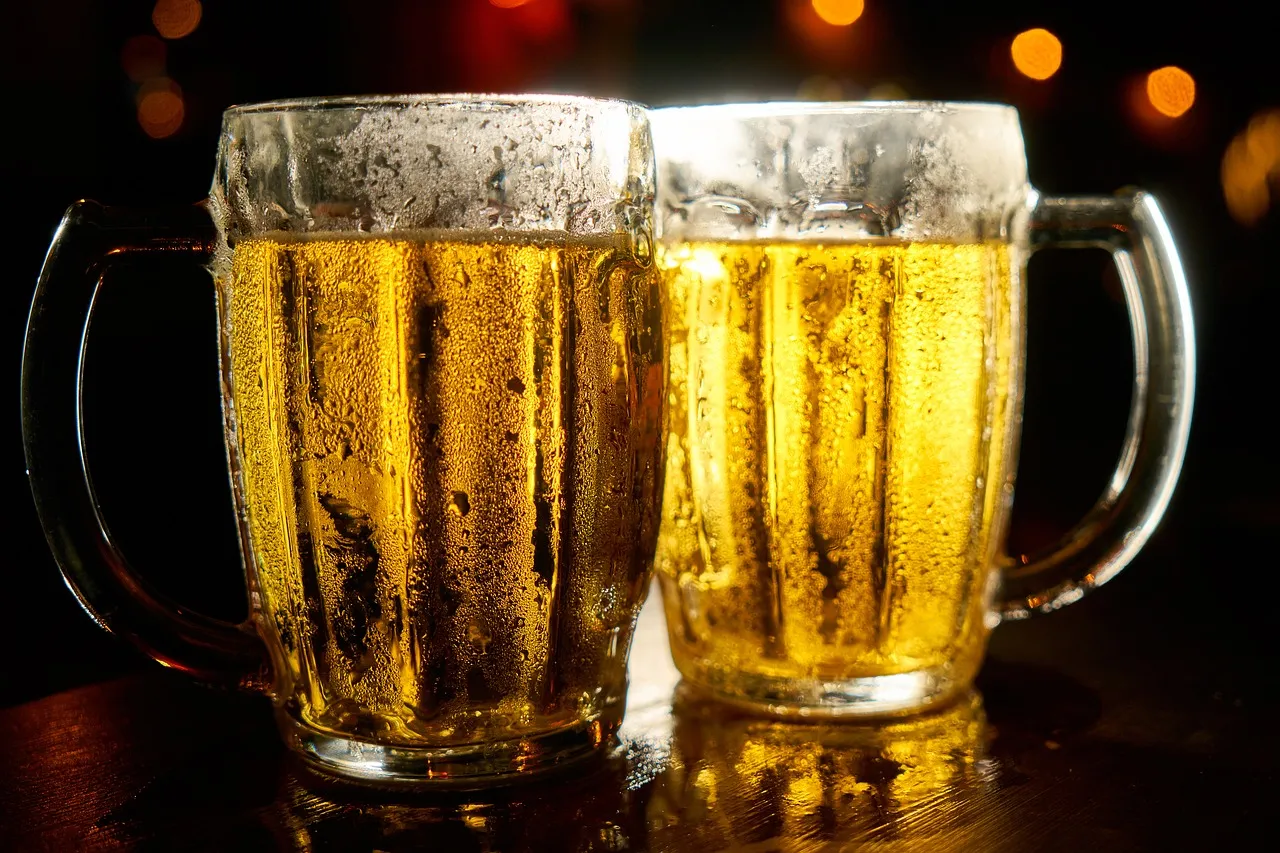
Image Journal articles Most consumers willing to pay more for sustainable beer According to a survey of US beer drinkers, 59% would be willing to pay more for beer that has been brewed using more sustainable processes, such as energy efficiency or carbon saving measures. On average, respondents were willing to pay $0.22 more per 12-ounce bottle than the price they already paid for their favourite beer ($1.69 per 12-ounce bottle). Read
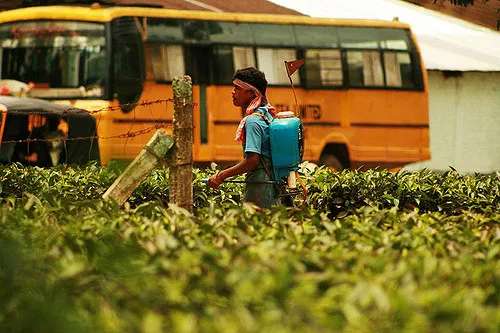
Image Journal articles Researchers call for organophosphate pesticide ban Researchers have called for governments to phase out organophosphate pesticides in agriculture, ban their non-agricultural uses, and take steps to reduce human exposure to organophosphates. The researchers’ argument is based on systematic reviews that link foetal organophosphate exposure to adverse effects on the development of children’s brain and nervous system. Read