Image Resources Our extensive research library contains thousands of summaries of journal articles, reports and news stories that can be searched by keyword and category RESOURCES CATEGORY Books Briefing paper Event recording Featured articles Featured report Game Journal articles News and resources Reports Think piece Video Working paper Workshop summary Year 2026 2025 2024 2023 2022 2021 2020 2019 2018 2017 2016 2015 2014 2013 2012 2011 2010 2009 2008 2007 2002 2001 Image News and resources “Mad cow disease” case confirmed on Scottish farm A case of bovine spongiform encephalopathy (BSE), also known as “mad cow disease”, has been confirmed on a farm in Aberdeenshire. The case was discovered before entering the human food chain, and Rural Affairs Minister Mairi Gougeon has said that all necessary measures have been taken to protect consumers. Read Image News and resources Commentaries: Does organic food cut cancer risk? Two commentary pieces question the findings of the study “Association of Frequency of Organic Food Consumption With Cancer Risk”, which claims that higher organic food consumption is associated with a lower risk of cancer. The pieces point out that only two cancer types showed a statistically significant reduction in risk, and that the reduction in cancer risk only appeared to hold true for older women, not men, younger adults or people with a high overall quality of diet. Read Image News and resources Video: Negative emissions technologies and sequestration A recording of the launch of the report “Negative Emissions Technologies and Reliable Sequestration: A Research Agenda” can be viewed here, hosted by the National Academies of Sciences, Engineering, and Medicine. The video is around one hour long and includes an overview of the report’s findings and a question-and-answer session. Read Image Books Narratives of hunger in international law The book “Narratives of Hunger in International Law: Feeding the World in Times of Climate Change”, by Anne Saab, explores two different views of hunger in the context of climate change (neoliberal vs. the food sovereignty movement) and how international law affects these narratives. Read Image Books Organic food and farming in China The book “Organic Food and Farming in China: Top-down and Bottom-up Ecological Initiatives”, by Steffanie Scott, Zhenzhong Si, Theresa Schumilas and Aijuan Chen, examines the development of the organic food sector in China and its influences from both the state and grassroots actors. Read Image Reports Influencing farmers' decision-making behaviour This report from the UK’s Agriculture and Horticulture Development Board reviews how the behaviour of farmers might be influenced so that the recommendations of researchers and policymakers can be implemented on farms. Read Image Reports The case for low-carbon transition in the food sector Government policies are not doing enough to support the transition to a lower-carbon foods sector, according to a report by the Changing Markets Foundation. Specifically, the report argues in favour of policies to shift the food system away from animal agriculture and towards plant-based foods. Read Image Reports Policy briefing: CAP - 11 ways to deliver for better health The European Public Health Alliance has published a policy briefing outlining 11 ways in which the European Union’s Common Agricultural Policy (CAP) could promote public health. Read Image Reports Brexit could cause an extra 5,600 deaths through diet change A hard Brexit, where the UK trades with other nations on the terms and tariffs set out by the World Trade Organisation after leaving the European Union, could cause an additional 5,600 deaths in the UK, mainly due to reduced consumption of fruits, vegetables and nuts, according to a working paper published by the Oxford Martin School. Read VIEW MORE
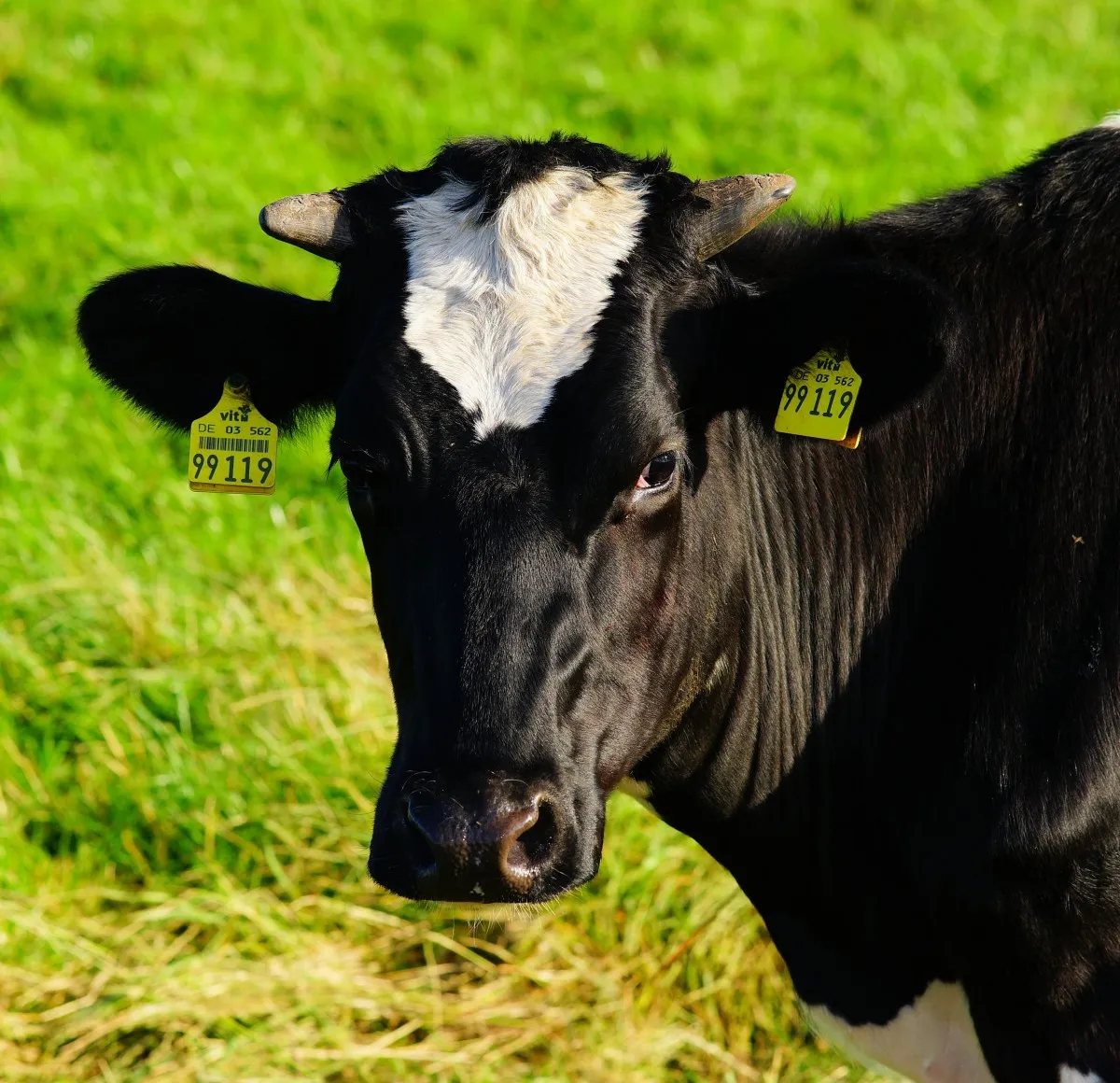
Image News and resources “Mad cow disease” case confirmed on Scottish farm A case of bovine spongiform encephalopathy (BSE), also known as “mad cow disease”, has been confirmed on a farm in Aberdeenshire. The case was discovered before entering the human food chain, and Rural Affairs Minister Mairi Gougeon has said that all necessary measures have been taken to protect consumers. Read
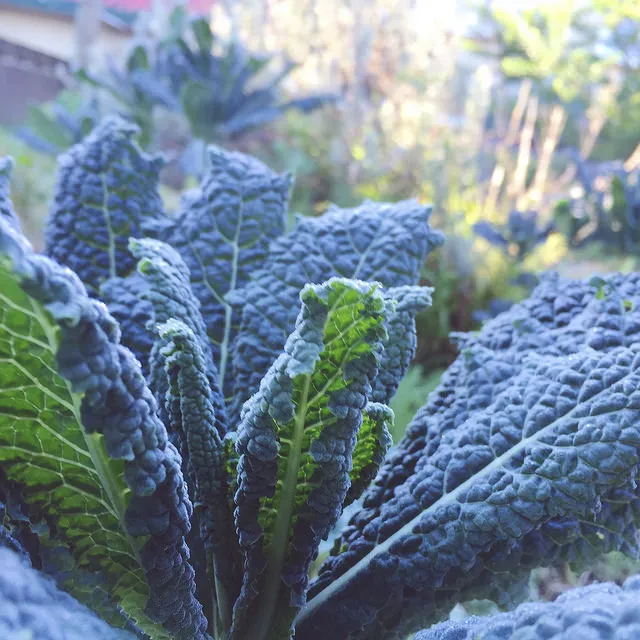
Image News and resources Commentaries: Does organic food cut cancer risk? Two commentary pieces question the findings of the study “Association of Frequency of Organic Food Consumption With Cancer Risk”, which claims that higher organic food consumption is associated with a lower risk of cancer. The pieces point out that only two cancer types showed a statistically significant reduction in risk, and that the reduction in cancer risk only appeared to hold true for older women, not men, younger adults or people with a high overall quality of diet. Read
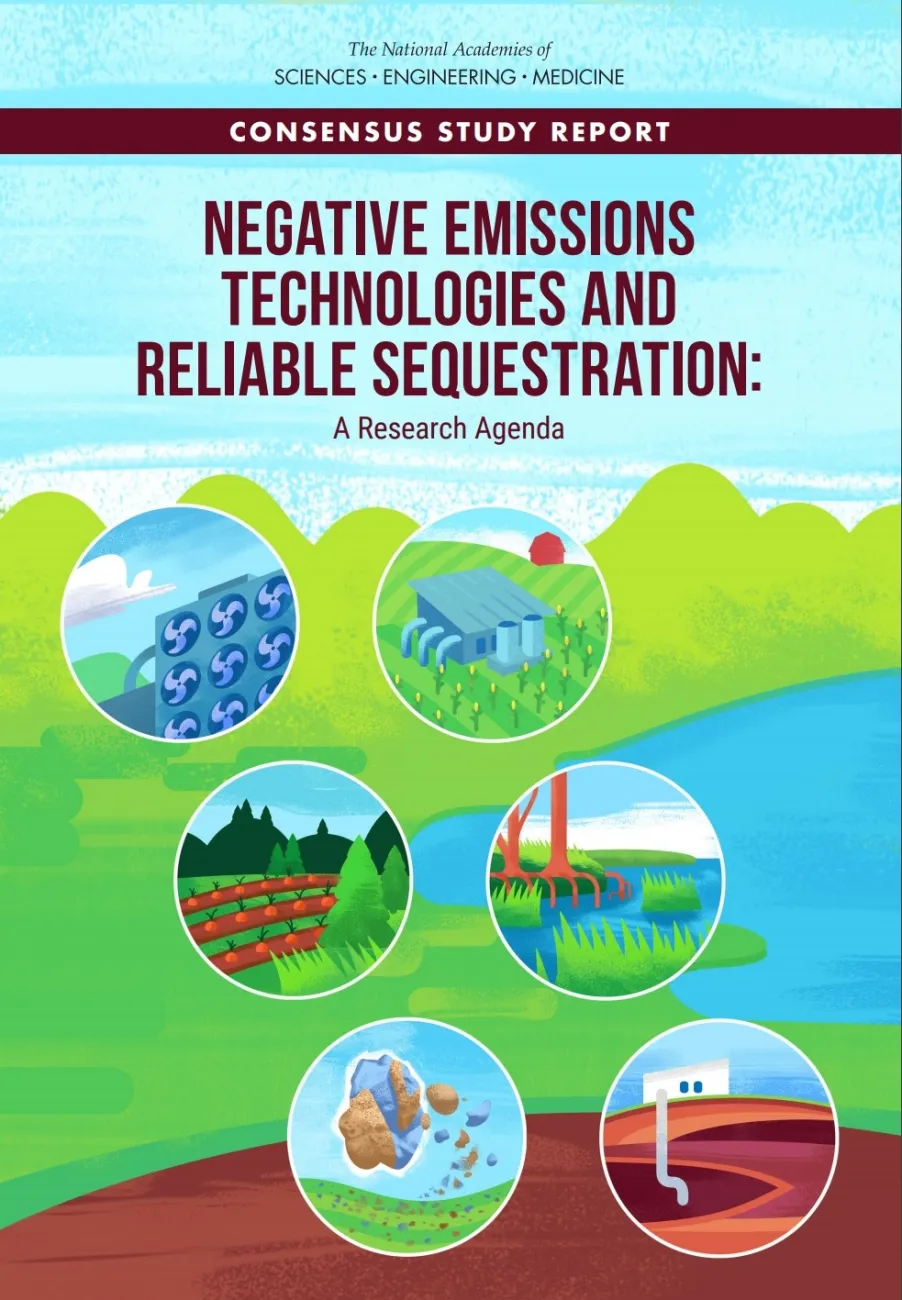
Image News and resources Video: Negative emissions technologies and sequestration A recording of the launch of the report “Negative Emissions Technologies and Reliable Sequestration: A Research Agenda” can be viewed here, hosted by the National Academies of Sciences, Engineering, and Medicine. The video is around one hour long and includes an overview of the report’s findings and a question-and-answer session. Read
Image Books Narratives of hunger in international law The book “Narratives of Hunger in International Law: Feeding the World in Times of Climate Change”, by Anne Saab, explores two different views of hunger in the context of climate change (neoliberal vs. the food sovereignty movement) and how international law affects these narratives. Read
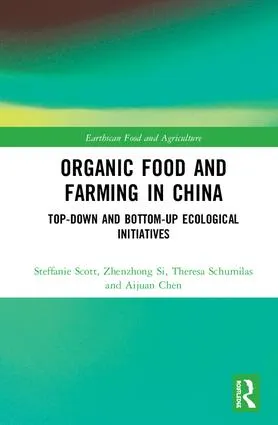
Image Books Organic food and farming in China The book “Organic Food and Farming in China: Top-down and Bottom-up Ecological Initiatives”, by Steffanie Scott, Zhenzhong Si, Theresa Schumilas and Aijuan Chen, examines the development of the organic food sector in China and its influences from both the state and grassroots actors. Read
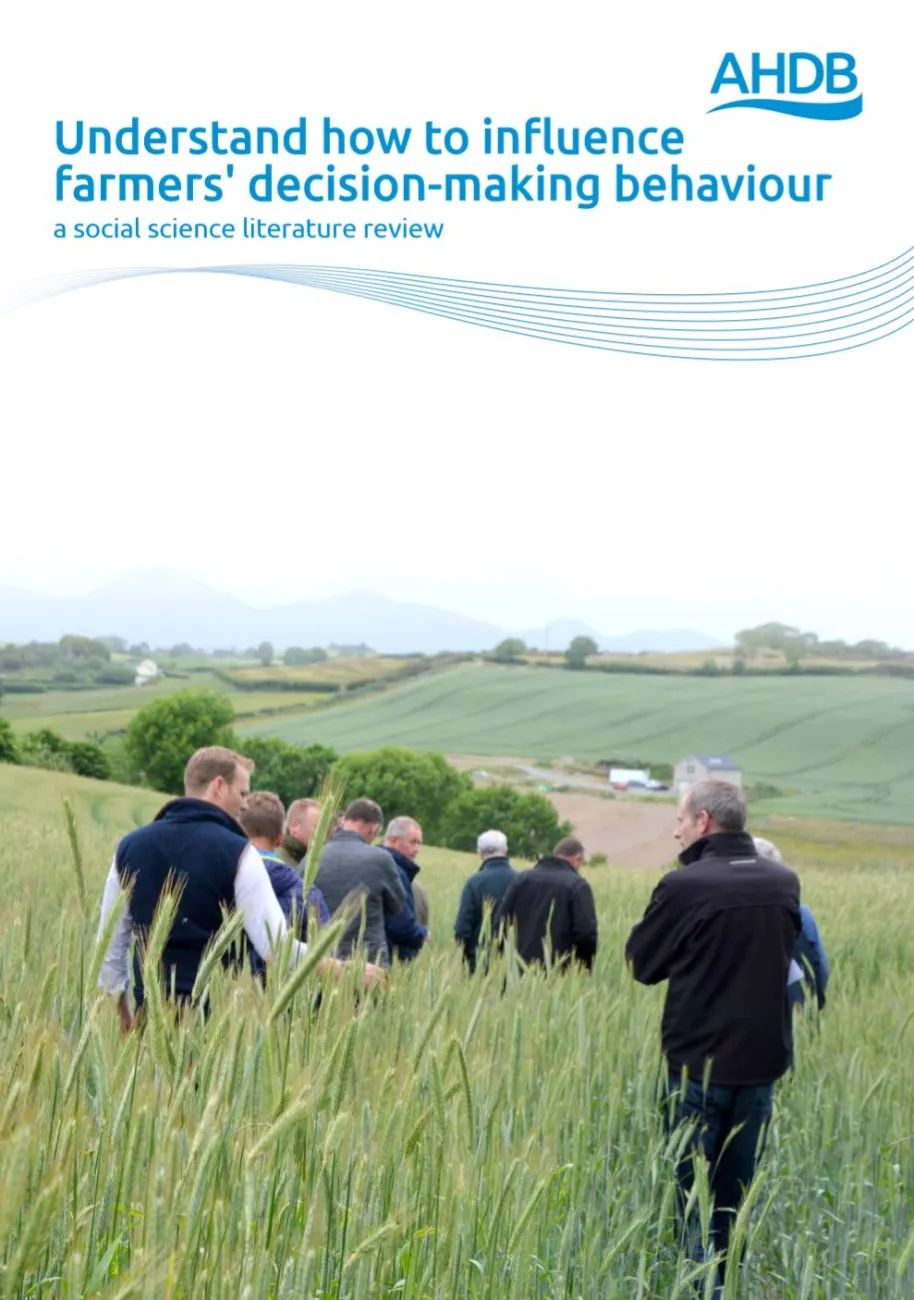
Image Reports Influencing farmers' decision-making behaviour This report from the UK’s Agriculture and Horticulture Development Board reviews how the behaviour of farmers might be influenced so that the recommendations of researchers and policymakers can be implemented on farms. Read
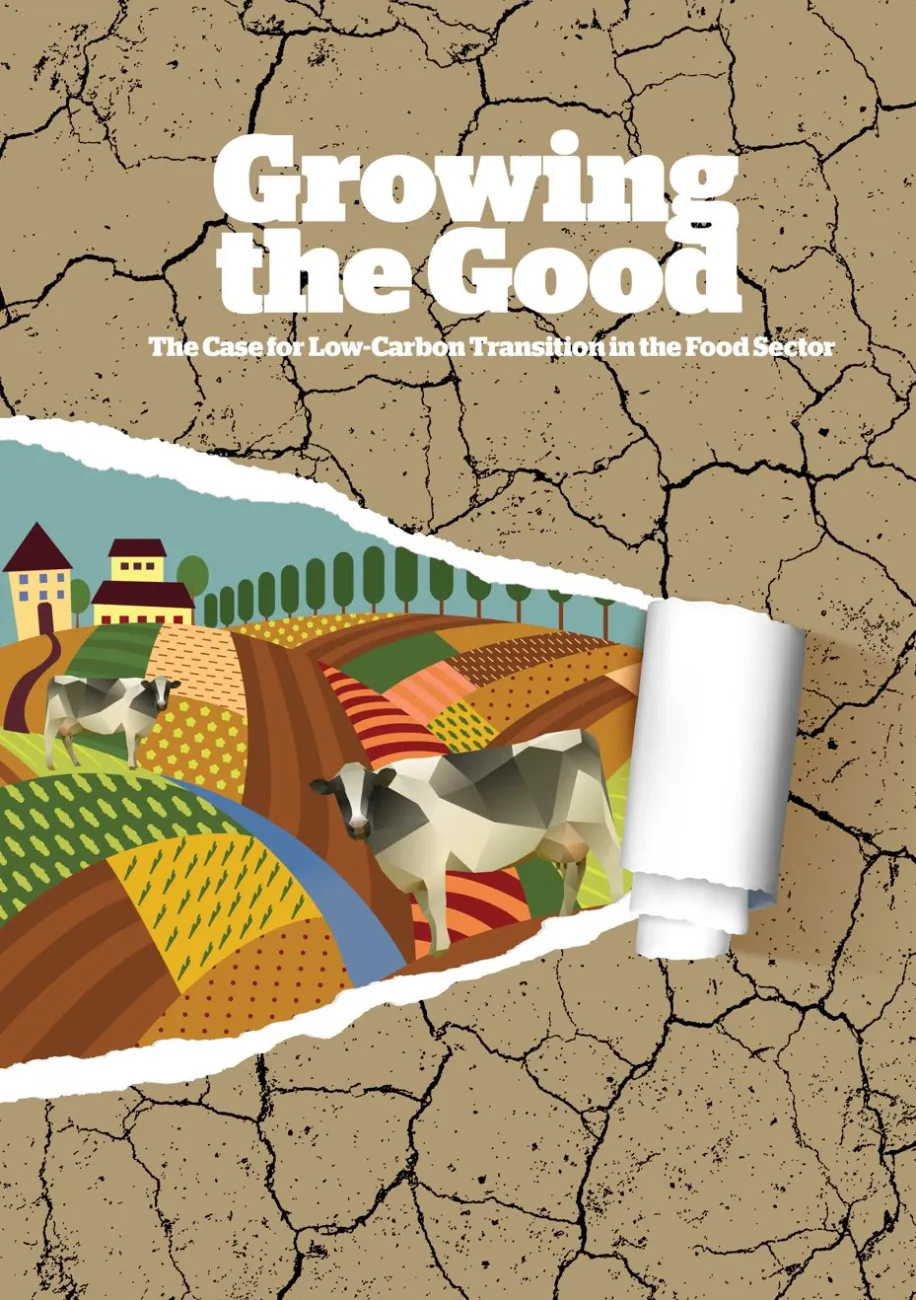
Image Reports The case for low-carbon transition in the food sector Government policies are not doing enough to support the transition to a lower-carbon foods sector, according to a report by the Changing Markets Foundation. Specifically, the report argues in favour of policies to shift the food system away from animal agriculture and towards plant-based foods. Read
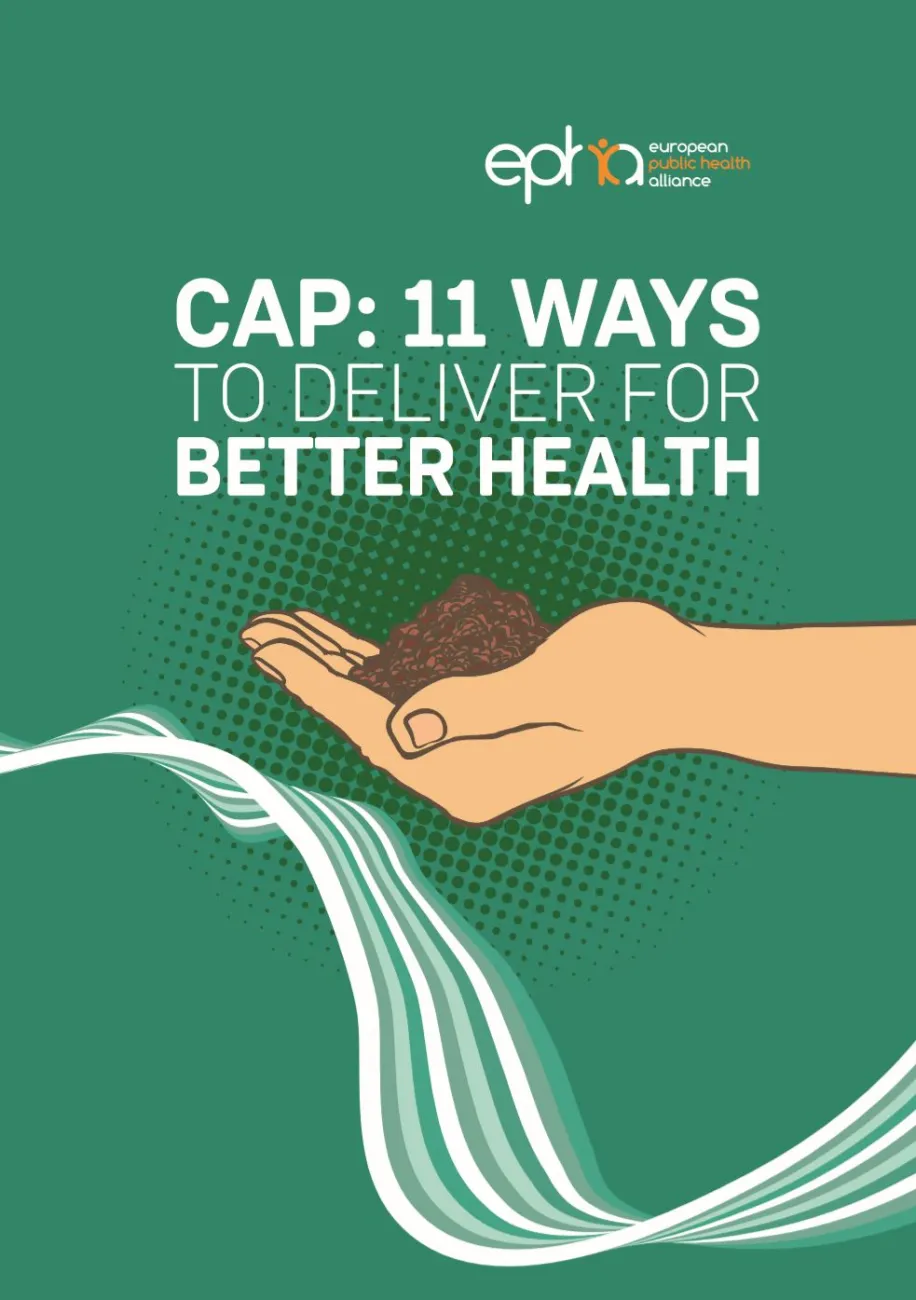
Image Reports Policy briefing: CAP - 11 ways to deliver for better health The European Public Health Alliance has published a policy briefing outlining 11 ways in which the European Union’s Common Agricultural Policy (CAP) could promote public health. Read
Image Reports Brexit could cause an extra 5,600 deaths through diet change A hard Brexit, where the UK trades with other nations on the terms and tariffs set out by the World Trade Organisation after leaving the European Union, could cause an additional 5,600 deaths in the UK, mainly due to reduced consumption of fruits, vegetables and nuts, according to a working paper published by the Oxford Martin School. Read