Image Resources Our extensive research library contains thousands of summaries of journal articles, reports and news stories that can be searched by keyword and category RESOURCES CATEGORY Books Briefing paper Event recording Featured articles Featured report Game Journal articles News and resources Reports Think piece Video Working paper Workshop summary Year 2026 2025 2024 2023 2022 2021 2020 2019 2018 2017 2016 2015 2014 2013 2012 2011 2010 2009 2008 2007 2002 2001 Image News and resources God’s Lone Country: Film about low income rural Britain This film from the RSA Food, Farming & Countryside Commission explores issues in low income rural Britain. Interviewees include a farmer who has considered using a food bank, a student nurse who waited many years to be able to afford a house in her home village, and a cook who lives in a rural estate with poor access to services such as public transport. Read Image News and resources Podcast: Shrinking agriculture's footprint This podcast, “Shrinking agriculture's footprint”, is part of the Breakthrough Dialogues series from California-based environmental research centre The Breakthrough Institute. The episode explores which farming practices are most sustainable and discusses land sharing versus land sparing. Read Image Books Civilization Critical: Energy, food, nature, and the future This book by Darrin Qualman argues that, to avoid the collapse of civilisation, the global economy must reshape its material and energy flows away from linear, extractive patterns towards a circular model. The book includes a chapter on food production. Read Image Reports What young people say about food This report from the UK think tank Food Foundation summarises workshops held with over 300 schoolchildren from across the UK to discuss their understanding of and experiences with food insecurity and food poverty. Read Image Reports European e-waste poisons Africa’s food chain Free-range eggs in the Agbogbloshie slum in Ghana are contaminated with some of the highest levels ever measured (in eggs) of certain toxic substances due to the illegal dumping of electronic waste from Europe, according to this report from Swedish non-profit IPEN and US non-profit Basel Action Network. Read Image Reports Cutting the climate impact of land use This report from the UK think tank Green Alliance sets out how the UK could bring its land use emissions to net zero. The actions proposed include ecosystem restoration, planting new areas of woodland, capturing carbon in soils, and reducing demand for meat and dairy. Read Image Journal articles Recycling phosphorus to increase agricultural independence This paper maps the potential for different subnational, national, or regional areas to reduce their agricultural dependence on imported phosphorus fertiliser by recycling manure or urban waste (including both human excreta and household and industrial wastes). Read Image Journal articles Red meat and alcohol linked to higher colorectal cancer risk This paper reviews data from the UK Biobank study and finds that higher consumption of red meat and alcohol are associated with a higher risk of colorectal (bowel) cancer, while higher consumption of fibre from bread or breakfast cereals is associated with a lower risk. Read Image Journal articles Possibilities for engineered insect tissue as a food source This paper explores the possibility of producing food by growing insect cells in the laboratory using cell culture techniques. It suggests that it may be easier to overcome certain technical challenges to cell culture by using insect cells rather than (say) beef, pork or chicken cells. Read VIEW MORE
Image News and resources God’s Lone Country: Film about low income rural Britain This film from the RSA Food, Farming & Countryside Commission explores issues in low income rural Britain. Interviewees include a farmer who has considered using a food bank, a student nurse who waited many years to be able to afford a house in her home village, and a cook who lives in a rural estate with poor access to services such as public transport. Read
Image News and resources Podcast: Shrinking agriculture's footprint This podcast, “Shrinking agriculture's footprint”, is part of the Breakthrough Dialogues series from California-based environmental research centre The Breakthrough Institute. The episode explores which farming practices are most sustainable and discusses land sharing versus land sparing. Read
Image Books Civilization Critical: Energy, food, nature, and the future This book by Darrin Qualman argues that, to avoid the collapse of civilisation, the global economy must reshape its material and energy flows away from linear, extractive patterns towards a circular model. The book includes a chapter on food production. Read
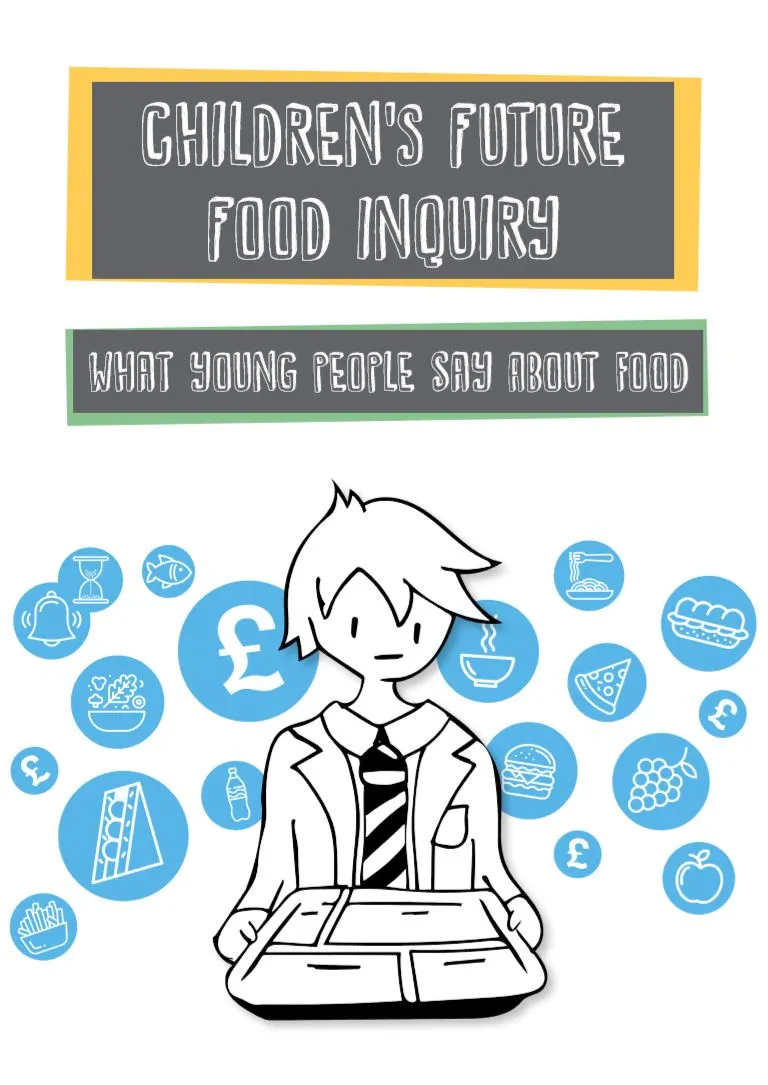
Image Reports What young people say about food This report from the UK think tank Food Foundation summarises workshops held with over 300 schoolchildren from across the UK to discuss their understanding of and experiences with food insecurity and food poverty. Read
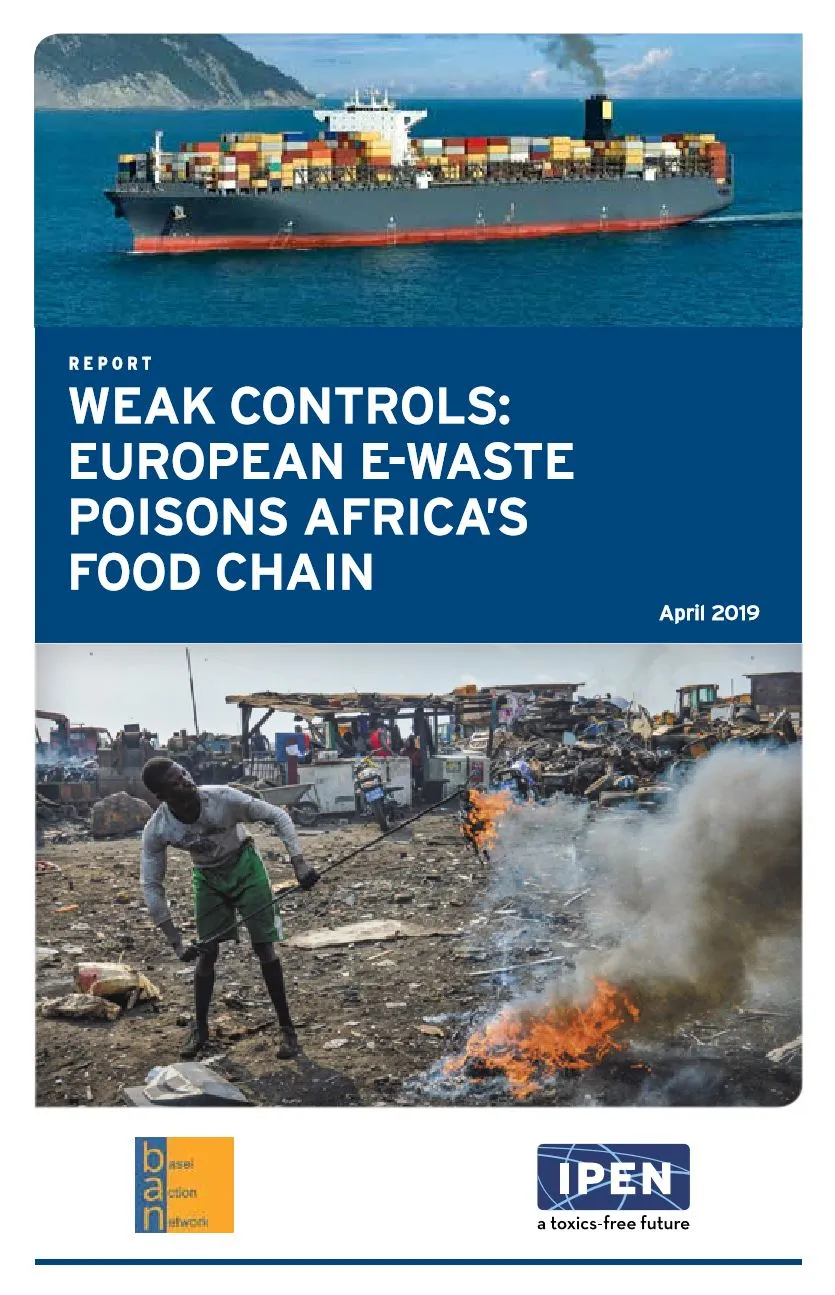
Image Reports European e-waste poisons Africa’s food chain Free-range eggs in the Agbogbloshie slum in Ghana are contaminated with some of the highest levels ever measured (in eggs) of certain toxic substances due to the illegal dumping of electronic waste from Europe, according to this report from Swedish non-profit IPEN and US non-profit Basel Action Network. Read
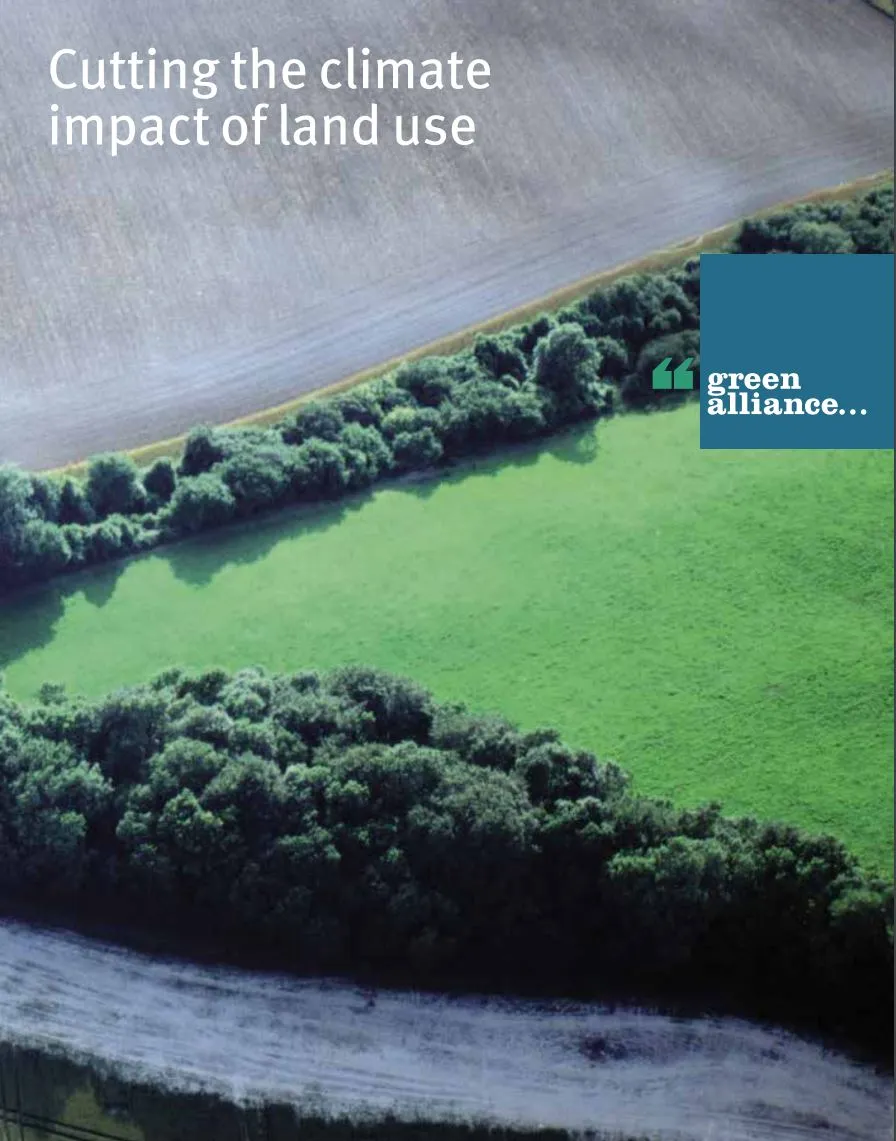
Image Reports Cutting the climate impact of land use This report from the UK think tank Green Alliance sets out how the UK could bring its land use emissions to net zero. The actions proposed include ecosystem restoration, planting new areas of woodland, capturing carbon in soils, and reducing demand for meat and dairy. Read
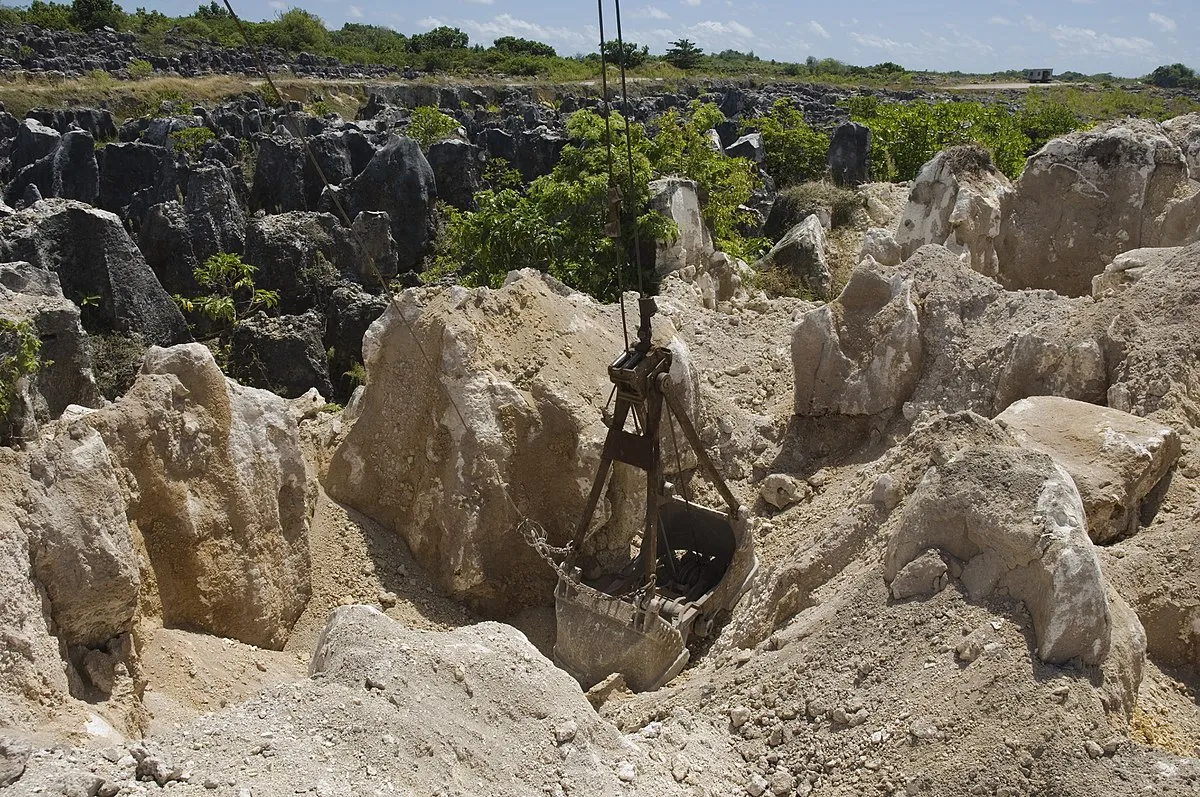
Image Journal articles Recycling phosphorus to increase agricultural independence This paper maps the potential for different subnational, national, or regional areas to reduce their agricultural dependence on imported phosphorus fertiliser by recycling manure or urban waste (including both human excreta and household and industrial wastes). Read
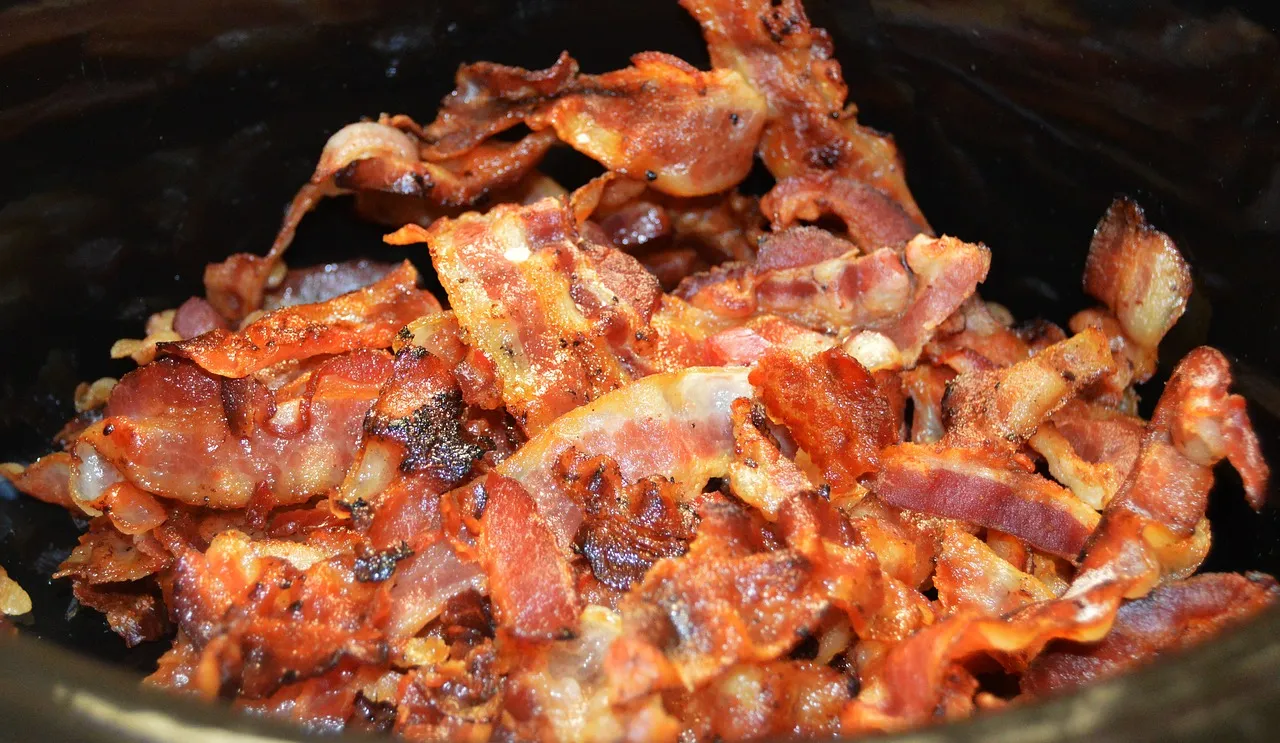
Image Journal articles Red meat and alcohol linked to higher colorectal cancer risk This paper reviews data from the UK Biobank study and finds that higher consumption of red meat and alcohol are associated with a higher risk of colorectal (bowel) cancer, while higher consumption of fibre from bread or breakfast cereals is associated with a lower risk. Read
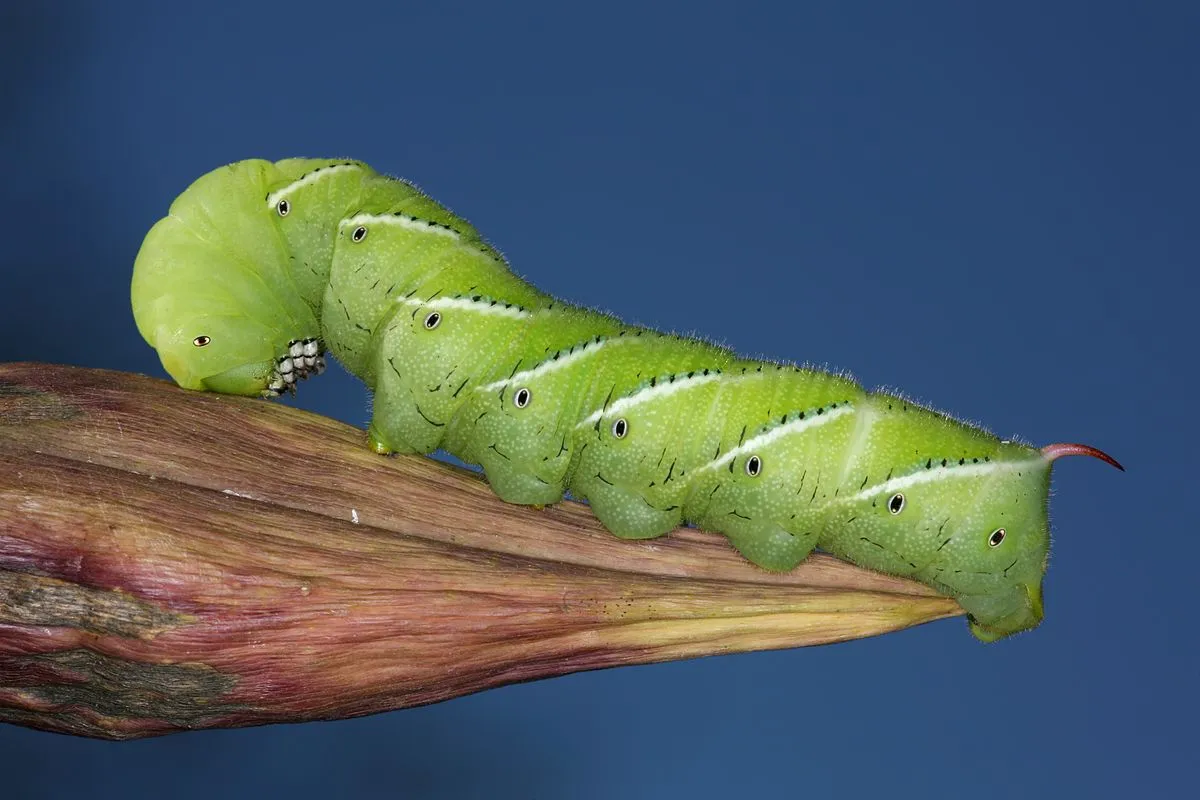
Image Journal articles Possibilities for engineered insect tissue as a food source This paper explores the possibility of producing food by growing insect cells in the laboratory using cell culture techniques. It suggests that it may be easier to overcome certain technical challenges to cell culture by using insect cells rather than (say) beef, pork or chicken cells. Read