Image Resources Our extensive research library contains thousands of summaries of journal articles, reports and news stories that can be searched by keyword and category RESOURCES CATEGORY Books Briefing paper Event recording Featured articles Featured report Game Journal articles News and resources Reports Think piece Video Working paper Workshop summary Year 2026 2025 2024 2023 2022 2021 2020 2019 2018 2017 2016 2015 2014 2013 2012 2011 2010 2009 2008 2007 2002 2001 Image Journal articles Zero deforestation soy neglects Brazilian Cerrado In this paper, FCRN member Erasmus zu Ermgassen finds that voluntary zero deforestation commitments (ZDCs) cover more than 90% of the soy exported from the Brazilian Amazon, but only 47% of soy exported from the Brazilian Cerrado biome (a type of wooded savannah). Read Image News and resources How ultra-processed food took over your shopping basket This article in the Guardian, by food writer Bee Wilson, author of The Way We Eat Now, describes the debate around so-called ultra-processed foods. Wilson describes the classification system for processed foods developed by researcher Carlos Monteiro and the research being done on the health impacts of ultra-processed foods. Read Image News and resources Blog: What policymakers do next on agriculture matters This blog post by Shefali Sharma of the Institute for Agriculture & Trade Policy says that agriculture and the people whose livelihoods depend on it must be core considerations in international climate negotiations. Sharma argues that proposed solutions such as bioenergy with carbon capture and storage (BECCS) and carbon credits simply allow existing industries to continue increasing their emissions. Read Image News and resources Guidance: Enabling a Natural Capital Approach, UK The UK government’s Department for Environment, Food & Rural Affairs (DEFRA) has published a set of resources on “enabling a natural capital approach” (ENCA) to guide policymakers and decisionmakers. Read Image News and resources LEAP controversies series: meat, dairy, emissions and health The University of Oxford’s Livestock, Environment and People project has published a new series of blog posts exploring controversies in the food system. The series aims to explore and clarify areas where evidence is unclear. Read Image Books Finance or food? Land use negotiations This book explores the many factors influencing how land use decisions are made, including culture, values, ethics, trade, governance and pressure on farmland. Read Image Books The food-energy-water nexus This textbook uses case studies and models to present an interdisciplinary perspective on the interactions between food, energy and water. Read Image Reports Indonesia’s triple burden of malnutrition This report from Sustainable Diets for All (a programme by Hivos and the International Institute for Environment and Development) documents a food diaries project in East Java that aimed to address the triple burden of malnutrition: co-existing undernutrition, overweight and micronutrient deficiencies. Read Image Reports Eat Them to Defeat Them campaign evaluation This report assesses the impact of the UK non-profit Veg Power’s “Eat them to defeat them” advertising campaign, which aimed to persuade children to eat more vegetables. Children who had seen the advertising campaign were more likely to agree with statements such as “Eating vegetables is fun”, “I like vegetables” and “Vegetables can be really tasty” than those who did not see the adverts. An estimated 650,000 children ate more vegetables as a result of the campaign. Read VIEW MORE
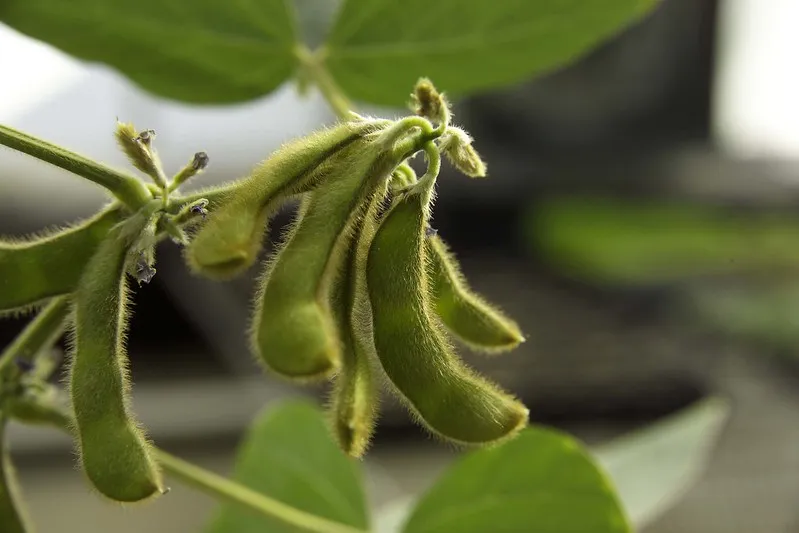
Image Journal articles Zero deforestation soy neglects Brazilian Cerrado In this paper, FCRN member Erasmus zu Ermgassen finds that voluntary zero deforestation commitments (ZDCs) cover more than 90% of the soy exported from the Brazilian Amazon, but only 47% of soy exported from the Brazilian Cerrado biome (a type of wooded savannah). Read
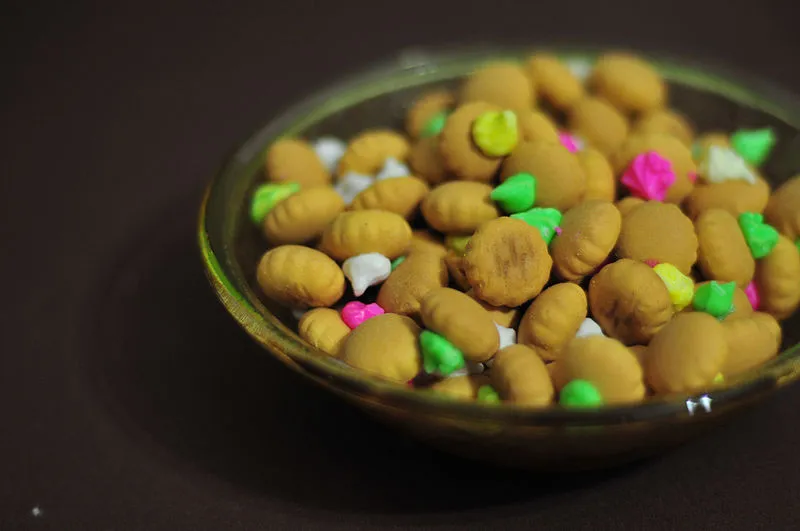
Image News and resources How ultra-processed food took over your shopping basket This article in the Guardian, by food writer Bee Wilson, author of The Way We Eat Now, describes the debate around so-called ultra-processed foods. Wilson describes the classification system for processed foods developed by researcher Carlos Monteiro and the research being done on the health impacts of ultra-processed foods. Read
Image News and resources Blog: What policymakers do next on agriculture matters This blog post by Shefali Sharma of the Institute for Agriculture & Trade Policy says that agriculture and the people whose livelihoods depend on it must be core considerations in international climate negotiations. Sharma argues that proposed solutions such as bioenergy with carbon capture and storage (BECCS) and carbon credits simply allow existing industries to continue increasing their emissions. Read
Image News and resources Guidance: Enabling a Natural Capital Approach, UK The UK government’s Department for Environment, Food & Rural Affairs (DEFRA) has published a set of resources on “enabling a natural capital approach” (ENCA) to guide policymakers and decisionmakers. Read
Image News and resources LEAP controversies series: meat, dairy, emissions and health The University of Oxford’s Livestock, Environment and People project has published a new series of blog posts exploring controversies in the food system. The series aims to explore and clarify areas where evidence is unclear. Read
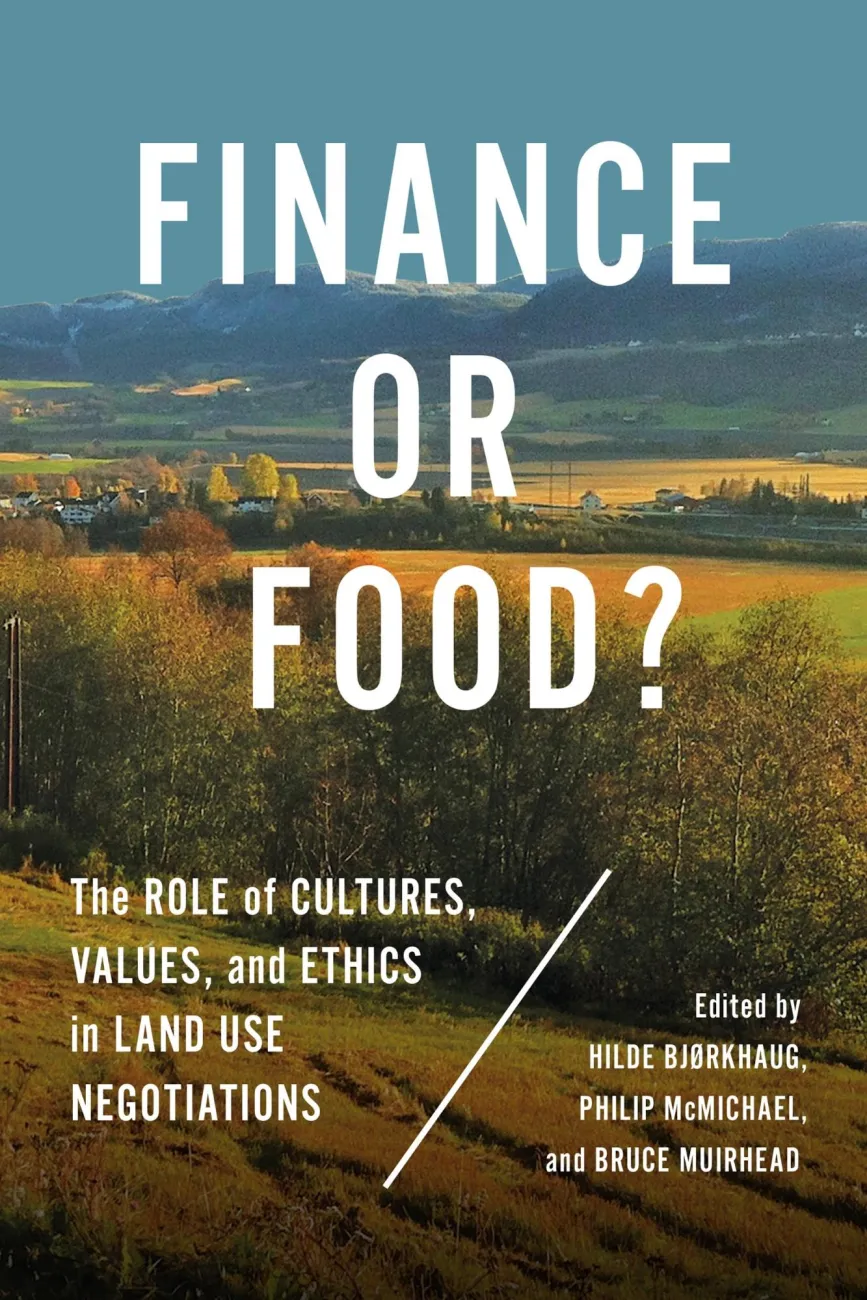
Image Books Finance or food? Land use negotiations This book explores the many factors influencing how land use decisions are made, including culture, values, ethics, trade, governance and pressure on farmland. Read
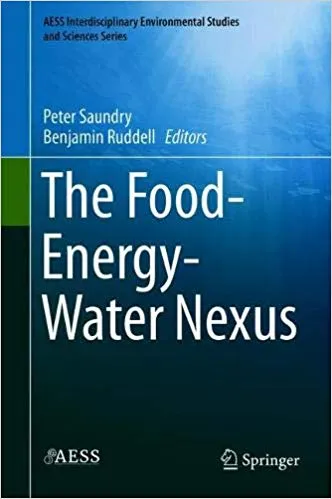
Image Books The food-energy-water nexus This textbook uses case studies and models to present an interdisciplinary perspective on the interactions between food, energy and water. Read
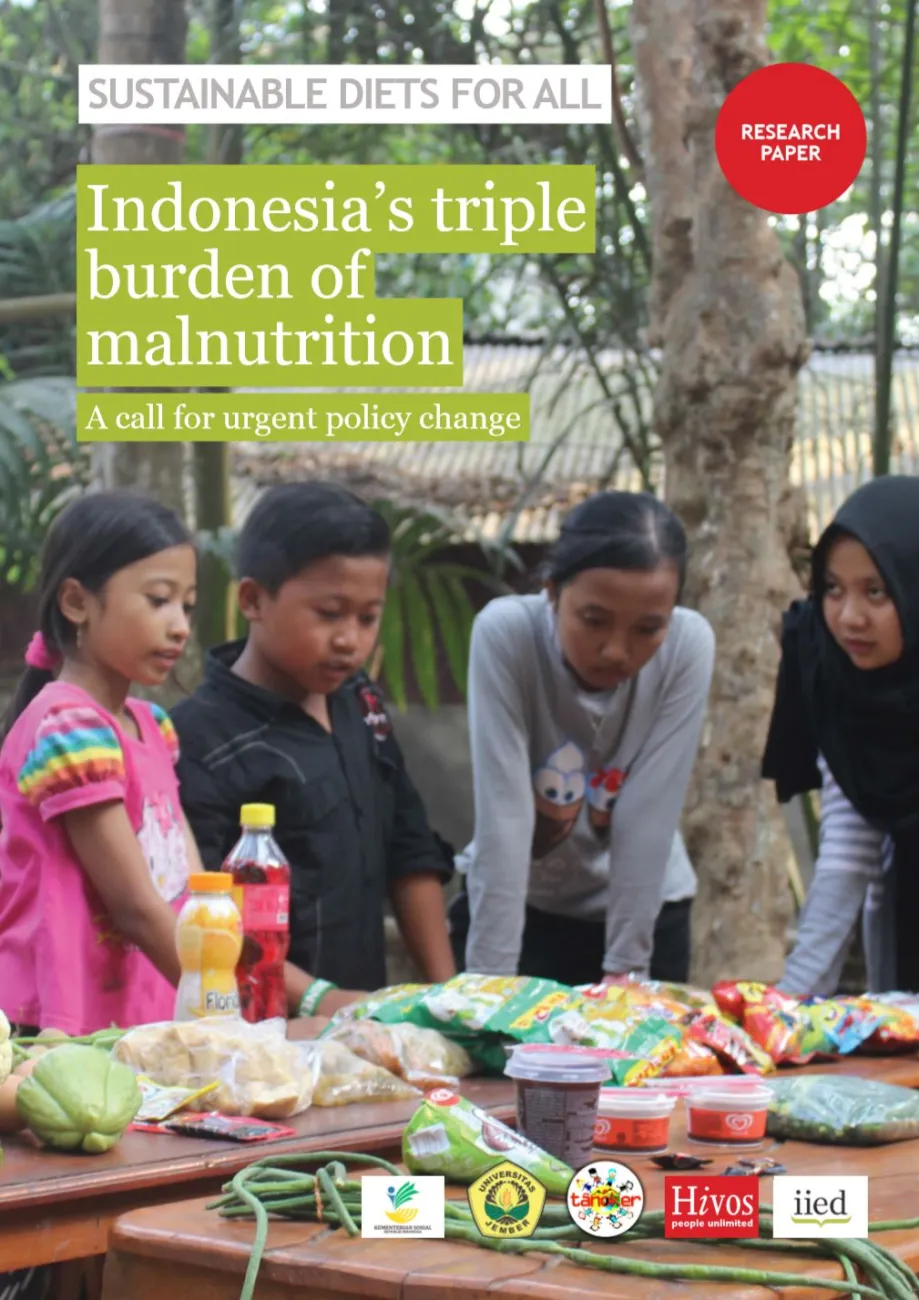
Image Reports Indonesia’s triple burden of malnutrition This report from Sustainable Diets for All (a programme by Hivos and the International Institute for Environment and Development) documents a food diaries project in East Java that aimed to address the triple burden of malnutrition: co-existing undernutrition, overweight and micronutrient deficiencies. Read
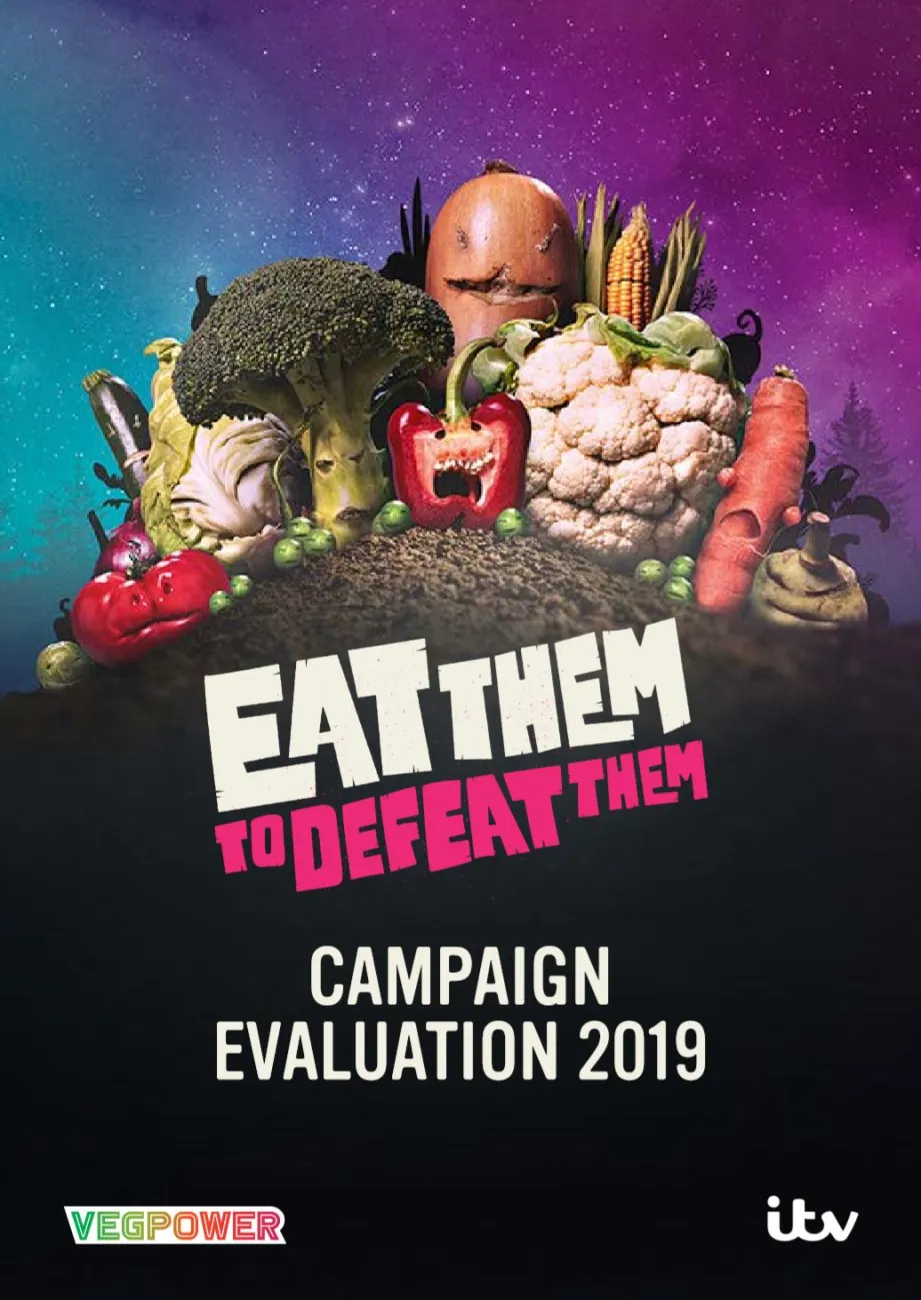
Image Reports Eat Them to Defeat Them campaign evaluation This report assesses the impact of the UK non-profit Veg Power’s “Eat them to defeat them” advertising campaign, which aimed to persuade children to eat more vegetables. Children who had seen the advertising campaign were more likely to agree with statements such as “Eating vegetables is fun”, “I like vegetables” and “Vegetables can be really tasty” than those who did not see the adverts. An estimated 650,000 children ate more vegetables as a result of the campaign. Read