Image Resources Our extensive research library contains thousands of summaries of journal articles, reports and news stories that can be searched by keyword and category RESOURCES CATEGORY Books Briefing paper Event recording Featured articles Featured report Game Journal articles News and resources Reports Think piece Video Working paper Workshop summary Year 2026 2025 2024 2023 2022 2021 2020 2019 2018 2017 2016 2015 2014 2013 2012 2011 2010 2009 2008 2007 2002 2001 Image Reports WRAP: Compostable plastic packaging guidance UK waste charity WRAP has published guidance on compostable plastic packaging, aimed at retailers and manufacturers. The guidance covers what compostable plastics are, how they might contaminate conventional plastic recycling processes, how to label them appropriately to help people dispose of them, and six applications where compostable plastic packaging is likely to be beneficial within the UK’s current waste management infrastructure. Read Image Journal articles Letter: The contribution of methane to warming FCRN member ffinlo Costain has published a response to the paper Climate change: ‘no get out of jail free card’ (summarised on the FCRN website here). Costain argues that biological methane emissions - such as those from grazing livestock - can be “warming neutral” as long as they fall by 10% by 2050. Citing Oxford climate scientist Myles Allen, Costain argues that sharply cutting ruminant numbers would only deliver a warming reduction of 0.1ºC at most, which would be outweighed within a few years by continuing carbon dioxide emissions. Read Image Featured articles The Blue Acceleration: Human expansion into the ocean This review paper examines how people are increasingly using the ocean - even previously inaccessible areas - for seafood, animal feed, nutraceuticals (such as omega-3 fatty acids), fuels and minerals, shipping, waste disposal and many other purposes. It argues that the view of the ocean as being too big to be affected by humans is now outdated, and that effective governance is required to manage the ocean’s ecological health while allowing sustainable use of its resources. Read Image News and resources Big, not broken: American farmers as environmental stewards This blog post, by Caroline Grunewald and Dan Blaustein-Rejto of the Breakthrough Institute (a US think tank), argues that the large scale of much American farming does not mean it is necessarily unsustainable - rather, when looking at the intensity of greenhouse gas emissions, land use and water use per unit of output, dramatic improvements have been seen since 1961. Read Image News and resources SHARE IT: An online toolkit for food sharing initiatives The SHARECITY project, based at Trinity College Dublin, has launched SHARE IT, a free toolkit to help food sharing initiatives worldwide document and communicate the impact of their activities on the sustainability of food systems. Read Image Books Sustainable agricultural development: an economic perspective This book sets out an accessible framework for understanding the role of agriculture in sustainable development, focusing on agriculture as a complex system with many tradeoffs and synergies. Read Image Books The immigrant-food nexus in North America This book uses a range of case studies to explore how food and immigration influence each other in North America, focusing on borders (e.g. geopolitical or cultural), labour and identities (including changing diets). Read Image Books Food supply chains in cities: circularity and sustainability This book outlines the latest information on how food supply chains in cities can be managed sustainably, focusing on circular economy models. Read Image Reports A vision of a sustainable European dairy sector Dairy company Arla has commissioned this report by the Institute for European Environmental Policy, which sets out a vision for how the European dairy sector can become more sustainable in the future, balancing environmental, economic and social considerations. Read VIEW MORE
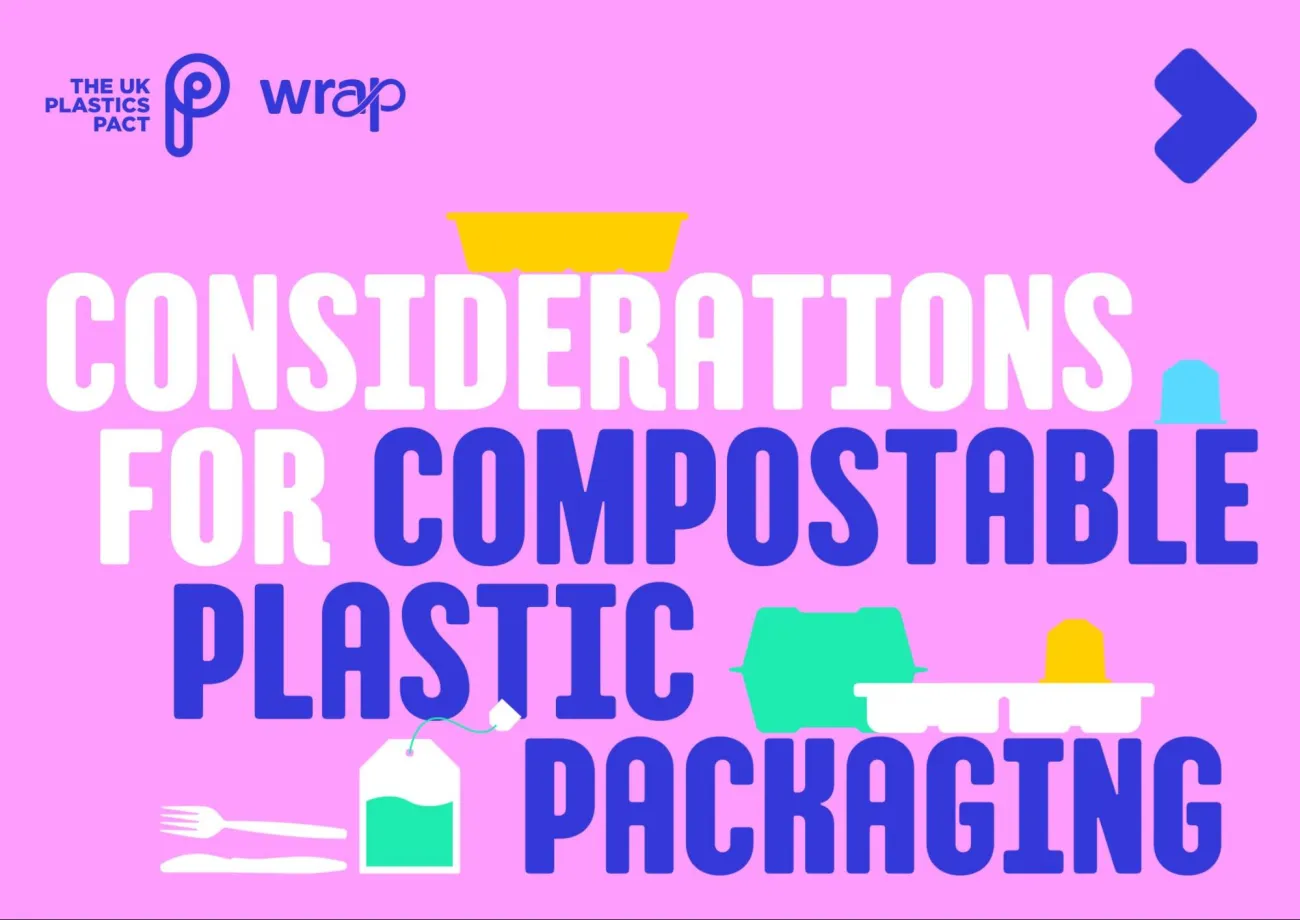
Image Reports WRAP: Compostable plastic packaging guidance UK waste charity WRAP has published guidance on compostable plastic packaging, aimed at retailers and manufacturers. The guidance covers what compostable plastics are, how they might contaminate conventional plastic recycling processes, how to label them appropriately to help people dispose of them, and six applications where compostable plastic packaging is likely to be beneficial within the UK’s current waste management infrastructure. Read
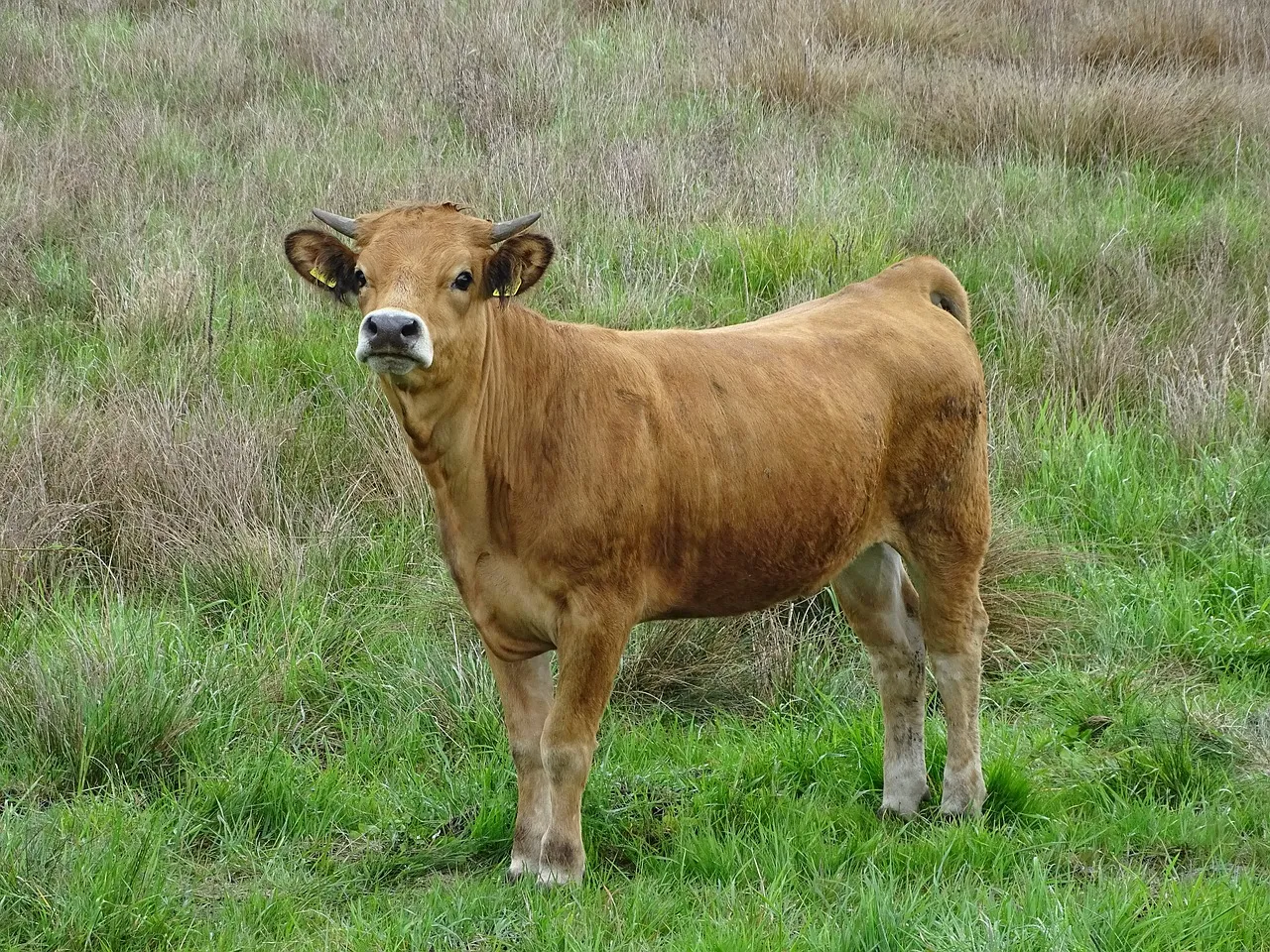
Image Journal articles Letter: The contribution of methane to warming FCRN member ffinlo Costain has published a response to the paper Climate change: ‘no get out of jail free card’ (summarised on the FCRN website here). Costain argues that biological methane emissions - such as those from grazing livestock - can be “warming neutral” as long as they fall by 10% by 2050. Citing Oxford climate scientist Myles Allen, Costain argues that sharply cutting ruminant numbers would only deliver a warming reduction of 0.1ºC at most, which would be outweighed within a few years by continuing carbon dioxide emissions. Read
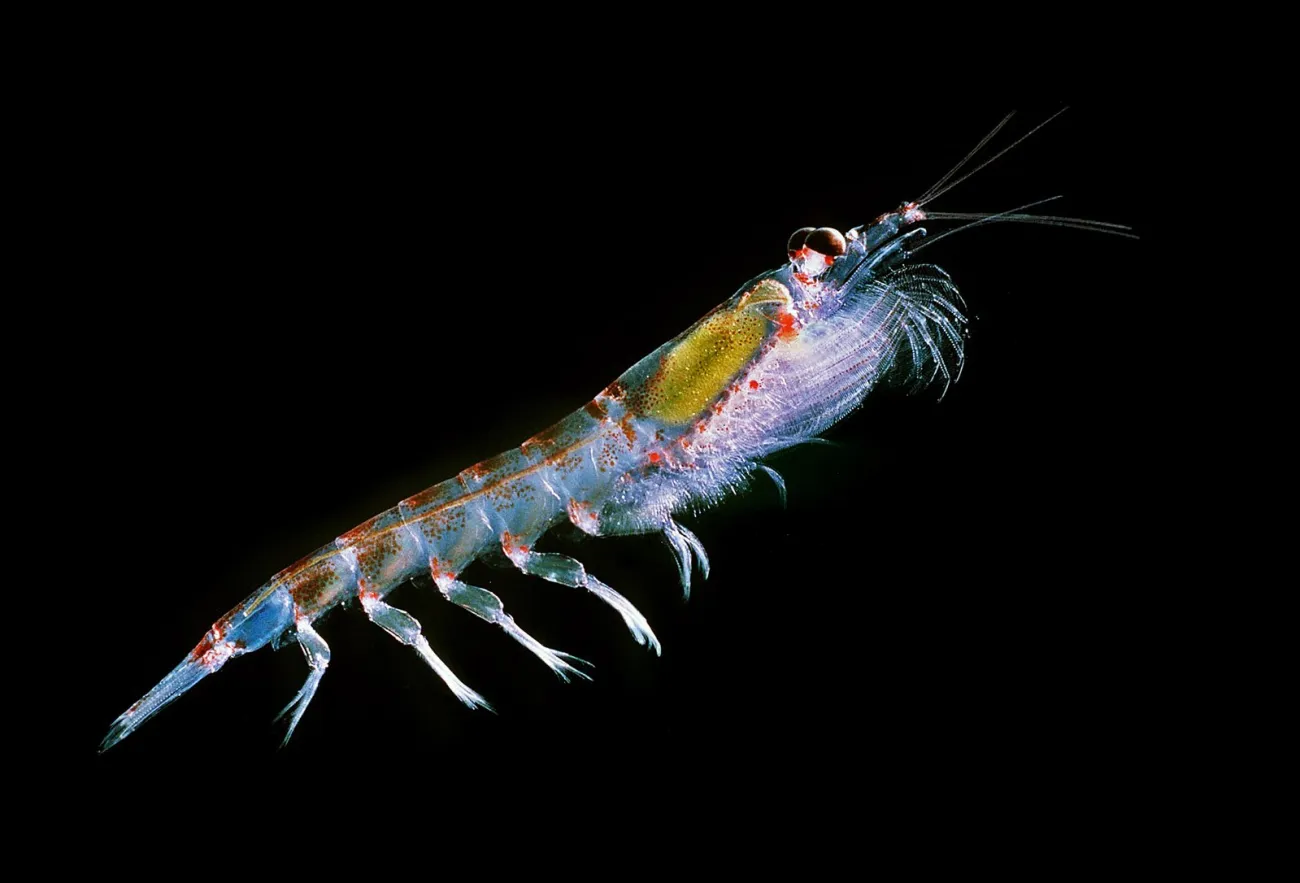
Image Featured articles The Blue Acceleration: Human expansion into the ocean This review paper examines how people are increasingly using the ocean - even previously inaccessible areas - for seafood, animal feed, nutraceuticals (such as omega-3 fatty acids), fuels and minerals, shipping, waste disposal and many other purposes. It argues that the view of the ocean as being too big to be affected by humans is now outdated, and that effective governance is required to manage the ocean’s ecological health while allowing sustainable use of its resources. Read
Image News and resources Big, not broken: American farmers as environmental stewards This blog post, by Caroline Grunewald and Dan Blaustein-Rejto of the Breakthrough Institute (a US think tank), argues that the large scale of much American farming does not mean it is necessarily unsustainable - rather, when looking at the intensity of greenhouse gas emissions, land use and water use per unit of output, dramatic improvements have been seen since 1961. Read
Image News and resources SHARE IT: An online toolkit for food sharing initiatives The SHARECITY project, based at Trinity College Dublin, has launched SHARE IT, a free toolkit to help food sharing initiatives worldwide document and communicate the impact of their activities on the sustainability of food systems. Read
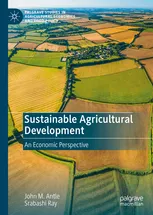
Image Books Sustainable agricultural development: an economic perspective This book sets out an accessible framework for understanding the role of agriculture in sustainable development, focusing on agriculture as a complex system with many tradeoffs and synergies. Read
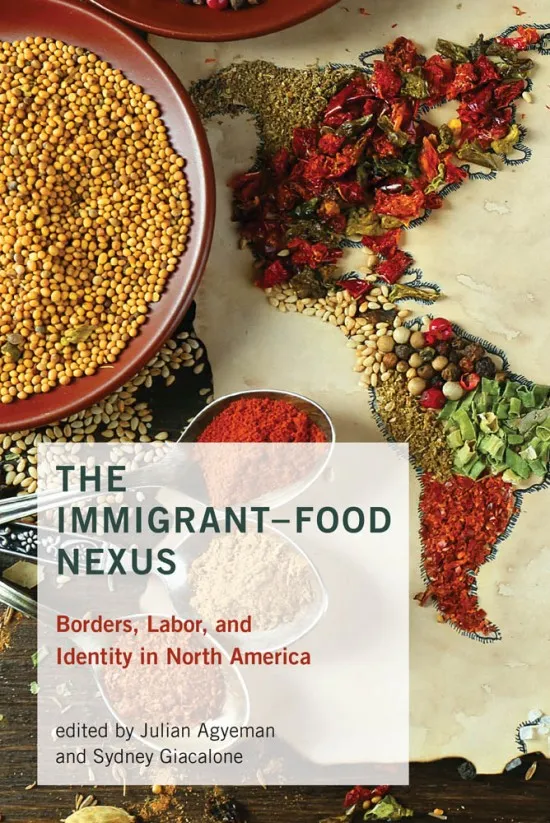
Image Books The immigrant-food nexus in North America This book uses a range of case studies to explore how food and immigration influence each other in North America, focusing on borders (e.g. geopolitical or cultural), labour and identities (including changing diets). Read
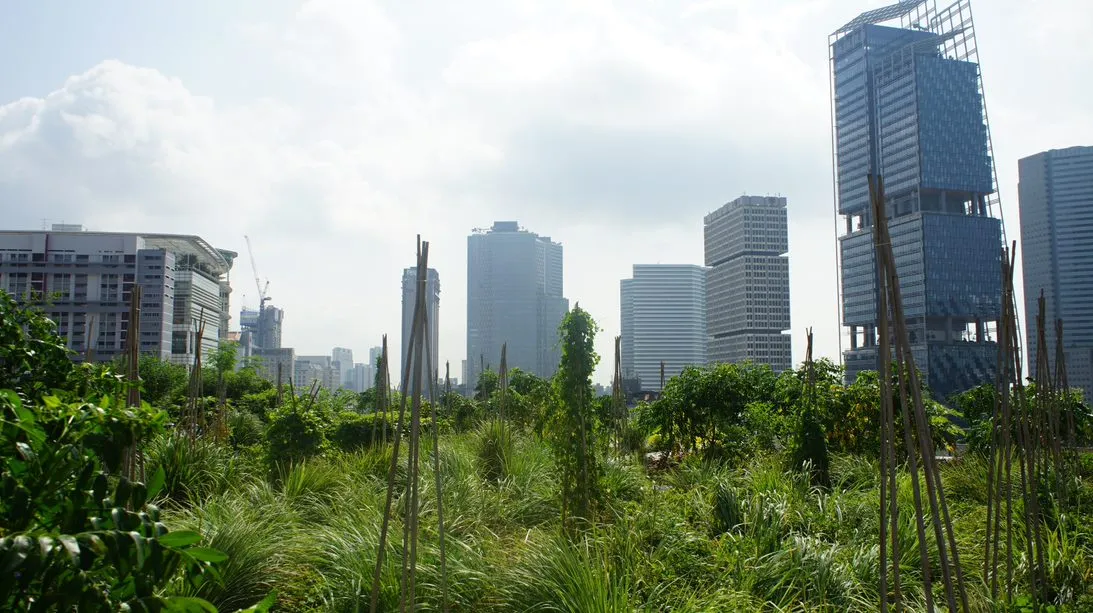
Image Books Food supply chains in cities: circularity and sustainability This book outlines the latest information on how food supply chains in cities can be managed sustainably, focusing on circular economy models. Read
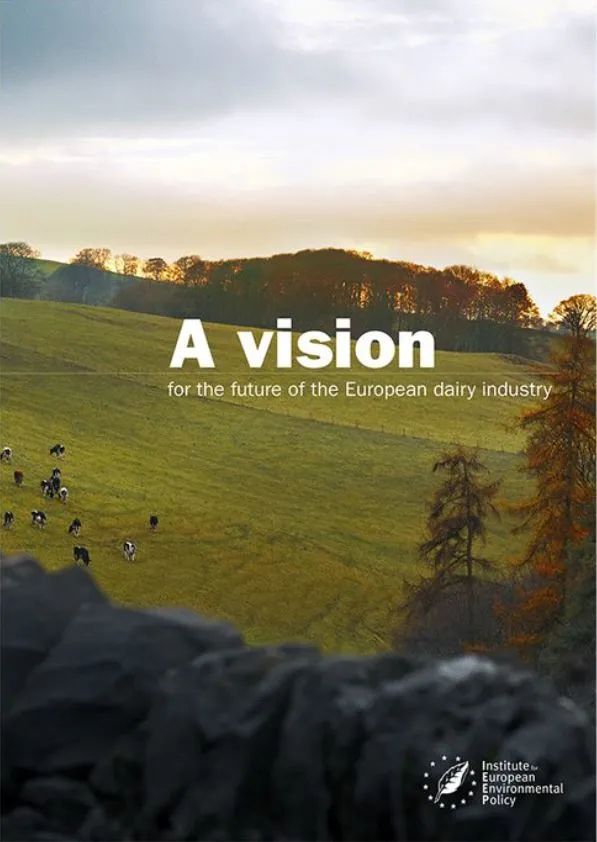
Image Reports A vision of a sustainable European dairy sector Dairy company Arla has commissioned this report by the Institute for European Environmental Policy, which sets out a vision for how the European dairy sector can become more sustainable in the future, balancing environmental, economic and social considerations. Read