Image Resources Our extensive research library contains thousands of summaries of journal articles, reports and news stories that can be searched by keyword and category RESOURCES CATEGORY Books Briefing paper Event recording Featured articles Featured report Game Journal articles News and resources Reports Think piece Video Working paper Workshop summary Year 2026 2025 2024 2023 2022 2021 2020 2019 2018 2017 2016 2015 2014 2013 2012 2011 2010 2009 2008 2007 2002 2001 Image News and resources Coronavirus: Tim Lang calls for food rationing In this piece in The Conversation, Tim Lang (Professor of Food Policy at City, University of London) argues that the coronavirus (COVID-19) crisis exposes the fragility of the UK’s food supply chain, with limited storage, a just-in-time supply model, and nearly half of the UK’s food being imported. Lang calls for a food rationing system to be introduced to ensure everyone has access to food (read Lang’s letter to the UK Prime Minister here). Read Image Books Food safety & quality systems in developing countries This book provides technical information on food safety and quality in developing countries, using case studies of various types of food including spices, cassava, fruits and vegetables and beverages. Read Image Reports Food among top perceived global systemic risks This report from global network Future Earth identifies the risks perceived by scientists to be most likely to lead to a global systemic crisis. Most of the scientists interviewed mentioned at least four of the five following risks: food, climate change, extreme weather, biodiversity loss and water. Read Image Reports The aquaculture sustainability of UK supermarkets This report from UK food waste NGO Feedback and the Changing Markets Foundation assesses ten UK supermarkets on their aquaculture supply chain policies and practices, particularly regarding the use of wild fish as feed for farmed fish. Seven out of ten supermarkets scored less than 30%, with ALDI performing worst at 12% and Tesco performing best at 60%. The report finds that aquaculture operations for UK supermarkets consumed 2.5 times as much wild fish as the amount of farmed fish produced. Read Image Journal articles Policy packaging can make food system transformation feasible FCRN member Lukas Paul Fesenfeld has co-authored this paper, which surveys people from China, Germany and the United States to assess levels of public support for various types of policy aimed at reducing meat and fish consumption. It explores how “packaging” several policies together can increase acceptance among voters. Read Image Journal articles EAT-Lancet diet versus Dietary Guidelines for Americans FCRN member Nicole Tichenor Blackstone has co-authored this paper, which compares the diets recommended by the EAT-Lancet Commission and by the Dietary Guidelines for Americans (DGA). It finds areas of similarity as well as areas of divergence. Read Image Featured articles Better life cycle assessment of organic agriculture FCRN member Hayo van der Werf has co-authored this perspective paper, which argues that current Life Cycle Assessment (LCA) methodologies tend to favour intensive farming systems and misrepresent organic and agroecological systems. Read Image Resource COVID-19 and food: resource list This page is a collection of resources related to coronavirus (COVID-19) and the food system. Read Image News and resources Coronavirus and the UK foodservice sector This piece from Foodservice Footprint draws together the information available so far (as of mid-March 2020) about how the coronavirus (COVID-19) outbreak is affecting the UK's foodservice sector. The information covers impacts on restaurant staffing and operations, the food supply chain (one distributor told Footprint that "Everyone seems to be being relatively sensible at the moment"), new hygiene standards, and issues in supporting people at risk of hunger. Read VIEW MORE
Image News and resources Coronavirus: Tim Lang calls for food rationing In this piece in The Conversation, Tim Lang (Professor of Food Policy at City, University of London) argues that the coronavirus (COVID-19) crisis exposes the fragility of the UK’s food supply chain, with limited storage, a just-in-time supply model, and nearly half of the UK’s food being imported. Lang calls for a food rationing system to be introduced to ensure everyone has access to food (read Lang’s letter to the UK Prime Minister here). Read
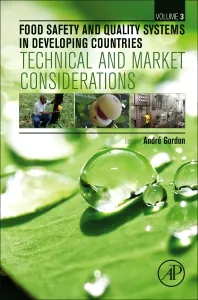
Image Books Food safety & quality systems in developing countries This book provides technical information on food safety and quality in developing countries, using case studies of various types of food including spices, cassava, fruits and vegetables and beverages. Read
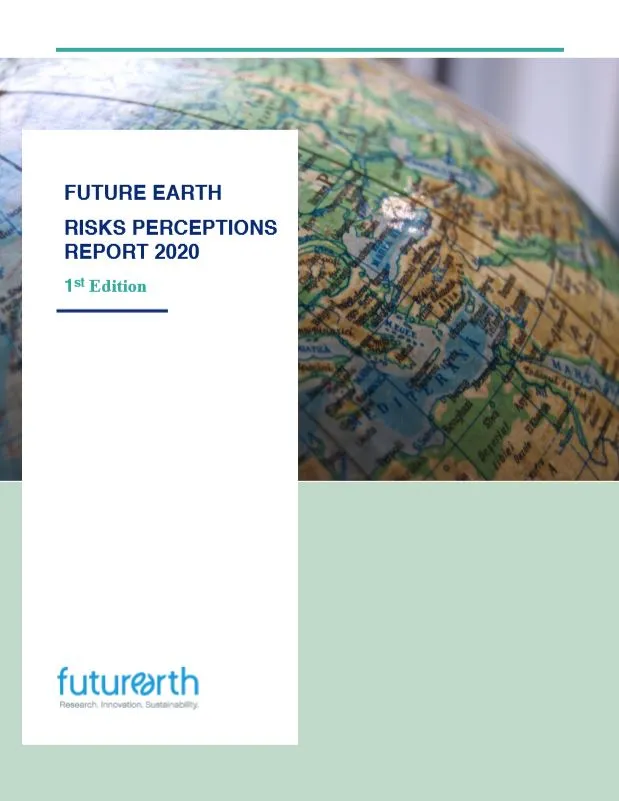
Image Reports Food among top perceived global systemic risks This report from global network Future Earth identifies the risks perceived by scientists to be most likely to lead to a global systemic crisis. Most of the scientists interviewed mentioned at least four of the five following risks: food, climate change, extreme weather, biodiversity loss and water. Read
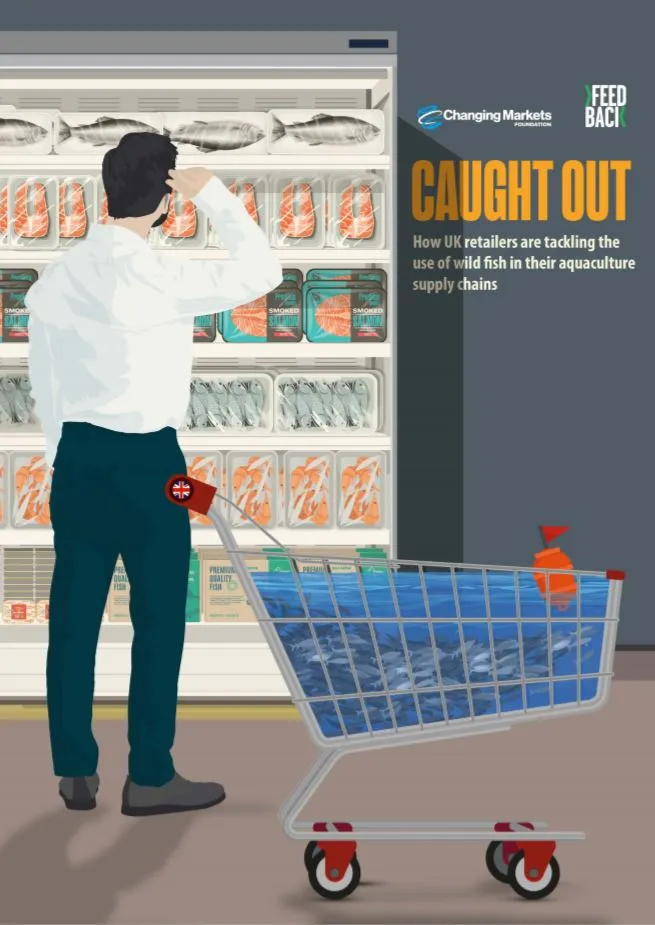
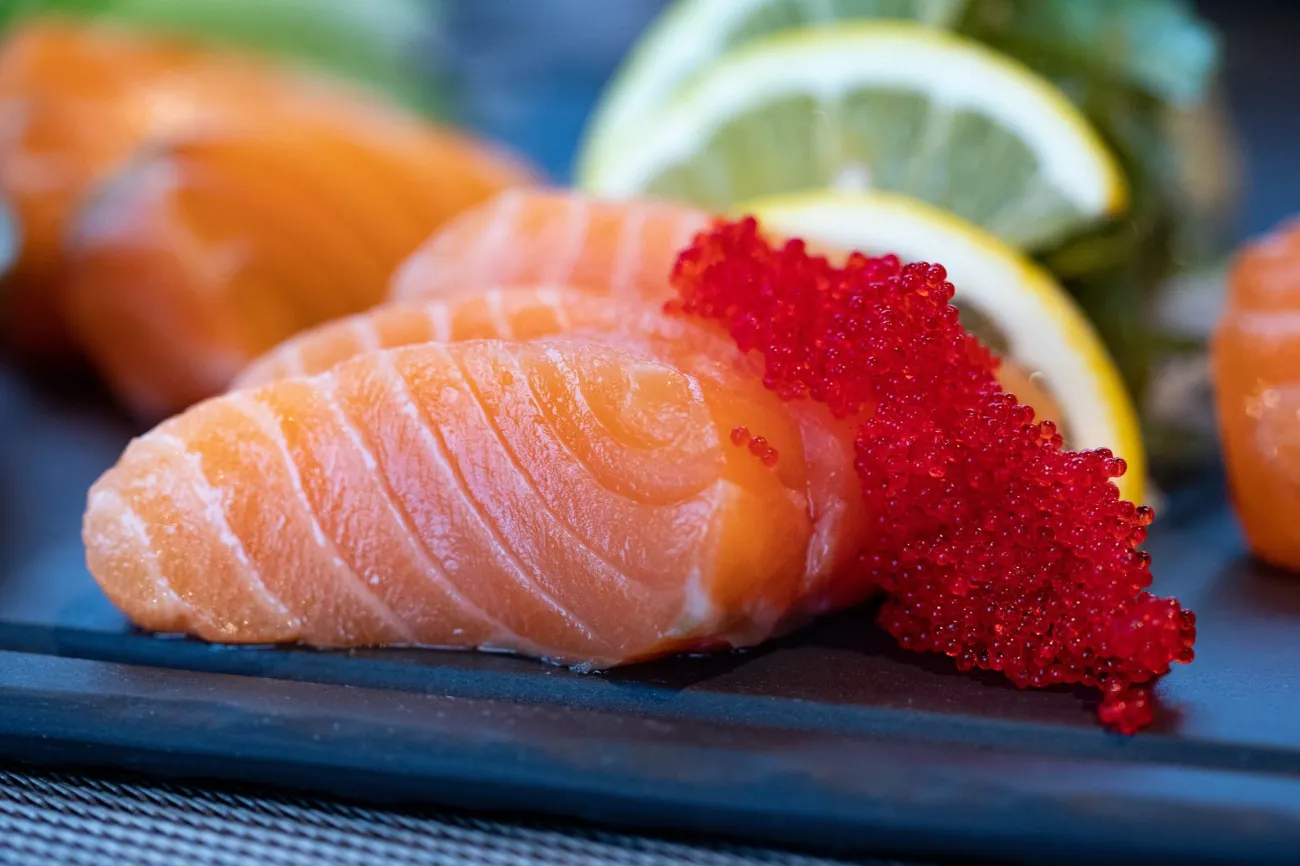
Image Reports The aquaculture sustainability of UK supermarkets This report from UK food waste NGO Feedback and the Changing Markets Foundation assesses ten UK supermarkets on their aquaculture supply chain policies and practices, particularly regarding the use of wild fish as feed for farmed fish. Seven out of ten supermarkets scored less than 30%, with ALDI performing worst at 12% and Tesco performing best at 60%. The report finds that aquaculture operations for UK supermarkets consumed 2.5 times as much wild fish as the amount of farmed fish produced. Read
Image Journal articles Policy packaging can make food system transformation feasible FCRN member Lukas Paul Fesenfeld has co-authored this paper, which surveys people from China, Germany and the United States to assess levels of public support for various types of policy aimed at reducing meat and fish consumption. It explores how “packaging” several policies together can increase acceptance among voters. Read
Image Journal articles EAT-Lancet diet versus Dietary Guidelines for Americans FCRN member Nicole Tichenor Blackstone has co-authored this paper, which compares the diets recommended by the EAT-Lancet Commission and by the Dietary Guidelines for Americans (DGA). It finds areas of similarity as well as areas of divergence. Read
Image Featured articles Better life cycle assessment of organic agriculture FCRN member Hayo van der Werf has co-authored this perspective paper, which argues that current Life Cycle Assessment (LCA) methodologies tend to favour intensive farming systems and misrepresent organic and agroecological systems. Read
Image Resource COVID-19 and food: resource list This page is a collection of resources related to coronavirus (COVID-19) and the food system. Read
Image News and resources Coronavirus and the UK foodservice sector This piece from Foodservice Footprint draws together the information available so far (as of mid-March 2020) about how the coronavirus (COVID-19) outbreak is affecting the UK's foodservice sector. The information covers impacts on restaurant staffing and operations, the food supply chain (one distributor told Footprint that "Everyone seems to be being relatively sensible at the moment"), new hygiene standards, and issues in supporting people at risk of hunger. Read