Image Resources Our extensive research library contains thousands of summaries of journal articles, reports and news stories that can be searched by keyword and category RESOURCES CATEGORY Books Briefing paper Event recording Featured articles Featured report Game Journal articles News and resources Reports Think piece Video Working paper Workshop summary Year 2026 2025 2024 2023 2022 2021 2020 2019 2018 2017 2016 2015 2014 2013 2012 2011 2010 2009 2008 2007 2002 2001 Image News and resources Cellular Agriculture Society website relaunches The Florida-based Cellular Agriculture Society has just relaunched its website with the aim of building a home for cellular agriculture on the internet. The website sets out a vision of what a future with cellular agriculture could look like, and explains how the processes of tissue culture and protein fermentation work. Read Image News and resources Sustainable Food Trust podcast: livestock welfare In this podcast from the UK’s Sustainable Food Trust, Patrick Holden interviews ffinlo Costain of Farmwel and Roland Bonney of FAI Farms and Benchmark Holdings on developing more transparent, welfare-friendly and sustainable livestock farming systems. Read Image News and resources Does methane explain carbon footprint differences? Our World in Data has published this piece, which breaks down the extent to which the differences in carbon footprints of food categories can be attributed to methane, a short-lived greenhouse gas which has attracted controversy over how its climate impact is measured. Read Image Books The Drawdown Review: climate solutions This e-book from the international climate nonprofit Project Drawdown reviews the world’s options for reducing greenhouse gas emissions. The top solutions related to food and land (see section 1.2 of the book) are reducing food waste, shifting to plant-rich diets, protecting ecosystems such as peatland and forests, and shifting agricultural practices (e.g. improving rice production). Read Image Books Footprints of foods and culinary preparations in Brazil This e-book, which has been translated into English, sets out the carbon, water and ecological footprints of foods and culinary preparations (items composed of more than one ingredient) consumed in Brazil. Read Image Reports Centre for Food Policy Highlights of 2019 This report outlines the 2019 activities of the Centre for Food Policy at City, University of London. Read Image Reports India Spotlight Index 2020 This report from the Dutch non-profit Access to Nutrition Foundation assesses the efforts of India’s 16 largest food and beverage manufacturers to contribute to improved nutrition. It finds that current industry efforts, while growing, are not enough to meet India’s current nutritional challenges. 16% of the 1456 products assessed met criteria for being healthy, and few companies are tackling undernutrition, micronutrient deficiencies and overweight across all of their business areas. Read Image Reports Salt content of vegan and plant-based restaurant meals This report from UK campaign group Action on Salt finds that three-fifths of plant-based restaurant meals and two-fifths of plant-based food options in fast food outlets and coffee chains contain 3 grams of salt or more - half of an adult’s daily recommended salt intake. The report argues that consumers should have access to healthier plant-based options, particularly since the public tends to perceive vegan food as healthy. Read Image Reports Fixing the system: dealing with plastic pollution This report from the UK think tank Green Alliance argues that the problem of plastic pollution cannot be solved by simply replacing plastic with alternative materials - instead, a system-wide transition to a circular economy is required, prioritising safety, sustainability and efficiency. The report focuses on the UK’s culture of single-use packaging. Read VIEW MORE
Image News and resources Cellular Agriculture Society website relaunches The Florida-based Cellular Agriculture Society has just relaunched its website with the aim of building a home for cellular agriculture on the internet. The website sets out a vision of what a future with cellular agriculture could look like, and explains how the processes of tissue culture and protein fermentation work. Read
Image News and resources Sustainable Food Trust podcast: livestock welfare In this podcast from the UK’s Sustainable Food Trust, Patrick Holden interviews ffinlo Costain of Farmwel and Roland Bonney of FAI Farms and Benchmark Holdings on developing more transparent, welfare-friendly and sustainable livestock farming systems. Read
Image News and resources Does methane explain carbon footprint differences? Our World in Data has published this piece, which breaks down the extent to which the differences in carbon footprints of food categories can be attributed to methane, a short-lived greenhouse gas which has attracted controversy over how its climate impact is measured. Read
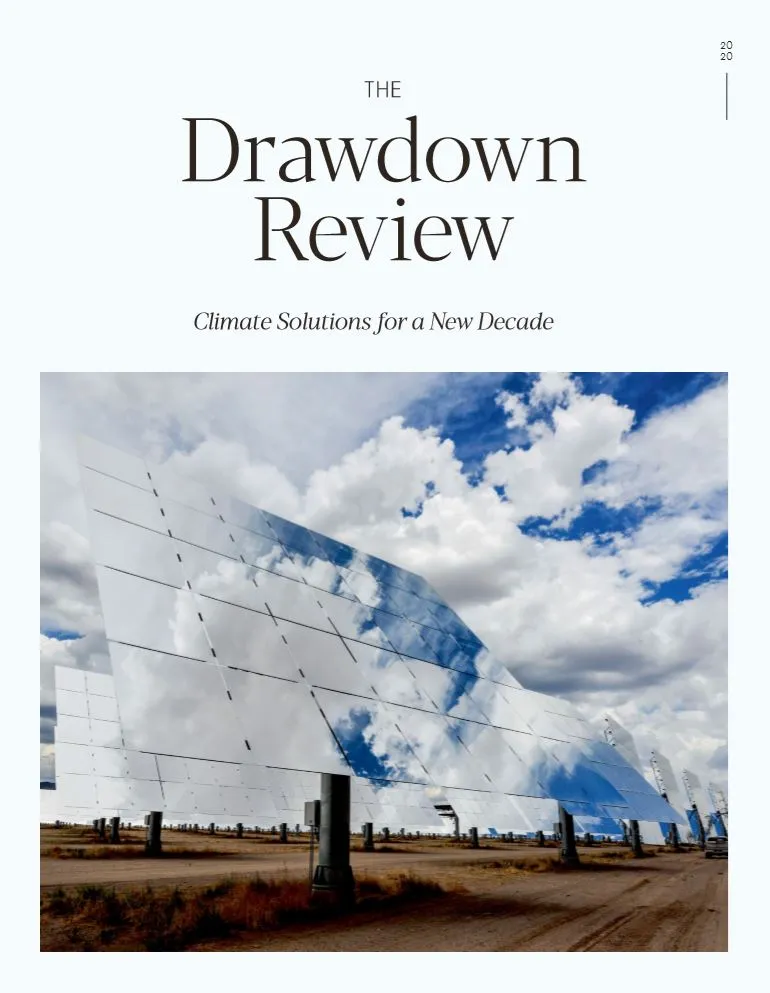
Image Books The Drawdown Review: climate solutions This e-book from the international climate nonprofit Project Drawdown reviews the world’s options for reducing greenhouse gas emissions. The top solutions related to food and land (see section 1.2 of the book) are reducing food waste, shifting to plant-rich diets, protecting ecosystems such as peatland and forests, and shifting agricultural practices (e.g. improving rice production). Read
Image Books Footprints of foods and culinary preparations in Brazil This e-book, which has been translated into English, sets out the carbon, water and ecological footprints of foods and culinary preparations (items composed of more than one ingredient) consumed in Brazil. Read
Image Reports Centre for Food Policy Highlights of 2019 This report outlines the 2019 activities of the Centre for Food Policy at City, University of London. Read
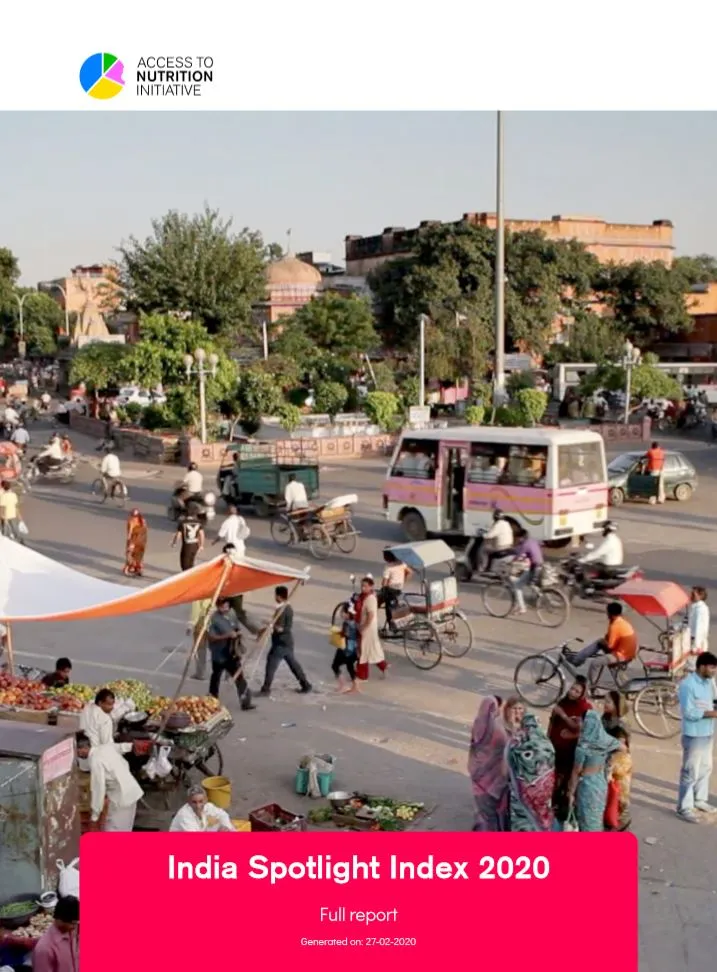
Image Reports India Spotlight Index 2020 This report from the Dutch non-profit Access to Nutrition Foundation assesses the efforts of India’s 16 largest food and beverage manufacturers to contribute to improved nutrition. It finds that current industry efforts, while growing, are not enough to meet India’s current nutritional challenges. 16% of the 1456 products assessed met criteria for being healthy, and few companies are tackling undernutrition, micronutrient deficiencies and overweight across all of their business areas. Read
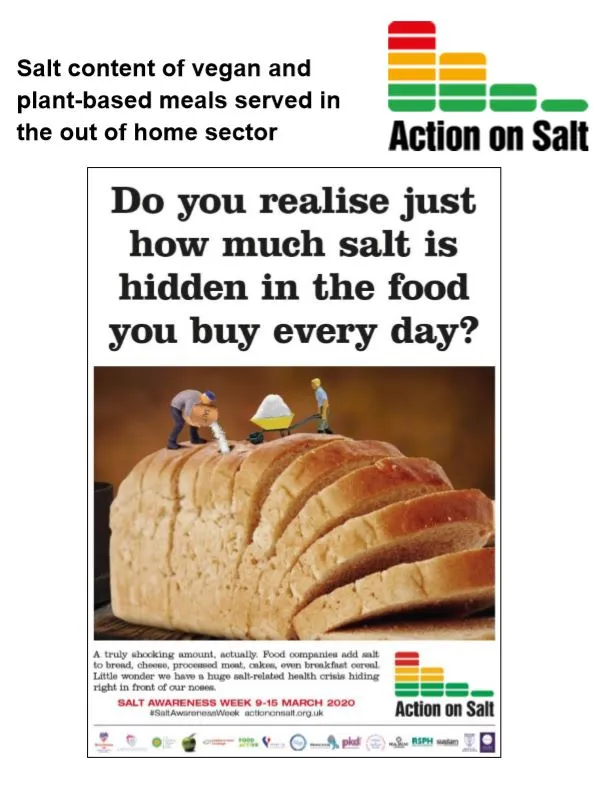
Image Reports Salt content of vegan and plant-based restaurant meals This report from UK campaign group Action on Salt finds that three-fifths of plant-based restaurant meals and two-fifths of plant-based food options in fast food outlets and coffee chains contain 3 grams of salt or more - half of an adult’s daily recommended salt intake. The report argues that consumers should have access to healthier plant-based options, particularly since the public tends to perceive vegan food as healthy. Read
Image Reports Fixing the system: dealing with plastic pollution This report from the UK think tank Green Alliance argues that the problem of plastic pollution cannot be solved by simply replacing plastic with alternative materials - instead, a system-wide transition to a circular economy is required, prioritising safety, sustainability and efficiency. The report focuses on the UK’s culture of single-use packaging. Read