Image Resources Our extensive research library contains thousands of summaries of journal articles, reports and news stories that can be searched by keyword and category RESOURCES CATEGORY Books Briefing paper Event recording Featured articles Featured report Game Journal articles News and resources Reports Think piece Video Working paper Workshop summary Year 2026 2025 2024 2023 2022 2021 2020 2019 2018 2017 2016 2015 2014 2013 2012 2011 2010 2009 2008 2007 2002 2001 Image Journal articles Global drivers of food system (un)sustainability This paper studies the relationship between food system drivers and sustainability for a sample of low-, middle- and high-income countries. The aim of the research is to provide a clearer understanding of what drives food system sustainability, in order to better target interventions and investments to transform the food system. Read Image Featured articles Local crops can feed less than one-third of the population This paper models the production of six food crops, and finds that only 11-28% of the world’s population (depending on crop) would be able to meet their demands for those crops by using only food produced within a 100 km radius, based on current production and consumption patterns. The aim of the paper is to assess the physical constraints that limit the extent to which food supply can become localised and thus inform the ongoing debates around local food and food sovereignty. Read Image News and resources Alternative protein research funding database The Good Food Institute (US-based non-profit) has launched a database of funding opportunities in the alternative protein space, including opportunities related to plant-based proteins, cellular agriculture and proteins derived from fermentation. Read Image News and resources Lab-grown meat could leave marginalised people in need This blog piece, by anthropologist Sarah Duignan of McMaster University, argues that a risk of cellular agriculture (i.e. lab-grown meat) is that some people may not benefit from the technology (despite its potential environmental benefits). For example, beef farmers may find themselves in similar difficulties to dairy farmers, who are struggling already because of decreased demand. Read Image News and resources Blog: Reporting how livestock contribute to global warming This blog post by John Lynch of the Oxford Livestock, Environment and People programme explains how GWP* can be used to describe the warming effect of both short- and long-lived greenhouse gases, particularly when applied to livestock. Read Image Books Microbiomes of soils, plants and animals This book examines how communities of microorganisms (microbiomes) affect their multicellular hosts, including soil, plant, animal and human hosts. It discusses how microbiomes affect the behaviour, nutrition and disease susceptibility of their hosts. Read Image Books Many Mouths: The politics of food in Britain This book explores the history of government food programmes in Britain over the past two centuries, including workhouses, school meals and the post-war welfare state. The book discusses how these programmes treated people differently, e.g. because of gender or race. Read Image Reports Improving the sustainability of UK commodity imports This report from the Global Resource Initiative Taskforce, commissioned by the UK government, looks at how the UK can reduce the climate and environmental impacts related to its import and consumption of beef and leather, cocoa, palm oil, pulp and paper, rubber, soya and timber. Read Image Reports Soil structure and its benefits This report from the UK’s Royal Society synthesises existing evidence on the links between soil structure and four benefits: biodiversity, agricultural productivity, clean water/flood prevention and climate change mitigation. It also discusses measurement of soil structure and sets out policy recommendations. Read VIEW MORE
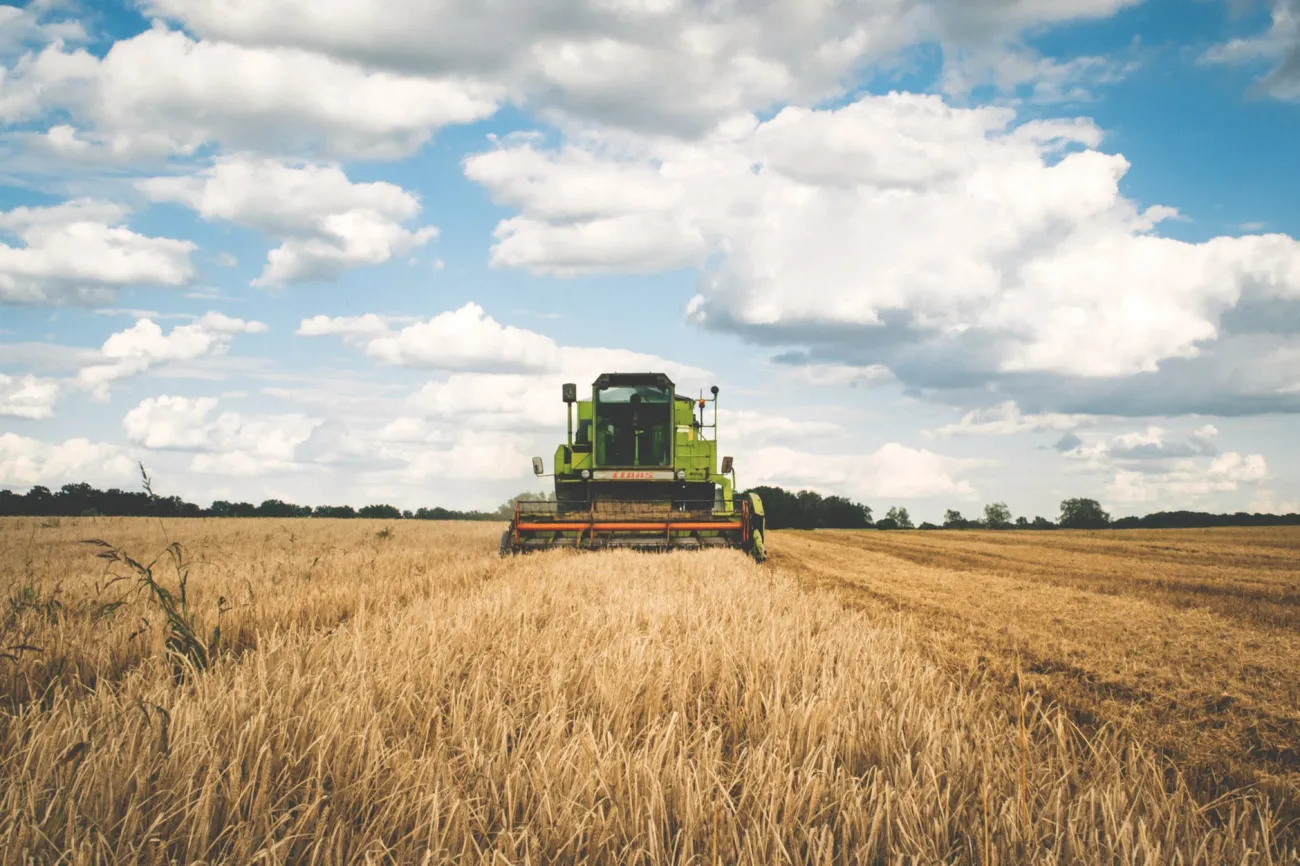
Image Journal articles Global drivers of food system (un)sustainability This paper studies the relationship between food system drivers and sustainability for a sample of low-, middle- and high-income countries. The aim of the research is to provide a clearer understanding of what drives food system sustainability, in order to better target interventions and investments to transform the food system. Read
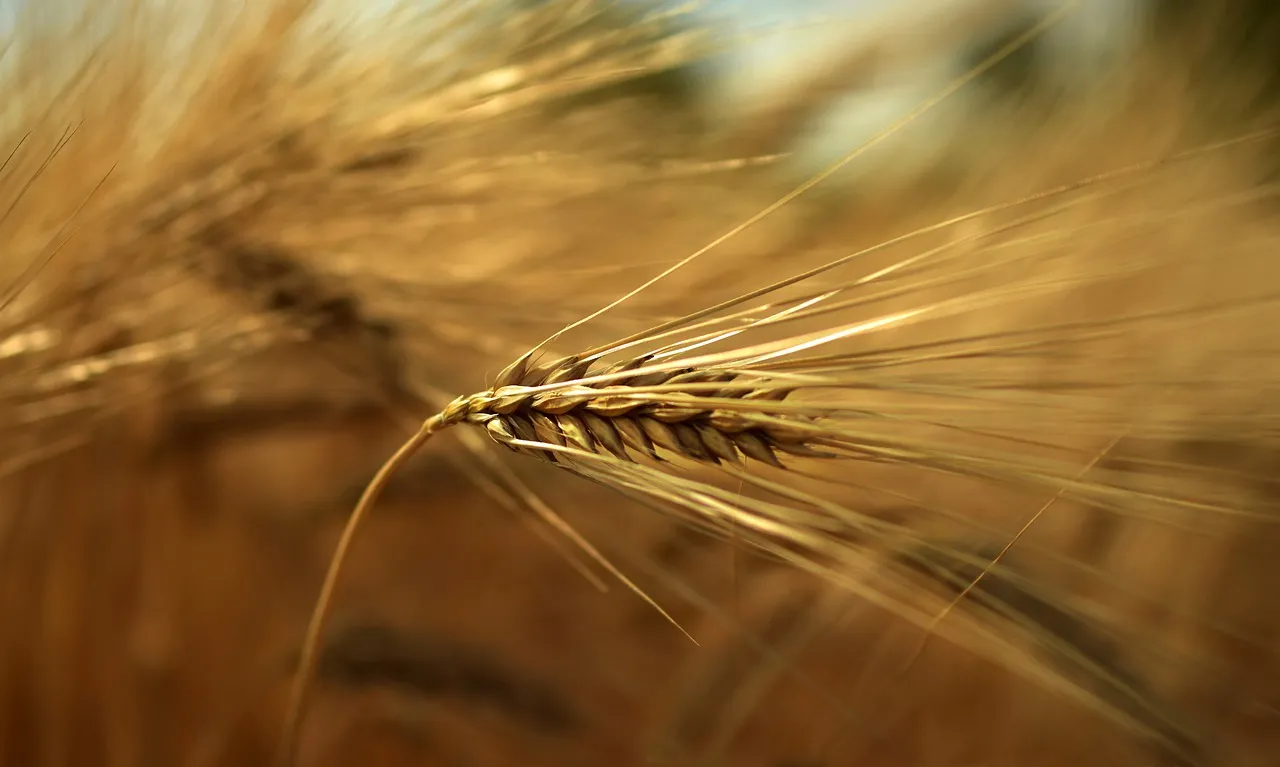
Image Featured articles Local crops can feed less than one-third of the population This paper models the production of six food crops, and finds that only 11-28% of the world’s population (depending on crop) would be able to meet their demands for those crops by using only food produced within a 100 km radius, based on current production and consumption patterns. The aim of the paper is to assess the physical constraints that limit the extent to which food supply can become localised and thus inform the ongoing debates around local food and food sovereignty. Read
Image News and resources Alternative protein research funding database The Good Food Institute (US-based non-profit) has launched a database of funding opportunities in the alternative protein space, including opportunities related to plant-based proteins, cellular agriculture and proteins derived from fermentation. Read
Image News and resources Lab-grown meat could leave marginalised people in need This blog piece, by anthropologist Sarah Duignan of McMaster University, argues that a risk of cellular agriculture (i.e. lab-grown meat) is that some people may not benefit from the technology (despite its potential environmental benefits). For example, beef farmers may find themselves in similar difficulties to dairy farmers, who are struggling already because of decreased demand. Read
Image News and resources Blog: Reporting how livestock contribute to global warming This blog post by John Lynch of the Oxford Livestock, Environment and People programme explains how GWP* can be used to describe the warming effect of both short- and long-lived greenhouse gases, particularly when applied to livestock. Read
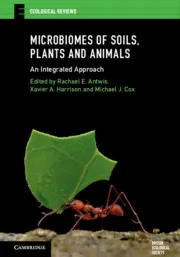
Image Books Microbiomes of soils, plants and animals This book examines how communities of microorganisms (microbiomes) affect their multicellular hosts, including soil, plant, animal and human hosts. It discusses how microbiomes affect the behaviour, nutrition and disease susceptibility of their hosts. Read
Image Books Many Mouths: The politics of food in Britain This book explores the history of government food programmes in Britain over the past two centuries, including workhouses, school meals and the post-war welfare state. The book discusses how these programmes treated people differently, e.g. because of gender or race. Read
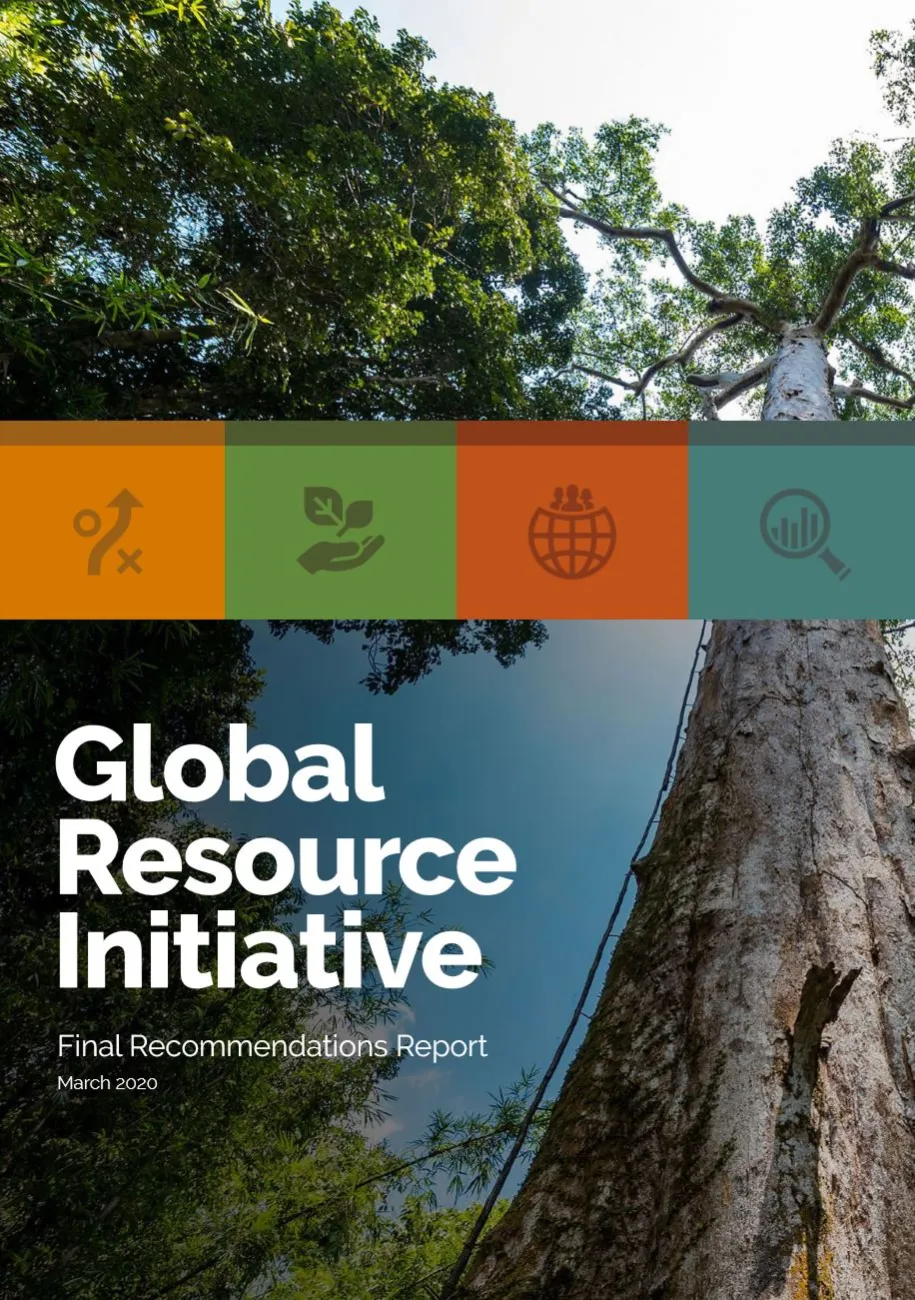
Image Reports Improving the sustainability of UK commodity imports This report from the Global Resource Initiative Taskforce, commissioned by the UK government, looks at how the UK can reduce the climate and environmental impacts related to its import and consumption of beef and leather, cocoa, palm oil, pulp and paper, rubber, soya and timber. Read
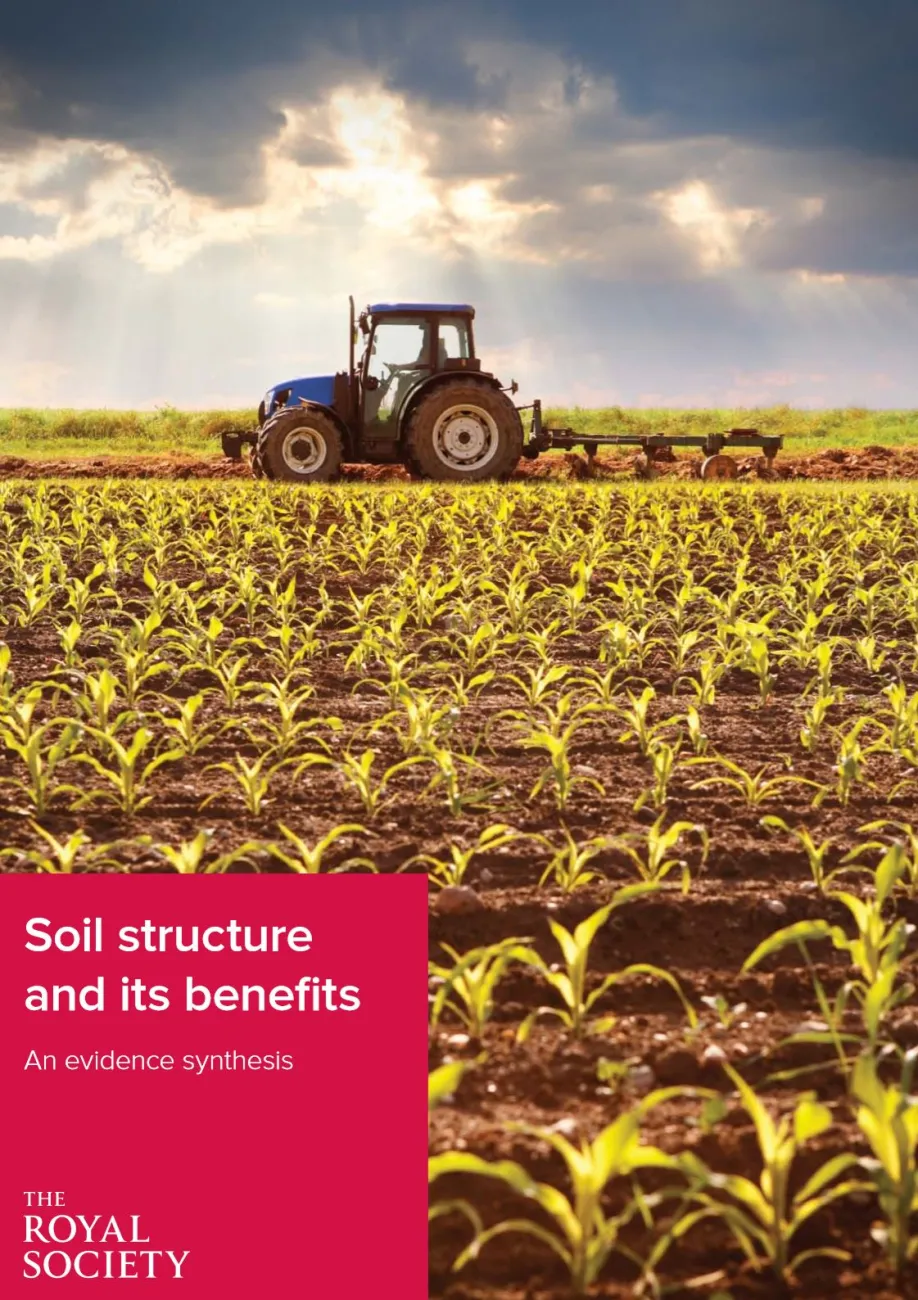
Image Reports Soil structure and its benefits This report from the UK’s Royal Society synthesises existing evidence on the links between soil structure and four benefits: biodiversity, agricultural productivity, clean water/flood prevention and climate change mitigation. It also discusses measurement of soil structure and sets out policy recommendations. Read