Image Resources Our extensive research library contains thousands of summaries of journal articles, reports and news stories that can be searched by keyword and category RESOURCES CATEGORY Books Briefing paper Event recording Featured articles Featured report Game Journal articles News and resources Reports Think piece Video Working paper Workshop summary Year 2026 2025 2024 2023 2022 2021 2020 2019 2018 2017 2016 2015 2014 2013 2012 2011 2010 2009 2008 2007 2002 2001 Image Journal articles The role of science in agricultural climate mitigation In this paper, FCRN members Pip Brock and Daniel Tan examine how Life Cycle Assessment (LCA) is used as a tool for informing resource-use decisions. They contend that two different schools of thought - natural resource management and planning theory - would benefit by learning from each other. Read Image Journal articles Demonstrating GWP* with emissions scenarios This paper uses several simple emissions scenarios to illustrate how GWP* (as opposed to GWP100) can report the warming created by both short-lived greenhouse gases such as methane (CH4) and long-lived greenhouse gases such as carbon dioxide (CO2). Read Image Featured articles Marine conservation: success stories and a roadmap This paper argues that substantially rebuilding the health of marine ecosystems is both necessary for human thriving and achievable within a generation. While marine ecosystems are under pressure from overfishing, pollution, oxygen depletion and other stressors, the authors point out that many remote areas of the ocean are still wild and large populations of marine mammals still exist and are capable of recovering if given the chance. Read Image News and resources COVID-19 and food: addressing threats, creating opportunities This blog post from the Global Alliance for Improved Nutrition sets out the impacts that COVID-19 is likely to have on the food system in both low- and high-income contexts, including impacts on health, livelihoods and the cost of food transport. It also suggests how the food system can be strengthened to mitigate these challenges. See this table (PDF link) for a summary. Read Image News and resources Ethics in our food response to COVID-19 This blog post from the UK’s Food Ethics Council explores some of the ethical complexities in the food system’s response to COVID-19. It notes that many people are displaying compassion and supporting neighbours during the pandemic. It also argues that other ongoing crises, including climate, nature loss, health and the UK’s post-Brexit trade deal negotiations, must not be neglected. Read Image News and resources Did factory farming cause COVID-19? This article in the Guardian explores the links between food production and COVID-19. It points out that, while the virus is likely to have been transmitted to humans via a pangolin at a “wet” market in Wuhan, China, the virus may have come to pangolins from wild bats. Some smallholder farmers, the article suggests, began to rear “wild” animals (such as pangolins) for income when their previous livestock farming was undercut economically by industrial farming methods, and may also have been pushed onto marginal land (nearer to forests, bats and the viruses hosted by bats) by industrial agriculture’s expansion. Read Image News and resources England is spending little on monitoring soil quality According to the Freedom of Information request made by the UK non-profit Sustainable Soils Alliance (SSA), the UK government spent only £283,780 on monitoring soil health in England in the year 2017/18, compared to £60.5 million on monitoring freshwater and £7.7 million on monitoring air. Read Image Books Food security & land use change under climate variability This book looks at the tradeoffs between mitigating climate change and protecting food security, as well as the effects that climate change has on food production. Read Image Books Food and climate change without the hot air This book by Sarah Bridle provides an accessible outline of the links between climate change and food: both the climate impacts of producing food, and the impacts of climate change on farming. Read VIEW MORE
Image Journal articles The role of science in agricultural climate mitigation In this paper, FCRN members Pip Brock and Daniel Tan examine how Life Cycle Assessment (LCA) is used as a tool for informing resource-use decisions. They contend that two different schools of thought - natural resource management and planning theory - would benefit by learning from each other. Read
Image Journal articles Demonstrating GWP* with emissions scenarios This paper uses several simple emissions scenarios to illustrate how GWP* (as opposed to GWP100) can report the warming created by both short-lived greenhouse gases such as methane (CH4) and long-lived greenhouse gases such as carbon dioxide (CO2). Read
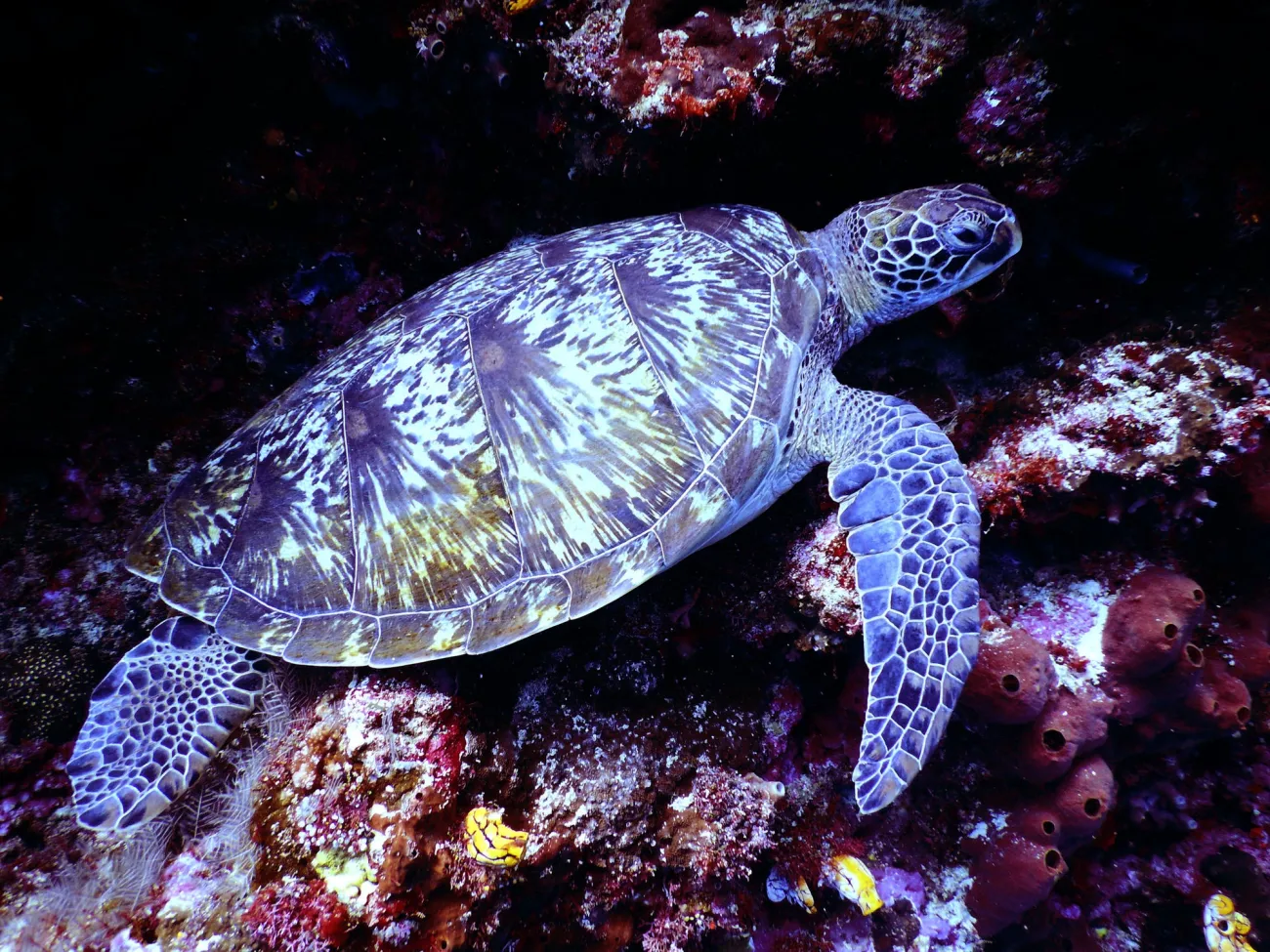
Image Featured articles Marine conservation: success stories and a roadmap This paper argues that substantially rebuilding the health of marine ecosystems is both necessary for human thriving and achievable within a generation. While marine ecosystems are under pressure from overfishing, pollution, oxygen depletion and other stressors, the authors point out that many remote areas of the ocean are still wild and large populations of marine mammals still exist and are capable of recovering if given the chance. Read
Image News and resources COVID-19 and food: addressing threats, creating opportunities This blog post from the Global Alliance for Improved Nutrition sets out the impacts that COVID-19 is likely to have on the food system in both low- and high-income contexts, including impacts on health, livelihoods and the cost of food transport. It also suggests how the food system can be strengthened to mitigate these challenges. See this table (PDF link) for a summary. Read
Image News and resources Ethics in our food response to COVID-19 This blog post from the UK’s Food Ethics Council explores some of the ethical complexities in the food system’s response to COVID-19. It notes that many people are displaying compassion and supporting neighbours during the pandemic. It also argues that other ongoing crises, including climate, nature loss, health and the UK’s post-Brexit trade deal negotiations, must not be neglected. Read
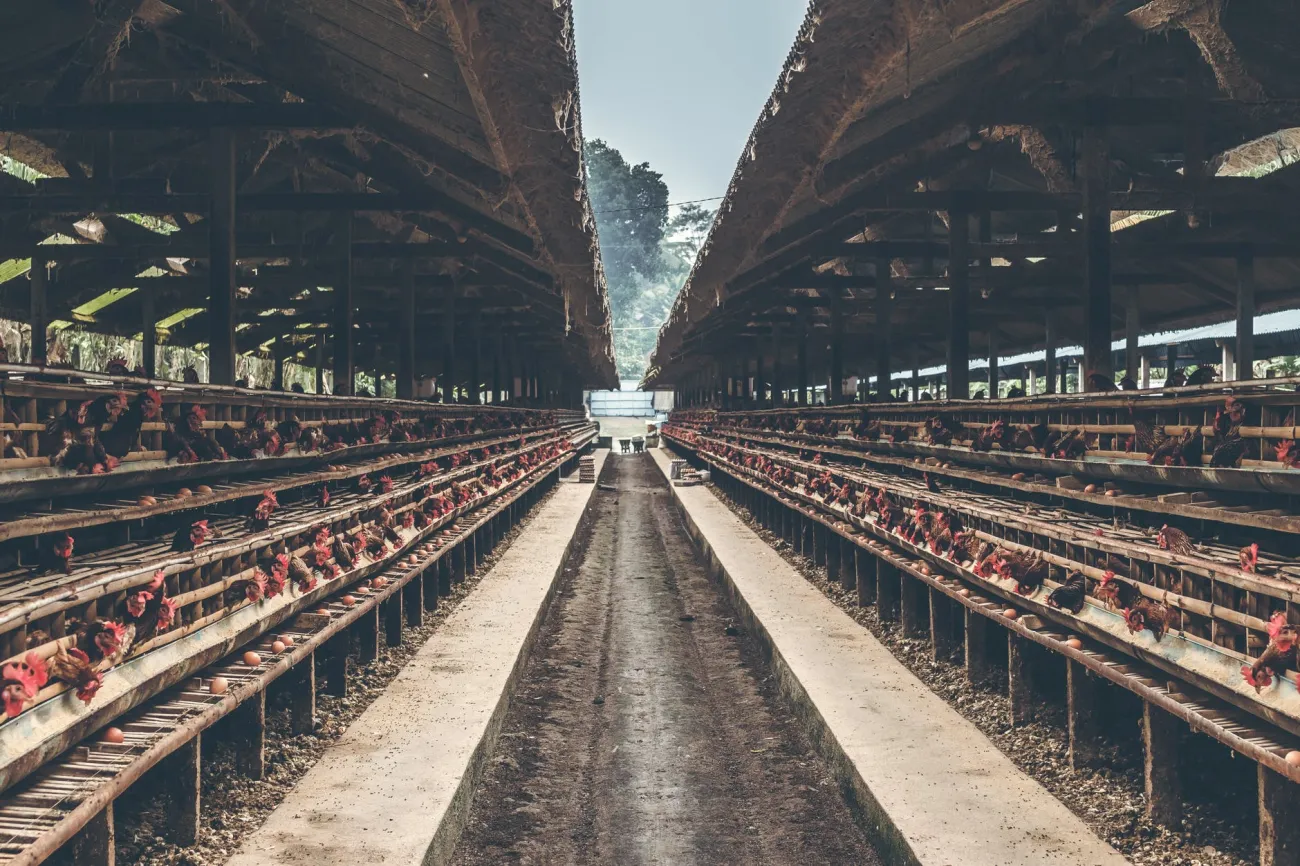
Image News and resources Did factory farming cause COVID-19? This article in the Guardian explores the links between food production and COVID-19. It points out that, while the virus is likely to have been transmitted to humans via a pangolin at a “wet” market in Wuhan, China, the virus may have come to pangolins from wild bats. Some smallholder farmers, the article suggests, began to rear “wild” animals (such as pangolins) for income when their previous livestock farming was undercut economically by industrial farming methods, and may also have been pushed onto marginal land (nearer to forests, bats and the viruses hosted by bats) by industrial agriculture’s expansion. Read
Image News and resources England is spending little on monitoring soil quality According to the Freedom of Information request made by the UK non-profit Sustainable Soils Alliance (SSA), the UK government spent only £283,780 on monitoring soil health in England in the year 2017/18, compared to £60.5 million on monitoring freshwater and £7.7 million on monitoring air. Read
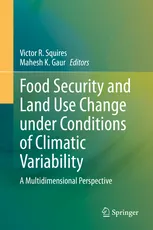
Image Books Food security & land use change under climate variability This book looks at the tradeoffs between mitigating climate change and protecting food security, as well as the effects that climate change has on food production. Read
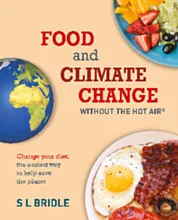
Image Books Food and climate change without the hot air This book by Sarah Bridle provides an accessible outline of the links between climate change and food: both the climate impacts of producing food, and the impacts of climate change on farming. Read