Image Resources Our extensive research library contains thousands of summaries of journal articles, reports and news stories that can be searched by keyword and category RESOURCES CATEGORY Books Briefing paper Event recording Featured articles Featured report Game Journal articles News and resources Reports Think piece Video Working paper Workshop summary Year 2026 2025 2024 2023 2022 2021 2020 2019 2018 2017 2016 2015 2014 2013 2012 2011 2010 2009 2008 2007 2002 2001 Image Reports Economic recovery for rural communities in the US This report describes the potential economic and environmental benefits of funding the national maintenance backlog for agricultural research facilities in the US as part of government responses to the economic fallout of the COVID-19 pandemic. The report is from US thinktank The Breakthrough Institute and is co-authored by FCRN member Dan Blaustein-Rejto. Read Image Reports Building inclusive food systems The 2020 edition of the Global Food Policy Report from the International Food Policy Research Institute looks at how to make food systems inclusive of smallholders, women, and people affected by poverty or conflict. Read Image Reports Policy guide to reducing GHGs of US diets by 2030 This policy guide from the US nonprofit Centre for Biological Diversity calls for US federal, state and municipal policymakers to take immediate steps to reduce beef consumption by up to 90% and consumption of all other animal products by 50%. It draws on the research Implications of Future US Diet Scenarios on Greenhouse Gas Emissions. Read Image Reports A call for divestment from Big Livestock This report from UK food waste organisation Feedback makes a case for the end of industrial animal agriculture and calls for divestment from large livestock companies, arguing that the business model of “Big Livestock” is incompatible with reducing greenhouse gas emissions. Read Image Reports Interim report: Review on the economics of biodiversity This interim report from the Dasgupta review on the economics of biodiversity, commissioned by the UK’s HM Treasury, sets out the main economic and scientific concepts that will inform the final review. The aim of the review is to assess the economic benefits of biodiversity, and the economic costs of its loss. It will also identify actions that can protect and enhance both biodiversity and economic prosperity. Read Image Journal articles Agave: A promising feedstock for biofuels This paper by FCRN member Daniel Tan finds that bioethanol derived from agave grown in semi-arid areas of Australia could have lower environmental impacts than biofuels derived from US corn and Brazilian sugarcane. Agave is widely grown in Mexico to make the alcoholic drink tequila. Read Image Journal articles Predictors of virus spillover risk from other mammals This paper combines data on zoonotic viruses in mammals with trends in species abundance. It finds that wild land mammal species with larger populations generally harbour a greater number of zoonotic viruses. Furthermore, among mammal species that are threatened, those that are threatened because of exploitation (e.g. hunting or wildlife trade) or loss of habitat host approximately twice as many viruses as mammals that are threatened for other reasons. Read Image Featured articles Climate-driven ecological disruption likely to be abrupt This paper uses temperature and precipitation projections across the ranges of over 30,000 species on land and in water to estimate when each species will be exposed to dangerous climate conditions. It predicts that most species within a given assemblage (group of species within a habitat) will encounter inhospitable climate conditions at the same time as each other (e.g. several species might have a similar upper limit on the temperature that they are able to cope with), meaning that disruption of the overall assemblage is likely to be abrupt. Read Image News and resources Podcast: UK food supply, COVID-19 & the environment This podcast by the Green Alliance (a UK charity) is an interview with Professor Tim Lang about his new book Feeding Britain. The book was written before the coronavirus crisis, but the interview explores how the crisis is affecting the UK’s food system. The podcast also discusses food rationing, inequality and the links between food policy and the economy, defence, risk, nature and biodiversity. Read VIEW MORE
Image Reports Economic recovery for rural communities in the US This report describes the potential economic and environmental benefits of funding the national maintenance backlog for agricultural research facilities in the US as part of government responses to the economic fallout of the COVID-19 pandemic. The report is from US thinktank The Breakthrough Institute and is co-authored by FCRN member Dan Blaustein-Rejto. Read
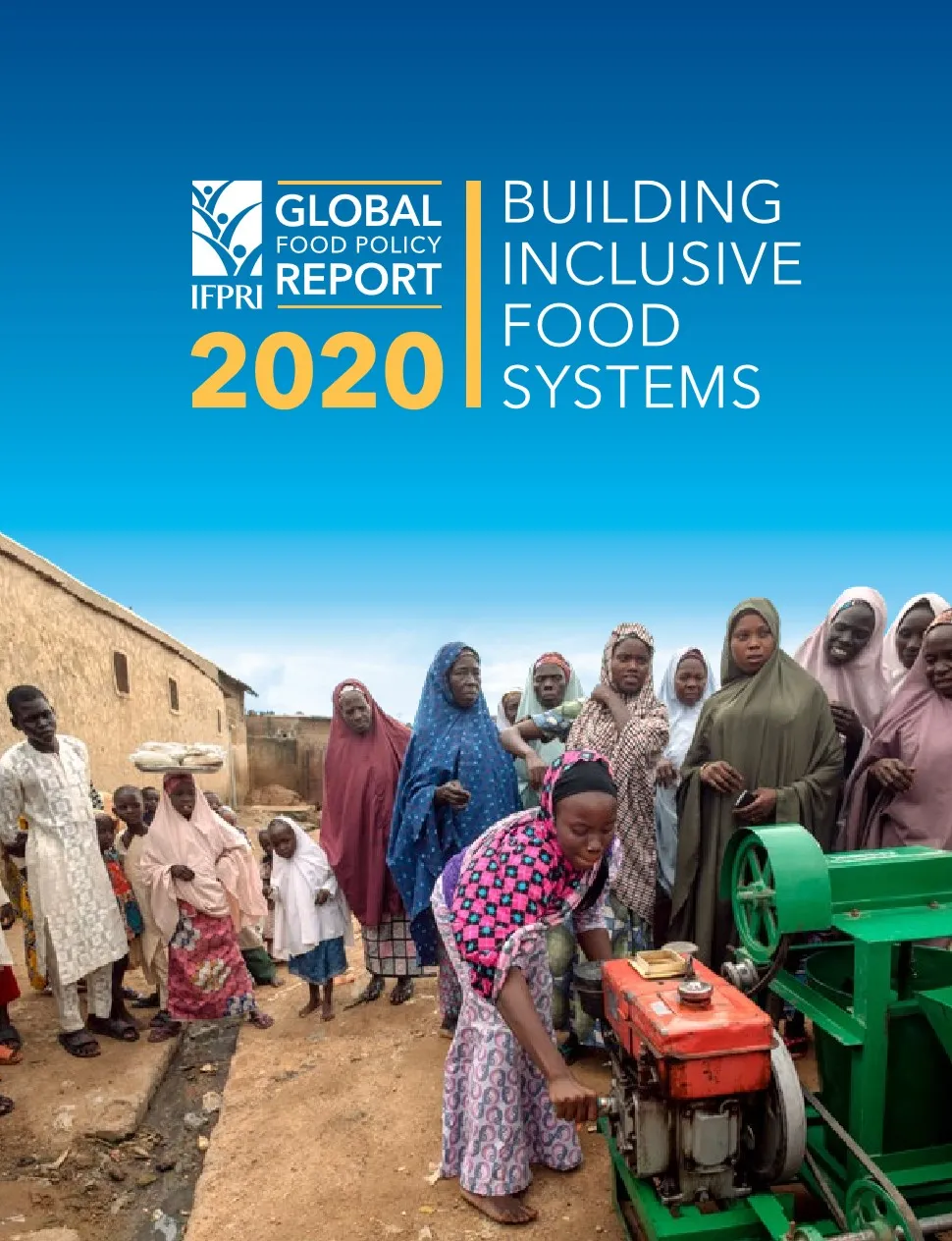
Image Reports Building inclusive food systems The 2020 edition of the Global Food Policy Report from the International Food Policy Research Institute looks at how to make food systems inclusive of smallholders, women, and people affected by poverty or conflict. Read
Image Reports Policy guide to reducing GHGs of US diets by 2030 This policy guide from the US nonprofit Centre for Biological Diversity calls for US federal, state and municipal policymakers to take immediate steps to reduce beef consumption by up to 90% and consumption of all other animal products by 50%. It draws on the research Implications of Future US Diet Scenarios on Greenhouse Gas Emissions. Read
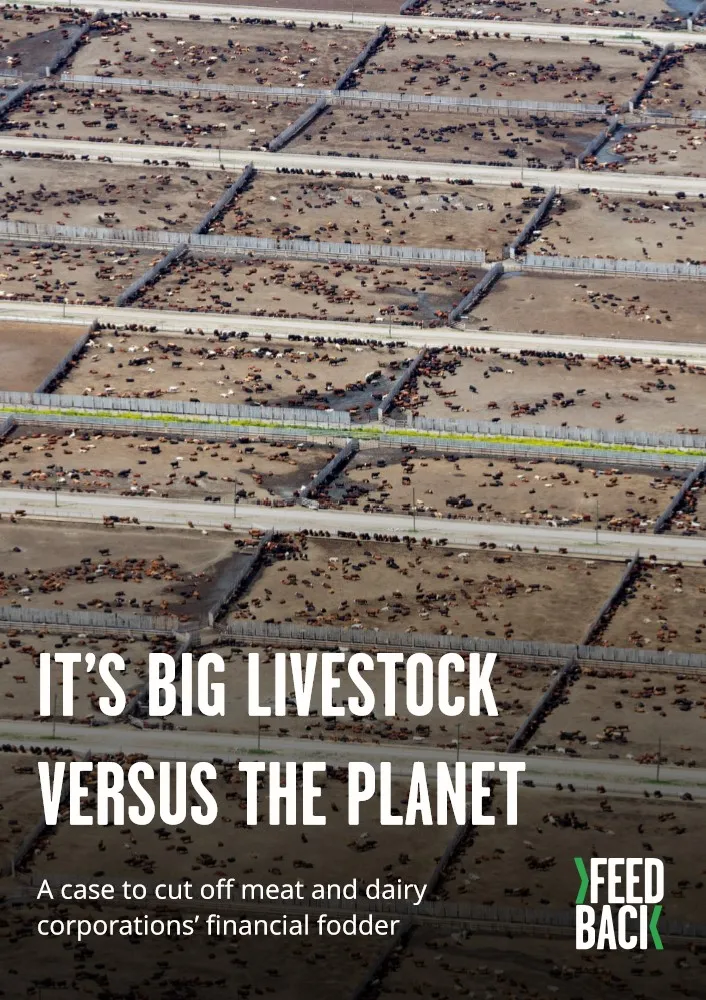
Image Reports A call for divestment from Big Livestock This report from UK food waste organisation Feedback makes a case for the end of industrial animal agriculture and calls for divestment from large livestock companies, arguing that the business model of “Big Livestock” is incompatible with reducing greenhouse gas emissions. Read
Image Reports Interim report: Review on the economics of biodiversity This interim report from the Dasgupta review on the economics of biodiversity, commissioned by the UK’s HM Treasury, sets out the main economic and scientific concepts that will inform the final review. The aim of the review is to assess the economic benefits of biodiversity, and the economic costs of its loss. It will also identify actions that can protect and enhance both biodiversity and economic prosperity. Read
Image Journal articles Agave: A promising feedstock for biofuels This paper by FCRN member Daniel Tan finds that bioethanol derived from agave grown in semi-arid areas of Australia could have lower environmental impacts than biofuels derived from US corn and Brazilian sugarcane. Agave is widely grown in Mexico to make the alcoholic drink tequila. Read
Image Journal articles Predictors of virus spillover risk from other mammals This paper combines data on zoonotic viruses in mammals with trends in species abundance. It finds that wild land mammal species with larger populations generally harbour a greater number of zoonotic viruses. Furthermore, among mammal species that are threatened, those that are threatened because of exploitation (e.g. hunting or wildlife trade) or loss of habitat host approximately twice as many viruses as mammals that are threatened for other reasons. Read
Image Featured articles Climate-driven ecological disruption likely to be abrupt This paper uses temperature and precipitation projections across the ranges of over 30,000 species on land and in water to estimate when each species will be exposed to dangerous climate conditions. It predicts that most species within a given assemblage (group of species within a habitat) will encounter inhospitable climate conditions at the same time as each other (e.g. several species might have a similar upper limit on the temperature that they are able to cope with), meaning that disruption of the overall assemblage is likely to be abrupt. Read
Image News and resources Podcast: UK food supply, COVID-19 & the environment This podcast by the Green Alliance (a UK charity) is an interview with Professor Tim Lang about his new book Feeding Britain. The book was written before the coronavirus crisis, but the interview explores how the crisis is affecting the UK’s food system. The podcast also discusses food rationing, inequality and the links between food policy and the economy, defence, risk, nature and biodiversity. Read