Image Resources Our extensive research library contains thousands of summaries of journal articles, reports and news stories that can be searched by keyword and category RESOURCES CATEGORY Books Briefing paper Event recording Featured articles Featured report Game Journal articles News and resources Reports Think piece Video Working paper Workshop summary Year 2026 2025 2024 2023 2022 2021 2020 2019 2018 2017 2016 2015 2014 2013 2012 2011 2010 2009 2008 2007 2002 2001 Image Reports A green and pressured land - competing land use demands This briefing from UK NGO Sustain examines pressures on land in the UK and overseas, including the impacts of agriculture and the foods we choose to eat. It considers competing land uses such as biodiversity, hedgerows, food production, supporting new entrants into farming, climate mitigation, bioenergy production and land for leisure. Read Image Reports Shortening supply chains for regional resilience This report by UK charity the Soil Association argues that COVID-19 has highlighted the fragility of long supply chains, and that supporting shorter supply chains will make the food system more resilient and sustainable. It also gives examples of localised food supply initiatives in the UK. Read Image Reports COVID-19 could cause global food crisis, says UN The COVID-19 pandemic, mitigation measures and the emerging global recession could cause food disruption on a scale not seen for more than half a century, according to this policy brief from the United Nations. The UN calls for large-scale coordinated action to protect health and nutrition. Read Image Journal articles Providing information increases acceptance of cultured meat According to this paper, participants in a survey of 193 Dutch citizens were more likely to view cultured meat favourably after they were given information about its purported benefits, compared to before they were given information. Most participants were willing to pay a premium of 37%, on average, for cultured meat over conventional meat. Read Image Journal articles Land use change and emerging zoonotic diseases This systematic review examines the effects of anthropogenic land use change (such as deforestation, urbanisation and agricultural intensification) on the transmission of zoonotic diseases from mammals to humans. Read Image Featured articles Integrating crop production into land restoration This paper models how integrating crop production - specifically maize, wheat and rice - into global land restoration efforts could impact food security, carbon sequestration and greenhouse gas emissions. The paper’s scenarios look at how to achieve the Bonn Challenge, which is a global agreement to restore 350 million hectares of deforested or degraded land by 2030. Read Image News and resources Can cultivated meat live up to its environmental promise? This blog post from US think tank The Breakthrough Institute examines uncertainties around the environmental impacts of cultured meat. It points out that estimates of the carbon footprint of cultured meat are highly variable, and that the impacts of switching to cultured meat depend on what it is replacing in the diet (e.g. beef, poultry, plant-based meats or tofu). Read Image News and resources Five lessons from hosting an event during a pandemic The Global Alliance for the Future of Food held the Salzburg Process on the Climate Emergency and the Future of Food in May 2020. In this blog post, Ruth Richardson (Executive Director of the Global Alliance) reflects on lessons learned from holding the event virtually because of COVID-19, rather than physically as originally planned. Read Image Books Food microbiology and biotechnology This book explores microbiological and biotechnological advances in food production, covering topics such as food safety, fermentation for preservation, sustainable production of seafood, food additives and bioprocesses to make agri-food wastes safe. Read VIEW MORE
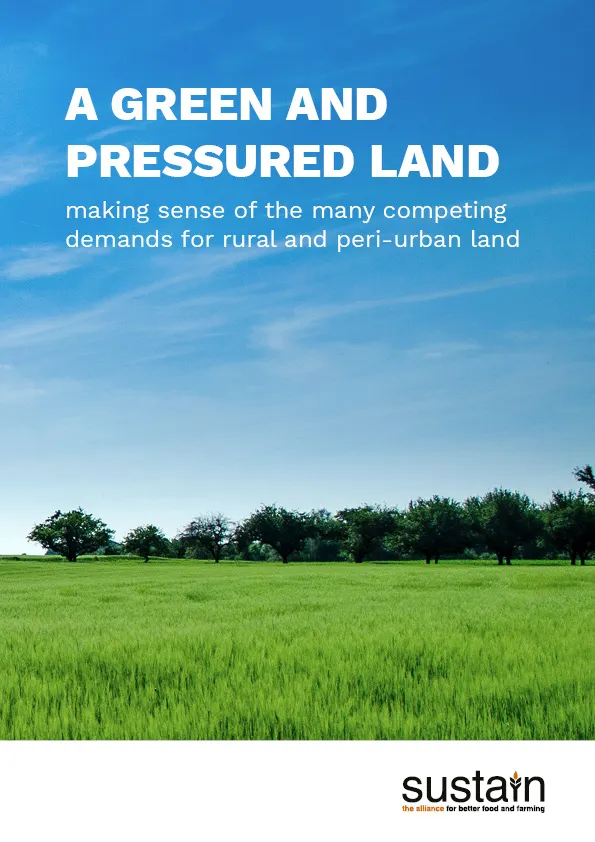
Image Reports A green and pressured land - competing land use demands This briefing from UK NGO Sustain examines pressures on land in the UK and overseas, including the impacts of agriculture and the foods we choose to eat. It considers competing land uses such as biodiversity, hedgerows, food production, supporting new entrants into farming, climate mitigation, bioenergy production and land for leisure. Read
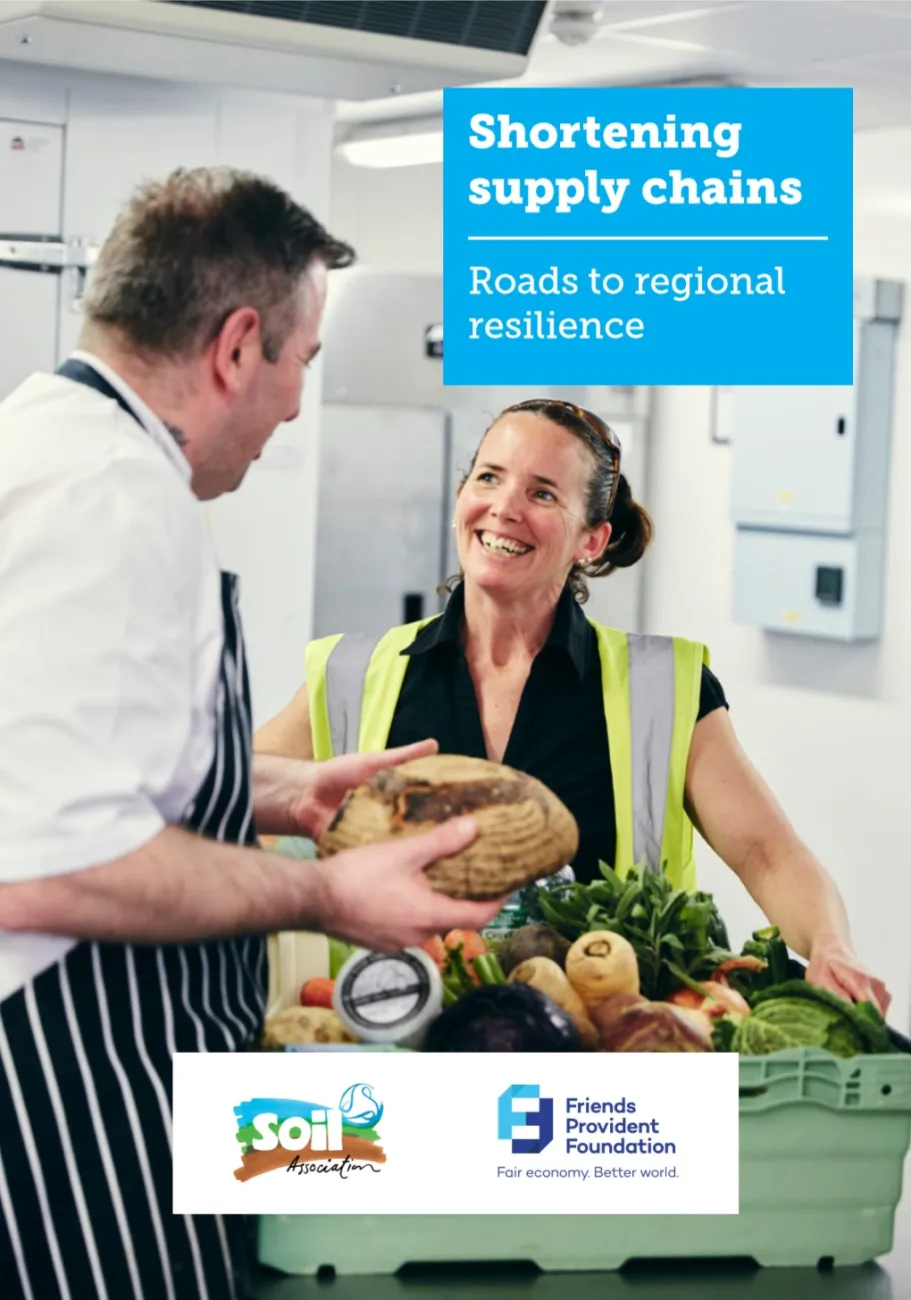
Image Reports Shortening supply chains for regional resilience This report by UK charity the Soil Association argues that COVID-19 has highlighted the fragility of long supply chains, and that supporting shorter supply chains will make the food system more resilient and sustainable. It also gives examples of localised food supply initiatives in the UK. Read
Image Reports COVID-19 could cause global food crisis, says UN The COVID-19 pandemic, mitigation measures and the emerging global recession could cause food disruption on a scale not seen for more than half a century, according to this policy brief from the United Nations. The UN calls for large-scale coordinated action to protect health and nutrition. Read
Image Journal articles Providing information increases acceptance of cultured meat According to this paper, participants in a survey of 193 Dutch citizens were more likely to view cultured meat favourably after they were given information about its purported benefits, compared to before they were given information. Most participants were willing to pay a premium of 37%, on average, for cultured meat over conventional meat. Read
Image Journal articles Land use change and emerging zoonotic diseases This systematic review examines the effects of anthropogenic land use change (such as deforestation, urbanisation and agricultural intensification) on the transmission of zoonotic diseases from mammals to humans. Read
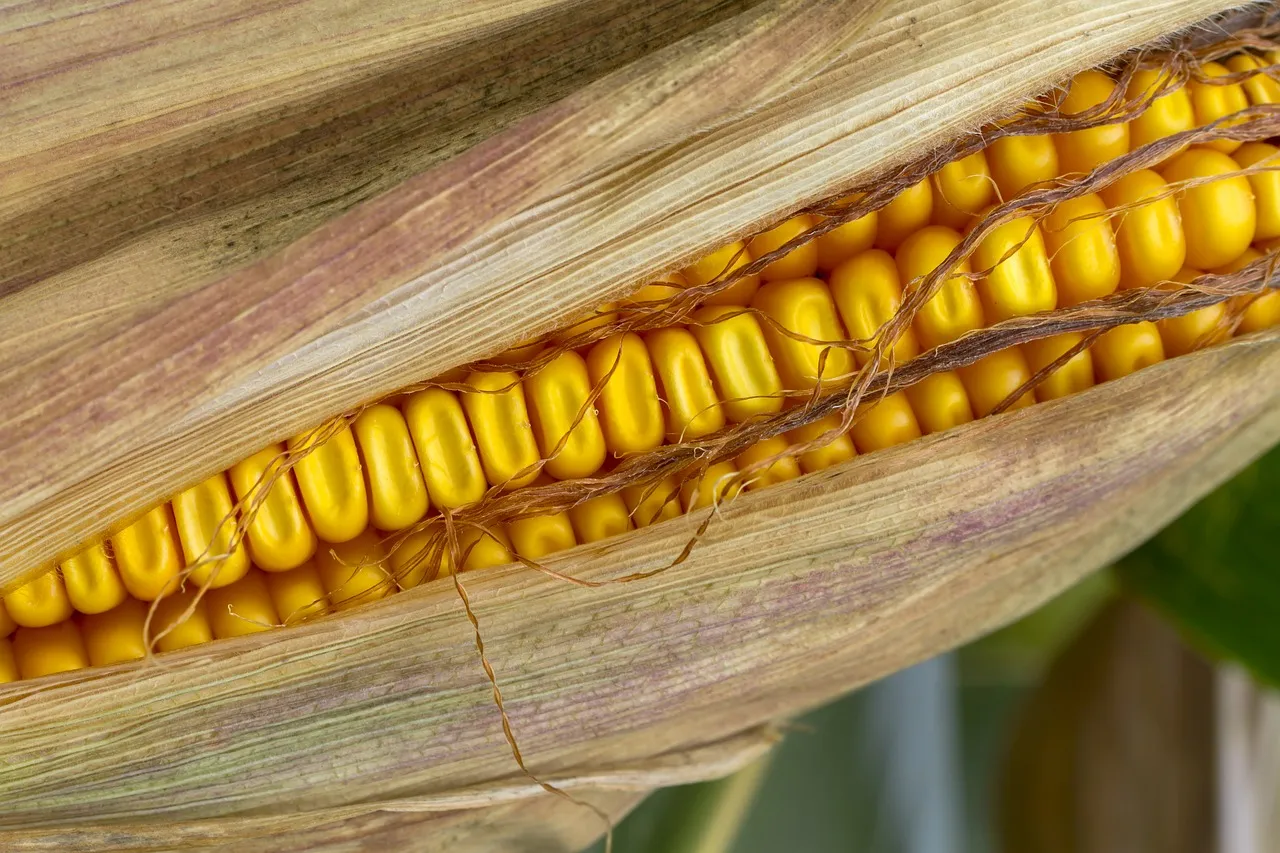
Image Featured articles Integrating crop production into land restoration This paper models how integrating crop production - specifically maize, wheat and rice - into global land restoration efforts could impact food security, carbon sequestration and greenhouse gas emissions. The paper’s scenarios look at how to achieve the Bonn Challenge, which is a global agreement to restore 350 million hectares of deforested or degraded land by 2030. Read
Image News and resources Can cultivated meat live up to its environmental promise? This blog post from US think tank The Breakthrough Institute examines uncertainties around the environmental impacts of cultured meat. It points out that estimates of the carbon footprint of cultured meat are highly variable, and that the impacts of switching to cultured meat depend on what it is replacing in the diet (e.g. beef, poultry, plant-based meats or tofu). Read
Image News and resources Five lessons from hosting an event during a pandemic The Global Alliance for the Future of Food held the Salzburg Process on the Climate Emergency and the Future of Food in May 2020. In this blog post, Ruth Richardson (Executive Director of the Global Alliance) reflects on lessons learned from holding the event virtually because of COVID-19, rather than physically as originally planned. Read
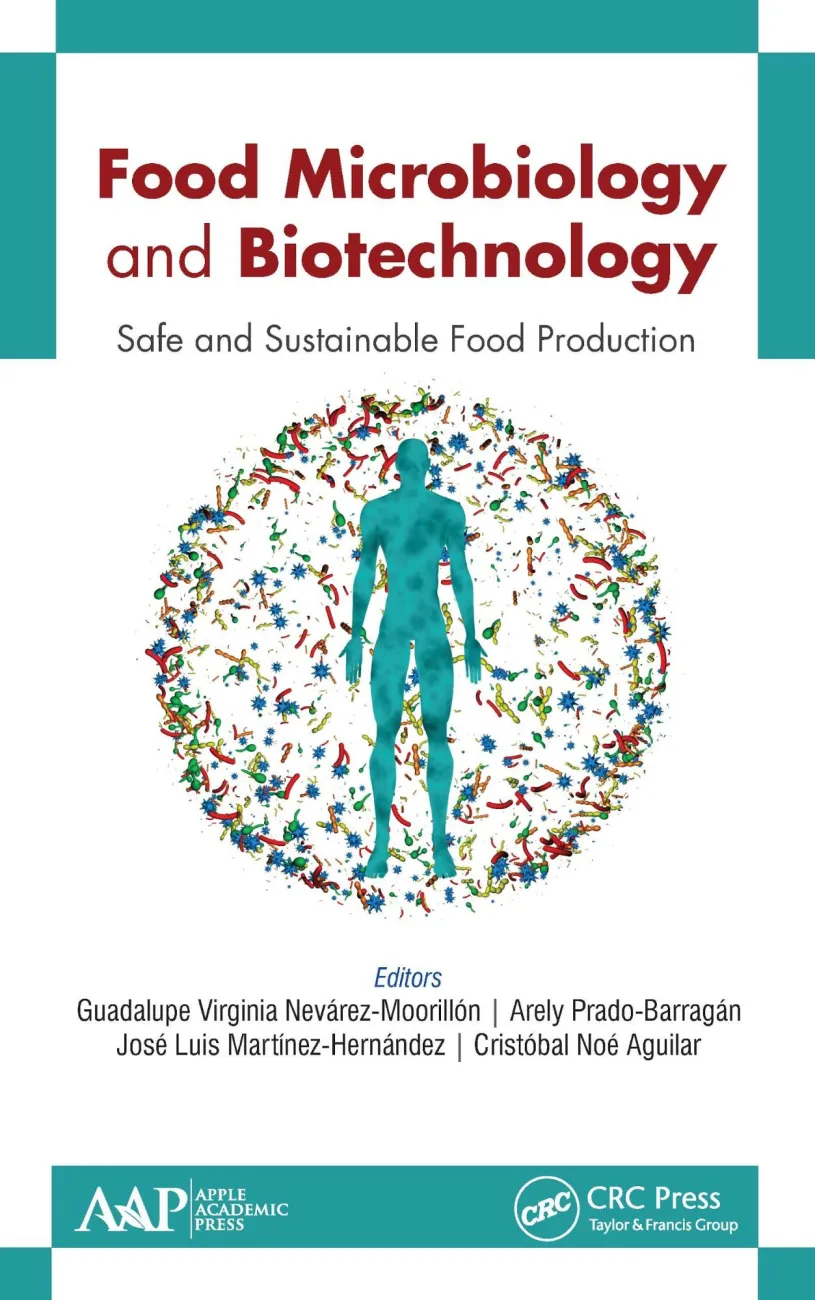
Image Books Food microbiology and biotechnology This book explores microbiological and biotechnological advances in food production, covering topics such as food safety, fermentation for preservation, sustainable production of seafood, food additives and bioprocesses to make agri-food wastes safe. Read