Image Resources Our extensive research library contains thousands of summaries of journal articles, reports and news stories that can be searched by keyword and category RESOURCES CATEGORY Books Briefing paper Event recording Featured articles Featured report Game Journal articles News and resources Reports Think piece Video Working paper Workshop summary Year 2026 2025 2024 2023 2022 2021 2020 2019 2018 2017 2016 2015 2014 2013 2012 2011 2010 2009 2008 2007 2002 2001 Image Reports Greenhouse gas emissions from large dairy companies This report from the international non-profit Institute for Agriculture and Trade Policy examines the climate impacts of large dairy corporations. It finds that greenhouse gas emissions from the 13 largest dairy companies have increased by 11% over the last two years, alongside an 8% increase in milk production, and that none of these corporations has published plans to cut total emissions in their dairy supply chains. Read Image Reports POSTnote: A resilient UK food system This explanatory note from the UK’s Parliamentary Office of Science and Technology defines food system resilience, gives examples of threats to the food system, outlines some questions to consider when visualising a more resilient food system, and describes recent policy developments on food system resilience. Read Image Journal articles Topical collection: Agriculture, food and COVID-19 The journal Agriculture and Human Values has put together a topical collection of 70 articles relating to agriculture, food and the COVID-19 pandemic. Read Image Featured articles Benefits of conservation set-asides on oil palm plantations FCRN member Susannah Fleiss is the lead author of this paper, which finds that setting aside areas of forest (conservation set-asides) within oil palm plantations plays a vital role in storing carbon and boosting rainforest biodiversity within plantations. Read Image News and resources 175% increase in UK emergency food parcel distribution The UK’s Independent Food Aid Network (IFAN) reports that its members have distributed 175% more emergency food parcels during April 2020 than during April 2019. The data covers 112 organisations operating 213 independent food banks across the UK. The number of people supported by or referred to these food banks was 132% greater when comparing across the same time periods. Read Image News and resources Food Systems Dashboard The Food Systems Dashboard has been developed by Johns Hopkins University and The Global Alliance for Improved Nutrition. It brings together data on over 150 food system indicators, such as yields, climate, trade, dietary guidelines, non-communicable diseases and income. Users can compare regions and visualise indicators on a map. Read Image Books Biodiversity, food and nutrition This book looks at how local food biodiversity can help to improve nutrition. Chapters cover the impacts of poor diets, evidence for the role of biodiversity in supporting healthy diets, agroecology, public food procurement, youth-led innovations and reframing food systems narratives. Read Image Reports “Cattle laundering” in the Brazilian Amazon NGO Greenpeace Brazil reports that some meat companies that have exported beef from Brazil to the UK, among other countries, have received cattle that have, for part of their life, been grazed on illegally deforested areas within the protected Ricardo Franco State Park. Greenpeace describes the process as “cattle laundering” because the cattle are sent to other farms (not linked to illegal deforestation) later in their life, to hide the links to deforestation. Read Image Reports Post-Brexit trade deals could weaken UK pesticide standards This report from charity Pesticide Action Network UK compares current UK pesticide regulations with those of the US and Australia - both countries are a priority for post-Brexit trade deals - as well as with those of India. It finds that food sold in the UK could soon be allowed to contain significantly higher levels of hazardous pesticides, if the UK agrees to weaken its pesticide standards during trade negotiations. Read VIEW MORE
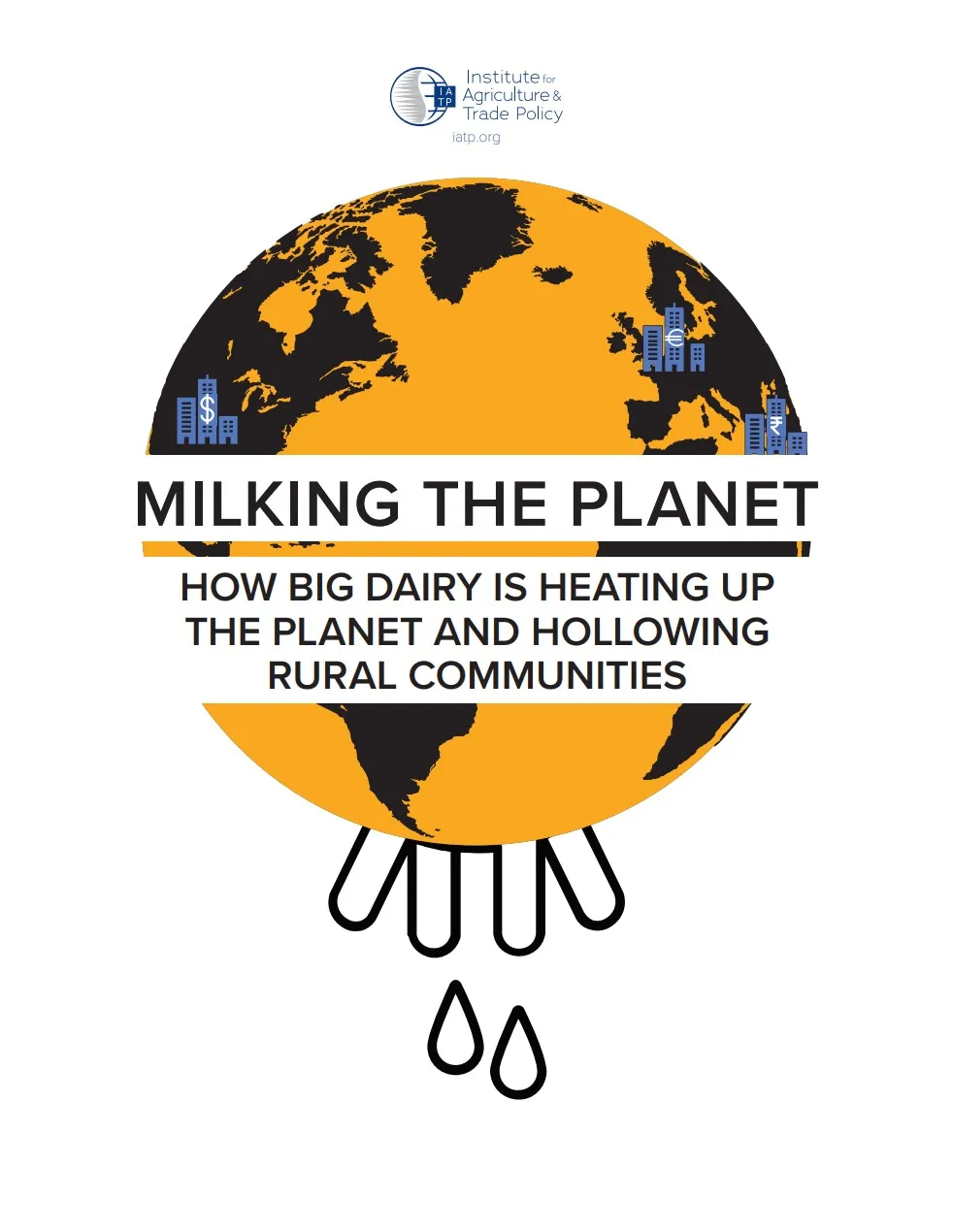
Image Reports Greenhouse gas emissions from large dairy companies This report from the international non-profit Institute for Agriculture and Trade Policy examines the climate impacts of large dairy corporations. It finds that greenhouse gas emissions from the 13 largest dairy companies have increased by 11% over the last two years, alongside an 8% increase in milk production, and that none of these corporations has published plans to cut total emissions in their dairy supply chains. Read
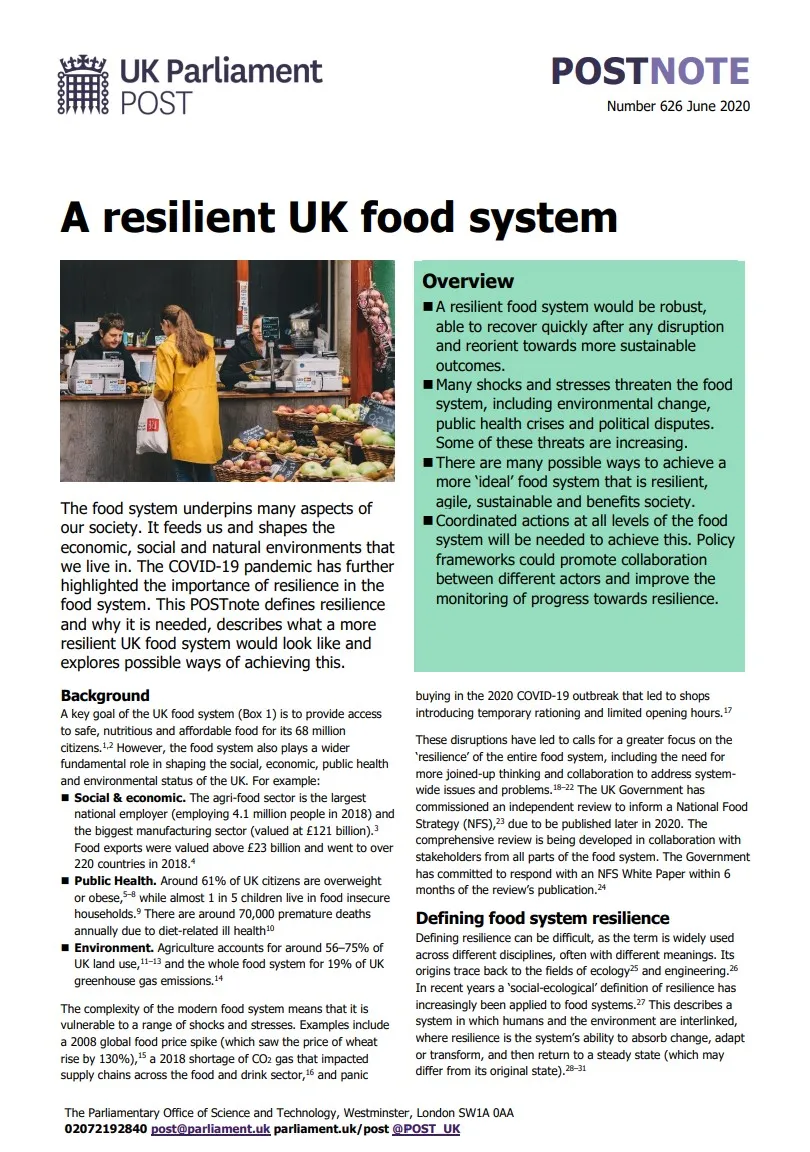
Image Reports POSTnote: A resilient UK food system This explanatory note from the UK’s Parliamentary Office of Science and Technology defines food system resilience, gives examples of threats to the food system, outlines some questions to consider when visualising a more resilient food system, and describes recent policy developments on food system resilience. Read
Image Journal articles Topical collection: Agriculture, food and COVID-19 The journal Agriculture and Human Values has put together a topical collection of 70 articles relating to agriculture, food and the COVID-19 pandemic. Read
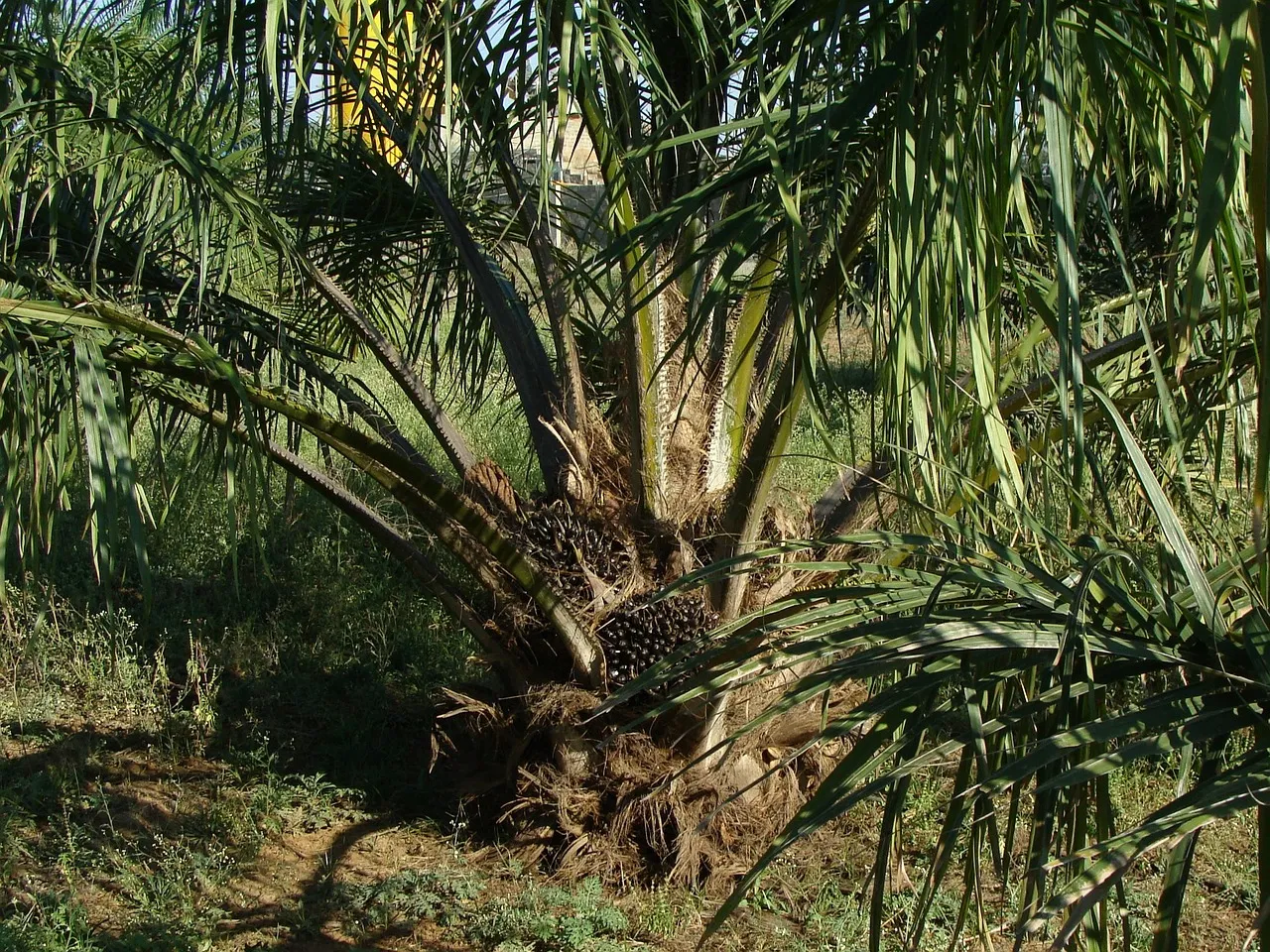
Image Featured articles Benefits of conservation set-asides on oil palm plantations FCRN member Susannah Fleiss is the lead author of this paper, which finds that setting aside areas of forest (conservation set-asides) within oil palm plantations plays a vital role in storing carbon and boosting rainforest biodiversity within plantations. Read
Image News and resources 175% increase in UK emergency food parcel distribution The UK’s Independent Food Aid Network (IFAN) reports that its members have distributed 175% more emergency food parcels during April 2020 than during April 2019. The data covers 112 organisations operating 213 independent food banks across the UK. The number of people supported by or referred to these food banks was 132% greater when comparing across the same time periods. Read
Image News and resources Food Systems Dashboard The Food Systems Dashboard has been developed by Johns Hopkins University and The Global Alliance for Improved Nutrition. It brings together data on over 150 food system indicators, such as yields, climate, trade, dietary guidelines, non-communicable diseases and income. Users can compare regions and visualise indicators on a map. Read
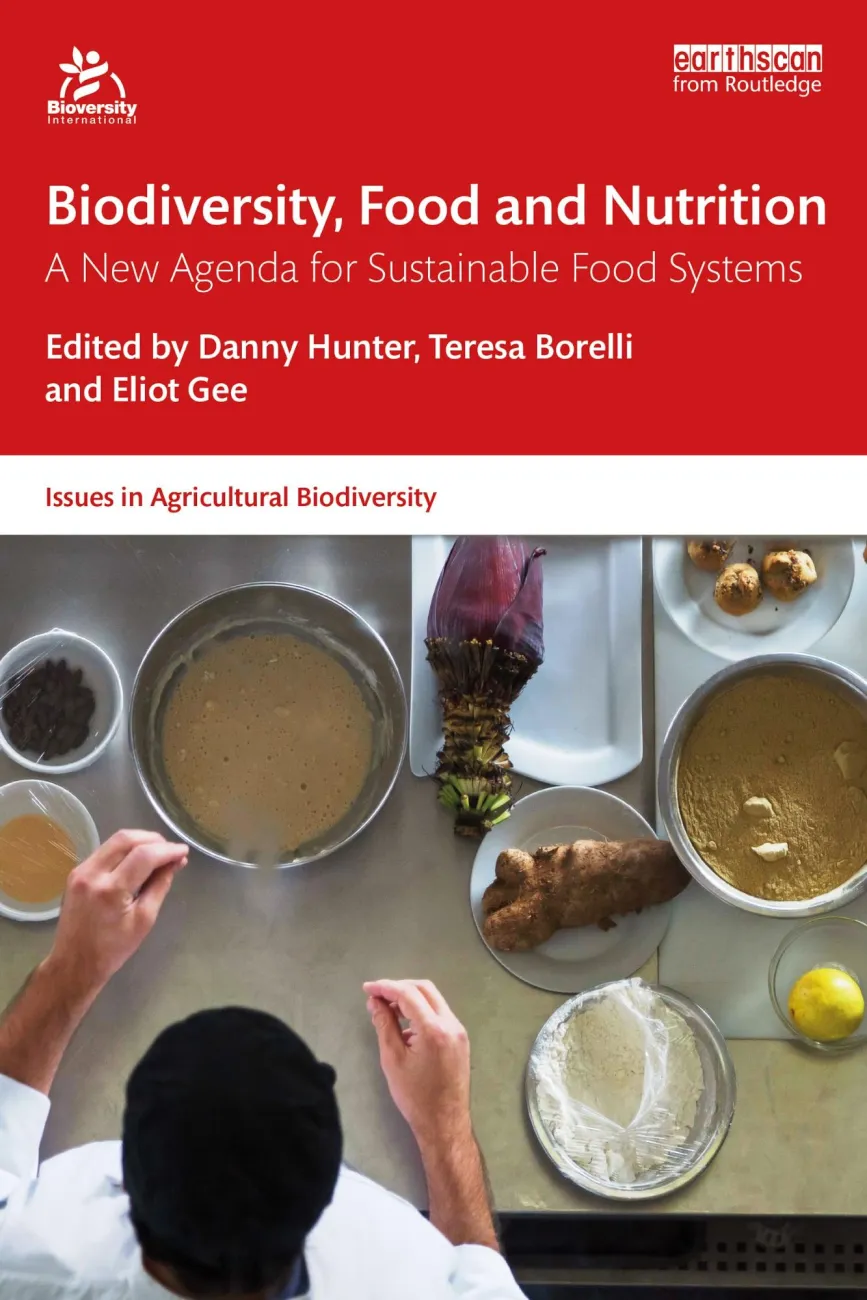
Image Books Biodiversity, food and nutrition This book looks at how local food biodiversity can help to improve nutrition. Chapters cover the impacts of poor diets, evidence for the role of biodiversity in supporting healthy diets, agroecology, public food procurement, youth-led innovations and reframing food systems narratives. Read
Image Reports “Cattle laundering” in the Brazilian Amazon NGO Greenpeace Brazil reports that some meat companies that have exported beef from Brazil to the UK, among other countries, have received cattle that have, for part of their life, been grazed on illegally deforested areas within the protected Ricardo Franco State Park. Greenpeace describes the process as “cattle laundering” because the cattle are sent to other farms (not linked to illegal deforestation) later in their life, to hide the links to deforestation. Read
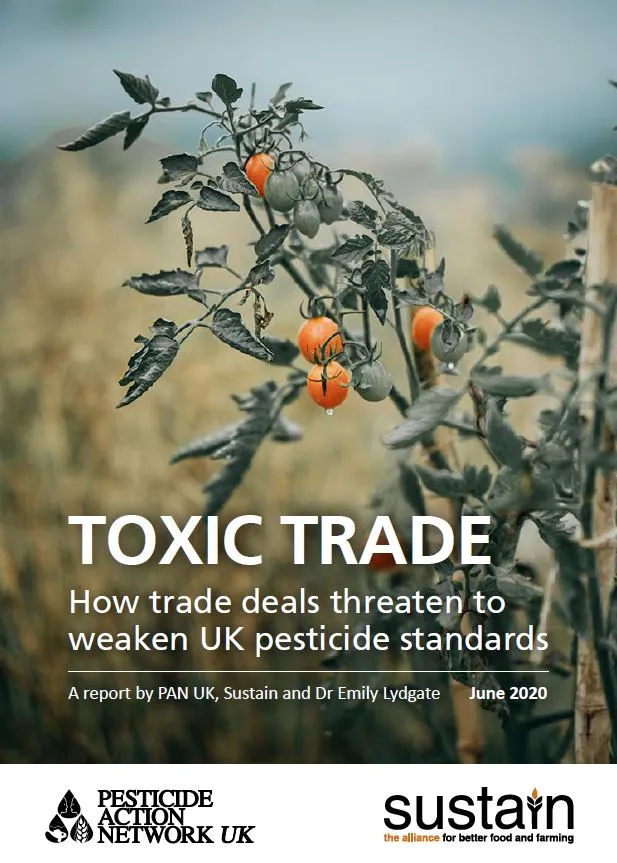
Image Reports Post-Brexit trade deals could weaken UK pesticide standards This report from charity Pesticide Action Network UK compares current UK pesticide regulations with those of the US and Australia - both countries are a priority for post-Brexit trade deals - as well as with those of India. It finds that food sold in the UK could soon be allowed to contain significantly higher levels of hazardous pesticides, if the UK agrees to weaken its pesticide standards during trade negotiations. Read