Image Resources Our extensive research library contains thousands of summaries of journal articles, reports and news stories that can be searched by keyword and category RESOURCES CATEGORY Books Briefing paper Event recording Featured articles Featured report Game Journal articles News and resources Reports Think piece Video Working paper Workshop summary Year 2026 2025 2024 2023 2022 2021 2020 2019 2018 2017 2016 2015 2014 2013 2012 2011 2010 2009 2008 2007 2002 2001 Image Journal articles Alternative meat products: the rural opportunities and threats This study sets out the economic and social threats and opportunities that alternative meat products (i.e. plant-based meat replacements and cellular agriculture) pose to rural producers in the United States. It is based on interviews with 37 stakeholders, including researchers, farmers, non-profits, funding agencies, government agencies, and representatives from the cultured meat, plant-based meat, beef, soy and pea sectors. Read Image News and resources Blog post: What do we mean by the sustainable food sector? This blog post by Dr Rosalind Sharpe of the UK’s Food Research Collaboration asks what is meant by a “sustainable food system”. A group of students on the Centre for Food Policy’s Master’s course discussed this issue, and came up with a list of attributes including “healthy, equitable, inclusive, affordable, nutritious, culturally sensitive, sustainable, circular, resilient, respectful, lasting and simply ‘real’”. Read Image News and resources Nutrition for Growth Commitment Tracker The Global Nutrition Report has an interactive “Nutrition for Growth Commitment Tracker” where you can track progress made by a variety of stakeholders on their commitments towards ending malnutrition, made as part of the Nutrition for Growth summit. Stakeholders include national governments, donors, businesses, civil society organisations and the United Nations. Read Image News and resources FAO podcast: Target - Zero Hunger Target: Zero Hunger is a podcast series produced by the Food and Agriculture Organisation of the United Nations about the stories, issues, and policies at the root of global food security. The most recent episode is “Desert locusts: Are we winning the fight?” It can be listened to in English here and in French here. Read Image Books Geographies of food: an introduction This book, published February 2021, uses case studies from across the globe to discuss the future of food. Chapters cover food and place identities, politics of agricultural production, food trade, hunger and malnutrition, food insecurity in rich countries, and future scenarios for sustainable food and farming. Read Image Reports Farming our way out of the climate crisis This report from climate non-profit Project Drawdown discusses how food, agriculture and land use contribute to greenhouse gas emissions, and how the sector can both reduce emissions and sequester carbon. Suggestions include conserving and restoring tropical forests, making animal and rice agriculture more efficient, using fertilisers more efficiently, reducing food waste, eating plant-rich diets, intensifying agriculture to spare land for conservation and ecosystem restoration, using regenerative cropping and grazing techniques to build soil carbon, and using perennial crops. Read Image Reports Making Scottish farmed salmon sustainable This policy brief from UK food waste NGO Feedback recommends that policymakers reform the Scottish salmon aquaculture industry and support the expansion of unfed aquaculture, such as mussel farming. Read Image Journal articles Sustainable nutrition in company and prison canteens This study, co-authored by Table member Dr Toni Meier, measures the nutritional value, environmental impacts and food waste associated with catering facilities in Hesse, Germany. The project examined company canteens, prison kitchens and a restaurant run by a vocational training institute. Read Image Journal articles Water and socioeconomic impacts of avocado production This open access article examines the impacts of avocado production, specifically water stresses and socio-economic impacts on local communities in production areas. The paper links the increase in popularity of avocados to the conversion of forest to avocado production in Mexico. The avocado trade also supports thousands of jobs that are paid above the average for the main production regions, while subsistence farming has been displaced to more marginal lands. Read VIEW MORE
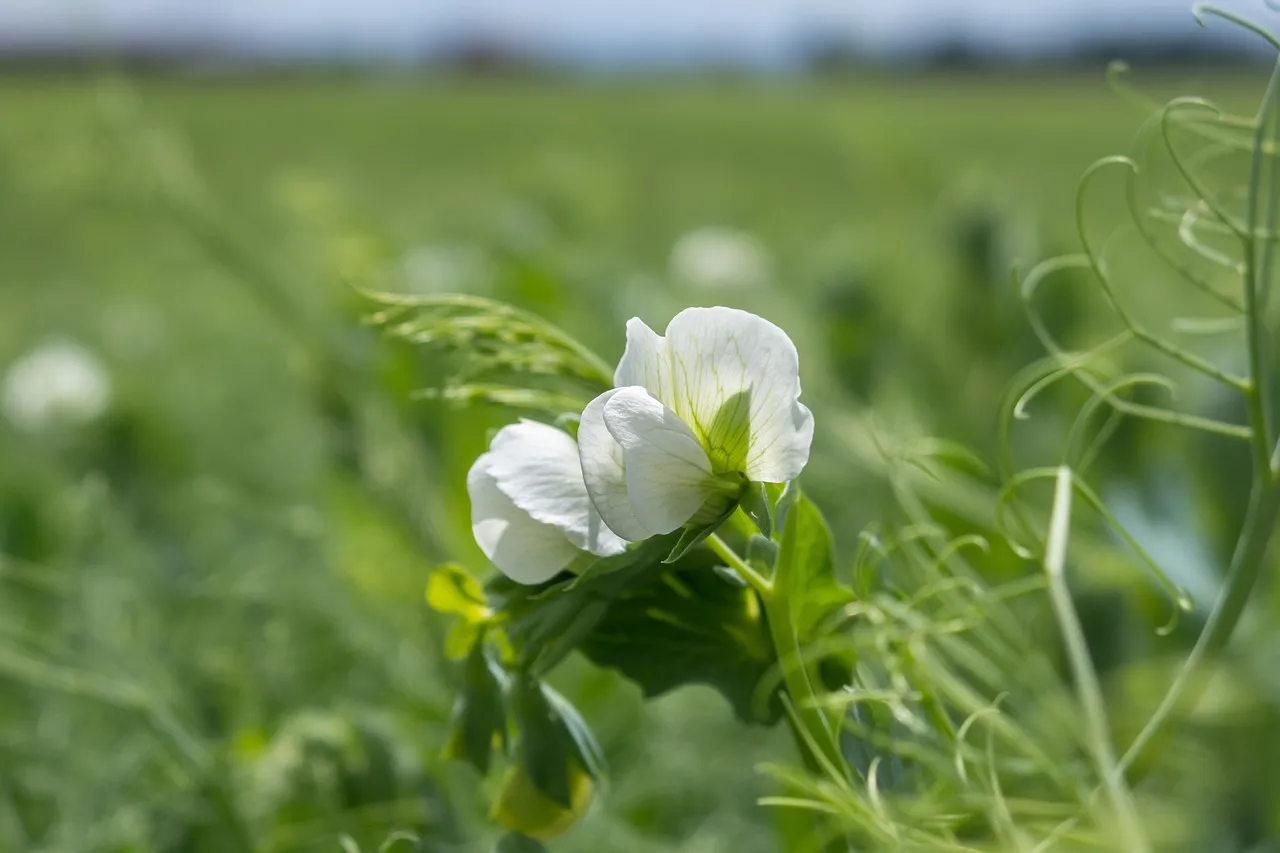
Image Journal articles Alternative meat products: the rural opportunities and threats This study sets out the economic and social threats and opportunities that alternative meat products (i.e. plant-based meat replacements and cellular agriculture) pose to rural producers in the United States. It is based on interviews with 37 stakeholders, including researchers, farmers, non-profits, funding agencies, government agencies, and representatives from the cultured meat, plant-based meat, beef, soy and pea sectors. Read
Image News and resources Blog post: What do we mean by the sustainable food sector? This blog post by Dr Rosalind Sharpe of the UK’s Food Research Collaboration asks what is meant by a “sustainable food system”. A group of students on the Centre for Food Policy’s Master’s course discussed this issue, and came up with a list of attributes including “healthy, equitable, inclusive, affordable, nutritious, culturally sensitive, sustainable, circular, resilient, respectful, lasting and simply ‘real’”. Read
Image News and resources Nutrition for Growth Commitment Tracker The Global Nutrition Report has an interactive “Nutrition for Growth Commitment Tracker” where you can track progress made by a variety of stakeholders on their commitments towards ending malnutrition, made as part of the Nutrition for Growth summit. Stakeholders include national governments, donors, businesses, civil society organisations and the United Nations. Read
Image News and resources FAO podcast: Target - Zero Hunger Target: Zero Hunger is a podcast series produced by the Food and Agriculture Organisation of the United Nations about the stories, issues, and policies at the root of global food security. The most recent episode is “Desert locusts: Are we winning the fight?” It can be listened to in English here and in French here. Read
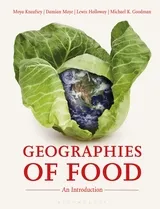
Image Books Geographies of food: an introduction This book, published February 2021, uses case studies from across the globe to discuss the future of food. Chapters cover food and place identities, politics of agricultural production, food trade, hunger and malnutrition, food insecurity in rich countries, and future scenarios for sustainable food and farming. Read
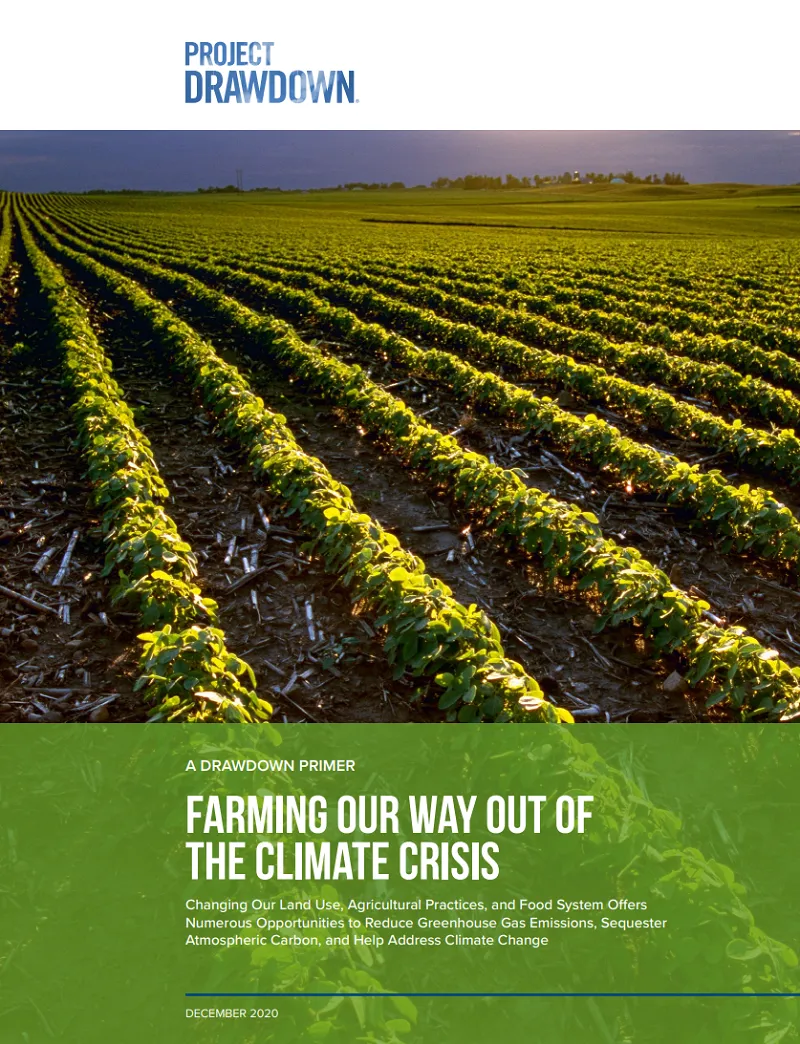
Image Reports Farming our way out of the climate crisis This report from climate non-profit Project Drawdown discusses how food, agriculture and land use contribute to greenhouse gas emissions, and how the sector can both reduce emissions and sequester carbon. Suggestions include conserving and restoring tropical forests, making animal and rice agriculture more efficient, using fertilisers more efficiently, reducing food waste, eating plant-rich diets, intensifying agriculture to spare land for conservation and ecosystem restoration, using regenerative cropping and grazing techniques to build soil carbon, and using perennial crops. Read
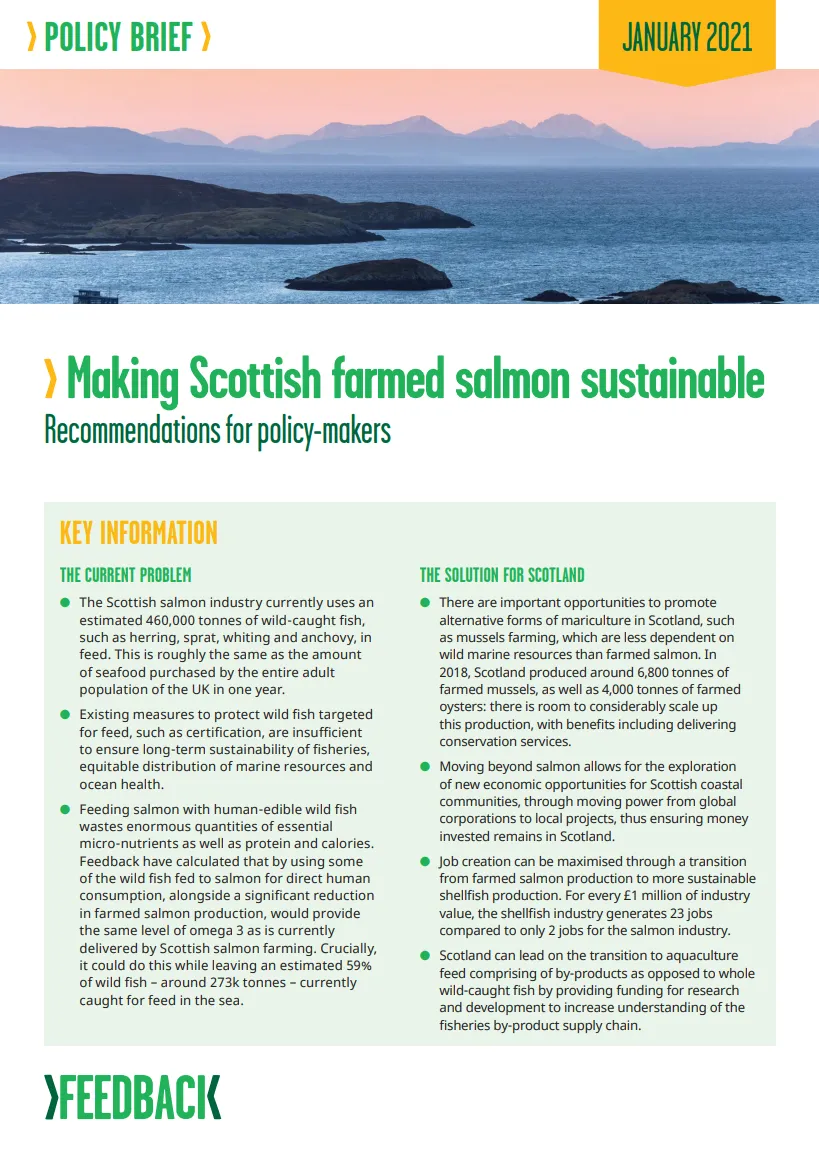
Image Reports Making Scottish farmed salmon sustainable This policy brief from UK food waste NGO Feedback recommends that policymakers reform the Scottish salmon aquaculture industry and support the expansion of unfed aquaculture, such as mussel farming. Read
Image Journal articles Sustainable nutrition in company and prison canteens This study, co-authored by Table member Dr Toni Meier, measures the nutritional value, environmental impacts and food waste associated with catering facilities in Hesse, Germany. The project examined company canteens, prison kitchens and a restaurant run by a vocational training institute. Read
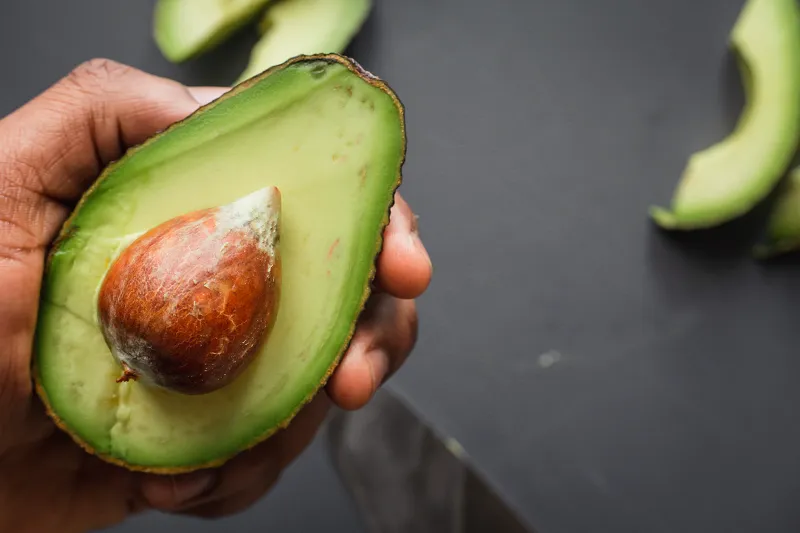
Image Journal articles Water and socioeconomic impacts of avocado production This open access article examines the impacts of avocado production, specifically water stresses and socio-economic impacts on local communities in production areas. The paper links the increase in popularity of avocados to the conversion of forest to avocado production in Mexico. The avocado trade also supports thousands of jobs that are paid above the average for the main production regions, while subsistence farming has been displaced to more marginal lands. Read