Image Resources Our extensive research library contains thousands of summaries of journal articles, reports and news stories that can be searched by keyword and category RESOURCES CATEGORY Books Briefing paper Event recording Featured articles Featured report Game Journal articles News and resources Reports Think piece Video Working paper Workshop summary Year 2026 2025 2024 2023 2022 2021 2020 2019 2018 2017 2016 2015 2014 2013 2012 2011 2010 2009 2008 2007 2002 2001 Image Reports Research for regenerative agriculture in New Zealand This white paper, funded by Our Land and Water (one of 11 National Science Challenges run by the New Zealand government) and the NEXT Foundation, explores what regenerative agriculture means in the context of New Zealand and identifies 17 topics where more research is required. It acknowledges the alignment between regenerative agriculture and Māori food practices and knowledge. Read Image Reports Understanding lived experience of food environments This report by the Centre for Food Policy at City, University of London summarises the qualitative research methods that are available to help understand how people interact with food environments, including interviews, community observation and photo elicitation. The report notes that there has been relatively little qualitative (compared to quantitative) research on lived experiences of food environments, and that existing qualitative research often guides commercial product development but is less often used to inform policy. Read Image Journal articles Environmental effects of farm type in Sweden This paper, co-authored by Table member Georg Andersson, evaluates the trade-offs between greenhouse gas emissions, calorie output and biodiversity for several farm types in Sweden. It finds that while no one farm type maximises on-farm performance for all categories simultaneously, there is potential to manage the trade-offs, for example by reducing the land used for dairy farming in favour of both cropping for food production and extensive livestock grazing. Read Image Journal articles Herbicide-induced hunger in Central Malawi This paper, co-authored by Table member Prof Ken Giller, investigates how herbicide use impacts casual labour patterns on farms in Central Malawi. It finds that while herbicides can be beneficial for the households using them, herbicide use can replace some casual labour. This results in many households going hungry as they cannot find work. The study is based on a survey of 275 households as well as consultation with village leaders. Read Image Journal articles Banning wild meat could harm food security and biodiversity This paper finds that suddenly banning wild meat from diets and markets, for example in response to the COVID-19 pandemic, could put some countries at risk of food insecurity, require an extra 124,000km2 of land to rear livestock as a replacement, and drive an additional 267 species towards extinction. Read Image Featured articles Review: Impacts of plastics in the food system This systematic review examines the impacts on environment, food security and human health of seven types of plastic used in the food system. The authors created an interactive evidence map, which can be viewed here. Most publications focused on the agricultural stage, with fewer looking at retail, household or food waste disposal. There is relatively little evidence on the impacts of food system plastics in low- and middle- income countries. Read Image News and resources Blog post: Complacency as a barrier to building resilience In this blog post, published by the Resilience of the UK Food System in a Global Context research programme, Dr John Ingram of the University of Oxford’s Environmental Change Institute argues that, contrary to public perceptions, the Australian food system is at growing risk of disruption from droughts, floods, an aging farmer population, or potential shocks such as a reduced ability to export beef to China due to bluetongue disease. Read Image News and resources Flushing away phosphorus This article in The Atlantic explores the role that phosphorus - long thought to be a limiting factor in the productivity of the biosphere - plays in the food system. Phosphorus fertiliser has historically come from bones, phosphate rock deposits and human waste. Today, while there are fears of a shortage of mined phosphorus, phosphorus runoff also pollutes water and harms aquatic ecosystems. Companies are now trying to close the phosphorus loop by recovering the fertiliser from human sewage and animal waste. Read Image Books Deep agroecology and the Homeric epics This book argues that transitioning from today’s industrial food system towards a more sustainable system requires cultural shifts. The author draws inspiration from themes in the Homeric epics to propose a new environmental governance model based on “eco‐states responsible for agroecological management”. Read VIEW MORE
Image Reports Research for regenerative agriculture in New Zealand This white paper, funded by Our Land and Water (one of 11 National Science Challenges run by the New Zealand government) and the NEXT Foundation, explores what regenerative agriculture means in the context of New Zealand and identifies 17 topics where more research is required. It acknowledges the alignment between regenerative agriculture and Māori food practices and knowledge. Read
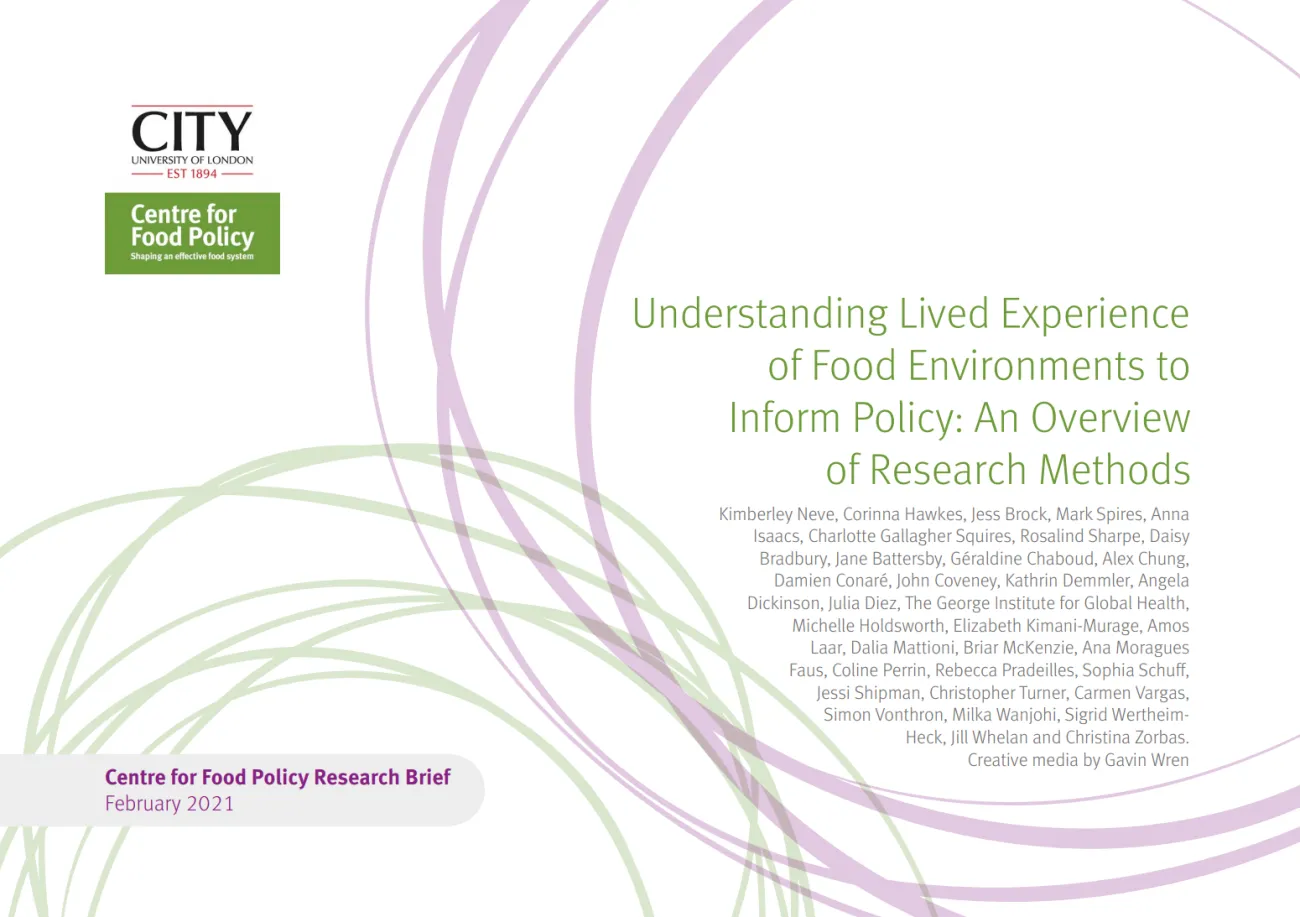
Image Reports Understanding lived experience of food environments This report by the Centre for Food Policy at City, University of London summarises the qualitative research methods that are available to help understand how people interact with food environments, including interviews, community observation and photo elicitation. The report notes that there has been relatively little qualitative (compared to quantitative) research on lived experiences of food environments, and that existing qualitative research often guides commercial product development but is less often used to inform policy. Read
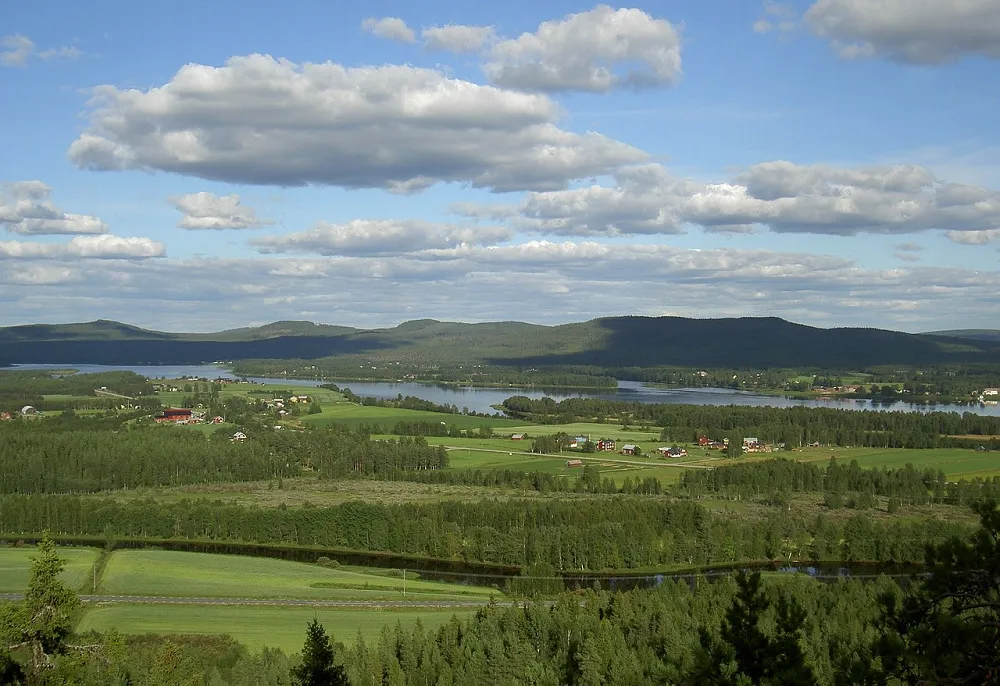
Image Journal articles Environmental effects of farm type in Sweden This paper, co-authored by Table member Georg Andersson, evaluates the trade-offs between greenhouse gas emissions, calorie output and biodiversity for several farm types in Sweden. It finds that while no one farm type maximises on-farm performance for all categories simultaneously, there is potential to manage the trade-offs, for example by reducing the land used for dairy farming in favour of both cropping for food production and extensive livestock grazing. Read
Image Journal articles Herbicide-induced hunger in Central Malawi This paper, co-authored by Table member Prof Ken Giller, investigates how herbicide use impacts casual labour patterns on farms in Central Malawi. It finds that while herbicides can be beneficial for the households using them, herbicide use can replace some casual labour. This results in many households going hungry as they cannot find work. The study is based on a survey of 275 households as well as consultation with village leaders. Read
Image Journal articles Banning wild meat could harm food security and biodiversity This paper finds that suddenly banning wild meat from diets and markets, for example in response to the COVID-19 pandemic, could put some countries at risk of food insecurity, require an extra 124,000km2 of land to rear livestock as a replacement, and drive an additional 267 species towards extinction. Read
Image Featured articles Review: Impacts of plastics in the food system This systematic review examines the impacts on environment, food security and human health of seven types of plastic used in the food system. The authors created an interactive evidence map, which can be viewed here. Most publications focused on the agricultural stage, with fewer looking at retail, household or food waste disposal. There is relatively little evidence on the impacts of food system plastics in low- and middle- income countries. Read
Image News and resources Blog post: Complacency as a barrier to building resilience In this blog post, published by the Resilience of the UK Food System in a Global Context research programme, Dr John Ingram of the University of Oxford’s Environmental Change Institute argues that, contrary to public perceptions, the Australian food system is at growing risk of disruption from droughts, floods, an aging farmer population, or potential shocks such as a reduced ability to export beef to China due to bluetongue disease. Read
Image News and resources Flushing away phosphorus This article in The Atlantic explores the role that phosphorus - long thought to be a limiting factor in the productivity of the biosphere - plays in the food system. Phosphorus fertiliser has historically come from bones, phosphate rock deposits and human waste. Today, while there are fears of a shortage of mined phosphorus, phosphorus runoff also pollutes water and harms aquatic ecosystems. Companies are now trying to close the phosphorus loop by recovering the fertiliser from human sewage and animal waste. Read
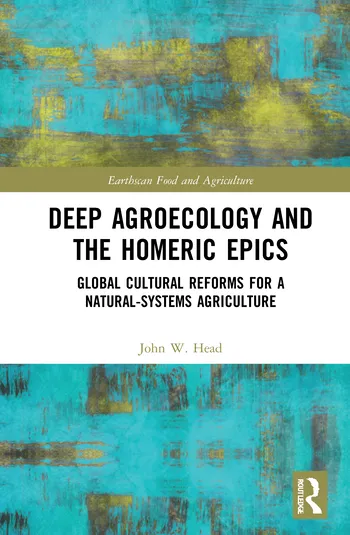
Image Books Deep agroecology and the Homeric epics This book argues that transitioning from today’s industrial food system towards a more sustainable system requires cultural shifts. The author draws inspiration from themes in the Homeric epics to propose a new environmental governance model based on “eco‐states responsible for agroecological management”. Read